It’s 7:30 AM on a Sunday. The driveway is a chaotic symphony of slamming trunks and zipping jackets. You’re trying to fit three suitcases, a stroller, two bicycles, and a cooler into the back while your father-in-law adjusts his seat for the third time, muttering about legroom. In the second row, your toddler is already asking, “Are we there yet?” before the engine has even warmed up.
You glance at the dashboard. The navigation says it’s a 450-kilometer trip to the coastal resort. But that little voice in the back of your head whispers: What if there’s traffic? What if the charging station is broken? What if we get stuck in the rain with the AC running?
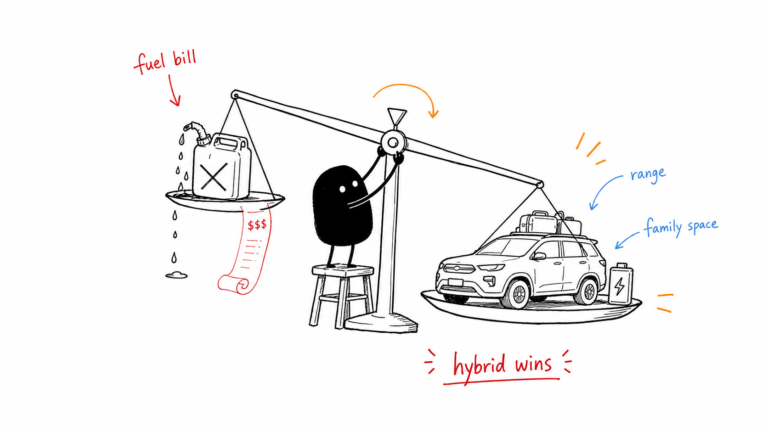
In 2026, for families like ours, range isn’t just a number on a spec sheet; it’s peace of mind. It’s the difference between a relaxed family memory and a stressful logistical nightmare. As a columnist who has tested nearly every 2026 new model hitting the market, I’ve filtered through the marketing fluff to find the vehicles that actually work for real life.
Here is your definitive guide to the best home SUV recommendations that balance range, space, and sanity.
The Logic Behind Our List: One Size Does Not Fit All
We didn’t just pick the cars with the biggest batteries. A family’s needs are complex. Some of you live in apartments with no chargers; others commute 100km daily in the city; some take cross-province road trips every month.
Therefore, this list covers three distinct powertrain philosophies:
- PHEV/EREV (Plug-in Hybrid/Extended Range): The ultimate “no-anxiety” solution for long-distance travel.
- BEV (Pure Electric): The king of city commuting and low running costs, now with 800V speed.
- HEV (Traditional Hybrid): The reliable, fuel-efficient workhorse that never needs a plug.
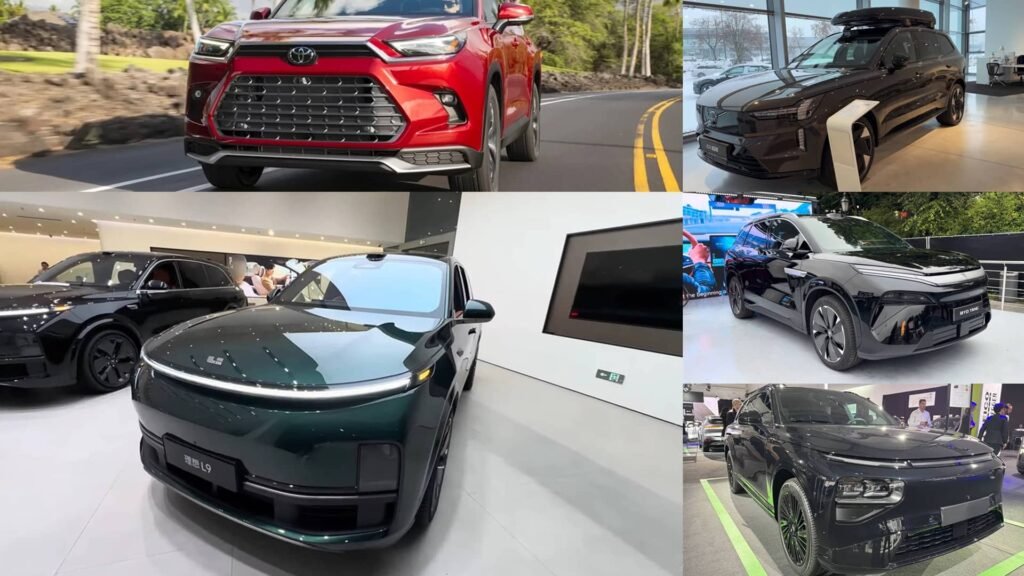
Let’s dive into the five SUVs that define the long-range car category for 2026.
1. The Long-Distance King: Li Auto L9 (2026 Refresh)
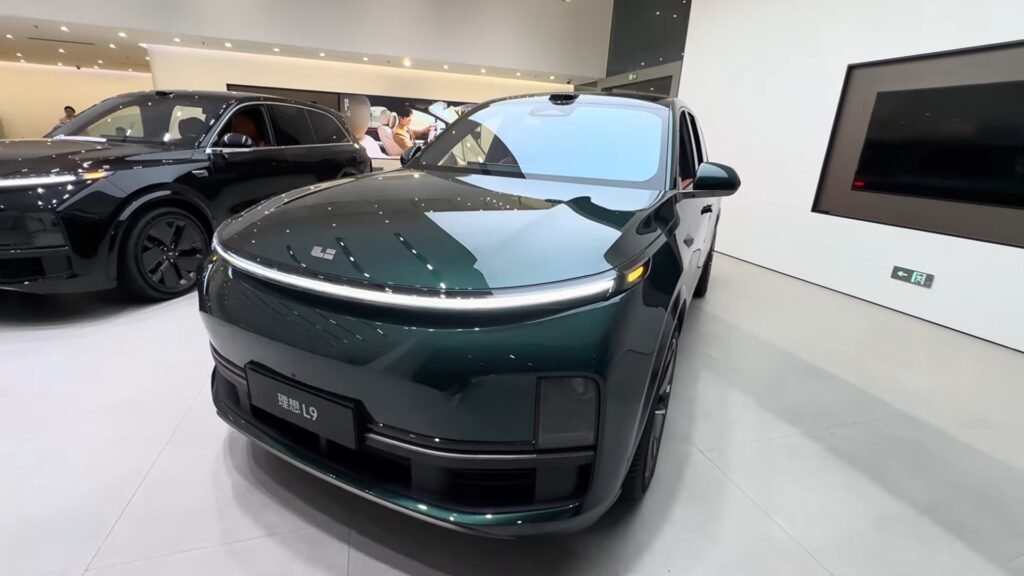
Powertrain: Extended-Range Electric Vehicle (EREV)
If your definition of a family trip involves crossing provincial borders without planning your route around charging piles, the L9 remains the benchmark.
| Feature | Specification & Real-World Context |
|---|---|
| Real Range | CLTC Pure Electric: 280 km Comprehensive (Full Tank + Charge): ~1,350 km Scenario: On a 1,200 km cross-province trip, you will likely refuel only once, saving you the hassle of hunting for chargers during peak holiday traffic. |
| Family Fit | Space: True three-row comfort. The second-row “Zero Gravity” seats allow grandma to nap fully reclined. Cargo: Fits 4 large check-in suitcases even with all 6 seats up. Kids/Elders: Dual rear entertainment screens keep the peace; fridge keeps milk warm or soda cold. |
| Refueling Efficiency | Fuel Type: Accepts standard 92-octane gasoline. This is a huge cost saver for long trips compared to premium-only luxury cars. Fast charging (DC) adds 200km range in 15 mins if you do stop. |
| The Golden Sentence | “It’s not just an SUV; it’s a moving living room that never runs out of energy.” |
Why it wins: It solves the “holiday traffic jam” anxiety. You can run the AC and heat for hours in a traffic standstill using the battery, then switch to gas when depleted. It is the top choice for low fuel consumption SUVs that don’t compromise on size.
2. The City Tech Master: Xpeng G9 (2026 800V Edition)
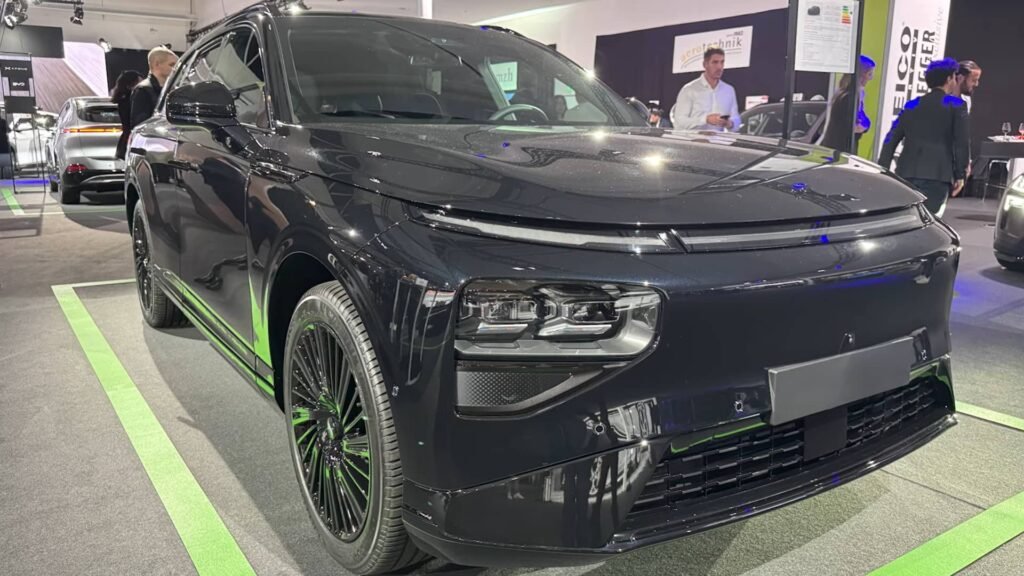
Powertrain: Pure Electric (BEV)
For families who charge at home and primarily drive within the metro area but want the option for occasional weekend getaways, the G9’s 800V architecture is a game-changer.
| Feature | Specification & Real-World Context |
|---|---|
| Real Range | CLTC Range: 702 km (RWD) Real Highway Estimate: ~520 km (at 120km/h) Scenario: Perfect for a round-trip city commute for a week plus a Saturday beach trip without plugging in. |
| Family Fit | Space: Massive rear legroom, though the third row is best for children under 10. Comfort: Air suspension smooths out potholes for sleeping toddlers. Tech: Voice control is so advanced kids can operate windows and AC without distracting the driver. |
| Charging Efficiency | Architecture: Full 800V SiC platform. Speed: At a compatible supercharger, you can go from 10% to 80% in roughly 15 minutes—the time it takes to buy coffee and use the restroom. No more hour-long waits. |
| The Golden Sentence | “The electric car that finally charges as fast as you can stretch your legs.” |
Why it wins: If you have a home charger, your “fuel” cost drops to near zero. The 800V system eliminates the primary pain point of EVs: waiting. It’s the smartest home SUV recommendation for tech-savvy urbanites.
3. The Indestructible Workhorse: Toyota Highlander Hybrid (2026 Model)
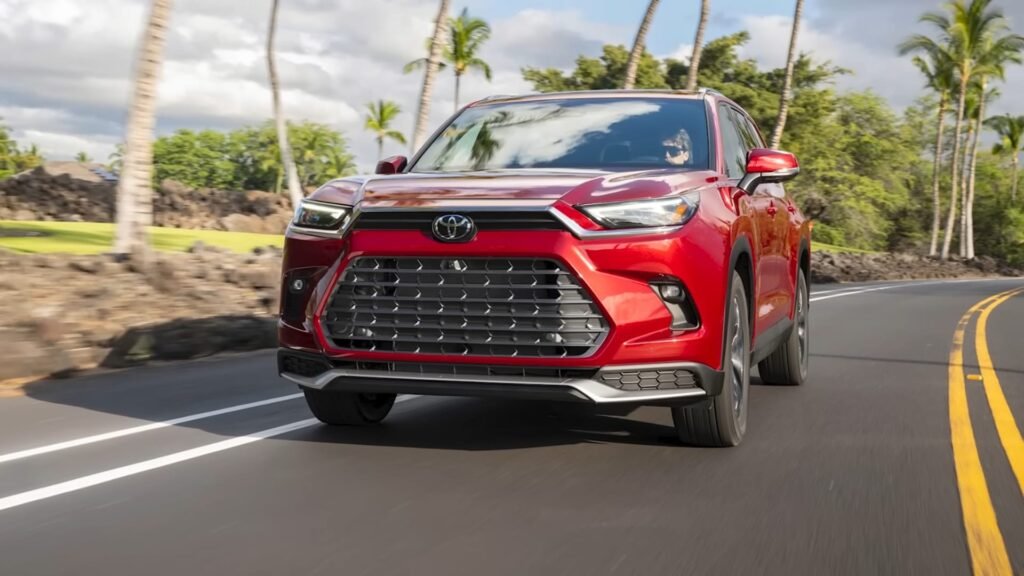
Powertrain: Traditional Hybrid (HEV)
Not everyone wants to plug in. Some families just want a car that starts every morning, sips fuel, and lasts for 15 years. The Highlander remains the king of “set it and forget it.”
| Feature | Specification & Real-World Context |
|---|---|
| Real Range | CLTC Equivalent: N/A (Hybrid) Comprehensive Range: ~950 km on a single tank. Scenario: You can drive for two weeks of normal school runs and grocery trips on one tank. No math, no apps, just drive. |
| Family Fit | Space: Boxy design maximizes headroom for tall teenagers. Reliability: Known for bulletproof reliability; ideal for handing down to younger siblings later. Safety: Standard Toyota Safety Sense 3.0 provides excellent automated braking for protecting pedestrians and cyclists. |
| Refueling Efficiency | Fuel Type: Runs happily on 92-octane gasoline. Consumption: Achieves roughly 6.5L/100km despite its size. It’s one of the most low fuel consumption SUVs that doesn’t require a cord. |
| The Golden Sentence | “The appliance of the car world: boringly reliable, incredibly cheap to run, and always there when you need it.” |
Why it wins: Zero charging anxiety because there is no charger. It’s the perfect backup family car or the primary vehicle for rural areas where charging infrastructure is sparse.
4. The Value Giant: BYD Tang DM-i (2026 Honor Edition)
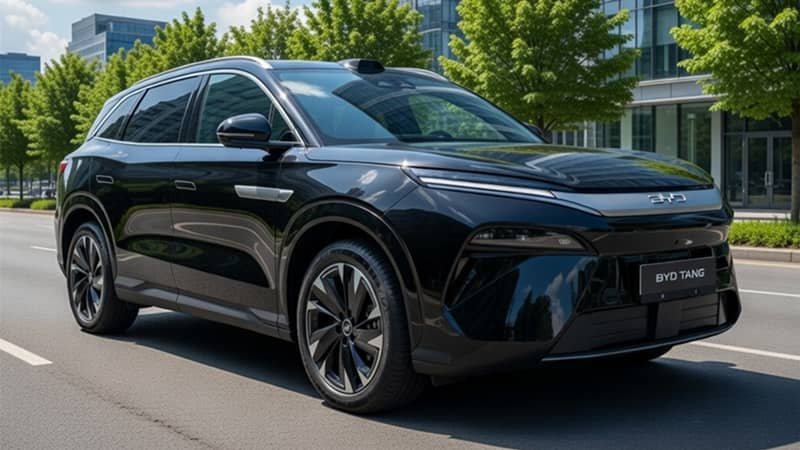
Powertrain: Plug-in Hybrid (PHEV)
For the budget-conscious family that still wants premium features and electric driving dynamics, the Tang DM-i offers unbeatable value.
| Feature | Specification & Real-World Context |
|---|---|
| Real Range | CLTC Pure Electric: 200 km Comprehensive Range: ~1,100 km Scenario: Your daily 40km commute is 100% electric (free), but your summer road trip uses gas, costing half what a traditional SUV would. |
| Family Fit | Space: Flexible 6 or 7-seat configurations. Features: Rotating screen keeps kids entertained; V2L (Vehicle to Load) lets you power an electric grill or projector at the campsite. |
| Refueling Efficiency | Flexibility: Can run on 92-octane gasoline. Even with a dead battery, it operates as a highly efficient hybrid, never leaving you stranded. |
| The Golden Sentence | “It gives you 90% of the luxury experience for 60% of the price, without any of the range worry.” |
Why it wins: It bridges the gap perfectly. You get the smooth electric drive in the city but the freedom of gas on the highway. It is arguably the most practical 2026 new model for middle-class families.
5. The Safe Haven: Volvo EX90 (2026 Twin Motor)
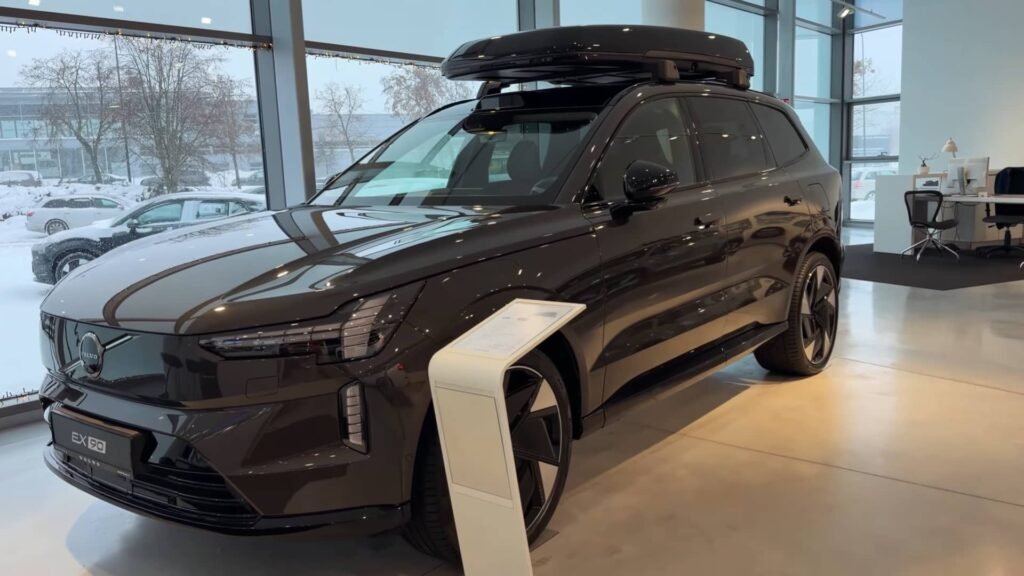
Powertrain: Pure Electric (BEV)
When safety is the absolute non-negotiable metric for your family, Volvo’s electric flagship stands alone.
| Feature | Specification & Real-World Context |
|---|---|
| Real Range | CLTC Range: 650 km Real Highway Estimate: ~480 km Scenario: Ideal for regional travel (e.g., London to Edinburgh, or Shanghai to Hangzhou round trip) with one quick charge stop. |
| Family Fit | Safety: Lidar-based monitoring detects drowsy drivers and even checks rear seats for forgotten children/pets. Air Quality: Advanced cabin filtration is a lifesaver for kids with asthma or allergies. Space: Scandinavian minimalist design maximizes perceived space; very comfortable for adults in row 2. |
| Charging Efficiency | Architecture: 800V capable. Speed: Optimized thermal management allows sustained high-speed charging even in cold winter weather, a common weak point for other EVs. |
| The Golden Sentence | “The only car where the safety features feel like a guardian angel watching over your children.” |
Why it wins: It combines the environmental benefits of an EV with Volvo’s legendary safety reputation. For parents who lose sleep over crash test ratings, this is the only choice.
Decision Guide: Which One Is Your Family’s Soulmate?
Don’t get paralyzed by specs. Use this simple matrix to make your decision today.
| If Your Priority Is… | And Your Situation Is… | Choose This Car |
|---|---|---|
| Maximum Range & Comfort | You take frequent cross-province trips (>600km) and hate planning routes. | Li Auto L9 (EREV) |
| Lowest Running Cost | You have a home charger and 95% of driving is within the city. | Xpeng G9 (BEV) |
| Zero Hassle / Reliability | You live in an apartment with no chargers or want a car for the next 15 years. | Toyota Highlander (HEV) |
| Best Value for Money | You want electric performance but need gas backup for occasional long trips on a budget. | BYD Tang DM-i (PHEV) |
| Ultimate Safety | Safety tech and air quality are more important than max range or flashy screens. | Volvo EX90 (BEV) |
Thoughts from the Road
Choosing a family SUV in 2026 isn’t about chasing the highest number on a brochure. It’s about matching the machine to your life’s rhythm. Whether you need the long-range car capability of an EREV for those spontaneous summer escapes, or the efficiency of a hybrid for the daily school run, the technology this year has finally matured to serve us, not the other way around.
Remember, the best car is the one that gets your family to the destination safely, comfortably, and with smiles still intact. Drive safe, and enjoy the journey.
References & Further Reading:
- Global EV Outlook 2026 – International Energy Agency
- IIHS Top Safety Pick+ Ratings for 2026 SUVs
- Consumer Reports: Best Hybrid and Electric SUVs of 2026
- WLTP vs CLTC: Understanding Real World Range Differences
- Worlds Most Luxury Full-Size SUVs 2026 – Size is The King