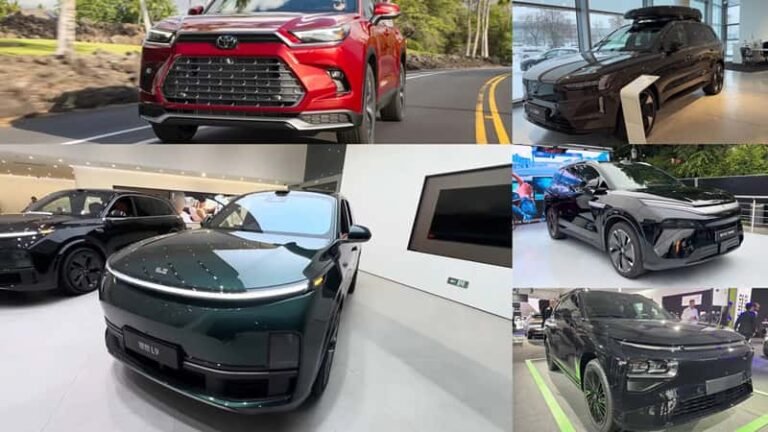
Flagship electric power. Executive interiors. 800+ horsepower family haulers.
For years, Chinese vehicles were dismissed in North America as value-first alternatives. That narrative is over. By 2026, Chinese luxury SUVs are not competing on price alone — they are redefining what premium means through electrification, extended-range systems, autonomous driving stacks, and interior innovation that often surpasses established German and American benchmarks.
For Canadian buyers evaluating next-generation luxury SUVs — especially in EV-forward provinces like British Columbia and Quebec — the Chinese segment is no longer theoretical. Several brands are entering global markets aggressively, and others are being closely monitored for Canadian homologation through 2026–2027.
Below is a structured, data-driven breakdown of the 10 most luxurious Chinese SUVs poised for Canadian buyers in 2026, ranked by innovation, technology density, drivetrain sophistication, and executive-level comfort.
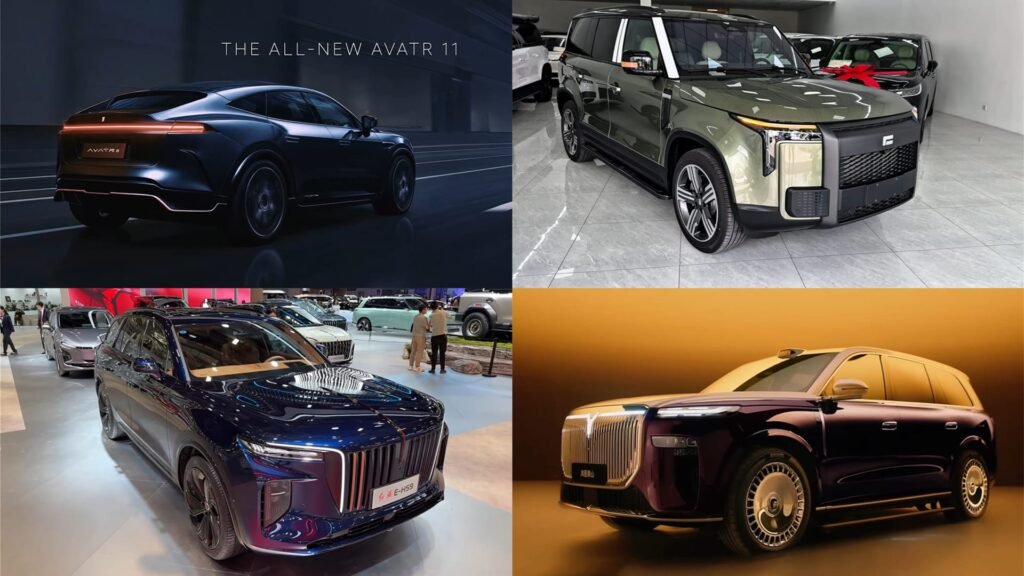
Quick Comparison Table (2026 Flagship Specs)
| Model | Power (hp) | 0–100 km/h | Drivetrain | Est. Range (km) | Notable Innovation | Est. Price (CAD equiv.) |
|---|---|---|---|---|---|---|
| Huawei Aito M9 | 490 | 4.9s | EREV | 1,400+ combined | 32” rear cinema screen | ~$90,000 |
| Lynk & Co 900 | 845 | <4.0s | Performance Hybrid | 1,000+ combined | Rotating lounge seats | ~$105,000 |
| NIO ES8 | 640 | 4.1s | BEV | 560+ | 3-min battery swap | ~$110,000 |
| Zeekr 7X | 636 | 3.8s | BEV | 600+ | 10-min 10–80% charge | ~$55,000 |
| ROX 01 | 476 | 5.5s | EREV | 1,300+ combined | Built-in camping kitchen | ~$70,000 |
| Hongqi E-HS9 | 550 | 4.8s | BEV | 515 | Diplomatic luxury cabin | ~$120,000 |
| Avatr 11 | 578 | 3.9s | BEV | 600+ | Huawei ADS autonomous stack | ~$75,000 |
| Yangwang U8L | 1,200 | 3.6s | Quad-Motor EREV | 1,000+ combined | Float mode + tank turn | ~$200,000 |
| Zeekr 9X | 1,300+ | ~3.0s | Quad-Motor BEV | 700+ | 4-LiDAR autonomy | ~$150,000 |
| Voyah Taishan 9L | 800+ | ~4.0s | EREV | 1,400+ combined | AI wellness interior | ~$85,000 |
Note: Canadian pricing reflects estimated conversion and expected positioning. Final homologated specs may vary.
1. Aito M9 – The Technology Flagship
Brand: Aito (Huawei-backed)
Platform: Extended-Range EV (EREV) & BEV
Power: ~490 hp (EREV version)
Length: ~5.2 meters
Estimated China Price: ~RMB 469,800+ (~$65,000 USD equivalent)
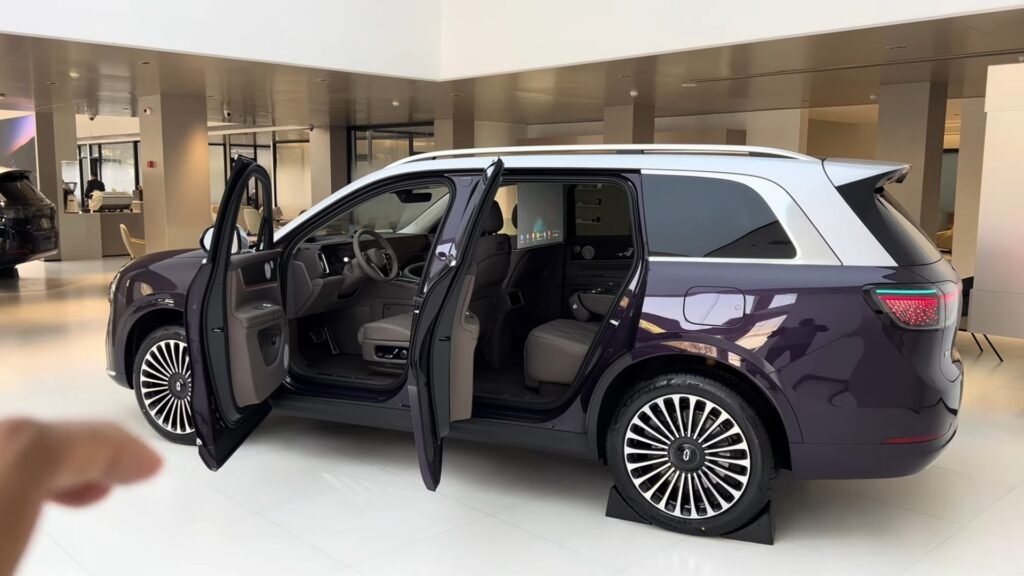
The Aito M9 represents Huawei’s most ambitious automotive collaboration to date. Unlike traditional automakers retrofitting infotainment systems, Huawei developed the HarmonyOS cockpit and ADS advanced driving stack from inception.
Key Highlights
| Feature | Specification |
|---|---|
| Architecture | 800V fast charging |
| Range (EREV) | ~870+ miles combined (CLTC cycle) |
| 0–60 mph | ~4.9 sec |
| Rear Entertainment | 32-inch retractable cinema screen |
| Lighting | Intelligent matrix LED projection system |
The EREV configuration uses a 1.5L turbo engine strictly as a generator, delivering electric-only driving characteristics with extended range capability.
The cabin features a triple-screen glass dashboard and zero-gravity reclining seats — a configuration typically reserved for vehicles twice the price in Western markets.
2. Lynk & Co 900 – Performance in Disguise
Parent Company: Geely Group
Platform: SPA Evo
Power: ~845 hp (hybrid system)
Estimated Price: ~$75,000 USD equivalent
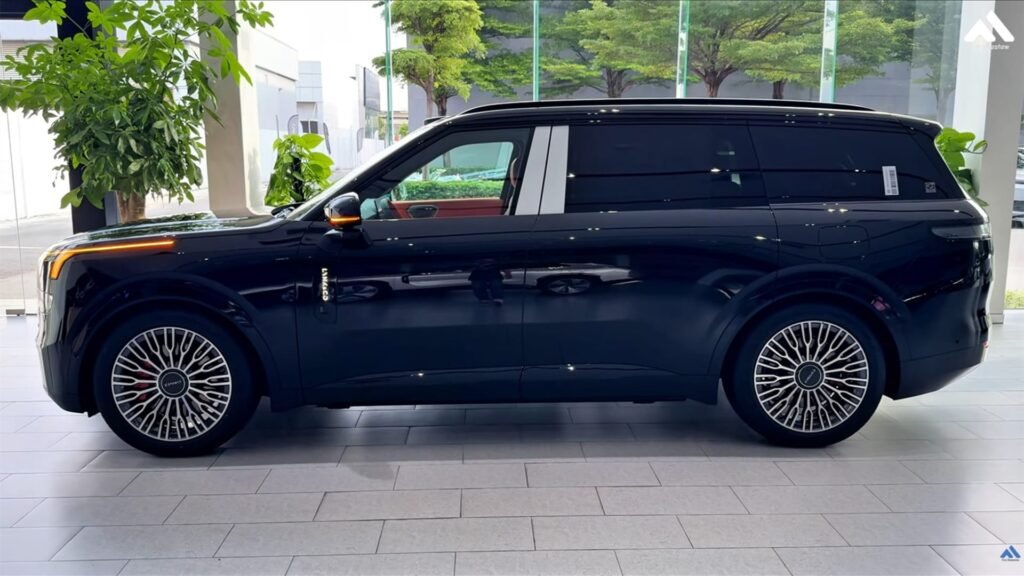
Built on the same industrial backbone that supports Volvo models (Geely owns Volvo), the Lynk & Co 900 pairs a 2.0L turbo engine with multiple electric motors for extreme combined output.
Performance Comparison
| Model | Horsepower | 0–60 mph |
|---|---|---|
| Lynk & Co 900 | ~845 hp | <4.0 sec |
| Lamborghini Urus Performante | 657 hp | ~3.3 sec |
| BMW X7 M60i | 523 hp | ~4.5 sec |
The rotating front seats and lounge-style interior indicate a clear focus on rear-cabin luxury — a trend increasingly dominant in the Chinese domestic market.
3. NIO ES8 – The Battery Swap Executive SUV
Architecture: Pure BEV
Battery Options: Up to 150 kWh (semi-solid-state announced)
Power: ~644 hp dual motor
Estimated Range: ~560 miles (CLTC, 150 kWh pack)
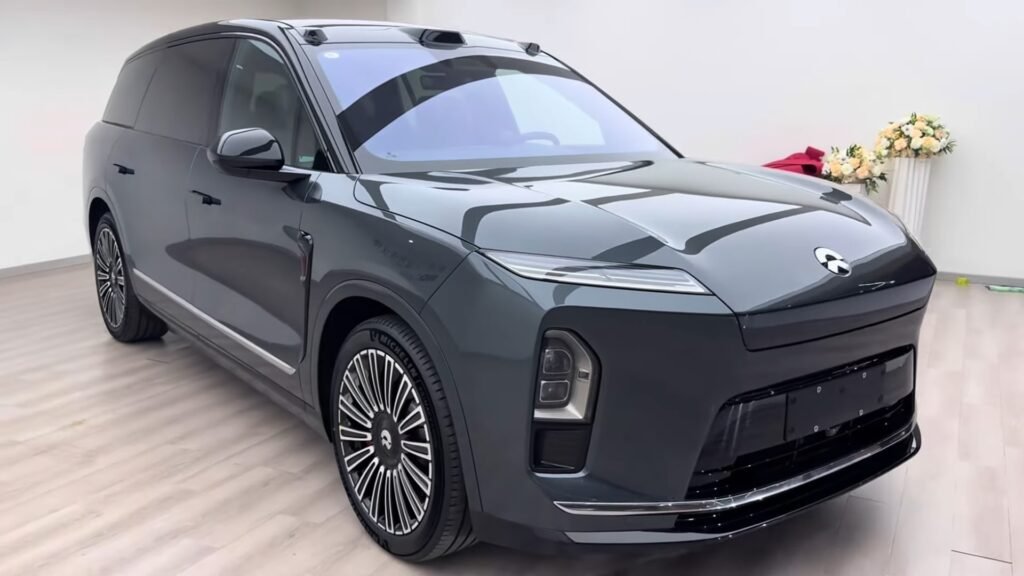
NIO’s competitive advantage remains its battery swapping infrastructure. Instead of charging, owners can replace a depleted pack in ~3–5 minutes at a swap station.
Key Technical Features
| Feature | Detail |
|---|---|
| LiDAR | Roof-mounted watchtower system |
| ADAS | NIO Autonomous Driving (NAD) |
| Interior | Executive 4-seat layout available |
| Assistant | NOMI AI interactive system |
In high-density Chinese metro markets, battery swapping reduces downtime and eliminates charger dependency — a model that remains unique globally.
4. Zeekr 7X – Affordable 800V Performance
Architecture: 800V platform
Charging Speed: ~10–80% in ~10 minutes (5.5C capability)
Power: ~636 hp
Starting Price (China): ~$35,000 USD equivalent
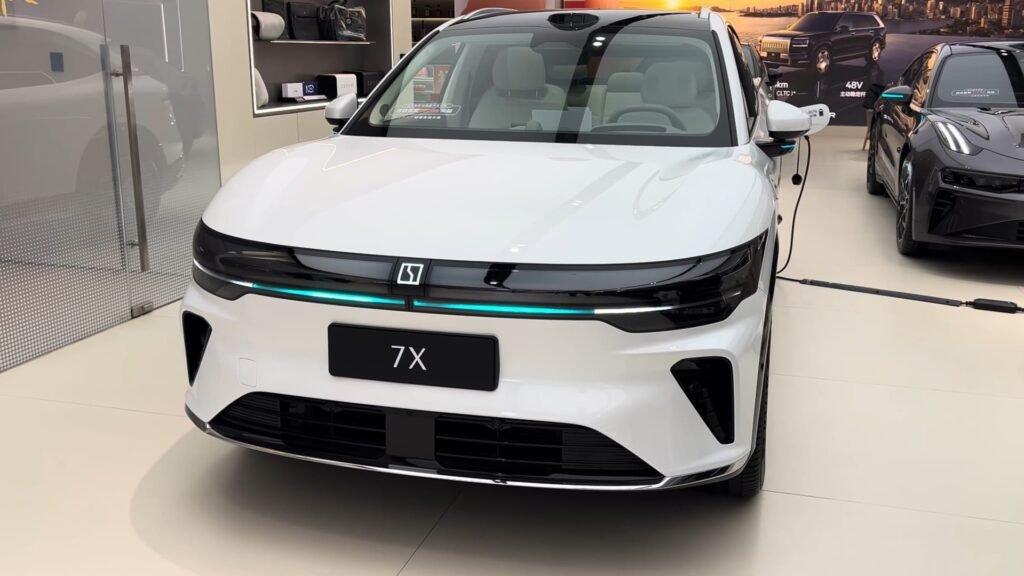
The Zeekr 7X is arguably the most disruptive value proposition in the segment.
Charging Comparison
| Model | 10–80% Charge Time |
|---|---|
| Zeekr 7X | ~10 minutes |
| Tesla Model Y | ~25 minutes |
| Hyundai Ioniq 5 (800V) | ~18 minutes |
The 7X’s interactive “Stargate” LED light panel and frameless exterior design reflect a new aesthetic confidence in Chinese EV design.
5. Polestone 01 – The Luxury Expedition SUV
Design Partner: Pininfarina
Powertrain: Extended-Range EV
Range: ~830+ miles combined
Estimated Price: ~$48,000 USD equivalent
The Polestone 01 (ROX 01) blends overlanding practicality with high-end cabin design.
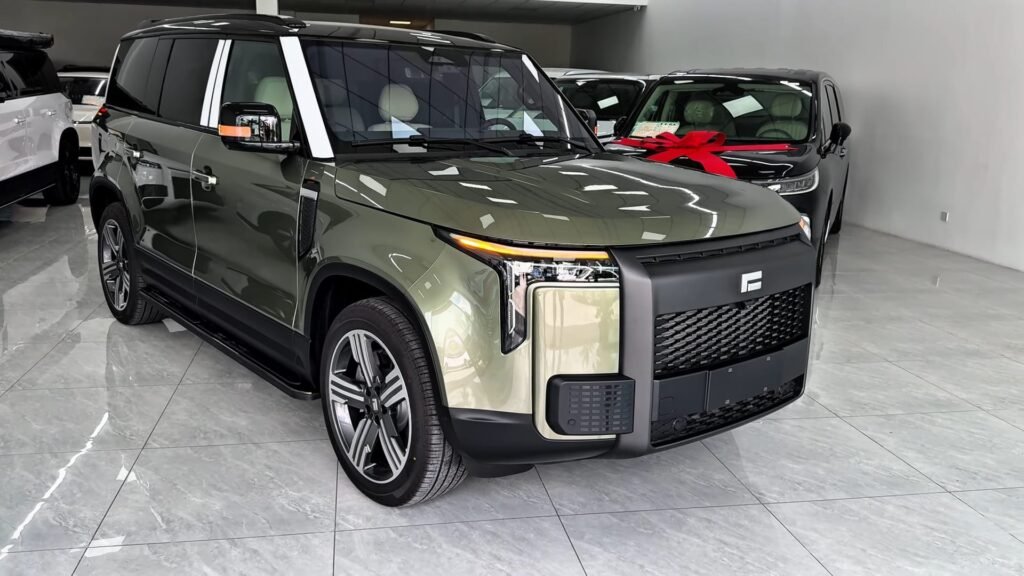
Notable features include:
- Integrated rear camping kitchen
- 270-degree deployable awning
- First-class second-row seating
- Water-depth detection system
It positions itself as a lifestyle vehicle rather than a pure urban luxury SUV.
6. Hongqi E-HS9 – Diplomatic Presence
Battery: ~120 kWh
Power: ~550 hp dual motor
Price: ~$80,000–$100,000 USD equivalent
Hongqi (meaning “Red Flag”) serves as China’s state luxury marque. The E-HS9 delivers imposing scale and traditional luxury cues — wood trim, crystal gear selector, air suspension.
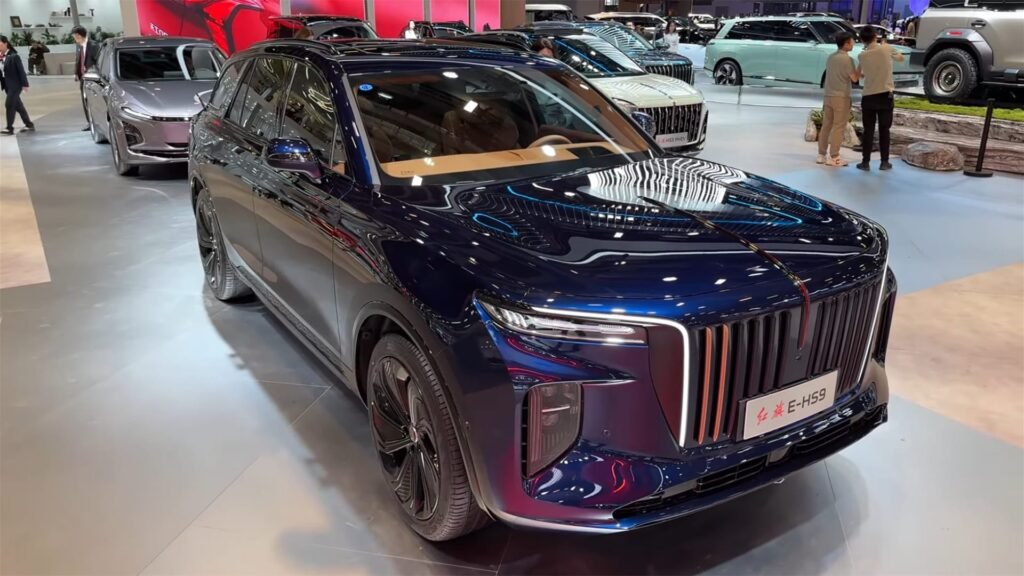
Often compared visually to the Rolls-Royce Cullinan, it targets buyers seeking prestige over sportiness.
7. Avatr 11 – The Design-Led Tech Collaboration
Joint Venture: Changan + CATL + Huawei
Platform: 750V
Power: ~578 hp
Price: ~$45,000 USD equivalent
Designed by the former BMW i8 designer, the Avatr 11 integrates Huawei ADS autonomous driving and multiple LiDAR units.
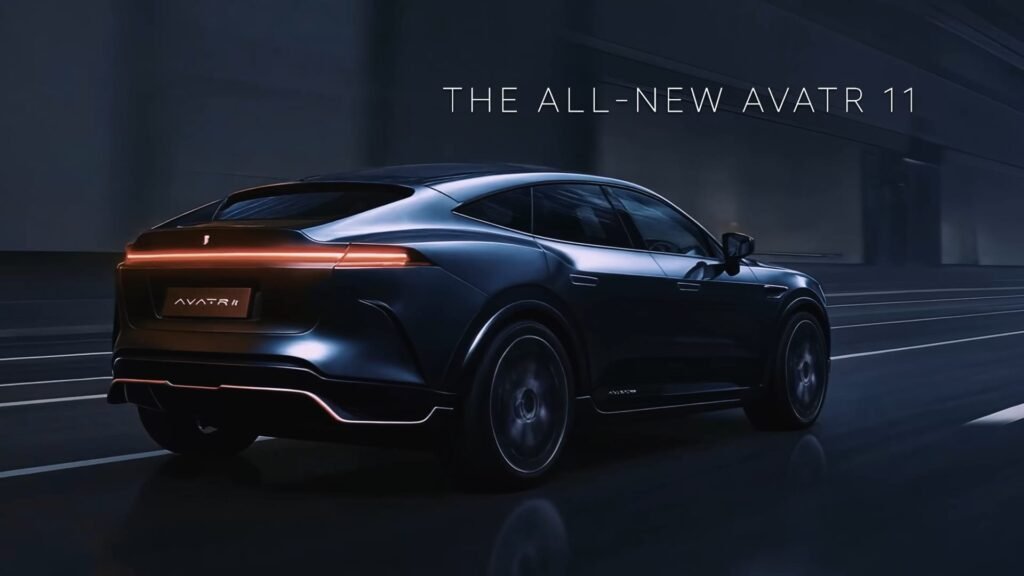
It emphasizes aerodynamic sculpture and digital communication features, including an exterior “halo screen” for pedestrian interaction.
8. Yangwang U8L – The Engineering Showcase
Parent Brand: BYD
Platform: e⁴ quad-motor
Power: ~1,200 hp
Price: ~$150,000 USD equivalent
The U8L is arguably the most technically radical SUV on this list.
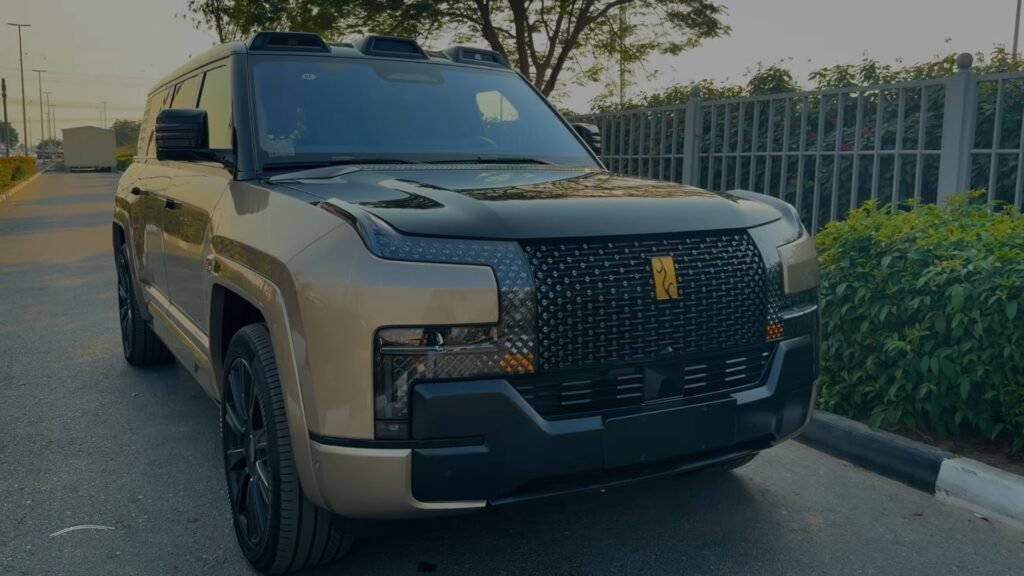
Engineering Highlights
| Feature | Capability |
|---|---|
| Quad Motors | Independent wheel torque |
| Tank Turn | 360° rotation on axis |
| Emergency Float Mode | ~30 minutes buoyancy |
| Suspension | DiSus-P hydraulic system |
| Drone Dock | Integrated DJI launch system |
The hydraulic suspension allows active ride-height control and advanced stability management rarely seen outside hypercars.
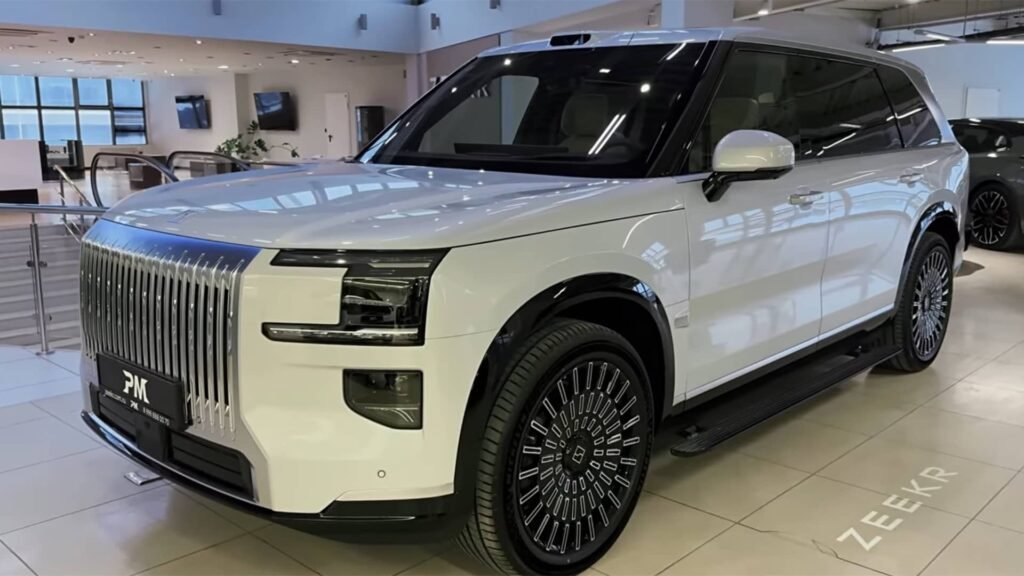
9. Zeekr 9X – Quad-Motor Hyper SUV
Power: ~1,300+ hp (estimated)
Architecture: Quad motor
Price (Rumored): ~$110,000 USD equivalent
Targeting the ultra-luxury performance tier, the 9X incorporates:
- Four LiDAR units
- Electromagnetic predictive suspension
- 38-speaker high-output audio
- Executive rear isolation partition
It competes conceptually with vehicles like the Range Rover Autobiography, but with significantly higher output.
10. Voyah Taishan 9L – The Range Anxiety Eliminator
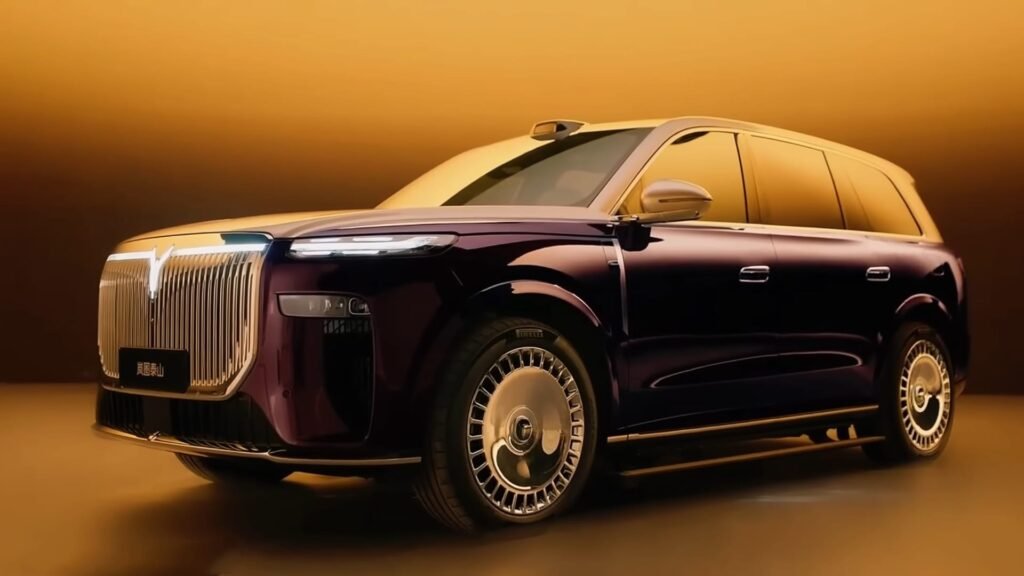
Battery: ~65 kWh
Powertrain: EREV
Total Range: ~900 miles combined (CLTC equivalent)
Power Output: ~800 hp
Starting Price: ~$60,000 USD equivalent
The Taishan 9L blends full EV daily usability with cross-country extended range flexibility.
Interior highlights include:
- 1.4-meter triple panoramic display
- AI-driven ambient mood system
- Biometric stress detection
- Fragrance integration
It addresses the primary Western EV objection: range limitations.
What This Means for the Global SUV Market
The shift is structural, not cosmetic.
Chinese manufacturers are:
- Deploying 800V+ architectures at scale
- Commercializing quad-motor systems
- Integrating LiDAR and AI ADAS aggressively
- Pricing aggressively relative to Western peers
They are not merely matching Tesla — they are experimenting beyond conventional industry norms.
What This Means for Canada
From an industry perspective, these vehicles demonstrate:
- Rapid scaling of 800V and multi-motor platforms
- Aggressive luxury-to-price ratio
- Sophisticated autonomy stacks leveraging LiDAR
- Interior innovation surpassing legacy brands
For Canadian buyers, the key considerations will be:
- Regulatory approval and safety compliance
- Service and parts infrastructure
- Cold-weather battery performance
- Long-term resale value
If even half of these models secure Canadian distribution by 2026–2027, the luxury SUV hierarchy will face significant disruption.
Final Thinking
The idea that Chinese vehicles compete primarily on price is outdated. In 2026, they compete on technology density, drivetrain sophistication, and experiential luxury.
For Canadian buyers evaluating next-generation SUVs, these ten models represent the most ambitious expressions of modern automotive engineering coming out of China.
The question is no longer whether they are competitive.
It’s whether traditional luxury brands are prepared for what’s coming next.