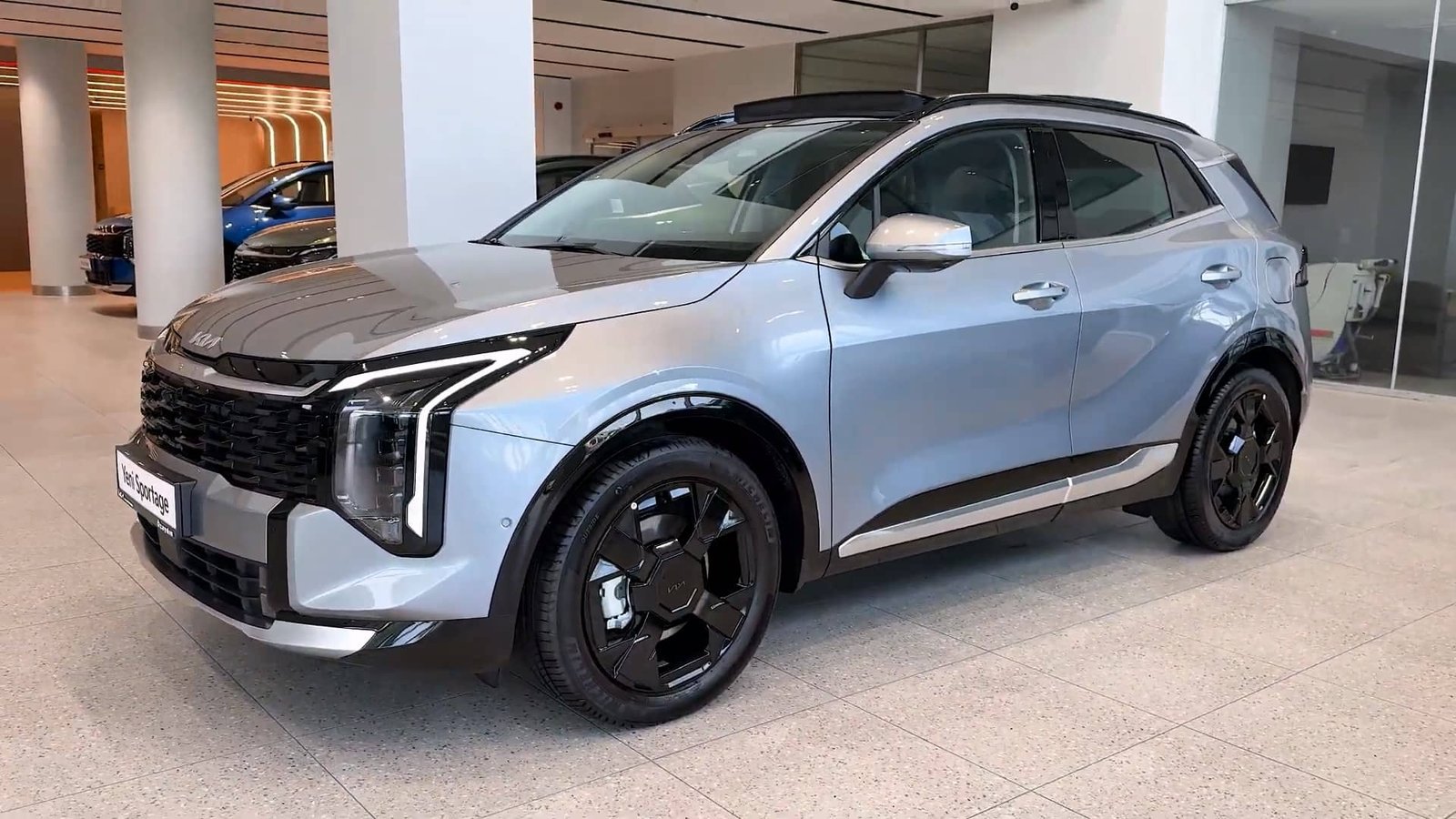
The automotive landscape is littered with bland, forgettable compact SUVs. But when the current-generation Kia Sportage launched, it didn’t just blend in; it arrived with a loud, stylistic bang. It was polarizing, yes, but impossible to ignore.
As we look toward the 2026 Kia Sportage, the question isn’t whether Kia will continue its aggressive design language, but whether they can fine-tune the engineering and usability to match the visual drama. Early indications and industry chatter suggest the 2026 model will focus heavily on refinement—addressing the minor flaws of the outgoing model while pushing the envelope in electrification and interior tech.
This is a critical vehicle for Kia. It needs to be more than just a head-turner; it needs to be a segment leader. Let’s dissect whether the 2026 Sportage is set to achieve crossover supremacy.
⚡ Powering the People: A Focus on the Hybrid Ecosystem
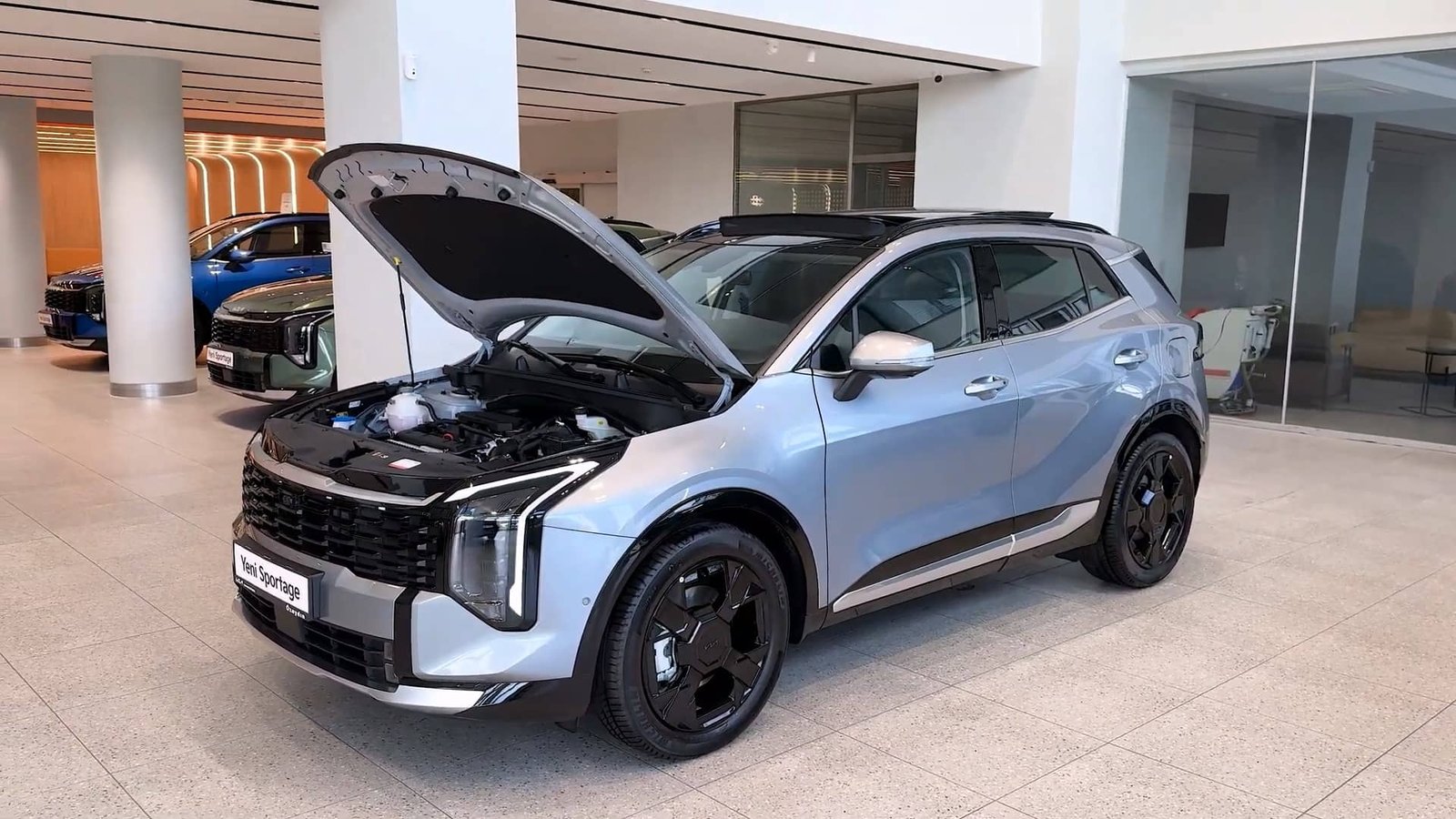
While the mainstream 2.5L naturally aspirated engine will likely remain as the baseline for affordability, the real story for the 2026 Sportage will be the maturation of its electrified options: the Sportage Hybrid (HEV) and Sportage Plug-in Hybrid (PHEV).
Kia is leveraging its E-GMP-derived technology to optimize efficiency without sacrificing the practical punch drivers demand.
Powertrain Projections for 2026
| Powertrain Variant | Engine/Motor Setup | Estimated Performance | Key Feature/Advantage |
| Standard Gasoline | 2.5L I-4, FWD/AWD | $\approx 187$ hp, 178 lb-ft | Entry-level affordability and proven reliability. |
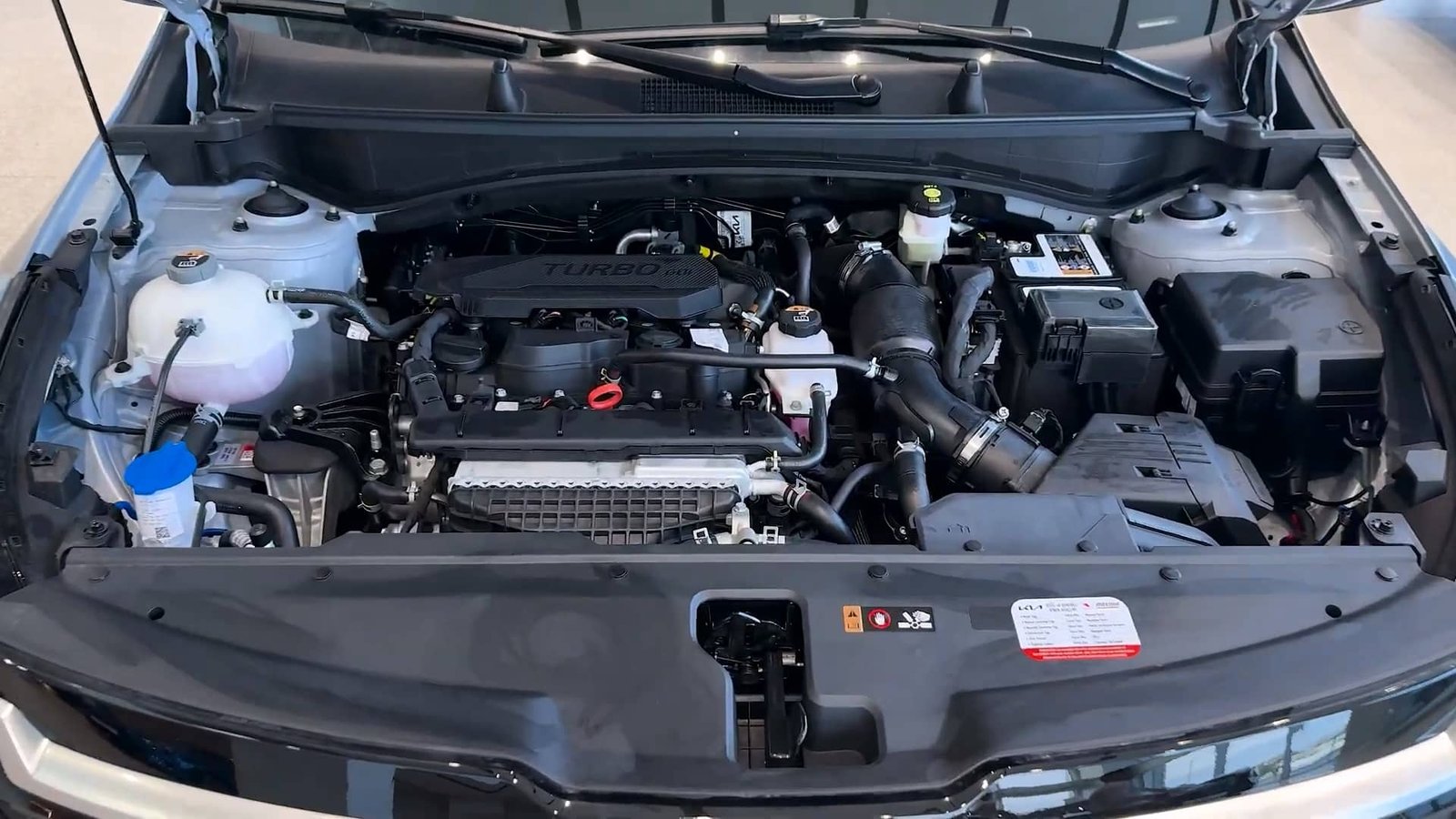
| Hybrid (HEV) | 1.6L Turbo I-4 + Electric Motor | $\approx 227$ hp Combined | Superior fuel economy with no range anxiety. Excellent low-end torque delivery. |
| Plug-in Hybrid (PHEV) | 1.6L Turbo I-4 + Larger Battery | $\approx 261$ hp Combined | Critical 35+ miles of pure electric range (Projected). Zero-emission commuting. |
My Analysis: The 1.6L Turbo hybrid combination is the sweet spot. It provides a significant bump in power over the base engine while delivering fuel efficiency figures that are genuinely competitive with market leaders like the Toyota RAV4 Hybrid. The PHEV, if the electric range target is met, makes it a true game-changer for urban commuters.
📐 Design & Ergonomics: Taming the Polarizing Look
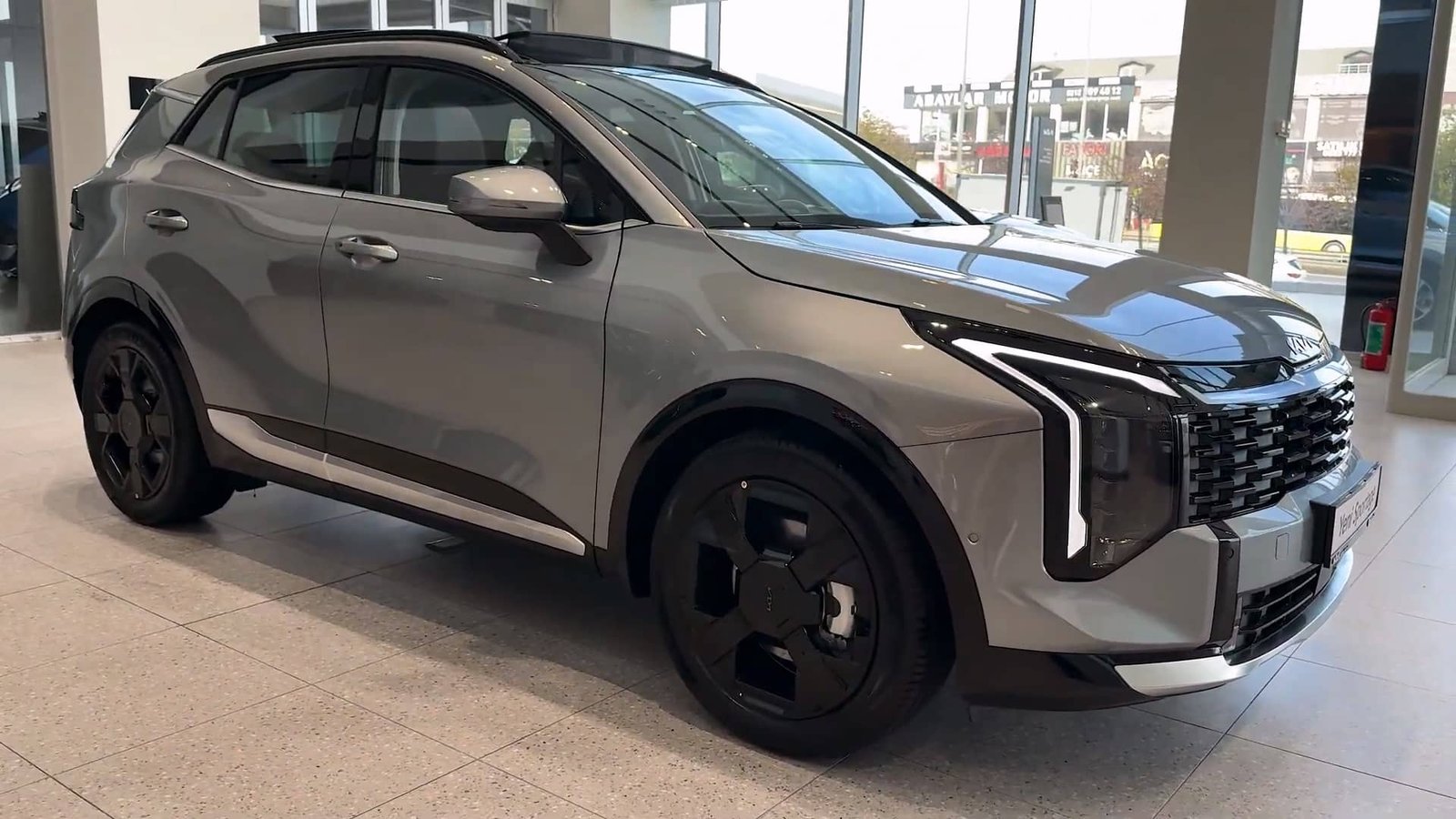
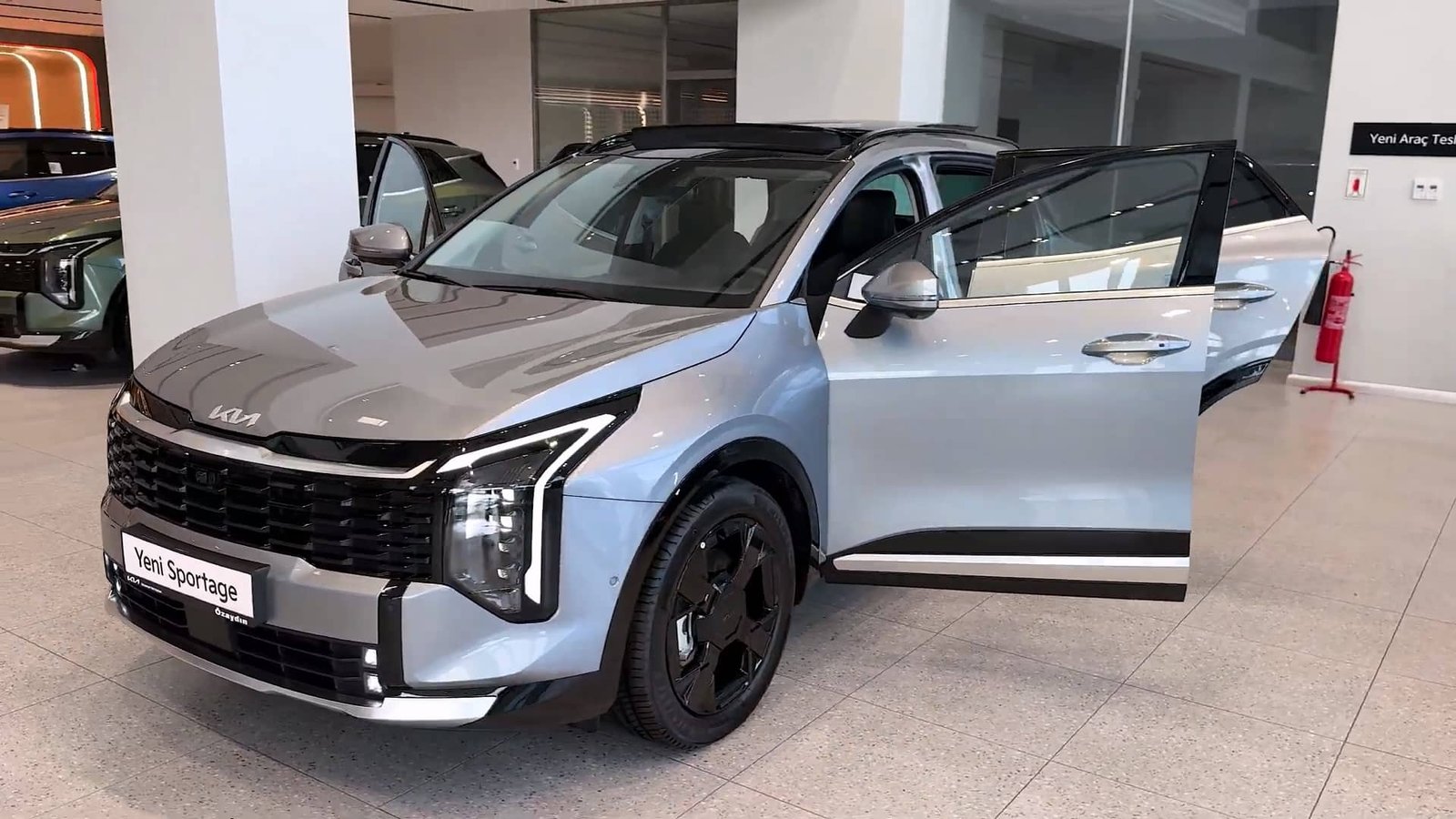
The current Sportage’s “Boomerang” LED DRLs and aggressive tiger-nose grille were controversial. For 2026, expect an evolutionary rather than revolutionary change. Kia will likely soften the edges, refining the fascia for better aerodynamic efficiency while retaining the bold, future-forward identity.
Interior Revolution Continues
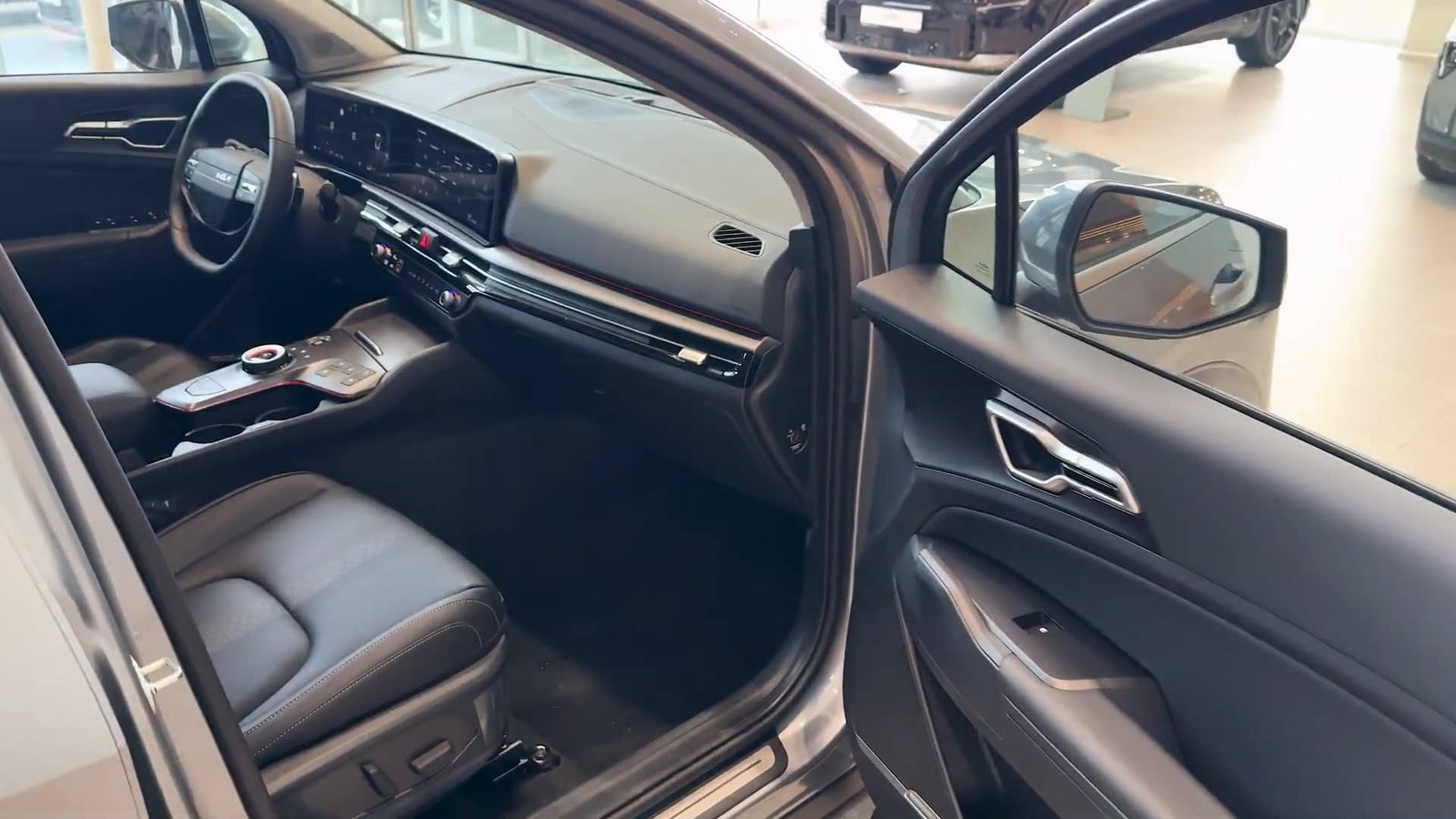
The biggest strength of the current generation is its cabin—a trend that the 2026 model will amplify.
- The Screen Real Estate: The integrated, curved display housing the 12.3-inch digital gauge cluster and the 12.3-inch infotainment touchscreen will be optimized for faster response times and better anti-glare properties.
- Tactile vs. Digital: The outgoing model was heavily criticized for its confusing dual-function climate/media control panel. Expect Kia to re-introduce more dedicated, physical buttons for primary climate controls, addressing a key pain point in driver usability and professional commentary.
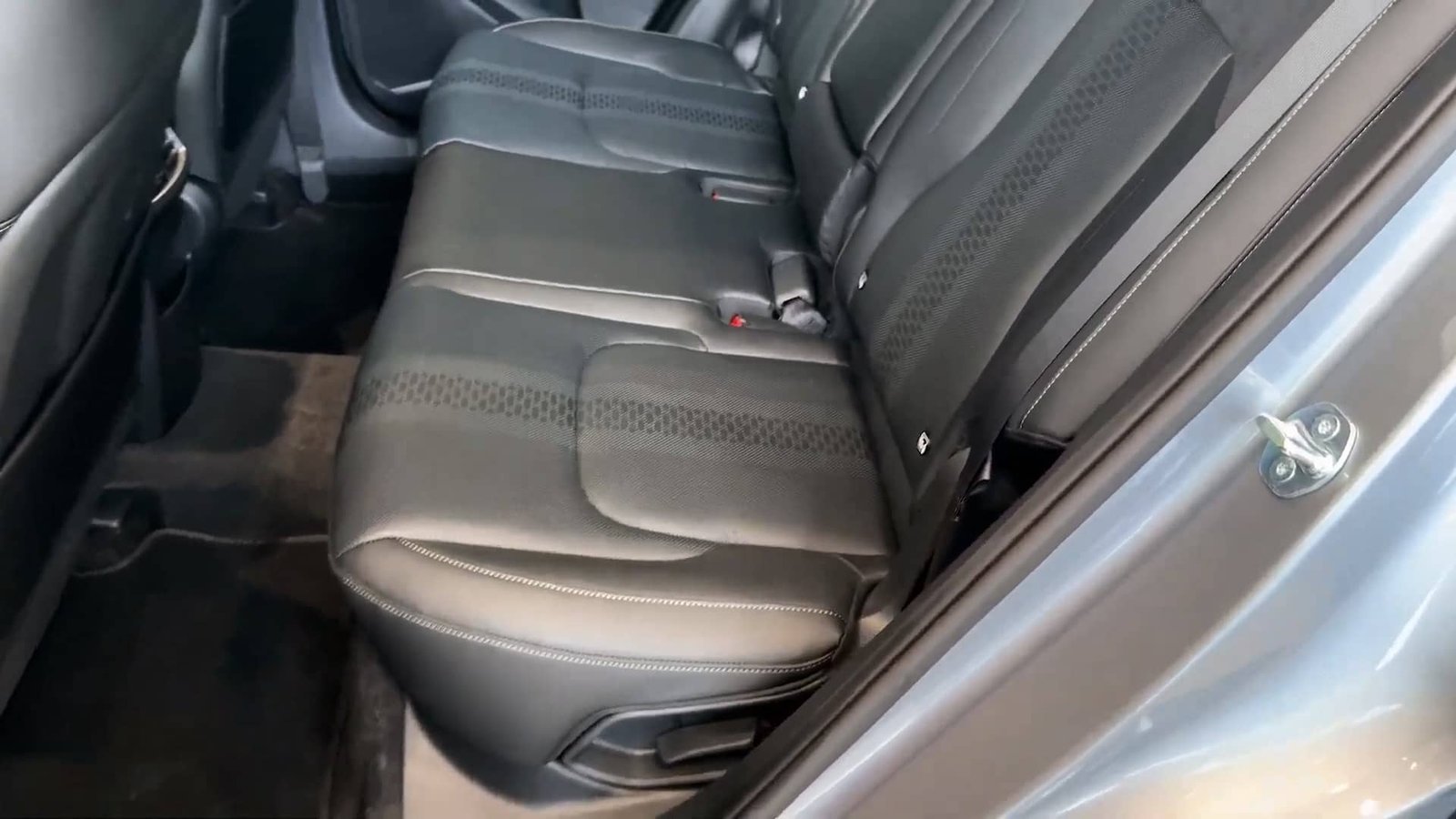
- The Comfort Factor: Expect continued class-leading rear legroom, a distinct advantage over competitors. The 2026 model will likely focus on higher-density cushioning and improved sound deadening, particularly crucial for the quiet operation of the hybrid models.

The Verdict: A Balanced Assessment
👍 Pros of the 2026 Sportage
- Design Authority: It stands out in a crowded segment. This is a car you want to look at, unlike many utilitarian rivals.
- Hybrid Value Proposition: The HEV/PHEV options provide best-in-class power and fuel efficiency balance, making them economically smart choices.
- Cabin Sophistication: The dual-screen setup and high-quality materials give the interior a premium feel that belies its price point.
- Advanced ADAS: Kia’s highway driving assist (HDA) is highly rated, offering near Level 2 autonomy for comfortable highway cruising.
👎 Cons to Consider
- Design Still Divisive: While refined, the look will still not appeal to drivers seeking a traditional, conservative crossover aesthetic.
- Base Engine Lag: The standard 2.5L, while reliable, can feel sluggish and less refined than the turbocharged rivals.
- Digital Control Complexity (TBD): Even with physical button changes, the overwhelming array of digital controls and settings can still be distracting to operate while driving.
- Long-Term Reliability: The complexity of the PHEV system, while appealing, means long-term maintenance costs are still a question mark compared to simpler gasoline models.
🎯 The Purchase Guide: Who Should Buy the 2026 Sportage?
| Buyer Profile | Recommended Variant | Rationale |
| The Urban Commuter | Sportage PHEV | Maximize fuel savings with electric-only commuting (35+ miles projected range). Excellent for those with home charging. |
| The Value Seeker | Sportage Standard (Gas) | Lowest entry price for the segment’s boldest styling. Focuses on core utility and space. |
| The Everyday Driver | Sportage Hybrid (HEV) | The ideal balance of performance (227 hp) and stellar fuel economy without the hassle of plugging in. The best all-rounder. |
| The Tech Enthusiast | Sportage SX-Prestige | Access to all the top-tier tech: advanced HDA, ventilated seats, premium Harmon Kardon audio, and full digital cockpit. |
The Final Takeaway
The 2026 Kia Sportage is not just an update; it’s a statement about where the mass-market crossover is heading. Kia is delivering a package that is equal parts bold design, advanced technology, and genuine powertrain versatility.
If Kia truly refines the ergonomics (especially the controls) and nails the PHEV electric range, the Sportage won’t just compete—it will be the benchmark for affordable sophistication in the compact SUV segment. It’s an ambitious, compelling vehicle that deserves serious consideration.
Reference: