Most buyers shop for luxury SUVs the wrong way.
They chase the badge, the horsepower number, the ambient lighting, or the Instagram factor. Six months later, they’re staring at a $4,000 repair estimate and wondering what went wrong.
After years around high-mileage drivetrains, auction vehicles, and post-warranty German metal, one truth stands out: the smartest luxury SUV purchase is mechanical, not emotional.
If you want luxury without financial punishment, you need three things:
- Depreciation has already flattened
- The drivetrain is overbuilt
- Parts are widely available and reasonably priced
The four SUVs below check all three boxes.
These are not hype picks. They are data-backed, platform-proven, mechanically sound vehicles that continue to perform long after trendier competitors collapse under complexity.
Comparison Overview
| Model | Engine Type | Known Major Risk | Price Range | Best For |
|---|---|---|---|---|
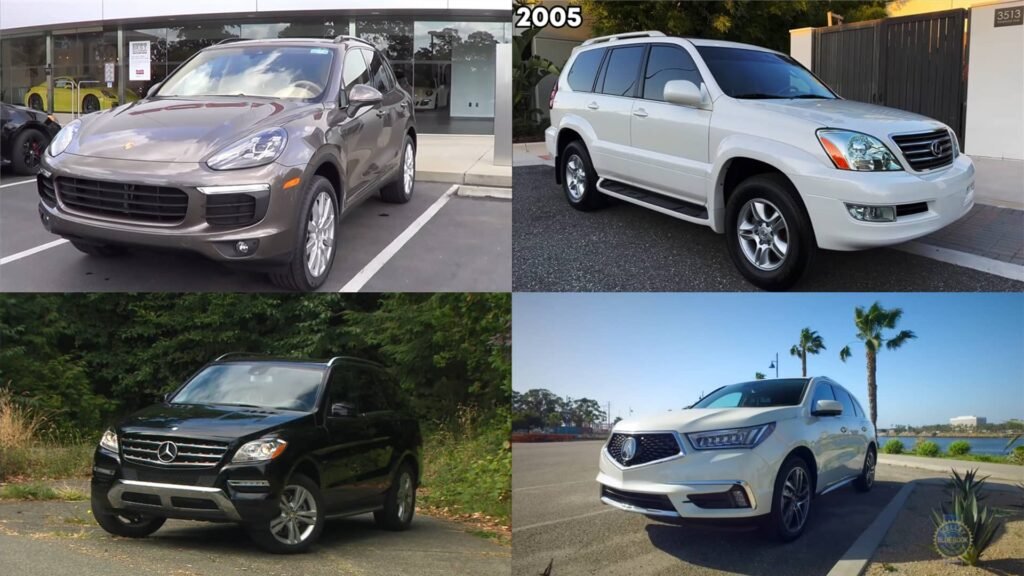
| Lexus GX 470 | 4.7L NA V8 | Timing belt neglect | $12k–$15k | Long-term durability |
| Porsche Cayenne 3.6 | 3.6L NA V6 | Air suspension wear | $15k–$20k | Performance + prestige |
| Acura MDX (2nd Gen) | 3.7L NA V6 | Transmission fluid neglect | $8k–$12k | Family practicality |
| Mercedes ML350 W166 | 3.5L NA V6 | Deferred maintenance | $12k–$18k | Balanced luxury |
What Makes a Used Luxury SUV Truly “Safe” to Buy?
Before diving into specific models, let’s define what separates a dependable luxury SUV from a money pit.
The Goldmine Criteria
| Criteria | Why It Matters | What to Look For |
|---|---|---|
| Depreciation Floor | You avoid further major value loss | 10+ years old, stabilized resale values |
| Naturally Aspirated Engine | Fewer failure points vs turbocharged setups | No turbochargers, simple cooling |
| Proven Transmission | Expensive failure point | Long production run, fluid service history |
| Parts Commonality | Reduces repair costs | Shared engines/components with mainstream brands |
| Strong Aftermarket Support | Keeps long-term costs manageable | Widely available OEM & aftermarket parts |
Now let’s break down four SUVs that meet these standards.
4. Lexus GX 470 (2003–2009)
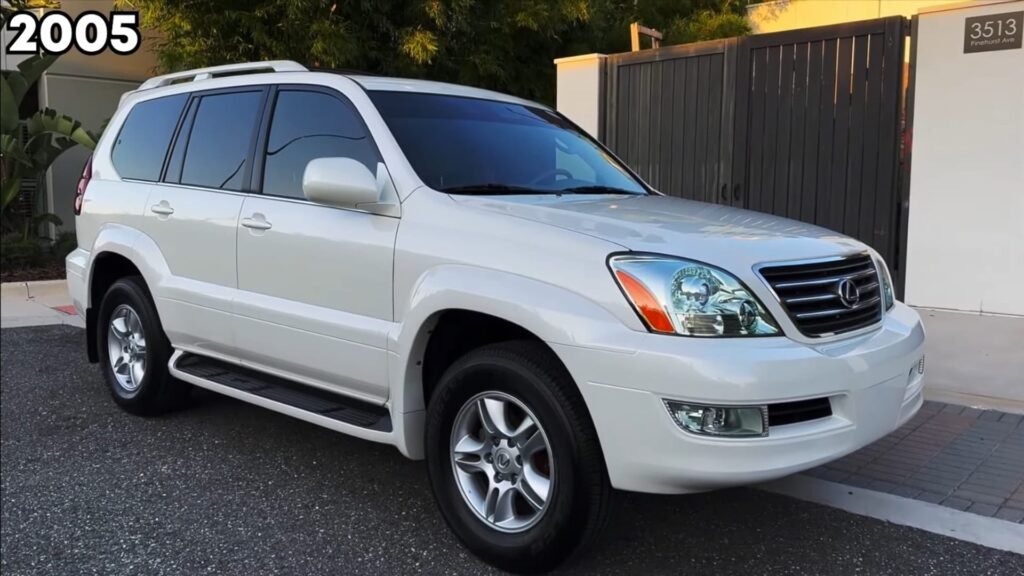
The Million-Mile Platform
Platform DNA: Lexus GX 470
Mechanical Twin: Toyota Land Cruiser Prado
Engine: 4.7L 2UZ-FE V8
There’s a reason seasoned technicians quietly call this the “forever SUV.”
Underneath the luxury trim sits one of the most durable body-on-frame platforms ever built. The 2UZ-FE iron-block V8 was designed for global markets where vehicles operate in extreme conditions with minimal maintenance.
Why It Lasts
- Cast iron block resists heat stress
- Conservative power output relative to displacement
- Non-interference engine (with proper timing belt service)
- Overbuilt 5-speed automatic transmission
- Traditional hydraulic power steering
Real-world longevity commonly exceeds 300,000–400,000 miles with scheduled maintenance.
Current Market Reality
| Average Price | Mileage Range | Depreciation Status |
|---|---|---|
| $12,000–$15,000 | 150k–220k miles | Fully bottomed |
Compared to a $75,000 new SUV losing half its value in five years, the GX 470 is already at its depreciation floor.
What to Inspect
- Timing belt + water pump service records
- Frame rust (especially in northern states)
- Suspension bushings
- Rear air suspension (optional)
If maintenance history is clean, this is arguably the safest long-term luxury SUV purchase under $15,000.
3. Porsche Cayenne 3.6 V6 (2011–2016)
The Smart Porsche Nobody Talks About
Model: Porsche Cayenne
Engine Family: Volkswagen-derived VR6 architecture
Most buyers chase the twin-turbo V8 variants. That’s where repair bills escalate quickly.
The naturally aspirated 3.6L V6 is the rational choice.
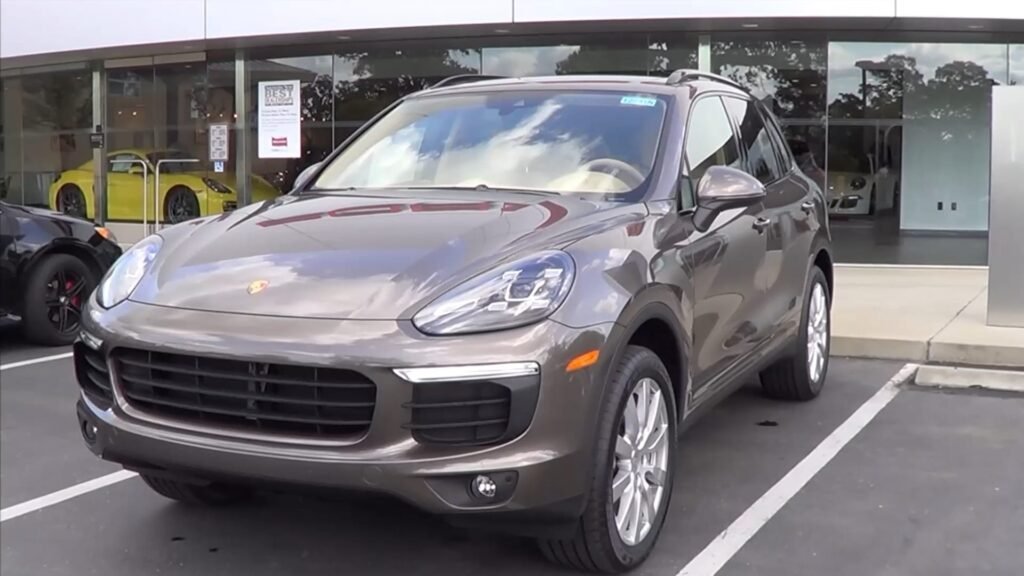
Why This Version Works
- No turbochargers
- Simpler cooling system
- Proven engine architecture used across VW Group products
- ZF 8-speed automatic transmission (widely respected for durability)
In practice, these engines regularly surpass 150,000 miles with routine service.
The Air Suspension Factor
Like many German SUVs, optional air suspension can fail over time. However:
- Coil conversion kits are affordable
- Aftermarket air struts cost far less than OEM replacements
Market Snapshot
| Average Price | Mileage Range | Value Proposition |
|---|---|---|
| $15,000–$20,000 | 90k–140k miles | Porsche driving dynamics at mainstream maintenance cost |
You get the badge, interior quality, and road manners of a Porsche—without turbocharged complexity.
2. Acura MDX (2007–2017, Second Generation)
The Family SUV That Outlasts Expectations
Model: Acura MDX
Engine: J37 3.7L V6
Drivetrain: SH-AWD (Super Handling All-Wheel Drive)
The second-gen MDX represents peak naturally aspirated Honda engineering before widespread turbocharging and CVT adoption.
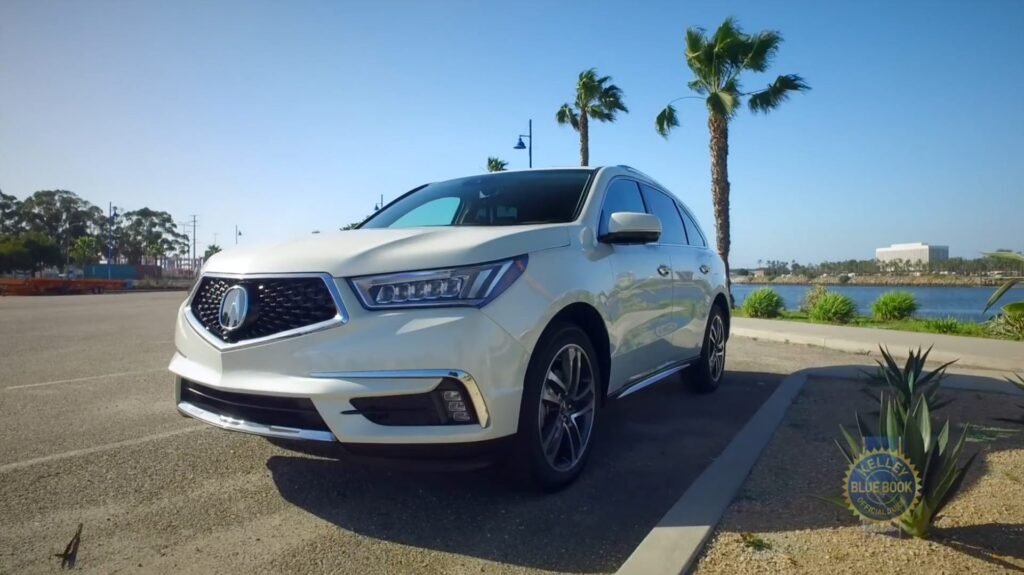
Why It’s Durable
- J-series V6 engines have decades of refinement
- Conventional automatic transmission
- Mechanical torque-vectoring AWD system
- Widely available and affordable parts
These vehicles routinely exceed 250,000 miles with documented maintenance.
Ownership Economics
| Average Price | Seating | Reliability Profile |
|---|---|---|
| $8,000–$12,000 | 7 seats | Low major failure rate |
Critical Inspection Item
Transmission fluid condition is essential. Regular fluid changes prevent the common Honda automatic failure pattern.
A well-maintained MDX delivers luxury-level comfort with mainstream service costs.
1. Mercedes-Benz ML 350 W166 (2012–2015)
The Last Naturally Aspirated Mercedes SUV Worth Buying
Model: Mercedes-Benz ML 350
Engine: M276 3.5L V6
This generation represents a transitional period before widespread turbo downsizing.
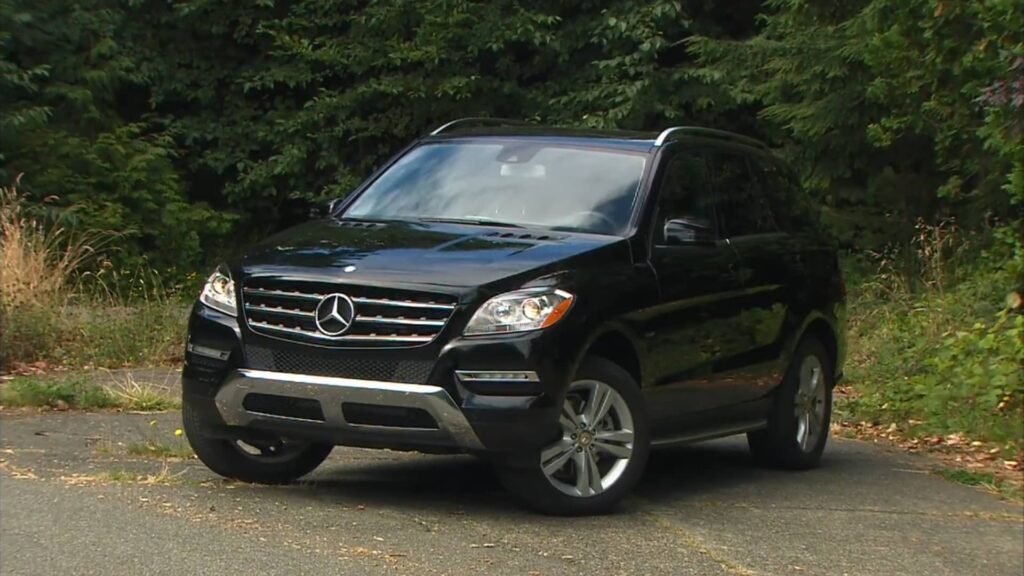
Why It Stands Out
- Naturally aspirated M276 V6
- 7G-Tronic automatic transmission
- Refined but not overly digitized interior
- Solid chassis engineering
The key is avoiding turbocharged ML550 and AMG variants, which introduce complexity and higher failure rates.
Market Pricing
| Average Price | Mileage Range | Ownership Risk |
|---|---|---|
| $12,000–$18,000 | 80k–130k miles | Moderate if serviced properly |
Fear of German repair costs suppresses resale values, creating opportunity for informed buyers.
The Anti-Scam Inspection Checklist
Before buying any used luxury SUV:
1. Oil Cap Inspection
Milky residue = coolant contamination. Walk away immediately.
2. Cold Start Evaluation
Listen for timing chain rattle or prolonged ticking.
3. Transmission Road Test
Shifts should be smooth and nearly imperceptible.
4. Undercarriage Inspection
Active leaks are a red flag. Minor seepage may be normal on older vehicles.
5. Service Records > Mileage
A documented 200k-mile SUV is safer than an undocumented 80k-mile one.
Luxury Without Financial Self-Sabotage
Luxury ownership does not require financial risk—only mechanical awareness.
- The GX 470 offers Land Cruiser-grade durability.
- The Cayenne 3.6 delivers German engineering without turbo fragility.
- The MDX provides long-term family utility.
- The ML350 represents the last relatively simple Mercedes SUV.
If you buy emotionally, you inherit someone else’s deferred maintenance.
If you buy mechanically, you inherit engineering.
The smartest buyers understand the difference.
Which one fits your garage?