In 2024, Porsche achieved an operating profit of 5.637 billion euros, far surpassing the combined profits of its German counterparts, Bentley and Lamborghini—the latter two together amounted to only 20% of Porsche’s figure. However, behind this impressive number lies a stark reality for the first half of 2025: a staggering 67.1% year-on-year plunge in operating profit to a mere 10 billion euros. How does this Decline happen? This is not an isolated financial fluctuation but a systemic crisis rooted in profound shifts in market structure, technological paradigms, and wealth cycles. Porsche’s predicament serves as a sobering alarm for the entire traditional luxury automotive industry.

I. The Sales Cliff: China’s Market Transforms from Engine to Brake
China, once Porsche’s largest single global market and the unequivocal engine of its growth over the past decade, has now become a significant drag. The latest financial reports mention “China” 264 times, more often as a risk warning than an opportunity signal.
The Harsh Reality Revealed by Data:
- Sales Decline: In the first half of 2025, Porsche’s sales in China barely exceeded 21,000 units, a nearly 30% drop from approximately 29,600 units in the same period last year, significantly higher than its global average decline.
- Stark Contrast: This figure is even less than the monthly sales of some leading domestic Chinese premium new energy vehicle (NEV) brands. For context, Ferrari, seen as an ultra-luxury marque, sold only 814 units in mainland China for the entire year of 2024, a 33.33% year-on-year decrease, with sales continuing to shrink by nearly 20% in the first half of 2025. This clearly indicates a “demand evaporation” in the super-luxury segment.
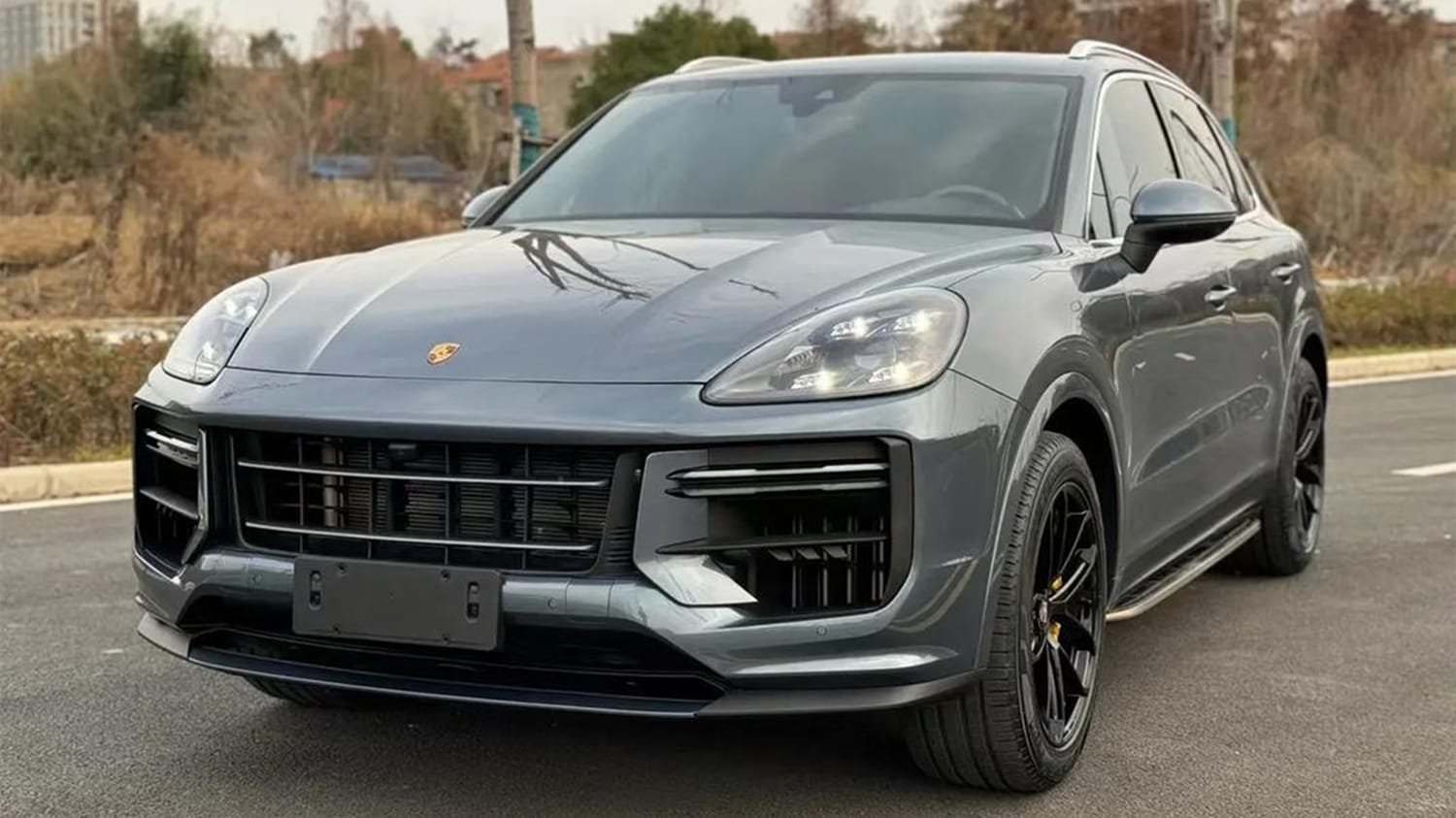
- Erosion Across Price Segments: Specifically, sales of Porsche’s core SUV models, the Cayenne and Macan, fell below 20,000 and 10,000 units respectively in 2024. The Panamera, a flagship sedan in the million-RMB range, also saw sales plummet from nearly 20,000 units in 2023 to just over 15,000 in 2024, a decline of about 25%.
The immediate causes for this downturn are dual shifts in the wallets and preferences of China’s high-end consumers.
II. Disruptive Impact: Electrification as Value Reconstruction, Not Mere Replacement
The rise of Chinese new energy vehicles is seen as the visible culprit behind Porsche’s decline. However, its true disruptive power lies not in simple performance parameter superiority, but in fundamentally redefining the concept and value system of “luxury.”
1. A Dimensional Shift in Technology Paradigm:
Porsche’s core moat was built over more than 70 years of mechanical refinement and motorsport heritage in the internal combustion engine era. A classic example is the Cayenne, which shares its platform and major hardware with the Volkswagen Touareg and Audi Q7, yet commands a brand premium of 300,000 to 400,000 RMB due to precise powertrain calibration and chassis tuning. However, the heart of an electric vehicle (EV) lies in its three-core systems (battery, motor, electronic control) and software algorithms. When Xiaomi’s SU7, during its launch event, conceded that “after benchmarking against the Porsche Taycan for three years, we found the gap is still significant,” yet offered comparable or even superior 0-100 km/h acceleration and intelligent features at less than one-third of the Taycan’s price, it directly undermined the logic of “performance premium” for traditional luxury cars.
2. A Fundamental Shift in Consumption Logic:
The purchasing decisions of the new generation of high-net-worth individuals are shifting from “brand-driven” to “value-and-experience-driven.”
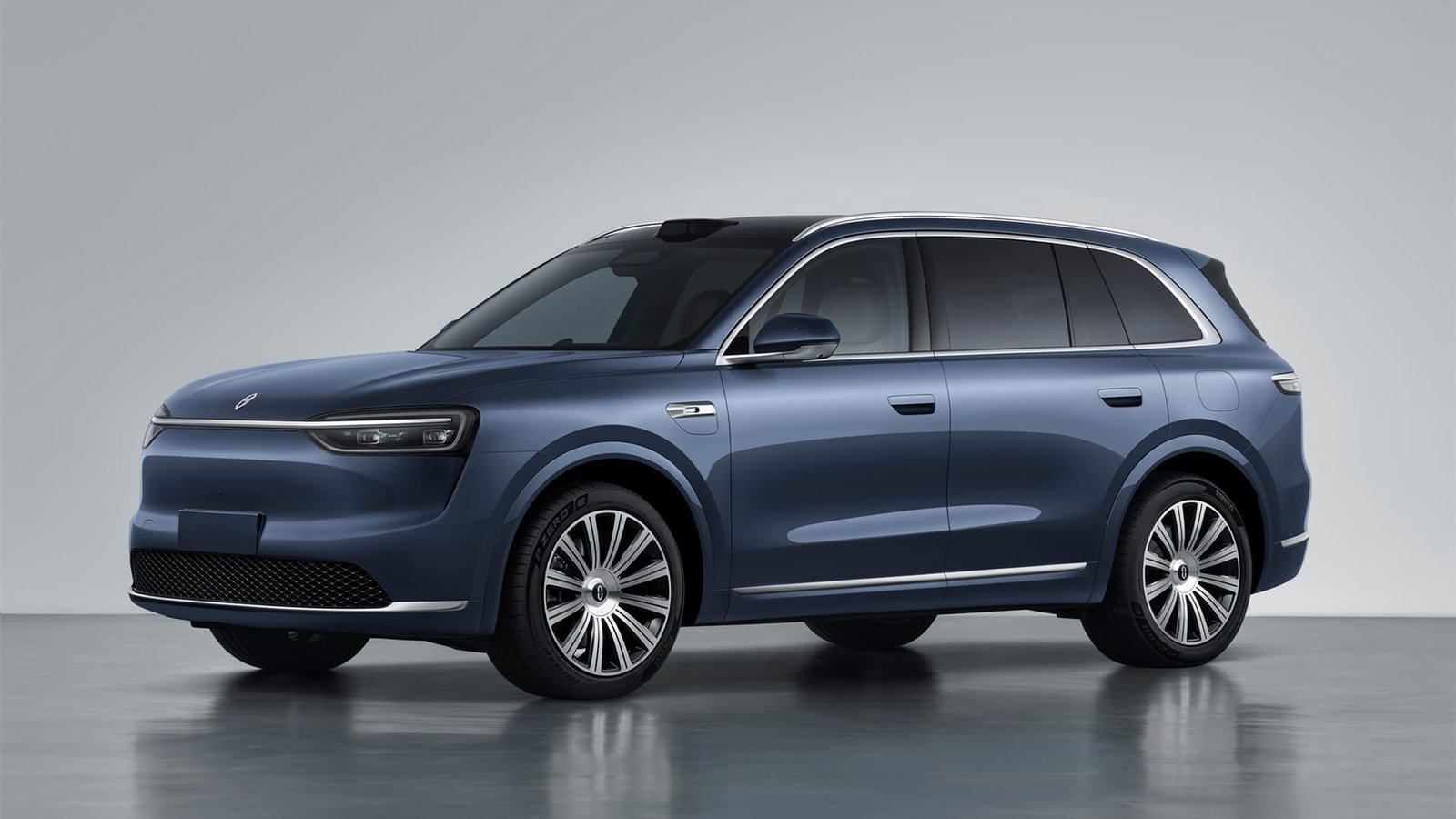
- From “Face” to “Substance”: In the past, a Porsche was a hard currency of status and success. Today, domestic premium intelligent EVs like the AITO M9 and Li Auto L9 offer a more tangible and practical “tech-luxury” experience with their “mobile living room” intelligent cabins, advanced driver-assistance systems, and over-the-air updates. Li Auto’s claim of the L9 being “the best family SUV under 5 million RMB” precisely targets this value shift.
- Scenario-Based Competition: The driving pleasure represented by Porsche remains an important scenario, but it is no longer the only one. In diverse scenarios like urban commuting, family travel, and business reception, factors such as quietness, spaciousness, and intelligent interaction carry increasing weight—areas where domestic NEV brands excel.

III. The Wealth Cycle: The Overlooked Macroeconomic “Undercurrent”
However, attributing everything to the NEV impact is one-sided. Another crucial, yet often overlooked, factor is the loosening foundation of wealth that underpins ultra-luxury consumption.
Trends Revealed by Wealth Reports:
- Contraction of High-Net-Worth Households: Reports from the Hurun Research Institute show that the number of Chinese households with assets of 10 million RMB (high-net-worth) declined for two consecutive years in 2023 and 2024, with the decline rate higher for larger asset brackets.
- “Diluted” Wealth: The UBS Global Wealth Report provides a more nuanced picture: while the number of US-dollar millionaires in mainland China slightly increased in 2024, their per capita real wealth, adjusted for inflation, actually shrank. This implies that the purchasing power of a significant portion of the decamillionaire wealth group is sliding towards the ordinary millionaire level.
- Strong Correlation with Sales: Historical data shows that fluctuations in Porsche’s deliveries across major global markets closely align with the economic growth and wealth accumulation curves of high-net-worth individuals in those regions. For instance, the economic impact of the pandemic in Europe and America in 2020 was directly reflected in that year’s delivery decline.
Industry-Level Corroboration: The effect of this wealth dynamic is widespread. Not only are traditional luxury brands like Porsche and Ferrari feeling the chill, but some higher-priced premium NEV models are also hitting growth bottlenecks. For example, sales of the AITO M7 and Li Auto L7 saw significant year-on-year declines in the first half of 2025. Industry data shows that from January to April 2025, the market share of NEVs priced above 400,000 RMB dropped to 3.2% from 4.7% in 2023, indicating a clear consumption shift towards the sub-300,000 RMB market.
IV. The Nature of the Dilemma: Cyclical Fluctuation or Paradigm Revolution?
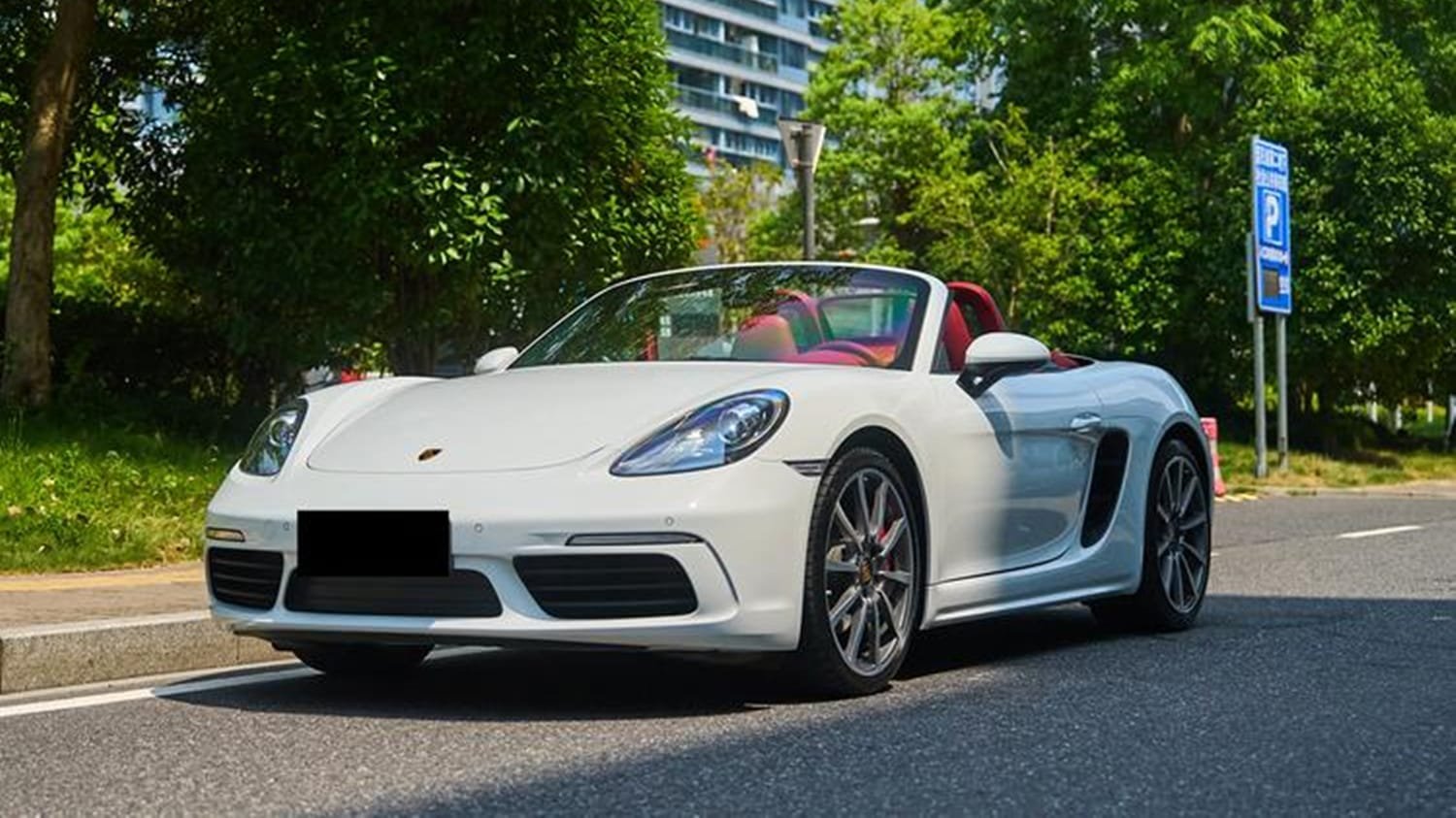
This is not Porsche’s first crisis. In the early 1990s, the company staged a remarkable turnaround from the brink of bankruptcy with the launch of the entry-level sports car, the Boxster. Its history demonstrates that a company with a strong brand core and technical moat can weather economic cycles—as one wave of the wealthy recedes, another wave of nouveaux riches typically rises to fill the market.
However, this crisis is fundamentally different:
It is not merely a cyclical downturn but a triple pressure combining a technological paradigm revolution (electrification and digitalization) with a shift in societal wealth structures. This is analogous to:
- The mechanical typewriter giant facing the rise of the personal computer.
- The functional phone king Nokia confronting the smartphone tsunami.
The shift in technological pathways has significantly diminished the potency of Porsche’s once-impregnable trinity of barriers—”engine, transmission, chassis tuning”—in the new race defined by “batteries, chips, and algorithms.” Meanwhile, fluctuations within the wealth strata are directly shrinking its core customer base.
V. The Path Forward: Redefining “Luxury” Amidst Upheaval
Faced with this dilemma, the reactions of traditional luxury carmakers are telling. Some European automakers have publicly stated intentions to “delay full electrification targets.” But market trends wait for no one: the penetration rate of new energy vehicles in the German market has rapidly climbed from 18% in the first half of 2024 to 28% in the first half of 2025. The share of NEV sales for Mercedes-Benz, BMW, and Audi has already reached 20%, 26%, and 17%, respectively.
For Porsche, the keys to survival and revival lie in:
- Transcending “ICE-to-EV Conversion” with Genuine Electrification Innovation: Moving beyond simply placing electric motors into existing architectures. A complete overhaul—from electronic/electrical architecture and software platforms to user experience—is needed to reinterpret its “soul” of driving dynamics in the language of electrification.
- Deep Localization and Embracing China’s Intelligent Ecosystem: Proactively collaborating with leading Chinese tech companies and smart driving solution providers to address shortcomings in software, intelligent cockpits, and localized service experiences.
- Re-narrating the Brand Story: Evolving the “motorsport DNA” from mere mechanical performance to a broader pursuit of ultimate experience, sustainable luxury (e.g., parallel development of e-fuels and pure electric), and personalized lifestyle.

The Turn of an Era
The fall of Porsche is a landmark event. It clearly signals: the old order is disintegrating, and new rules are being written. The luxury car market is transitioning from an “old luxury” defined by history, displacement, and mechanical complexity, to a “new luxury” defined by innovation, sustainability, and personalized experience. This transformation relentlessly washes over all participants, regardless of their glorious past. Whether Porsche can complete its metamorphosis in this trans-cyclical “trial” will determine if it becomes the next writer of continued legends or merely another footnote run over by the wheels of time. History waits for no one. The world remains forever young, and corporations must learn to dance with change.