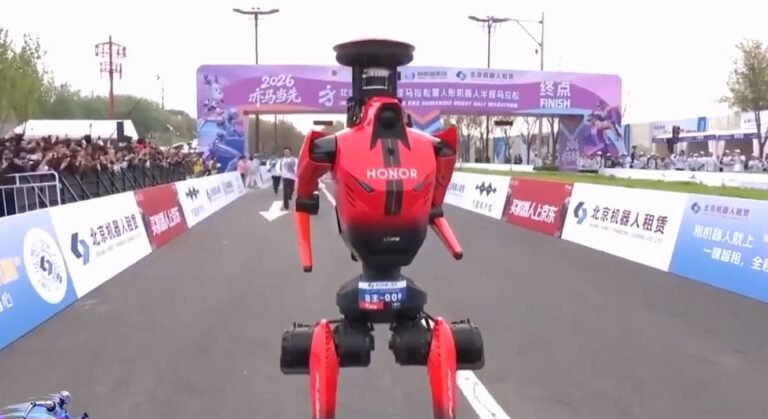
For more than a decade, humanoid robots have looked impressive in research videos but struggled to leave the lab.
That changes in 2025.
This year, we finally see industrial deployments, commercial pre-orders, credible mass-production plans, and—equally important—clear technological divergence. Some companies bet on AI “brains” trained end-to-end from video; others push hardware to superhuman athletic limits; some favor safety and soft robotics; a few chase household adoption despite unresolved autonomy challenges.
After a week of evaluating the field, reviewing data, prototypes, and published materials, I have narrowed the landscape to 10 representative humanoid robots that collectively define the state of the industry. Here we will make a comparison in Brains, Bodies, Real-World Performance, and Commercial Readiness, Etc.
1. Tesla Optimus (USA) — The Mass-Manufacturing Visionary
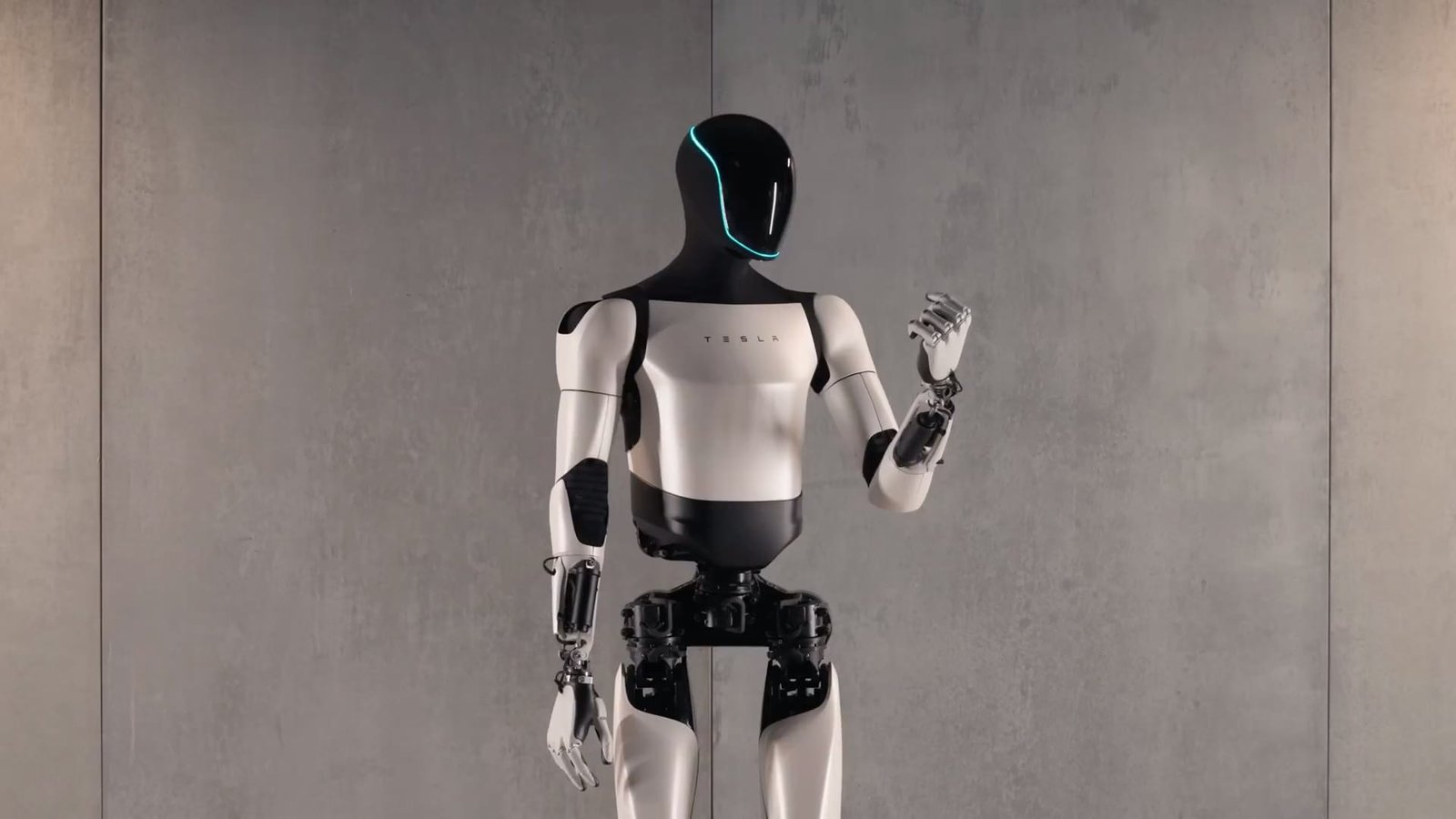
A General-Purpose Robot Aiming for Human-Like Dexterity
Tesla’s Optimus V2.5, updated in late 2025 with its now-iconic gold-accented finish, is the most ambitious attempt to pair a humanoid body with a large-scale autonomy system. Built around Tesla’s modular actuator architecture, the robot stands 173 cm, weighs 57 kg, and features 22-DOF dexterous hands plus additional wrist DOFs that enable fingertip-level manipulation—one of the hardest challenges in humanoid robotics.
An AI Brain Borrowed From Full Self-Driving
What makes Optimus unique is Tesla’s attempt to reuse its massive FSD end-to-end neural network to control a robot body. The theory: if the AI can learn to perceive and act from video, it can learn robot skills the same way.
In practice, Tesla still relies heavily on real-world demonstration videos by employees—wiping tables, folding towels, assembling small parts—suggesting the end-to-end learning pipeline is still maturing. Internal delays with the hand hardware further slowed production; Tesla built only a few hundred units instead of the originally announced 5,000 for 2025.
Reality Check
Tesla targets 50,000–100,000 units in 2026 and long-term pricing around $20,000–$30,000. These projections are bold, and geopolitical + supply-chain risks add uncertainty.
Optimus remains the most strategically disruptive project—but still far from mass deployment.
Reference: Tesla Optimus Robot (USA)
2. Figure 03 (USA) — The Ambitious Challenger to Optimus
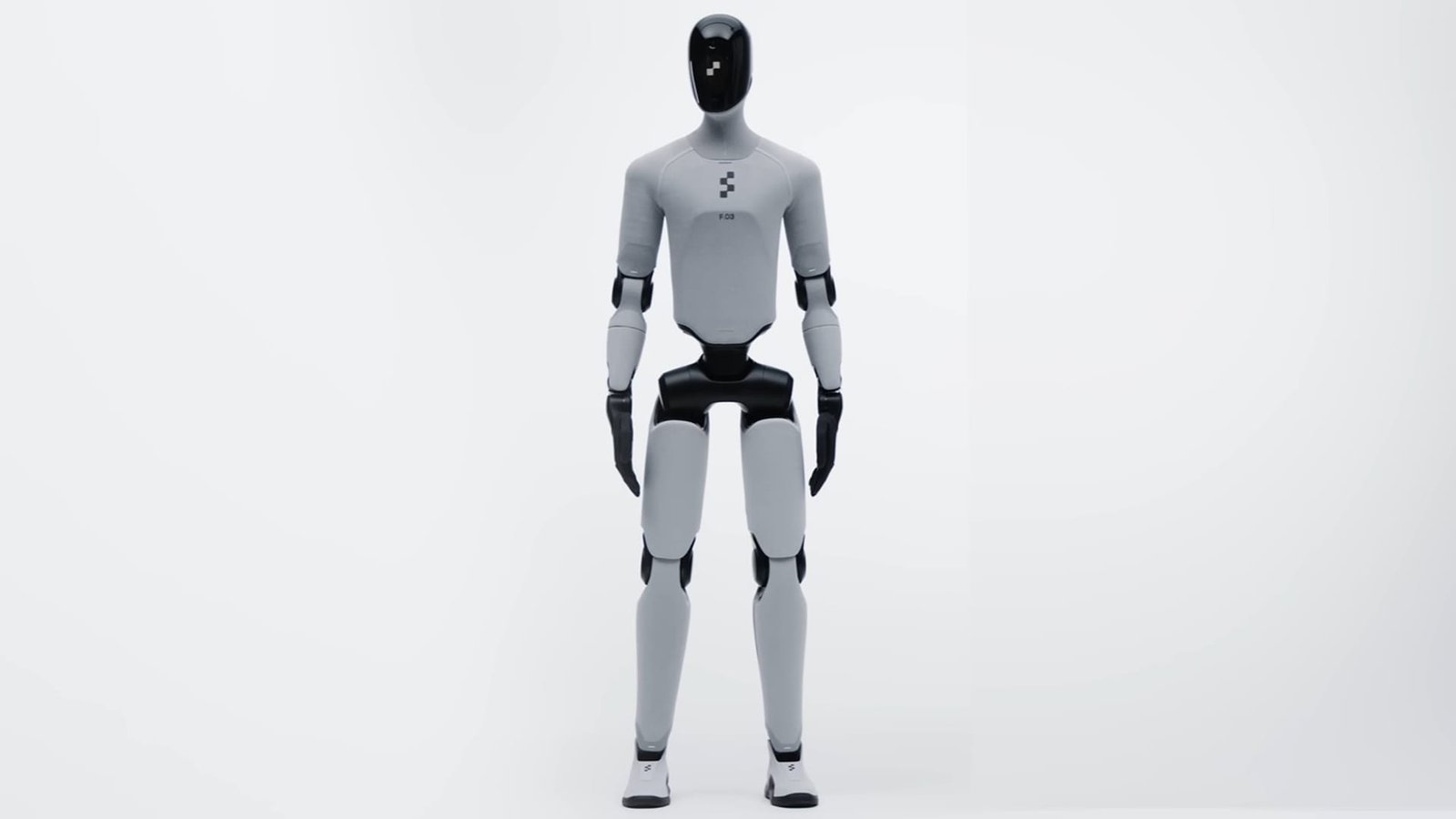
A Home-And-Factory Hybrid Design
Figure’s 03 model received TIME’s “Best Inventions 2025” recognition for good reason. It merges elegant biomechanics—quiet walking, fingertip-level force sensing down to 3 grams, replaceable “plant-based” synthetic skin, integrated palm cameras—with a general-purpose design.
The Helix VLA Brain
Figure promotes its Helix VLA as a fully end-to-end multimodal policy network handling vision, language, and action. It combines high-frequency motor control with scene understanding and conversational interaction.
The challenge? The model still relies on roughly 500 hours of high-quality human teleoperation videos—small compared to Tesla’s simulation ecosystem. Recent legal disputes involving former safety staff also raised questions about internal processes.
Real-World Deployment
Two Figure robots completed 11 months of work in BMW’s factory, contributing to the production of roughly 30,000 vehicles. Scale-up plans target 12,000 units/year by 2026.
Figure is technically exciting but must prove Helix can generalize beyond curated demonstrations.
Reference: Figure 03 (USA) Video
3. XPeng Aion (China) — The Most Human-Like Robot of 2025

A Stunningly Natural Appearance and Motion
XPeng’s Aion went viral in November 2025 with runway-style walking so natural that audiences assumed there was a human inside. XPeng had to cut open the robot on camera to prove authenticity.
Standing 178 cm, weighing 70 kg, and featuring 82 degrees of freedom, Aion introduces:
- A bionic spine and muscle system
- Full-solid-state battery architecture (industry first for humanoids)
- A fully customizable face, skin, and even gender presentation
A High-Bandwidth Physical-World Foundation Model
XPeng combines VLT + VLM + VLA into its physical-world model, trained to convert visual input directly into motion without language intermediaries. With three Turing chips delivering 2250 TOPS, Aion emphasizes real-time responsiveness.
Commercial Plans
XPeng has begun test deployments in its P7 factory and plans volume production in late 2026.
The open question: does extreme human-likeness translate to productivity? Or is Aion over-optimized for appearance during a phase where the market prioritizes actual labor output?
Reference: IRON: XPENG’s Humanoid Robot Official
4. 1X Neo (Norway/USA) — The First Mainstream “Home Robot” Hopeful
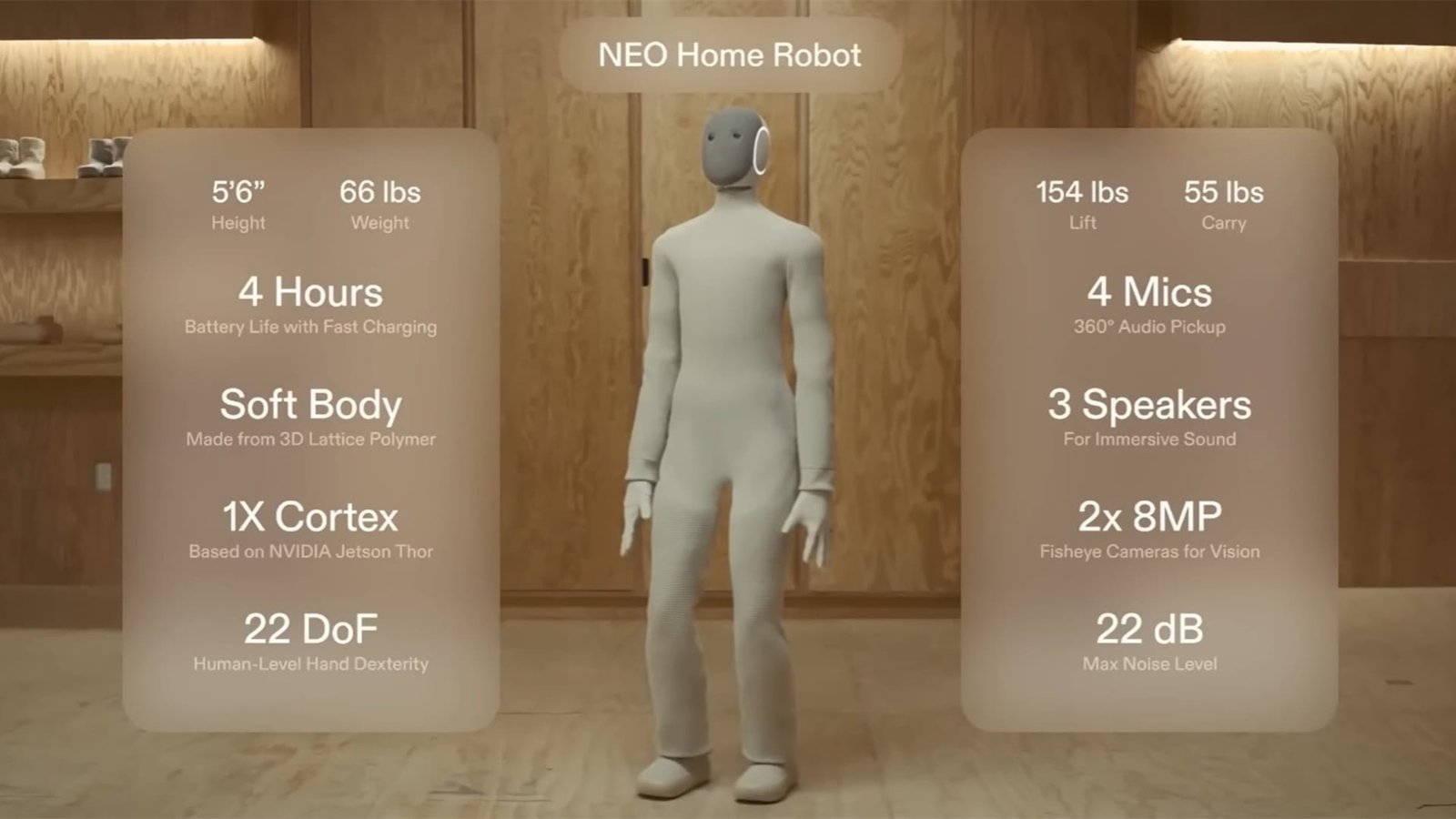
Soft Robotics and Safety-First Design
1X Neo, one of the internet’s most viral robots of 2025, targets home adoption rather than industrial labor. At 168 cm and just 30 kg, Neo uses soft actuators, tendon-driven muscles, and pliable skin, offering unmatched safety for interacting with children and pets.
Redwood AI — A Small, Local, Fast Brain
Neo runs a compact, locally stored policy model (Redwood AI), allowing it to function even offline—a major differentiation from cloud-dependent competitors.
The Catch
Real-world testing suggests much of Neo’s household performance still depends on remote teleoperation, described by journalists as “robot plus 24/7 online operator.” Additionally, the model improves using customer-generated household data—captured directly from users’ homes.
Despite ethical and privacy concerns, Neo has secured pre-orders at $20,000 or $499/month, with U.S. deliveries planned for 2026.
Reference: NEO Robot Official
5. UBTech Walker S2 (China) — The Industrial Workhorse
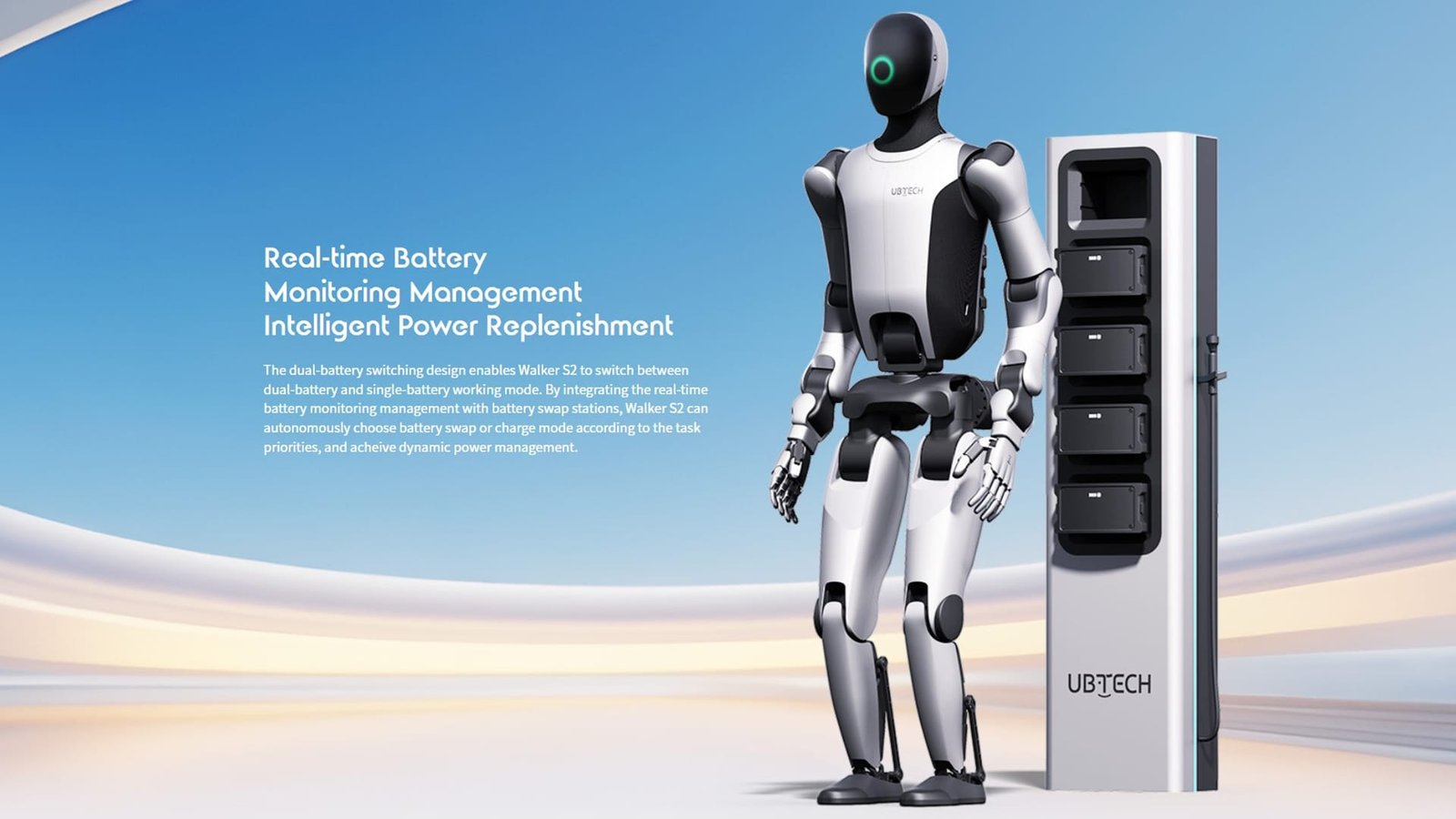
First Humanoid With Verified 20-Hour Continuous Operation
China’s UBTech achieved a major milestone with Walker S2, which completed 20 hours of uninterrupted industrial tasks—a world first. With more than ¥1B RMB in orders, including from BYD and Geely, Walker S2 is the leading Chinese industrial humanoid.
Built for Real Factories
Key features:
- 52 DOF, including an unusually powerful flexible waist ideal for tight workspaces
- Hands with 11 DOF for operations like fastening screws and installing wiring
- 15 kg payload
- 3-minute autonomous battery swap, enabling 72/24 near-continuous operation
Co-Agent AI and Brain-Net 2.0
Walker S2’s AI agent can:
- Learn tasks from video
- Auto-correct minor faults
- Coordinate with multi-robot fleets
This makes it one of the most deployment-ready humanoids globally.
Limits
Its training relies heavily on structured assembly-line data, which may reduce cross-factory generalization. Still, Walker S2 is the closest to “ready for real industrial use at scale” today.
Reference: UBTech Walker S2 Officials
6. Boston Dynamics Atlas (USA) — The King of Dynamic Motion
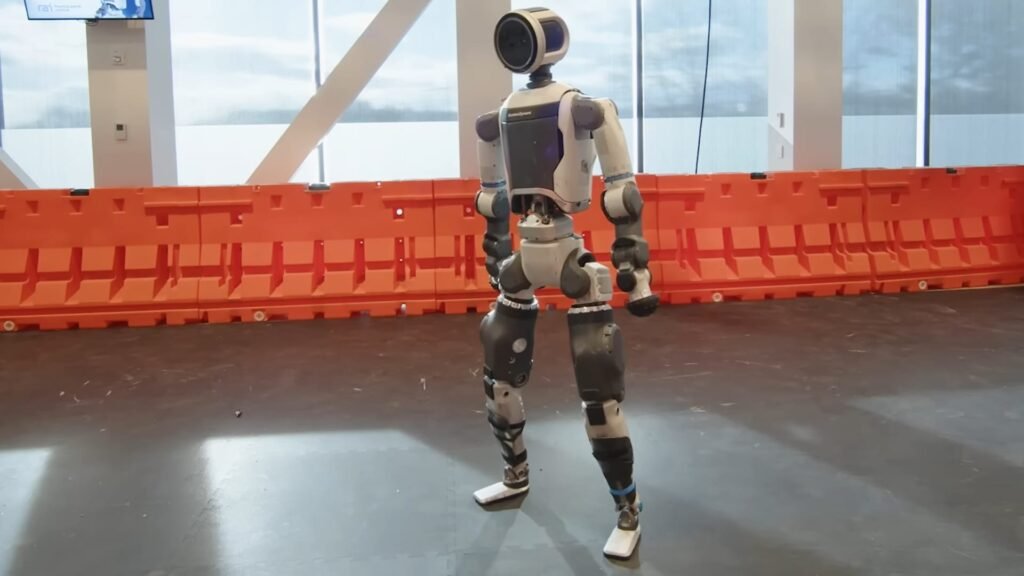
A Reinvention of Atlas in Fully Electric Form
The 2025 electric Atlas is a complete redesign emphasizing extreme athletic performance—backflips, contortions, 360-degree joints, and rapid disturbance recovery.
With 50 DOF and proprietary high-torque actuators, it remains unmatched in movement.
LBM — A Large Behavior Model for Motor Intelligence
Co-developed with Toyota Research Institute, Atlas’s LBM learns full-sequence behaviors from human demonstration videos, then expands capability through massive Nvidia Omniverse simulation runs.
Practical Constraints
Atlas still requires careful tuning when entering a new environment, and its lack of autonomous battery swapping reduces up-time compared with Chinese industrial robots.
Atlas is not (yet) a factory worker—but remains a showcase of the world’s most advanced humanoid locomotion.
Reference: Walk, Run, Crawl, RL Fun | Boston Dynamics | Atlas
7. Apptronik Apollo (USA) — The Logistics-Focused Heavy-Lifter
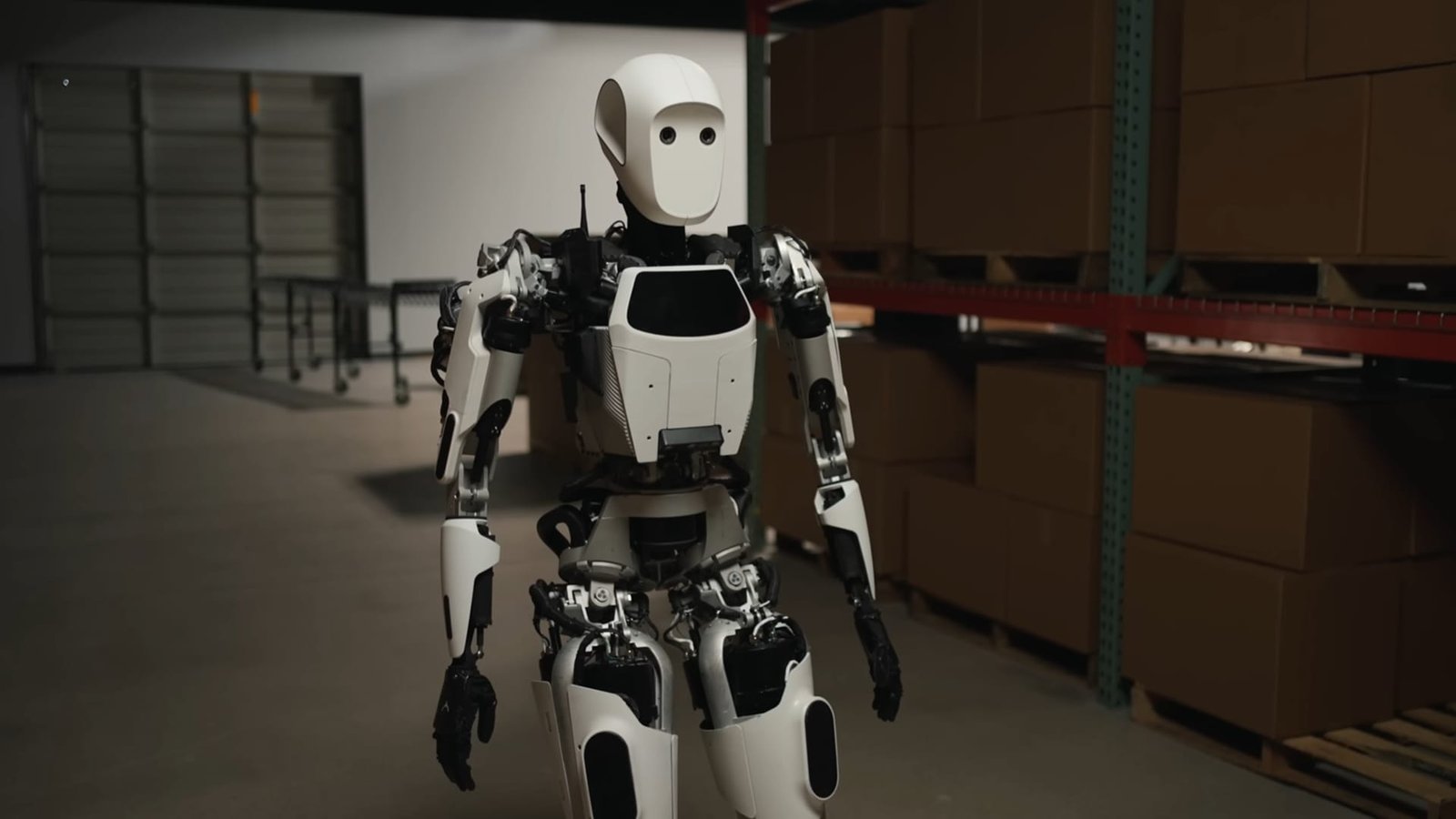
A Modular, Industrial-Grade Robot Designed for Payload
Apollo targets heavy, repetitive work—loading, handling, automotive production—carrying 25 kg with ease.
With 28 DOF, dual modes (bipedal or wheeled), and advanced load-sensing skins, Apollo is engineered to work safely around humans.
Force-First AI
Apptronik’s end-to-end force-control model uses continuous feedback to adjust grip strength, manipulate heavy objects, and avoid collisions. It is less focused on language or generality and more on reliability and predictable industrial performance.
Real-World Progress
Apollo is already under trial in Mercedes-Benz factories, with thousands of units targeted for 2026 and pricing below $50,000.
Reference: Apptronik Apollo (USA) Official
8. Sanctuary AI Phoenix (Canada) — The Cognitive Specialist
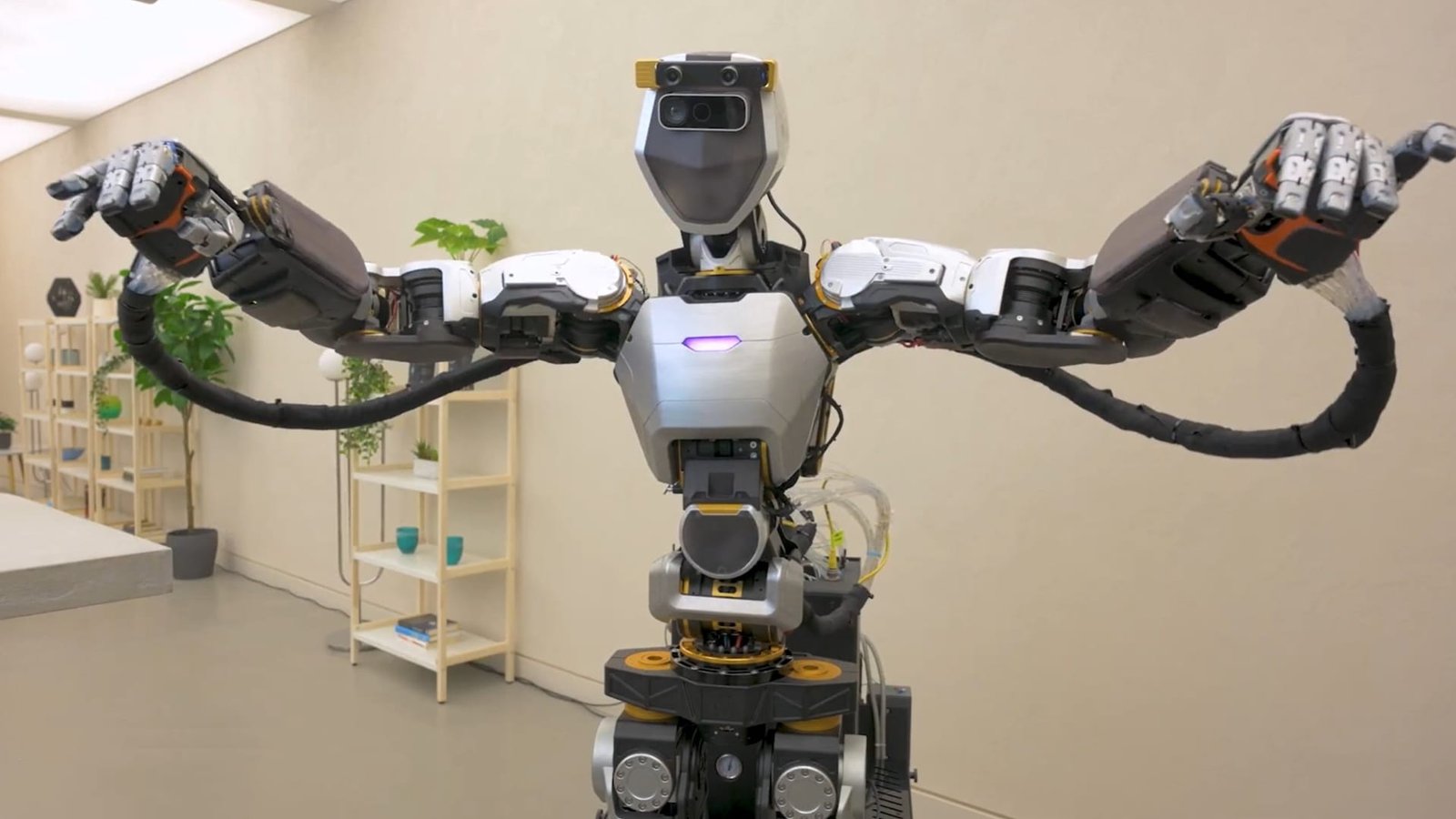
A Robot Built for Fine Motor Tasks
Sanctuary’s Phoenix features 21-DOF hands with hydraulic fingers, offering near-human precision. Its cognitive system, Carbon AI, is designed to learn complex procedures in as little as 20 hours from demonstration videos—remarkably fast by industry standards.
Industrial Deployment
Phoenix is now working in Magna manufacturing pilots, with plans for broad commercial deployment in 2026.
Tradeoffs
Hydraulic hands offer exceptional precision but require higher maintenance, and learning quality depends heavily on perfect demonstration data.
Still, Sanctuary leads in cognitive architecture and fine manipulation.
Reference: Sanctuary AI Phoenix (Canada) Official
9. Agility Robotics Digit (USA) — The Warehouse Automation Specialist
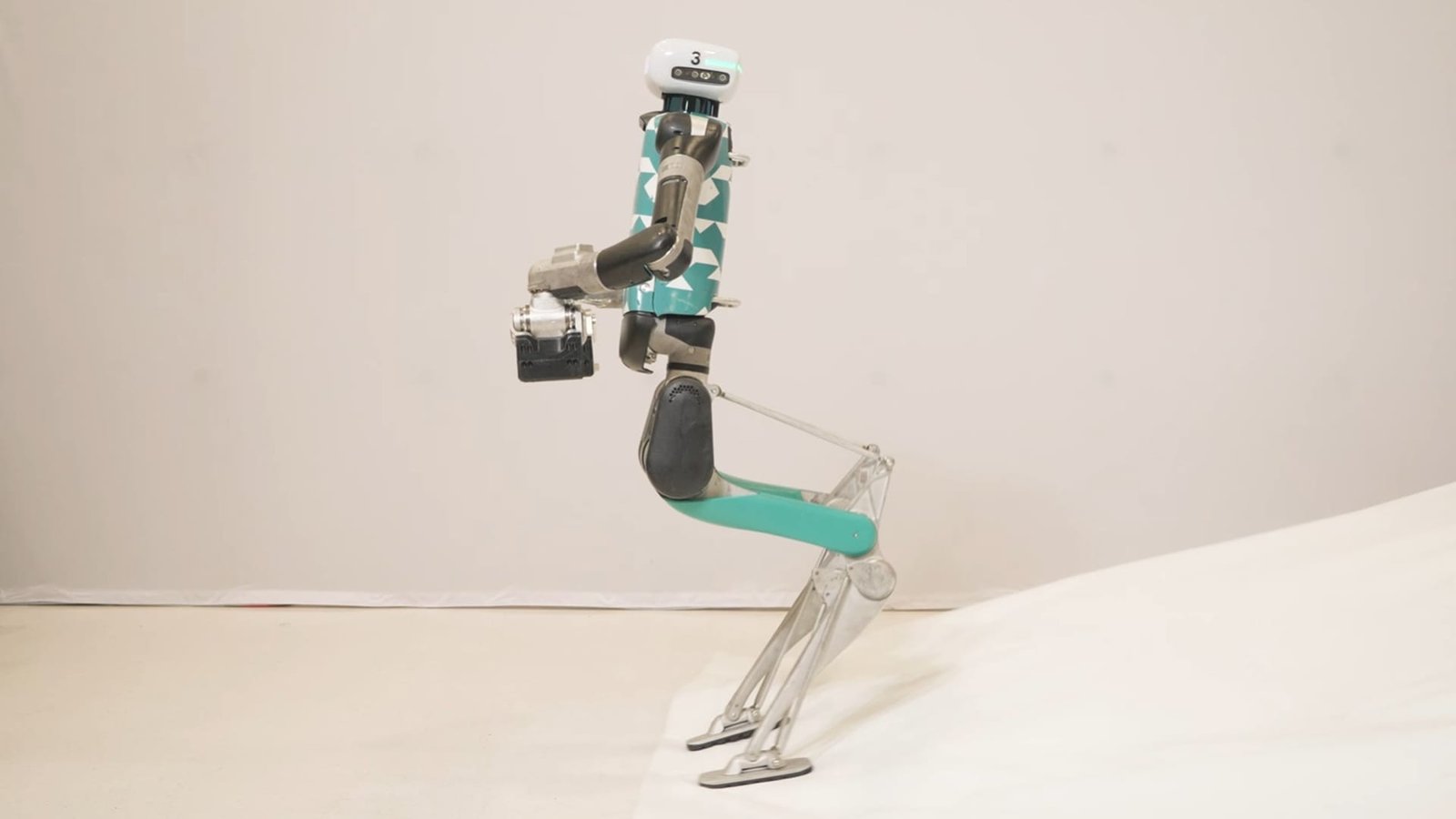
A Purpose-Built Robot for Logistics
Digit’s signature bird-leg design gives it excellent stability for warehouse work, enabling 16 kg lifting, autonomous charging, and IP54 dust/water resistance.
Cloud-Driven Warehouse Intelligence
Agility’s ORC platform coordinates route planning, task queues, and integration with WMS systems. Digit is already operating in Amazon and JAXR warehouses.
Limitations
Cloud dependency means network latency can cause task interruptions, and Digit still struggles with stairs and obstacles compared with human-like robots.
Yet Digit remains the most mature warehouse humanoid.
Reference: Agility Robotics Digit (USA) Official
10. Unitree H2 (China) — The New Benchmark in Motion Control
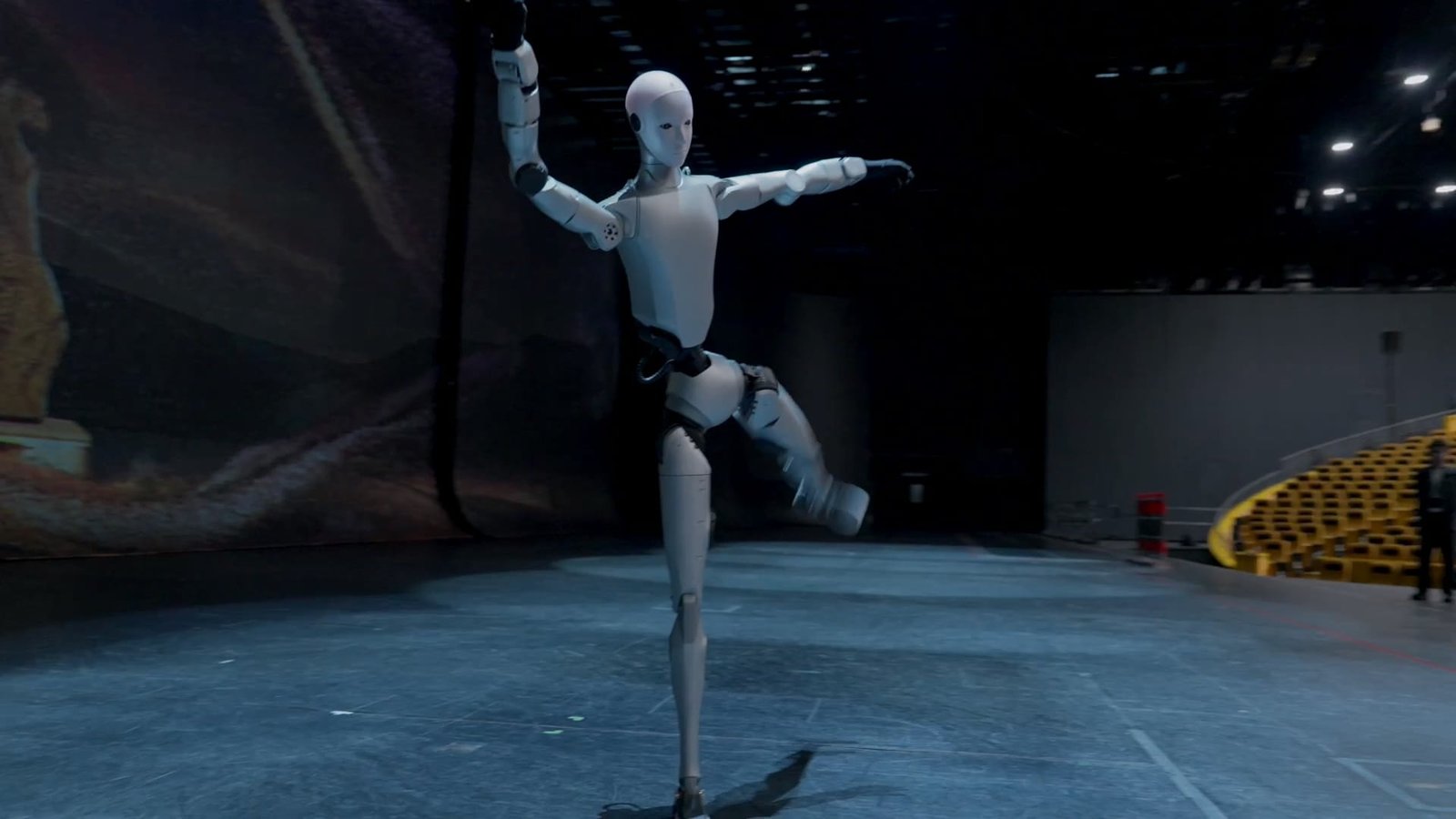
The Most Athletic and Responsive Robot in Asia
RainTree’s V12 shocked the industry with its ballet-level precision, backflips, and high-torque control. With 31 DOF, custom actuators, and a 2070-TOPS single-chip control system, it offers extraordinary responsiveness.
World-Class Motion + Bionic Aesthetics
RainTree combines:
- Reinforcement learning
- Demonstration imitation
- Multi-sensor 360° perception
- A friendly bionic face and wearable clothing
The robot’s balance control is so strong it can recover instantly from pushes or kicks.
Commercial Outlook
Priced at $27,000, RainTree is preparing for public listing, which could accelerate mass manufacturing. The main gap is general-purpose skill learning beyond motion control.
Reference: Unitree H2 Official
When Will Humanoids Enter Everyday Life?
2025 is the first year humanoid robotics stops being a collection of research demos and starts becoming a real industry.
But true household adoption—robots helping us cook, clean, care for elderly family members—still requires:
- More robust generalization across environments
- Safer and cheaper hardware
- Scalable end-to-end learning pipelines
- Better perception in cluttered, unpredictable homes
- Transparent data practices and strong privacy guarantees
Industrial humanoids, however, are arriving much sooner.
From automotive plants to logistics centers, the first large-scale humanoid deployments will happen between 2026 and 2028.
As for a robot living alongside an average family?
2030–2033 is a realistic timeframe—assuming current progress continues and the cost curve keeps dropping.
One thing is now clear:
Humanoid robots are no longer a question of “if”—only “how fast.”
Note: Above the order of the rankings is not ranked and represents only personal opinions.