
For decades, many people have looked at Volkswagen as the brand of ordinary streets — a manufacturer of practical hatchbacks, family sedans, and sensible commuter cars. But the truth is far more ambitious and far more astonishing. Behind the familiar VW badge lies one of the most influential industrial empire in modern automotive history, an empire built on engineering discipline, political complexity, and a vision that began with a single idea: a car every citizen could afford.
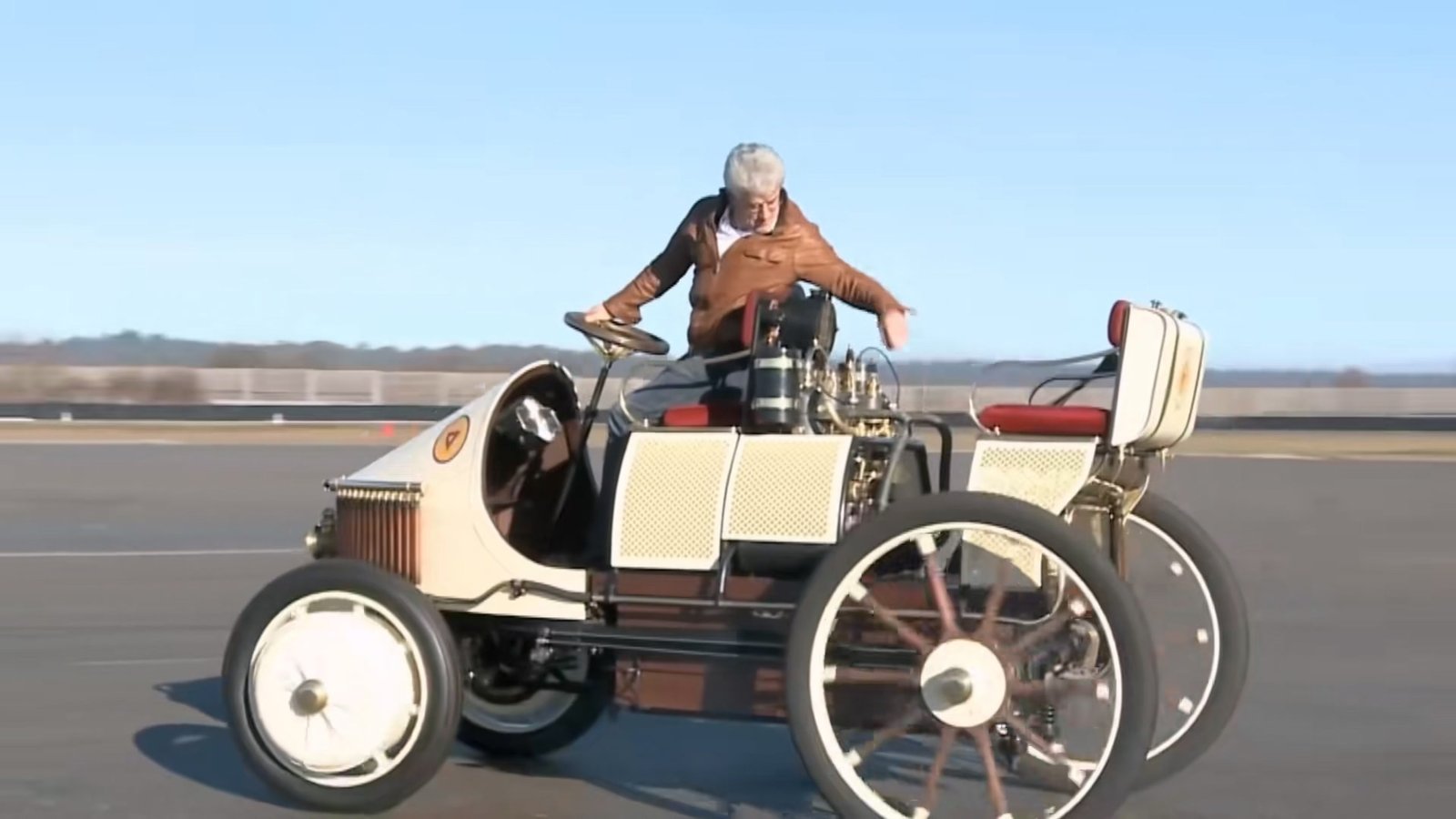
To understand Volkswagen’s rise, you must begin with a man whose legacy shaped both sides of the family tree — Ferdinand Porsche.
A Vision Born Before an Empire
In the 1930s, Ferdinand Porsche accepted a national commission to develop a people’s car — a machine durable enough for long travel, simple enough for mass production, and cheap enough that the average German household could one day own it.
That mission became Volkswagen, literally “the people’s car.” Even the iconic VW insignia, when you look closely, resembles two meshed gears — a symbol of mechanical accessibility and industrial optimism.
This origin story matters, because Volkswagen’s identity has always been tied to utility and democratized engineering, even as it grew into one of the world’s most powerful automotive groups.
The Unexpected Power Behind the Badge
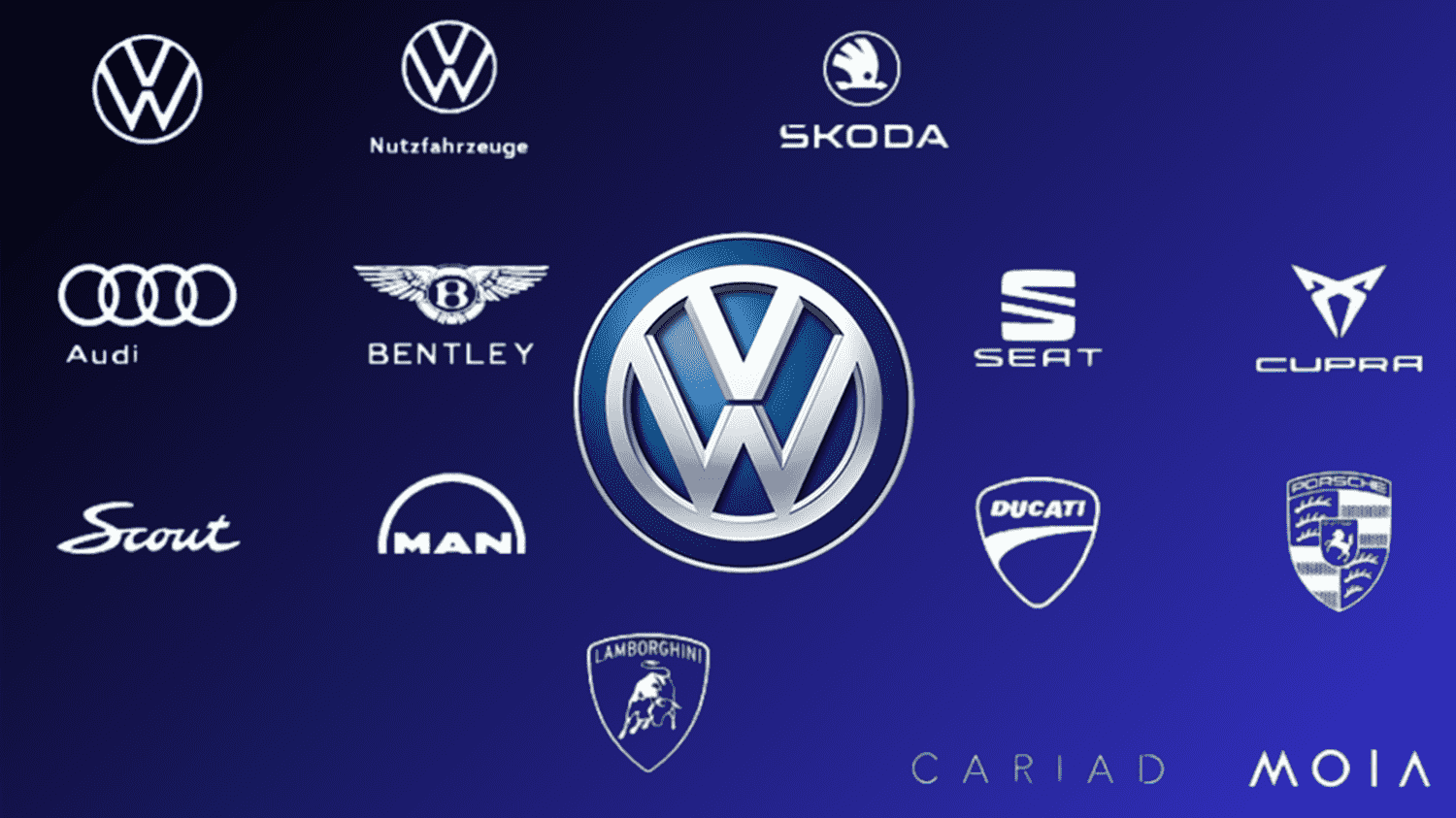
Those who consider Volkswagen an everyday brand often overlook the scale of what sits behind it. VW Group today resembles a kind of automotive “Avengers,” a collection of brands so diverse and advanced that few industrial organizations can match its depth.
Its portfolio includes:
- Audi – technological precision and quattro heritage
- Porsche – engineering obsession and motorsport DNA
- Bentley – ultra-luxury British craftsmanship
- Lamborghini – Italian supercar theatrics
- Bugatti – hypercar extremism
- Ducati – performance motorcycle icon
- MAN & Scania – heavy-duty trucking powerhouses
Even JETTA—often mistaken for a standalone Chinese budget nameplate—is a Volkswagen-founded sub-brand built for emerging markets.
Few consumers realize that many luxury and performance cars they admire share deep architectural roots with Volkswagen engineering. And the corporate structure behind them? Even more dramatic.
For years, Volkswagen and Porsche engaged in a historic corporate takeover battle, with each side accumulating shares of the other. What started as a strategic move evolved into one of Germany’s most famous business sagas. If history had tipped only slightly differently, the modern world might be looking at the Porsche Group owning Volkswagen, not the other way around.
The Machines That Changed the Industry
Volkswagen’s reputation wasn’t built merely on ownership or acquisitions. It was shaped by vehicles that defined eras.
The Beetle – A Global, Cultural, and Economic Phenomenon
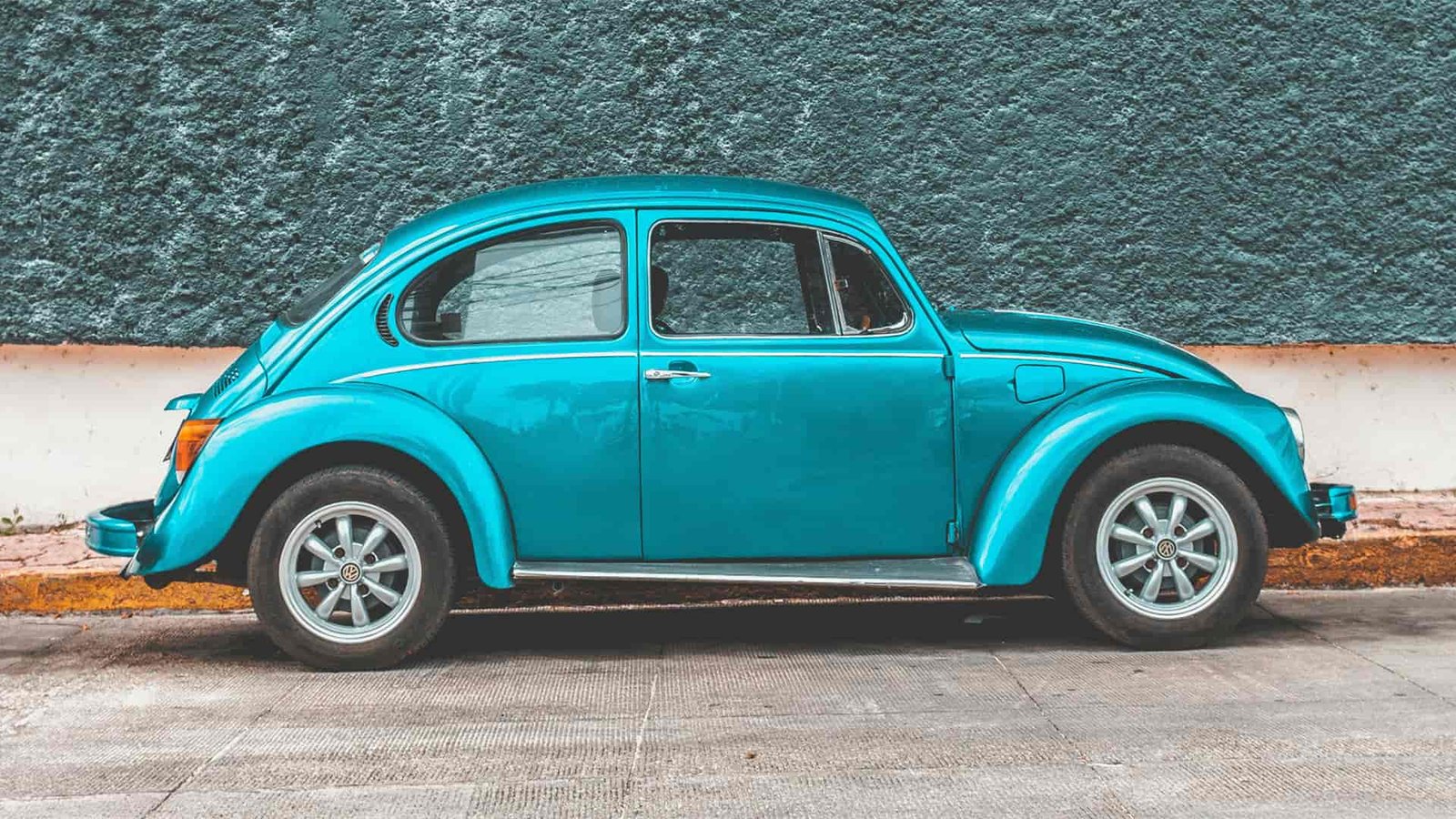
Born in the 1930s and reborn in the post-war period, the Volkswagen Beetle became the car that restarted Europe’s economy.
It sold over 20 million units, surpassing even Ford’s legendary Model T, and influenced generations of automotive design with its simplicity and durability.
The Golf – Benchmark for Compact Cars
Launched in 1974, the Golf was more than a hatchback; it became the blueprint for modern compact cars.
In three years, it crossed one million sales. Over decades, it evolved into the iconic hot-hatch, merging practicality with spirited performance. The GTI variants defined an entire segment.
Passat – The Diplomat of the Mass Market
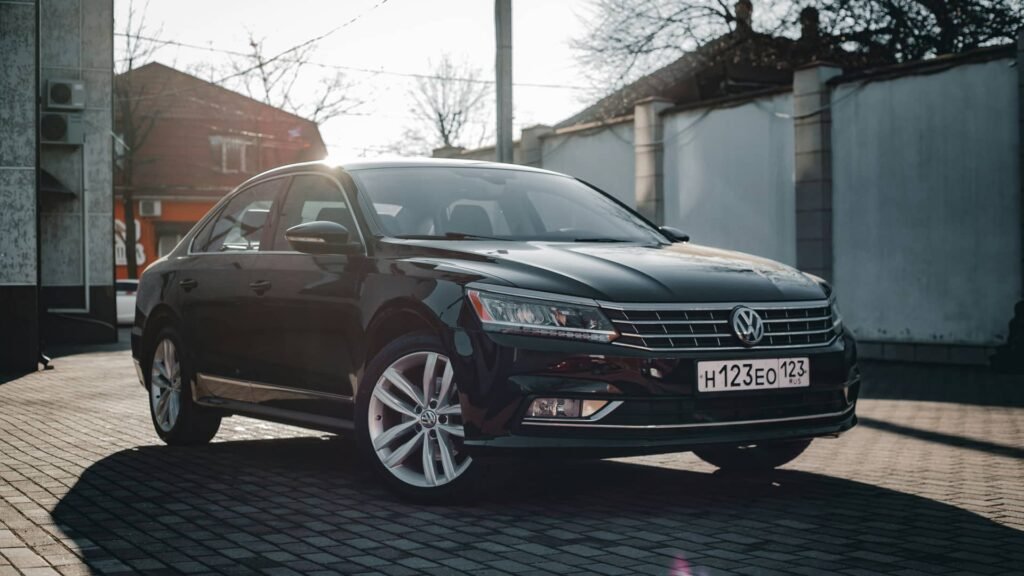
When the Passat entered China in 2000, it instantly became the symbol of reliability and authority. It shaped a full era of government and corporate transportation and introduced many families to the concept of a modern, well-engineered sedan.
Santana – The Beginning of China’s Automotive Industrialization
The Santana was more than a product; it became a milestone for Chinese manufacturing.
For mechanics and taxi fleets of the 1980s and 1990s, the Santana represented ruggedness and longevity — a machine that could withstand endless mileage and a car that marked the start of China’s automotive modernization.
Engineering Systems That Reshaped the Global Industry
One of Volkswagen’s most underestimated contributions is its platform revolution.
While many carmakers are still transitioning to modular architectures, Volkswagen established global benchmarks with:
- MQB (Modular Transverse Matrix)
- MLB (Modular Longitudinal Matrix)
These architectures became the backbone for dozens of models across multiple brands, drastically improving manufacturing efficiency, crash performance, and vehicle dynamics.
The investment behind them exceeded €10 billion, a staggering figure justified by an almost obsessive engineering goal:
Volkswagen famously demanded that even at 200 km/h, the cabin’s refinement should allow two passengers to hold a tray of champagne without disturbance.
This wasn’t marketing exaggeration — it was a real engineering directive, and the technical breakthroughs that followed set new global standards.
The Cultural Side of an Engineering Giant
Volkswagen’s empire includes more than cars.
In Germany, VW even produces its own currywurst sausage, with annual sales surpassing a million servings. It has its own part number, and employees treat it as if it were as integral to the brand as a crankshaft or a gearbox.
This quirky detail reveals something deeper: Volkswagen isn’t merely a corporation; it is woven into the cultural fabric of modern Germany.

The Bet That Changed China, and Volkswagen
In 1978, as China reopened to global industry, Volkswagen became the first major automaker to commit. The establishment of SAIC Volkswagen reshaped China’s automotive landscape, accelerating the country’s industrial abilities and giving Volkswagen an unrivaled head start in the world’s largest car market.
Few strategic decisions in automotive history have been as profitable — or as transformative.
A Brand for the Masses, and an Empire for the World
Volkswagen is a contradiction in the most compelling way: a company capable of building cars for everyday life while also maintaining a constellation of luxury and performance brands that influence the direction of global automotive technology.
It builds for practicality, but it also dreams of an industrial scale.
It caters to the ordinary driver, yet it shapes the future of mobility with some of the most advanced platforms, engineering philosophies, and brand ecosystems in the world.
To call Volkswagen simply a carmaker is an understatement.
It is a global automotive empire — methodical, deep-rooted, culturally significant, and technically ambitious.
This is Volkswagen’s footprint. Not the footprint of a common hatchback, but the footprint of a giant whose steps have shaped the very structure of the modern automotive world.
Reference:
us voip number