The 2026 Volvo XC90 arrives at a moment when premium SUVs must satisfy multiple demands simultaneously: refined comfort, family utility, electrified efficiency, advanced safety, and modern connectivity. As an engineer working decades in vehicle architecture and drivetrain integration, I see this latest XC90 as a carefully calibrated balance — a vehicle that maintains Volvo’s Scandinavian heritage yet embraces a rapidly evolving automotive landscape. This article explores the 2026 XC90 from multiple angles: powertrain choices, platform and chassis design, interior technology and ergonomics, safety & ADAS strategy, and overall positioning in the competitive premium SUV segment.
What’s New for 2026 — Overview of Upgrades
For 2026, Volvo has introduced a number of meaningful enhancements to the XC90 that go beyond cosmetic tweaks. According to official documentation and dealer disclosures, the updates include:
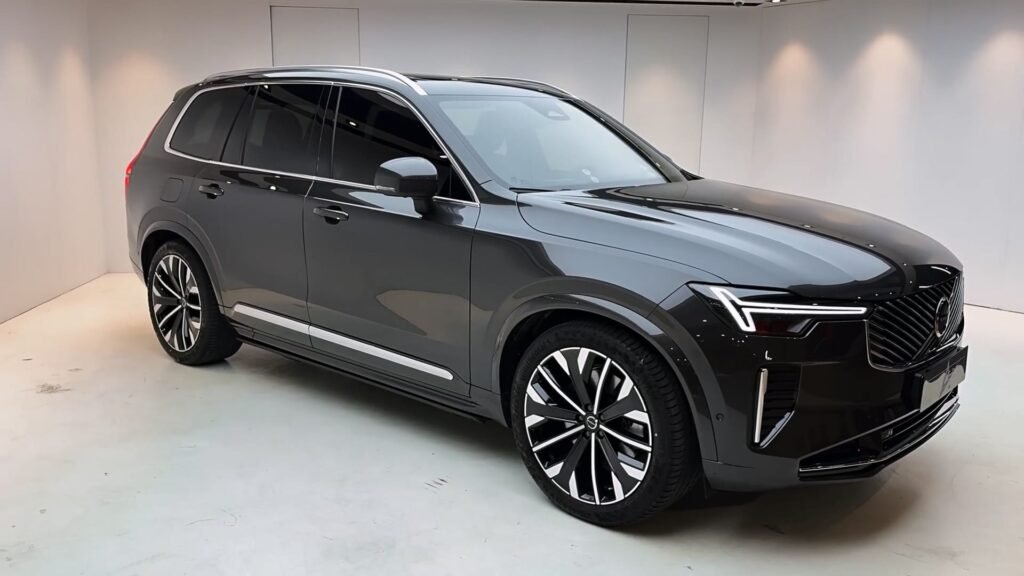
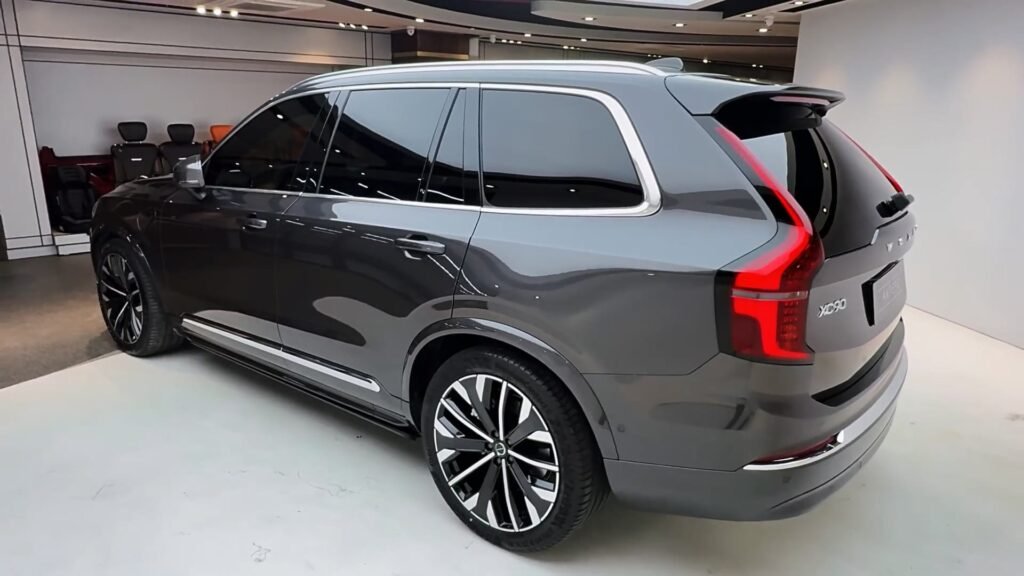
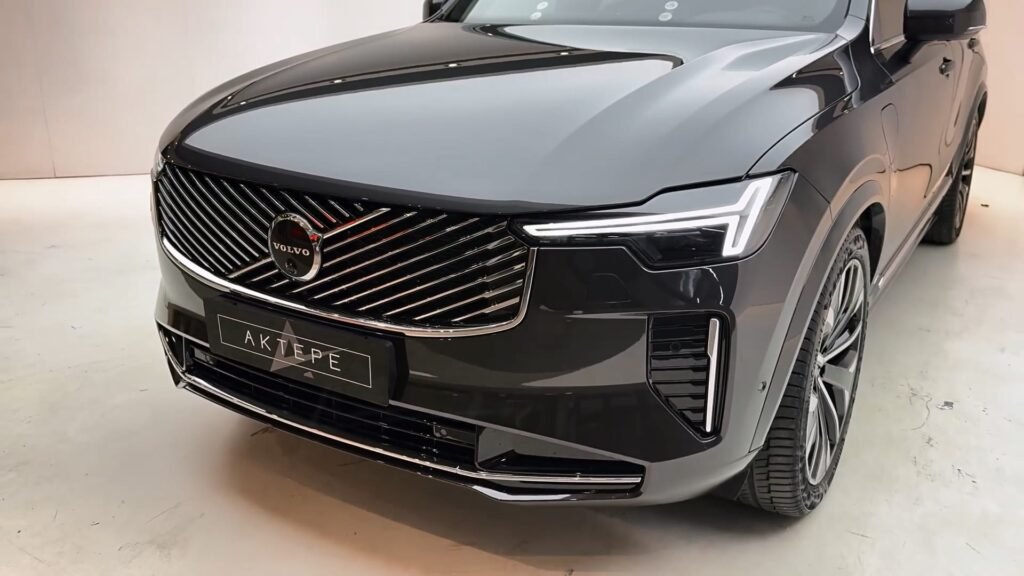
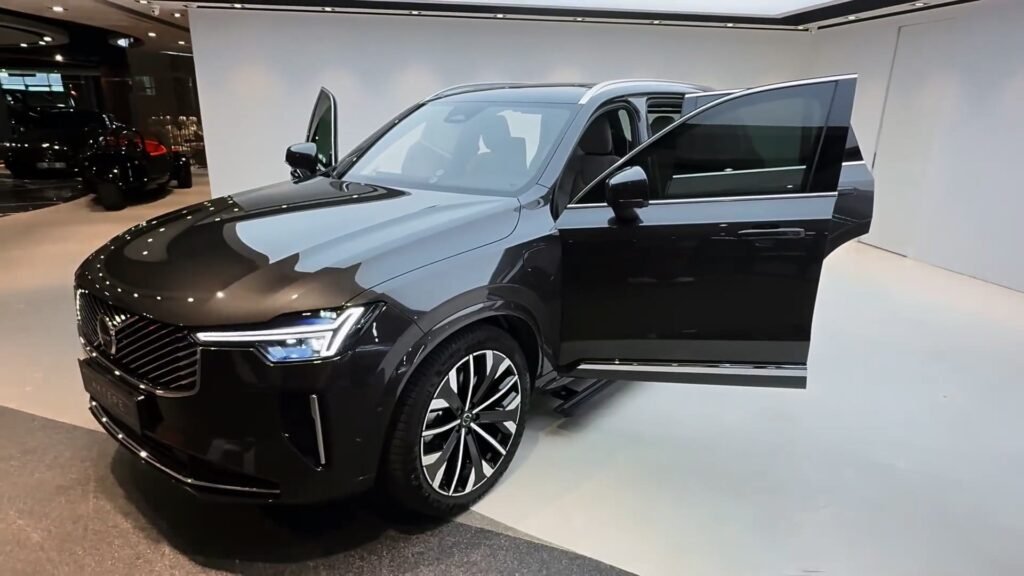
- Refreshed exterior styling — updated grille design, more sculpted hood lines, refined side vents for a more confident and contemporary presence.
- Slimmer, refined “Thor’s Hammer” LED headlight signature, with available matrix LED functionality for improved nighttime visibility.
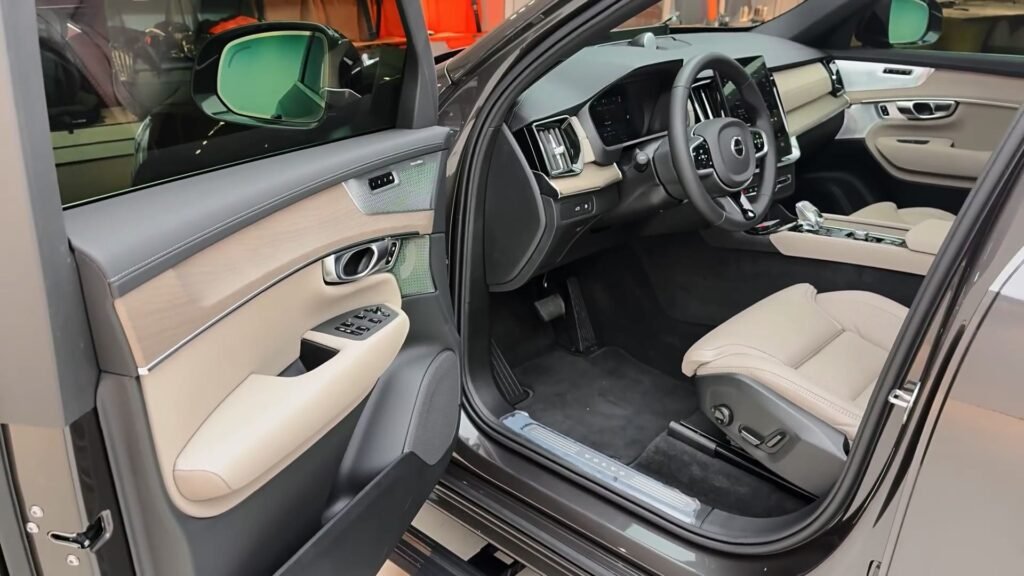
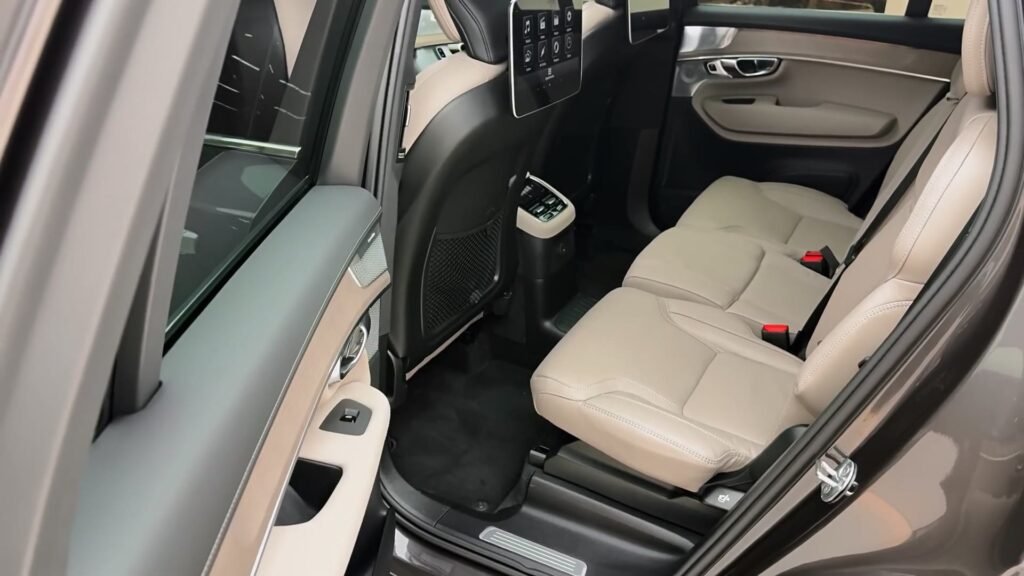
- New 11.2-inch center touchscreen display (portrait style, free-standing), along with redesigned air vents, refreshed trim pieces, improved ambient lighting, and enhanced sound insulation.
- Upgraded mild-hybrid powertrains for smoother acceleration and improved efficiency, plus continuing plug-in hybrid variant.
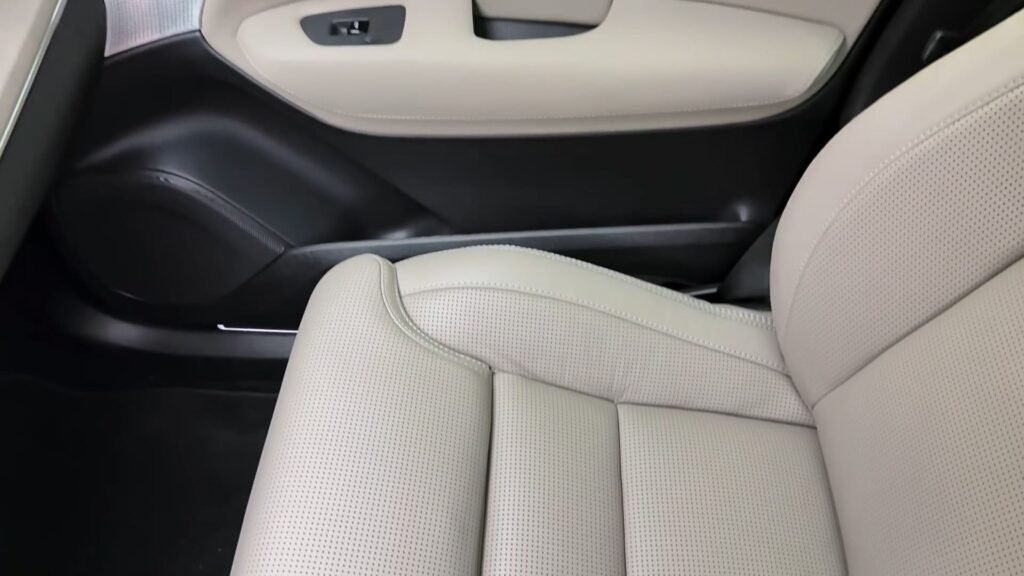
- Improved cabin materials and seating options, enhanced comfort and versatility with 6- or 7-seat layouts, and refined ride quality and chassis dynamics.
- Enhanced connectivity and software: the new infotainment system gains responsiveness and integration thanks to updated hardware and the brand’s newer “UX” approach; OTA updates are supported for long-term usability.
In short: the 2026 XC90 isn’t a full redesign, but a meaningful evolution that brings the SUV neatly up to date in 2025–2026, especially in tech and comfort.
Powertrain and Drivetrain: Flexibility with Electrified Options
One of the defining strengths of the 2026 XC90 is its flexible powertrain strategy, designed to serve a wide variety of customers — from those seeking smooth, efficient everyday driving to those wanting strong performance or electrified commuting.
Available Powertrains
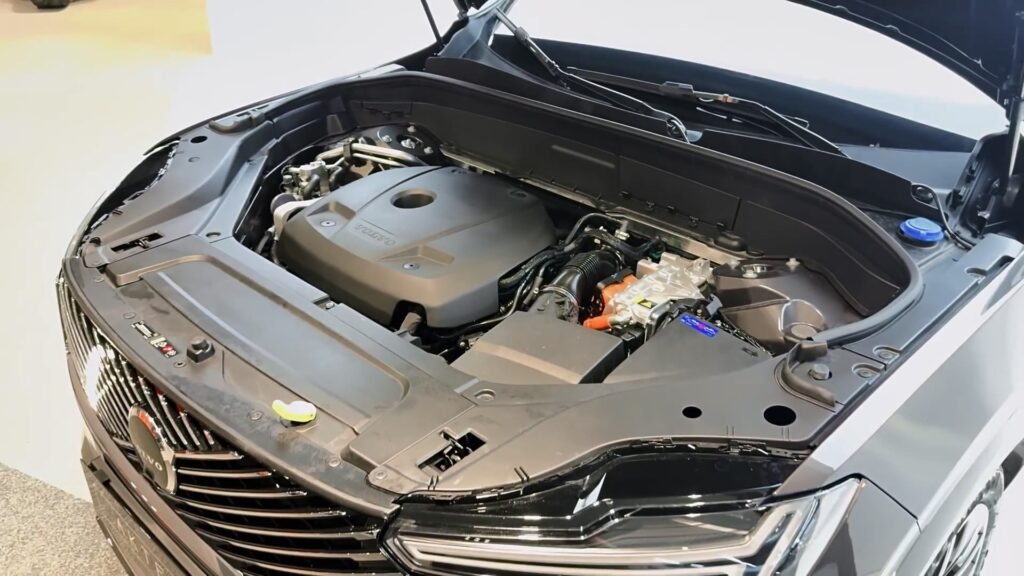
According to Volvo’s 2026 specifications, XC90 offers the following drivetrain options in many markets:
| Variant | Engine / Drivetrain | Output / Features | Typical Use Case |
|---|---|---|---|
| B5 Mild Hybrid (AWD) | 2.0 L turbocharged I4 + 48 V mild-hybrid assist, 8-speed automatic, on-demand AWD | ~247 hp, ~266 lb-ft torque | Fuel-efficient commuting, balanced everyday driving |
| B6 Mild Hybrid (AWD) | 2.0 L turbocharged + supercharger + mild-hybrid, 8-speed auto, AWD | ~295 hp, ~310 lb-ft torque; 0-60 mph in ~6.4 s (per earlier data) | Drivers seeking more power, responsive performance |
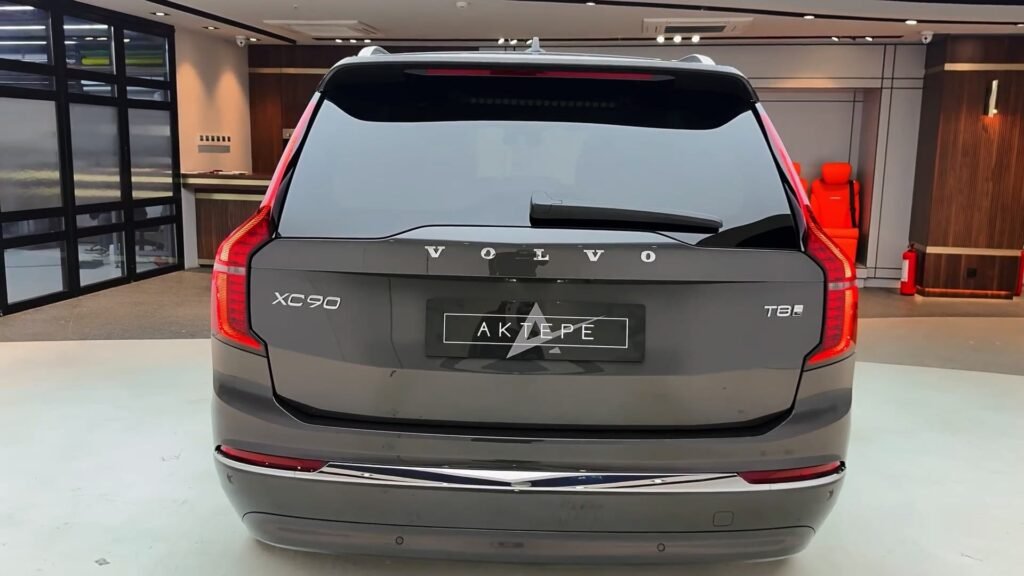
| T8 Plug-In Hybrid (AWD) | 2.0 L turbo engine + electric motor + lithium-ion battery (plug-in) + 8-speed auto + AWD | Combined output ~455 hp, ~523 lb-ft torque; EV-only range ~32 miles (EPA) | Families seeking flexibility — short electric commutes + long-distance capability |
This trio of drivetrain options enables buyers to choose based on their needs: fuel efficiency, performance, or electrified flexibility. The mild-hybrid B5 and B6 help reduce fuel consumption during urban stop-and-go, while the plug-in T8 variant gives a useful electric-only driving range — beneficial for daily commuting or short trips — without sacrificing long-range practicality.
Driving Dynamics and Real-World Behavior
- With AWD and an 8-speed automatic transmission standard across the range, the XC90 remains capable as a practical SUV, particularly valuable in climates with variable weather or when towing is required. According to early spec reports, the rear suspension has been reworked (integral link at rear) to improve stability and towing performance.
- The mild-hybrid variants are engineered for smooth, seamless power delivery, which aligns well with Volvo’s brand philosophy of composed, unhurried performance rather than aggressive sportiness.
- The T8 PHEV’s electric torque-assist improves low-end response, making city driving effortless and responsive, while the gasoline engine ensures flexibility for longer journeys — a sensible compromise for families or mixed-use owners.
In short: XC90 2026 balances efficiency, performance, and versatility. It’s not a dedicated performance SUV, nor an all-EV flagship — but a pragmatic bridge for buyers during this transitional era of automotive electrification.

Chassis, Suspension & Ride Quality — The Scandinavian Balance of Comfort and Control
A major challenge in designing a large luxury SUV is balancing ride comfort, stability, handling, and noise/vibration/harshness (NVH) performance. Volvo seems to have worked carefully to optimize this balance for the 2026 XC90.
- The updated rear integral link setup reportedly improves stability and traction, especially under load or during towing. This is a significant enhancement for families or users needing occasional heavy-duty capability.
- The combination of AWD, modern suspension tuning, and chassis damping improvements (noted in dealer press materials) suggests that the ride quality is refined; Volvo emphasizes comfort, isolation from road noise, and a calm, controlled on-road demeanor.
- Sound insulation upgrades and laminated side windows (in certain trims) contribute to a quieter cabin, improving long-distance comfort and luxury appeal.
In practice, this means the XC90 remains a “luxury commuter + family hauler,” not a sporty SUV — yet it performs its role exceptionally well for its target audience.
Interior, Technology & Connectivity — Modern Scandinavian Luxury with Practicality
One of the most noticeable updates in 2026 is in the interior and digital interface. For a premium SUV in this era, how the cabin works (software, interface, comfort) is as important as the mechanical underpinnings.
Infotainment and UX
- The new 11.2-inch portrait-style center touchscreen anchors the cabin — a noticeable upgrade in size and resolution compared to previous models.
- The infotainment system runs the updated version of Volvo Car UX (Google-built), delivering smoother user experience, faster responsiveness, and better overall integration.
- Physical layout is refined: redesigned air vents, refreshed trim panels, improved ambient lighting, and a reorganized center console with relocated wireless phone charger — improvements that enhance the tactile and practical feel of the cabin.
- Optional high-end audio systems and upgraded sound insulation contribute to a more refined, quiet cabin — key for longer journeys or family comfort.
Space, Seating & Flexibility
- The 2026 XC90 continues to offer 6- and 7-seat configurations, retaining its appeal as a full-size family SUV.
- The cabin design seems tailored to Scandinavian minimalism: clean lines, functional ergonomics, no unnecessary distractions — reinforcing Volvo’s design philosophy of understated elegance and purposeful layout.
From a design/engineering standpoint, this interior update shows Volvo balancing modern digital expectations with traditional ergonomics and comfort. It’s a pragmatic, user-friendly evolution rather than a radical overhaul — and that is often what discerning buyers appreciate in a luxury SUV.
Safety & Driver Assistance: Volvo’s Continuing Commitment to Protection and Peace of Mind
Volvo’s reputation for safety is not just marketing — it remains central to their engineering identity. While the 2026 XC90 does not (yet) promise fully autonomous driving, its safety and ADAS suite reflects well-thought-out, real-world priorities.
- Adaptive cruise control, lane-keeping assist, lane-departure warning, and automated emergency braking (including pedestrian/cyclist detection) are included — forming a solid baseline for driver assistance.
- The improvements in chassis stability, suspension tuning, and sound insulation also contribute indirectly to occupant comfort and perceived safety — smoother ride and better handling help manage unexpected scenarios.
- The integration of modern infotainment and UX helps reduce distraction, improving driver attention — a subtle but important aspect of safety in the contemporary context.
From an engineer’s viewpoint: the 2026 XC90 does not chase flashy Level-3 autonomy headlines — instead, it focuses on delivering consistent, reliable safety and driver support that families and daily drivers will value for years.
Market Positioning & Competitiveness: Where 2026 XC90 Stands Among Premium SUVs
In a segment dominated by aggressive performance SUVs and luxury-equipped crossovers, the 2026 XC90 occupies a thoughtful middle ground. Its strengths lie in:
- Balanced electrified powertrain options (mild-hybrid to PHEV), catering to different use cases without over-committing to high-risk, unproven tech.
- A refined ride and cabin environment suited for family use, long trips, and daily commuting.
- Scandinavian design and comfort philosophy — understated, functional, human-centric rather than ostentatious.
- Strong heritage in safety and durability, which remains a core value proposition for Volvo owners.
- Versatility: AWD, 6/7 seats, spacious cabin, and towing capability make it a genuine all-rounder.
Potential buyers comparing the XC90 to rivals like premium trims of large German SUVs or other three-row crossovers should view the XC90 not as the “fastest” or “flashiest,” but as one of the most coherent, well-rounded, and long-term sensible choices in the premium SUV category.
2026 XC90 Matters — From an Engineer’s Perspective
As someone who has seen multiple generations of SUVs pass through R&D and product cycles, I consider the 2026 XC90 to reflect a mature, prudent design strategy — one that acknowledges the complexity of modern mobility without chasing extremes. Here’s why it stands out:
- Flexibility in Transition
The simultaneous support for mild-hybrid, plug-in hybrid, and efficient AWD gasoline powertrains enables Volvo to serve current market demands while gradually embracing electrification. Given global regulatory uncertainty and diverse customer needs, this flexibility is a major advantage. - Balanced Engineering Trade-offs
The 2026 XC90 does not push for maximum performance or extreme luxury — instead, it optimizes ride quality, safety, and usability. That makes it a reliable daily driver, family SUV, and long-distance cruiser with predictable behavior under varied conditions. - User-Focused Interior & UX Updates
The move to a larger, sharper infotainment screen with updated UX, better materials, improved sound insulation, and smarter cabin ergonomics is exactly what mature buyers expect now. It emphasizes real-world usability over flash. - Safety and Long-Term Viability
The strength of the chassis, AWD capability, stable suspension, and proven safety aids contribute to long-term dependability. In many markets, that makes the XC90 a rational choice over newer but less proven alternatives.
Potential Limitations — Where XC90 2026 Might Not Be Ideal
No vehicle is perfect. From a critical engineering lens, the 2026 XC90 has areas where buyers should calibrate expectations:
- It is not designed as a performance SUV. If you want aggressive driving dynamics or a “sports SUV” feel, the XC90’s focus on comfort and stability may feel reserved.
- While plug-in hybrid helps reduce local fuel usage, the EV-only range (~32 miles) is modest compared to many dedicated EVs — so XC90 remains a transitional hybrid, not a full EV solution.
- Cabin tech improvements are significant, but for some users the UI might still feel less “integrated” or fluid than newer EV-first interiors — a trade-off for keeping traditional controls and familiarity.
- The updates are evolutionary, not revolutionary — those expecting a dramatic redesign may find the 2026 model too conservative.
2026 Volvo XC90 — A Thoughtful, Mature Flagship for the Modern SUV Buyer
In a marketplace increasingly split between high-performance luxury SUVs and fully electric upstarts, the 2026 Volvo XC90 stands out as a sober, balanced, and sensible alternative. It doesn’t chase extremes; instead, it offers what many buyers — especially families, long-distance commuters, or customers valuing safety and longevity — truly need: versatility, reliability, comfort, and a straightforward path toward electrification.
From an engineering and design perspective, XC90 2026 reflects the strength of refined evolution rather than radical reinvention. It balances legacy and modernity, combining AWD capability, efficient mild-hybrids, solid plug-in electrification, Scandinavian interior craftsmanship, and mature user-centric tech.
For those evaluating large luxury SUVs in 2025–2026, the Volvo XC90 remains one of the most coherent, well-rounded, and rational choices — a vehicle engineered as much for decades of real-world use as for first-day impressions.