Although the global automotive market is accelerating toward electrification, the foundation of the industry is still built on internal-combustion vehicles. Gasoline cars remain dominant in many regions because of their affordability, robustness, ease of maintenance, and driving familiarity.
As someone who has assessed powertrains, platforms, and market behavior for more than a decade, I can say with confidence that the world’s best-selling gasoline cars are not accidental successes—they are the culmination of smart engineering, consistent product strategy, and deep cultural influence.
Below is a technical, market-backed breakdown of the Top 5 Best-Selling Gasoline Cars Worldwide, along with insights on why they dominate, their strengths and weaknesses, and whether they make sense for today’s buyers.
Five Models Dominate the Global Market
Before diving into the rankings, it is important to understand the underlying logic:
- Proven reliability is more valuable than cutting-edge innovation in high-volume segments.
- Low running cost remains the strongest purchasing driver for emerging markets.
- Long production cycles with incremental upgrades tend to outperform radical redesigns.
- Accessible performance, simple maintenance, and strong parts availability sustain demand.
Each car below reflects these principles in engineering and market execution.
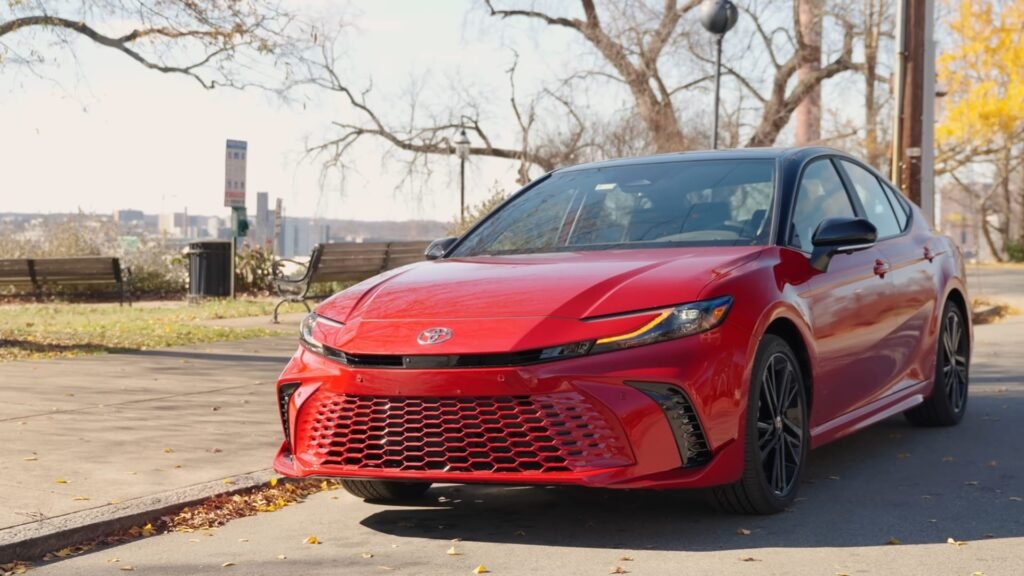
5. Toyota Camry — The Benchmark Mid-Size Sedan
For many markets, the Toyota Camry is the unofficial standard of what a mid-size sedan should be: durable, predictable, and engineered to outlive its owners. While SUVs dominate headlines, the Camry quietly continues delivering multi-million annual volumes across Asia, the Middle East, Australia, and North America.
Why It Sells
- Exceptional long-term reliability
- Smooth, refined powertrains (2.5L NA + 3.5L V6)
- Conservative but proven chassis tuning
- Strong dealer network and residual value
Expert Analysis
From an engineering standpoint, the Camry succeeds because Toyota avoids unnecessary complexity: simple naturally aspirated engines, broad parts commonality, and a platform calibrated for comfort-first driving.
Camry Key Specs
| Specification | Value |
|---|---|
| Engine | 2.5L I4 / 3.5L V6 |
| Power | 203–301 hp |
| Transmission | 8AT |
| Drivetrain | FWD / AWD |
| Fuel Economy | 26–34 mpg combined |
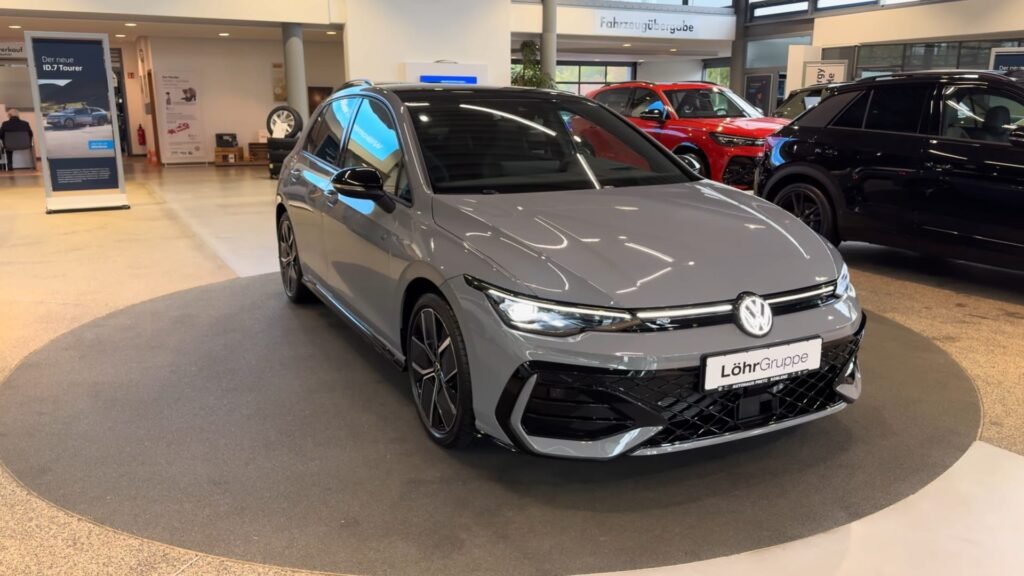
4. Volkswagen Golf — A Global Icon With Real Driving Dynamics
For nearly five decades, the Volkswagen Golf has been the reference point for compact hatchbacks. Its balance of refinement, chassis discipline, and upgrade potential has created a global community of enthusiasts—something few mass-market models can claim.
Why It Sells
- Exceptional driving balance
- High build quality for its class
- Tunable, mod-friendly EA888 engines
- Broad global presence in Europe, China, and Oceania
Expert Analysis
Despite the shift to crossovers, the Golf remains the “engineer’s hatchback.” Its MQB platform delivers a structural stiffness and suspension geometry that many compact SUVs simply cannot replicate.
Golf Key Specs
| Specification | Value |
|---|---|
| Engine | 1.4T / 1.5T / 2.0T |
| Power | 148–315 hp |
| Transmission | 6MT / 7DSG |
| Drivetrain | FWD / AWD |
| Fuel Economy | 28–38 mpg |
3. Honda Civic — The Youth Favorite and Tuner Legend
The Honda Civic continues to dominate because it connects emotionally with younger buyers while maintaining Japanese reliability. From daily commuters to the Type R performance flagship, the Civic lineup offers an unusually broad appeal.
Why It Sells
- Strong aftermarket culture
- Precise steering and engaging handling
- Efficient and durable turbocharged engines
- Consistent product identity across generations
Expert Analysis
Honda’s engineering philosophy—high compression, efficient combustion, rigid yet lightweight bodies—keeps the Civic competitive even as rivals chase larger screens and soft-touch panels.
Civic Key Specs
| Specification | Value |
|---|---|
| Engine | 2.0 NA / 1.5T / 2.0T (Type R) |
| Power | 158–315 hp |
| Transmission | CVT / 6MT |
| Fuel Economy | 31–36 mpg |
2. Ford F-Series — The Workhorse King of North America
The Ford F-Series represents something unique: a gasoline pickup with near-mythical status.
For over four decades, the F-Series has been the best-selling truck line in the United States, and its global influence remains unmatched.
Why It Sells
- Massive capability range (fleet, commercial, private)
- Proven gas V6 and V8 engines
- Modular chassis and broad configuration options
- Cultural significance in the U.S. market
Expert Analysis
The F-Series thrives because of engineering discipline: body-on-frame architecture, robust transmissions, reliable EcoBoost engines, and an endless catalog of accessories that let the truck adapt to almost any job.
F-Series Key Specs
| Specification | Value |
|---|---|
| Engine | 3.3L V6 / 2.7T / 3.5T / 5.0 V8 |
| Power | 290–450 hp |
| Towing | Up to 14,000 lbs |
| Payload | Up to 3,300 lbs |
| Fuel Economy | 17–25 mpg |
1. Toyota Corolla — The Global Sales Champion
No gasoline car in history matches the scale, cultural reach, and market consistency of the Toyota Corolla.
It is not just a vehicle—it is a global template for affordable transportation.
Why It Sells
- The world’s best-selling compact sedan
- Legendary reliability and low running cost
- Consistent fuel efficiency
- Unmatched parts availability and service network
- Ideal for families, fleets, and emerging markets
Expert Analysis
A Corolla is engineered with a single purpose: zero-drama transportation. The TNGA platform improved rigidity, handling, and safety without complicating the ownership experience.
Corolla Key Specs
| Specification | Value |
|---|---|
| Engine | 1.6 / 1.8 / 2.0 NA |
| Power | 121–169 hp |
| Transmission | CVT / 6MT |
| Fuel Economy | 32–41 mpg |
| Platform | Toyota TNGA-C |
Comparison Table: Top 5 Best-Selling Gasoline Cars
| Rank | Model | Segment | Power (hp) | Fuel Economy | Key Advantage |
|---|---|---|---|---|---|
| 1 | Toyota Corolla | Compact sedan | 121–169 | 32–41 mpg | Best reliability + global support |
| 2 | Ford F-Series | Full-size pickup | 290–450 | 17–25 mpg | Leading capability + configurability |
| 3 | Honda Civic | Compact car | 158–315 | 31–36 mpg | Strong dynamics + youthful appeal |
| 4 | Volkswagen Golf | Compact hatchback | 148–315 | 28–38 mpg | European handling + build quality |
| 5 | Toyota Camry | Mid-size sedan | 203–301 | 26–34 mpg | Proven durability + comfort |
These Five Gasoline Cars Still Matter
Electrification may dominate headlines, but in real global markets—from Southeast Asia to the Middle East to the Americas—gasoline cars continue to define mobility.
These five vehicles endure because they deliver something electric cars still struggle to match across all regions: predictable ownership cost, simple fueling, broad service networks, and proven durability under diverse conditions.
As an engineer and long-time industry observer, I see these five not as relics of the combustion era, but as refined, optimized systems that will remain relevant for years—especially in markets where infrastructure transitions slowly.
Useful: