Review From a Car YouTuber
The Mercedes CLA has long been a gateway into the brand’s sleek, coupe-inspired lineup, blending sporty aesthetics with everyday usability. For 2026, the all-new CLA arrives with a fresh platform, updated tech, and a choice between full-electric and petrol-hybrid powertrains. While the EV variant grabs headlines for its zero-emissions appeal, the petrol version—particularly the CLA 220 mild hybrid tested here—remains a compelling option for those not ready to plug in. I took it for a spin through the winding Austrian Alps near Zell am See, putting it through paces on mountain roads, highways, and urban stretches to see how it stacks up. Spoiler: it’s lighter, more agile in corners, and surprisingly efficient, but not without a few quirks.
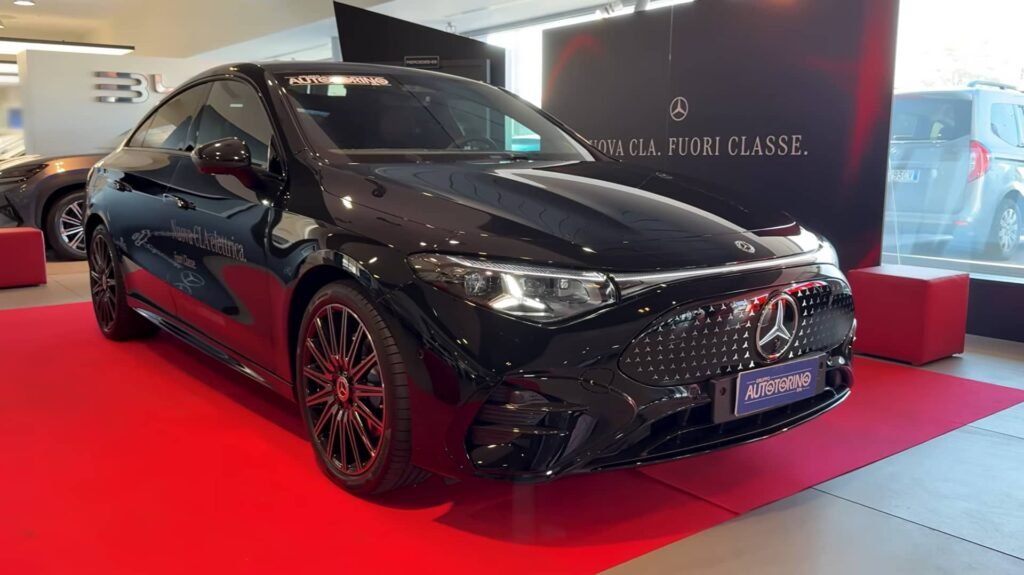
Table For Fast Learning
| Project / Item | 2026 Mercedes-Benz CLA Petrol Version (ICE) Key Specs & Review Highlights |
|---|---|
| Model | CLA 220 4MATIC Mild-Hybrid (the version tested) |
| Model Positioning | Compact four-door coupe sedan Positioned between the A-Class and C-Class, targeting young buyers with sporty styling and advanced technology; Mercedes’ entry-level “four-door coupe” icon |
| Dimensions | Length × Width × Height: 4720 × 1830 × 1439 mm Wheelbase: 2729 mm (about 50 mm longer than the previous generation) Kerb weight: approx. 1550–1650 kg (250–300 kg lighter than the EV version depending on spec) |
| Engine | All-new 1.5L turbocharged four-cylinder + 48V mild-hybrid system |
| Combined Power | 211 hp (engine 190 hp + electric motor approx. 21 hp) |
| 0-100 km/h | 7.1 seconds (official figure for the strongest petrol version) |
| Drivetrain | Primarily front-wheel drive + 4MATIC on-demand rear torque up to 40% (low-speed, snow, or sport mode) |
| Transmission | 8-speed wet dual-clutch (8G-DCT) – occasional hesitation at low speeds/downshifts |
| Suspension | Front MacPherson strut + rear multi-link, fixed damping (no adaptive dampers) |
| Wheels | 17–19 inches standard; tested with 18-inch aerodynamic wheels |
| Trunk Capacity | 405 L (identical to the EV version; fits a golf bag) |
| Real-World Fuel Economy | Approx. 6.0 L/100 km (mixed Alpine mountain roads + highway, 5–10°C) ≈ 39 mpg US / 47 mpg UK |
| Starting Price | Approx. €44,000 in Europe (£39,000 in UK); fully loaded test car around €67,000 |
| Comparison vs. CLA EQ (EV) | ✅ Lighter, more agile in corners, more natural rear leg posture, easier refueling, lower price ❌ Slightly slower acceleration, occasional DCT jerkiness, no pure-electric silence |
| Driving Impressions | ● Excellent balance between comfort and handling with classic Mercedes “floaty” ride ● Noticeably lighter and more playful in corners than the EV – lower passenger motion sickness ● Mild-hybrid allows useful downhill electric coasting |
| Interior Highlights | ● Real wood-like paper finish + red Artico artificial leather ● Return of physical volume knob ● Optional passenger entertainment screen (can play Angry Birds) ● Fixed panoramic glass roof (no manual sunshade) |
| Main Criticisms | ● Front seats lack sufficient cushion depth (poor long-distance thigh support) ● DCT occasionally jerky at low speed/downhill ● Headlights sit slightly high, making the front look a bit disjointed ● Rear headroom tight due to coupe roofline + fixed glass roof |
| Recommendation | ★★★★☆ If you don’t have convenient home charging, prefer traditional refueling, or often drive twisty roads with passengers, the petrol mild-hybrid CLA 220 is currently the more enjoyable and practical choice. |
Exterior Design: Evolutionary Elegance with Practical Touches
Mercedes hasn’t reinvented the wheel with the CLA’s styling—it’s still that signature fastback silhouette that turns heads. At 4.72 meters (186 inches) long, it’s grown slightly over its predecessor, offering a more substantial presence without feeling bloated. The petrol model distinguishes itself upfront with an open grille design, complete with tiny star motifs that add a premium flair. Unlike the sealed-off, illuminated panel on the EV, this setup aids engine cooling while maintaining the brand’s starry aesthetic.
Headlights feature optional matrix LED tech, which performed flawlessly during my drive. Oncoming traffic is neatly masked out, and the beam spreads wide for excellent night visibility. Side profiles highlight the “progressive line” trim (AMG Line is available for a sportier vibe), with aerodynamic wheel inserts on our 18-inch alloys—standard sizes range from 17 to 19 inches. The rear sports a full-width light bar with star-pattern taillights, though regulations oddly prevent a direct replication of Mercedes’ logo in the signature.
One nitpick: the headlight unit sits a tad high atop the grille, which can make the front end feel slightly disjointed. Still, in vibrant red paint, this CLA exudes confidence. And for wagon fans, the Shooting Brake variant is back, available in both petrol and EV guises.
Interior and Comfort: Premium Vibes with Some Compromises
Step inside, and the CLA’s cabin feels like a step up from the outgoing model. The progressive interior trim includes a mix of soft-touch materials, with red leather accents and a matte “paper wood” dashboard insert that mimics high-end timber—it’s tactile and classy. Physical dials make a welcome return on the steering wheel for volume and other controls, addressing feedback from previous touch-only setups. The multifunction wheel adjusts generously, though the endpoint motor whine could be refined.
Seating is a mixed bag. Our test car had progressive seats with hybrid leather—comfortable upfront but lacking in cushion depth, especially in the thigh area. Taller drivers like myself (at 1.89m) found the bolsters adequate, but sport seats with integrated headrests might suit those seeking more lateral support. Headroom is ample, even with the fixed panoramic glass roof, which includes heat-reflective layering but lacks a physical shade for ultimate insulation.
Tech-wise, the dual-screen setup shines: a 10.25-inch digital cluster and central infotainment display, with an optional passenger screen for games or navigation. Integration with Apple CarPlay and Android Auto is seamless, supporting apps like Waze. However, the lower climate controls feel cramped, and the steering wheel can obscure parts of the display in certain positions. Rear seating benefits hugely from the petrol layout—no high battery floor means deeper footwells for better leg angles. It’s snug for adults behind tall drivers, but headroom clears 1.96m frames. Trunk space matches the EV at 405 liters, expandable via a 40/20/40 split-fold bench and ski hatch—practical for weekend getaways.
Powertrain and Performance: Mild Hybrid Magic with Room for Polish
Under the hood lies a brand-new 1.5-liter turbocharged four-cylinder, paired with a mild-hybrid system for 211 horsepower and all-wheel drive (4MATIC). Acceleration hits 0-62 mph in 7.1 seconds—respectable, though entry-level variants dip to around 9 seconds with lower outputs. The chain-driven engine (debunking belt-in-oil rumors) features clever NVH tweaks, like a foam-insulated cover for quieter operation.
On the road, the mild hybrid shines in eco mode, allowing brief electric-only coasting downhill or at lights, aiding efficiency. I logged around 6 liters/100km (39 mpg US) on flat runs at 100 km/h—impressive for a car this size in chilly Alpine conditions. Power delivery feels two-stage: electric boost kicks in low, followed by the turbo for mid-range punch. Uphill climbs in sport mode keep revs high for responsive pulls, but the dual-clutch transmission occasionally stutters on downshifts, especially downhill or below 30 km/h.
Handling is a highlight. Without the EV’s battery weight, the petrol CLA feels nimble through twists, with the suspension delivering a floaty yet controlled Mercedes ride. Steering is light in comfort mode but firms up in sport for better feedback—no dead zones here. All-wheel drive sends up to 40% torque rearward at low speeds for grip in snow or corners, though it reverts to front-drive above 120 km/h for efficiency. Braking and regen work well, but no adaptive dampers mean it’s one-tune-fits-all—fine for most, but the GLB sibling gets them optionally.
EV vs. Petrol: Which CLA Reigns Supreme?
Directly pitting the petrol CLA against its electric twin reveals clear trade-offs. The ICE version’s lower weight (no massive battery) makes it more engaging in corners, reducing passenger fatigue on serpentine roads. Rear comfort edges ahead too, thanks to those lower footwells.
On the flip side, the EV offers smoother, instantaneous torque for quicker launches and a quieter cabin. Dual-motor variants pack more punch, ideal for highway merges or spirited drives. If you lack home charging, the petrol’s refueling ease wins; otherwise, the EV’s efficiency and refinement might sway you. Ultimately, it’s about lifestyle—petrol for traditionalists, EV for forward-thinkers.
Verdict: A Solid Evolution, But Not Without Flaws
The 2026 Mercedes CLA petrol hybrid refines the formula without radical changes, delivering a balanced drive that’s fun, efficient, and premium. Strengths lie in its agile handling, thoughtful interior updates, and real-world usability. Drawbacks? The transmission’s occasional hesitancy and seat cushioning could use tweaks, and I’d love more displacement for outright grunt—emotional, perhaps, but the 1.5-liter feels a touch undersized in base forms.
If you’re upgrading from the previous CLA or eyeing a stylish compact sedan, this petrol version holds strong appeal, especially in markets favoring ICE incentives. For the full picture, check the EV review—it’s a close call. Drive one yourself; the Alps await.
Test conducted in December 2025 near Zell am See, Austria. Specs and pricing based on European markets; US availability and figures may vary.
Usefull Links: