Tires are the only contact point between your car and the road, making them one of the most critical components for safety, handling, and performance. As an automotive engineer with decades of experience in vehicle dynamics, durability testing, and safety analysis, I can assert that neglecting tire health is one of the leading causes of accidents and premature vehicle wear.
Replacing tires at the right time is not just about tread depth—it involves inspecting wear patterns, structural integrity, age, and external damage. This article outlines the key signs indicating you should replace your tires immediately, combining manufacturer recommendations and real-world automotive expertise.
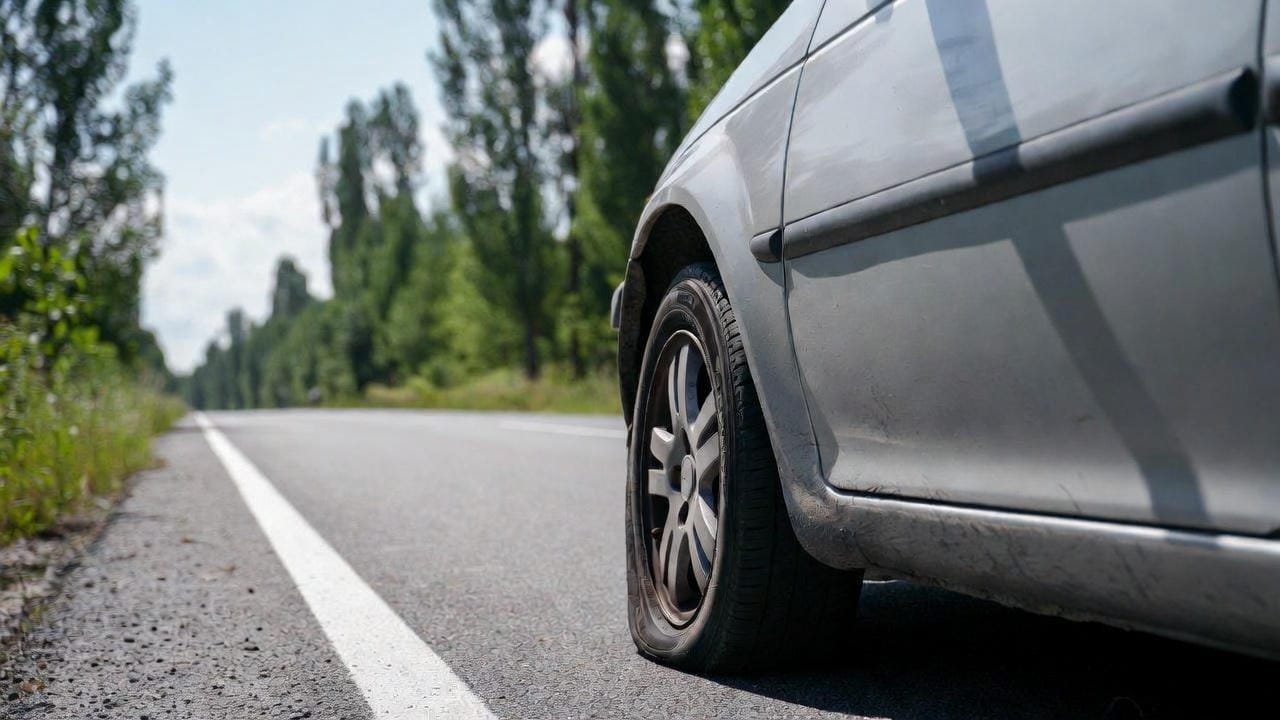
Why Immediate Tire Replacement Matters
Driving on compromised tires increases the risk of:
- Blowouts and tire failure
- Reduced braking and traction, especially on wet surfaces
- Uneven wear that can damage suspension components
- Decreased fuel efficiency and vehicle stability
Timely replacement ensures safety, preserves vehicle performance, and prevents costly repairs down the line.
Signs You Should Replace Your Tires
| Sign / Category | What to Inspect | Professional Assessment | Why Immediate Replacement Is Critical | SEO Keywords |
|---|---|---|---|---|
| Tread Depth Below Legal Limit | Use a tread depth gauge or penny test (<2/32 inch in the U.S.) | Uneven or low tread across the tire | Low traction, increased hydroplaning risk, poor braking | tire replacement, low tread depth, unsafe tires |
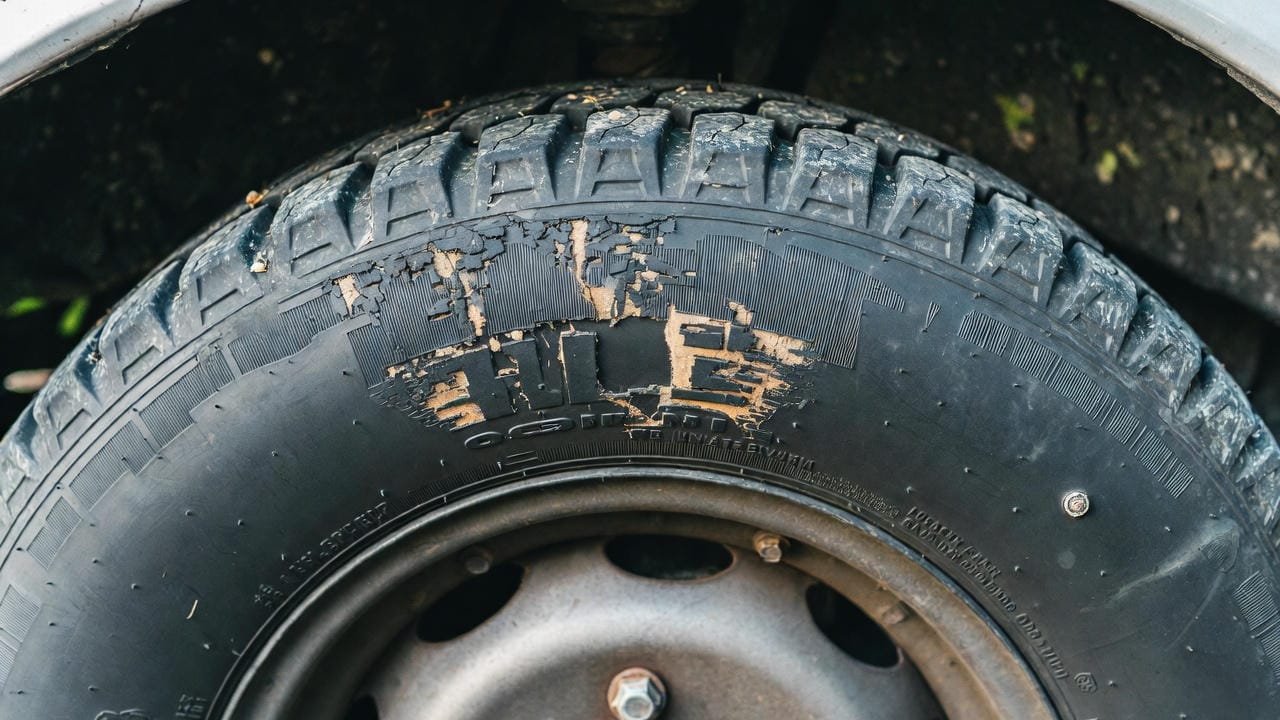
| Cracks or Dry Rot (Sidewalls & Tread) | Visible cracking, brittleness, or splitting | Inspect all four tires, including inner sidewalls | Structural weakness, high risk of blowouts | tire cracks, dry rot, tire aging |
| Bulges or Blisters | Look for raised areas or bubbles on sidewalls | Usually caused by impact damage or internal separation | Sudden tire failure under load | tire bulges, tire blowout risk, unsafe tires |
| Excessive or Uneven Wear Patterns | Inner/outer edge wear, cupping, feathering | Often caused by misalignment, suspension issues, or improper inflation | Compromised handling, increased stopping distance | uneven tire wear, alignment issues, tire replacement |
| Frequent Air Pressure Loss | Tires deflate quickly or require constant inflation | Check for punctures, valve issues, or rim damage | Can lead to sudden flats or rim damage | tire pressure loss, flat tire prevention, tire maintenance |
| Age Over Manufacturer Recommendation | Check tire manufacture date (DOT code) | Tires older than 6–10 years, even with good tread | Rubber degradation increases failure risk | old tires, tire aging, tire replacement guide |
| Vibration While Driving | Unusual vibrations at specific speeds | Could indicate internal damage, imbalance, or separation | Can cause loss of control or suspension damage | tire vibration, tire damage signs, vehicle stability |
| Visible Objects or Damage | Nails, screws, cuts, or punctures | Inspect tire surface thoroughly | Risk of slow leaks or blowouts | punctured tires, tire damage inspection, tire safety |
Expert Tips for Tire Longevity
- Regular Inspections
Perform a visual and pressure inspection at least once a month. Look for cracks, bulges, and uneven wear. - Maintain Proper Inflation
Follow manufacturer-recommended tire pressure, adjusting for load and temperature changes. - Rotate Tires Regularly
Rotating every 5,000–8,000 miles helps ensure even tread wear and extends tire life. - Monitor Alignment and Suspension
Misaligned wheels or worn suspension parts accelerate uneven tire wear. - Replace in Pairs or All Four
For optimal handling and safety, replace tires in pairs or all four rather than individually.
Safety Starts with Your Tires
Tires are non-negotiable safety components. Any of the signs listed above should trigger immediate replacement to protect yourself, passengers, and others on the road. Regular inspections, proper maintenance, and timely replacement are key strategies that automotive professionals follow to ensure longevity, safety, and peak vehicle performance.