Electric vehicles promise efficiency, low running costs, and smooth power delivery. Yet many owners are surprised when the battery state-of-charge begins falling faster than expected. As someone who has worked across OEM energy-storage engineering, thermal-management development, and EV product validation programs, I can tell you this: rapid battery drop is rarely caused by a single issue. It is the result of intertwined thermal, chemical, and behavioral factors that influence how lithium-ion cells perform in real-world driving.
This article explains, in a clear engineering context, the true reasons behind fast EV battery drain—and what owners can do to reduce it.
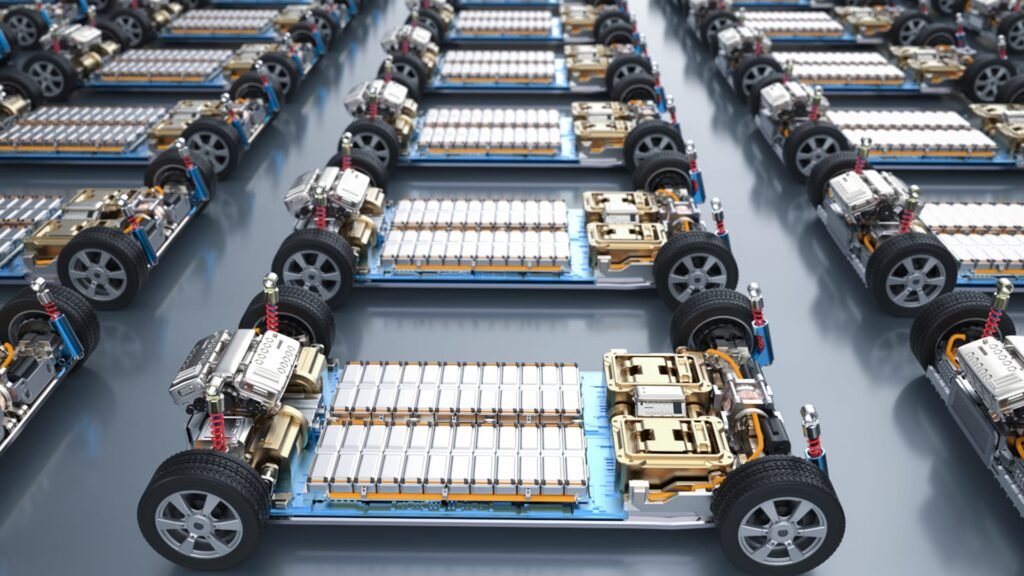
Understanding Why EV Batteries Lose Charge Quickly
Extreme Temperatures Accelerate Energy Loss
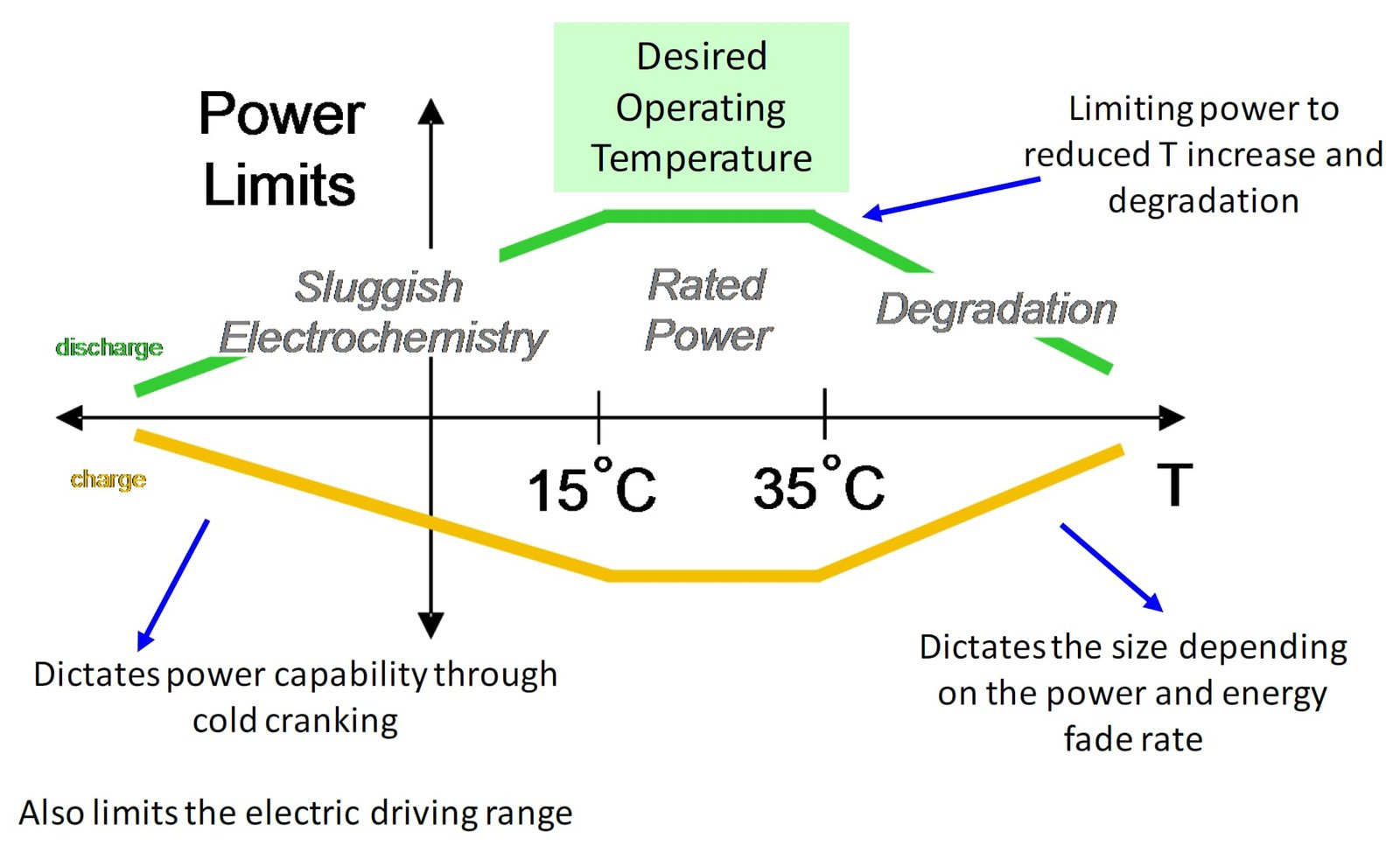
Lithium-ion cells operate most efficiently within a narrow thermal window—typically around 20°C to 35°C. Once the pack moves outside this range, the cell chemistry begins to behave differently.
High Heat
- Reduces charge acceptance and energy density
- Forces the thermal-management system to run aggressively
- Increases internal resistance, which raises consumption
High ambient heat also accelerates long-term battery degradation, making the pack appear to “drop faster” even during normal usage.
Cold Weather
- Slows lithium-ion movement inside the cell
- Reduces available power
- Triggers battery preheating, a highly energy-intensive process
It is common to see range losses of 20%–40% in sustained freezing temperatures.
2. HVAC and Cabin Climate Control Are Major Energy Consumers
Most new EV owners underestimate the energy draw of cabin heating and cooling.
Why HVAC Affects the Battery So Much
- Air conditioning requires high compressor load
- Heating uses either a heat pump or a resistive heater (the latter is very energy-intensive)
- Pre-conditioning, if done off-grid, draws directly from the battery
In real-world testing, HVAC usage can account for 15%–30% of total consumption—sometimes more in extreme climates.
3. Driving Style Strongly Influences Energy Consumption
Electric motors deliver immediate torque, but high-power demands create heat and increase battery output load.
Aggressive Driving Causes:
- Rapid energy discharge
- Greater heat generation
- Increased reliance on active cooling
- Reduced regenerative braking efficiency
Smooth acceleration and anticipatory driving significantly extend battery life and range.
4. High-Speed Driving Eats Battery Capacity
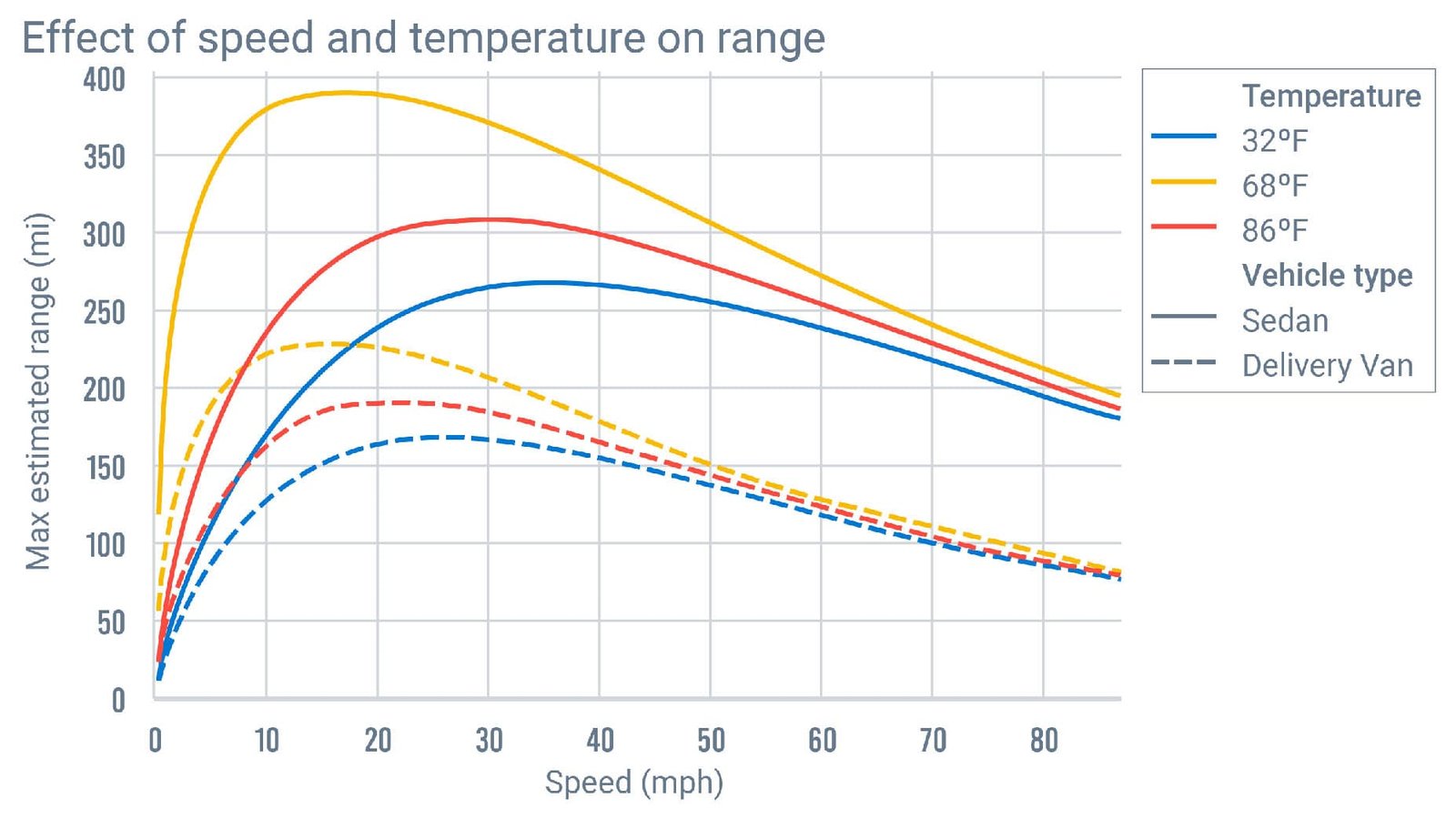
Aerodynamic drag increases exponentially with speed. At highway cruising speeds above 110 km/h (68 mph), drag becomes the dominant factor.
Outcomes:
- Energy consumption can nearly double
- Regeneration opportunities diminish
- Motor and inverter efficiency drop
This is why EVs often achieve far lower range on long-distance freeway trips compared to urban driving.
5. Frequent DC Fast Charging Raises Battery Temperature
While modern packs have sophisticated cooling circuits, repeated high-C-rate charging still raises internal temperature and accelerates battery wear.
Fast Charging Effects:
- Elevated pack temperatures
- Higher internal resistance
- Accelerated capacity fade over time
EVs that rely on DC fast chargers daily often show faster degradation than vehicles primarily charged at home on AC.
6. Software, Background Systems, and Parasitic Loads
Modern EVs are rolling computers. Advanced driver-assistance systems, high-resolution infotainment screens, data modules, and battery management systems all consume power.
Standby Systems That Drain Battery:
- Thermal management running while parked
- Remote connectivity and telematics
- Over-the-air update processes
- Security surveillance systems (cabin or exterior cameras)
This is often called “phantom drain”, and depending on the vehicle, it can range from 0.5% to 3% per day.
7. Battery State of Health (SOH) Decline
As EVs age, capacity loss becomes more apparent.
Causes of SOH Decline:
- Exposure to high heat
- Frequent fast charging
- Prolonged storage at 100% state-of-charge
- Deep discharge cycles
Even minor degradation—say 5%—makes range loss feel more pronounced because the usable capacity window narrows.
How to Slow Down EV Battery Drain
Optimize Temperature
- Park in shaded or insulated areas
- Use pre-conditioning while plugged in
- Allow the thermal system to stabilize before driving in extreme climates
Refine Driving Habits
- Use smooth acceleration
- Maintain steady speeds
- Increase regenerative braking utilization
Reduce Heavy HVAC Loads
- Use seat heaters instead of cabin heaters when possible
- Pre-condition the cabin while charging
- Avoid extreme temperature settings
Charge Strategically
- Prioritize AC charging
- Keep daily SOC between 20% and 80%
- Limit fast charging to long trips only
Minimize Phantom Drain
- Disable unnecessary background features
- Limit persistent remote monitoring
- Use “power saving” or “deep sleep” modes if available
Final Thoughts
Physics, chemistry, and real-world usage patterns influence EV battery performance. Understanding these factors enables drivers to significantly improve range stability and long-term pack health. With the right operating habits—and awareness of how temperature, speed, and charging practices affect the battery—you can maintain consistent performance and slow the pace of capacity loss.
Useful Links: