
Choosing the right engine oil is crucial for maintaining your vehicle’s performance, longevity, and efficiency. With so many options available—ranging from viscosity grades to synthetic versus conventional types—it can feel overwhelming. But fear not: this guide breaks it down step by step, drawing on key factors like your car’s specifications, climate, and driving habits. We’ll explore the essentials, backed by visual aids to make the concepts clearer.

Understanding Engine Oil Viscosity Grades
Viscosity refers to how thick or thin the oil is and how it flows at different temperatures. It’s denoted by numbers like 5W-30, where the “W” stands for winter, indicating cold-weather performance. Lower numbers before the W mean better flow in cold conditions, while higher numbers after the dash indicate thickness at operating temperatures.
For example, in colder climates, a lower viscosity oil like 0W-20 ensures quick lubrication during startup, reducing wear. In hotter environments, higher viscosity like 10W-40 provides better protection against heat breakdown.

Image Source: blog.amsoil.com
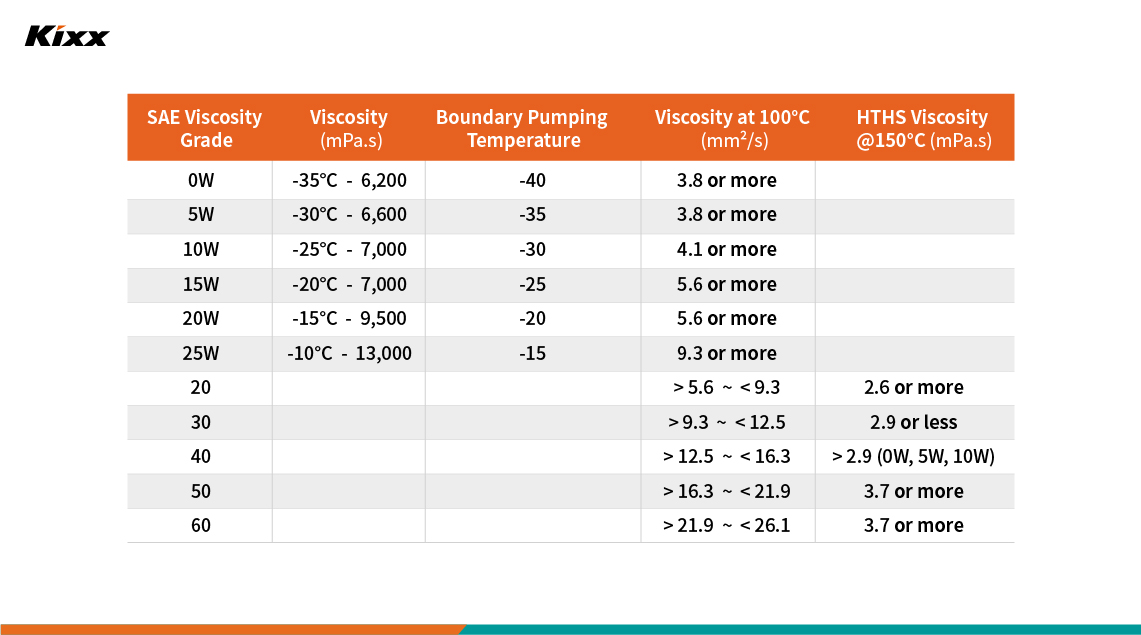
Image Source:news.kixxoil.com

Image Source:machinerylubrication.com
Always check your vehicle’s owner manual for the recommended viscosity. Using the wrong grade can lead to poor engine protection or even void your warranty.
Decoding Oil Labels: API, ACEA, and Other Standards
Engine oil labels are packed with certifications that ensure the oil meets industry standards. The American Petroleum Institute (API) rates oils with letters like SN or SP for gasoline engines (higher letters mean better performance). For diesel, look for CK-4 or FA-4.
In Europe, the Association des Constructeurs Européens d’Automobiles (ACEA) uses categories like A/B for passenger cars or E for heavy-duty engines. These standards test for factors like oxidation resistance, wear protection, and fuel economy.
Additionally, watch for OEM approvals from manufacturers like Volkswagen (VW 502.00) or Mercedes-Benz (MB 229.5), which are tailored to specific engines.

Image Source: mginfo.co.uk
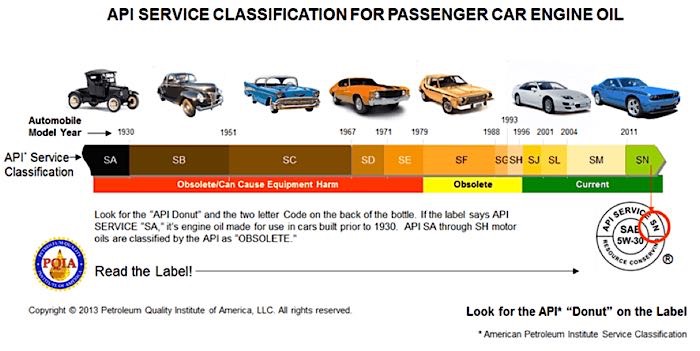
Image Source:import-car.com

Image Source: penriteoil.com.au
Matching these standards to your car’s requirements ensures compatibility and optimal performance.
Synthetic vs. Conventional Oil: Which Is Better?
Conventional oil is derived from crude oil and is cheaper but breaks down faster under extreme conditions. Synthetic oil, chemically engineered, offers superior protection, better flow in cold weather, and resistance to high temperatures—ideal for turbocharged engines or high-mileage vehicles.
Semi-synthetic (or blend) oils combine the two for a balanced option. Synthetics can extend oil change intervals (up to 10,000-15,000 miles vs. 3,000-5,000 for conventional), but they’re pricier. If your car is older and not high-performance, conventional might suffice.

Image Source: vikingbags.com
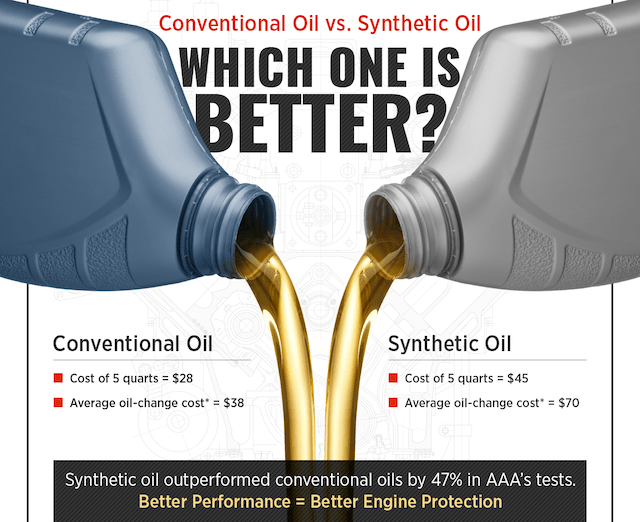
Image Source: magazine.northeast.aaa.com
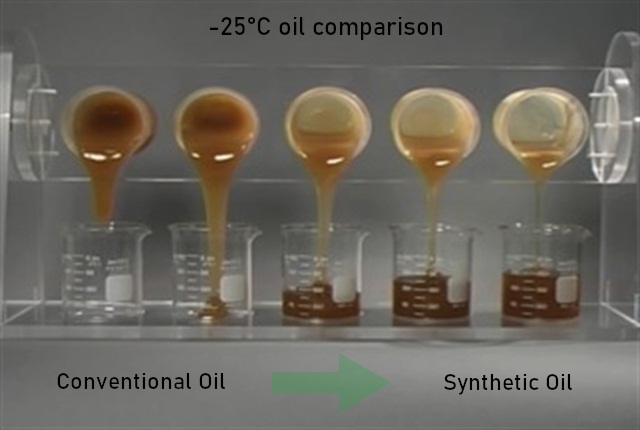
Image Source: senfineco.de
Consider your budget, driving style, and manufacturer recommendations when deciding.
Step-by-Step Guide to Choosing Engine Oil
- Consult Your Owner’s Manual: This is your bible— it specifies the exact viscosity, type, and standards required.
- Assess Your Driving Conditions: Extreme temperatures? Frequent short trips? Towing? Opt for synthetics or specific additives.
- Check Certifications: Ensure API/ACEA ratings match or exceed your car’s needs.
- Consider Oil Type: Synthetic for premium performance, conventional for basics.
- Buy from Reputable Brands: Look for trusted names like Mobil 1, Castrol, or Valvoline.
- Verify Quantity and Change Interval: Don’t overfill, and stick to recommended schedules.

Image Source: gandharoil.com

Image Source: gandharoil.com
Final Thoughts
Selecting the right engine oil isn’t just about picking a bottle off the shelf—it’s about protecting your investment. By understanding viscosity, standards, and types, you can extend your engine’s life and improve fuel efficiency. If in doubt, consult a mechanic. Regular oil changes with the proper oil will keep your vehicle running smoothly for years to come.