For decades, the Toyota Land Cruiser has stood as an icon of rugged capability, legendary reliability, and global reputation. From African bush trails to Alaskan tundra roads, the Land Cruiser carved out a niche that few SUVs could rival. Yet in the current automotive landscape — increasingly dominated by tech‑rich crossovers and highly refined luxury SUVs — a growing number of experienced buyers and industry insiders are asking a pointed question: Has the Toyota Land Cruiser been overrated?
This article examines that question not as a headline grabber but as an automotive professional — bringing context from real owner feedback, consumer review data, and design trade‑offs inherent in today’s SUV market.
Key Points
| Aspect | Key Points | Evidence / Examples | Expert Notes |
|---|---|---|---|
| Heritage vs Modern Expectations | Legendary reliability and off-road capability | Older models (80, 100 series) praised for simplicity and durability | Modern buyers expect luxury, technology, and refinement; Land Cruiser’s historic advantage is less relevant today |
| Performance & Driving Dynamics | Strong off-road hardware; rough on-road performance | Full-time 4WD, locking differentials, multi-terrain system vs. highway noise, unrefined gear shifts, heavy steering | Excellent off-road, but compromises daily driving comfort and highway refinement |
| Value Proposition | High price, limited modern luxury features | Starting price comparable to premium SUVs; interior plastics, basic infotainment | Buyers expect better tech, interior, fuel efficiency for the cost |
| Fuel Economy & Running Costs | Lagging real-world efficiency | Multiple owner reports of higher-than-advertised consumption | Affects total cost of ownership for city/road use |
| Reliability | Historically very strong; newer electronics less perfect | High-mileage older models vs. electronic/infotainment complaints in newer ones | Core mechanical durability remains excellent, but expectations vs. modern complexity differ |
| Practicality | Exceptional off-road vs. urban limitations | Wide turning radius, city maneuverability, lack of some premium features | Practicality lower for daily city use; true capability often unused |
| Resale Value | Strong but driven by brand prestige | High resale even for high-mileage units | Long-term ownership still favorable, but market may overvalue “brand legend” |
| Overall Verdict | Revered but may be overrated | Robust engineering, unmatched off-road, but compromises comfort, tech, and urban practicality | Ideal for off-road enthusiasts or long-term rugged use; less compelling for modern luxury SUV buyers |
The Legacy Advantage
There’s no disputing the Land Cruiser’s historical credibility. Early generations built a reputation for durability that few vehicles can match, often lasting hundreds of thousands of miles in unforgiving conditions with minimal mechanical failure. This legacy has shaped a strong resale value over decades and contributed heavily to the model’s cultural cachet.
Overall, older owner surveys show an exceptionally high owner recommendation rate — in some periods as high as over 90% — reinforcing the Land Cruiser’s long‑standing reputation for quality and reliability.
However, legacy alone does not guarantee modern relevance, especially when buyer expectations evolve faster than brand heritage.

Real‑World Performance vs. Perception
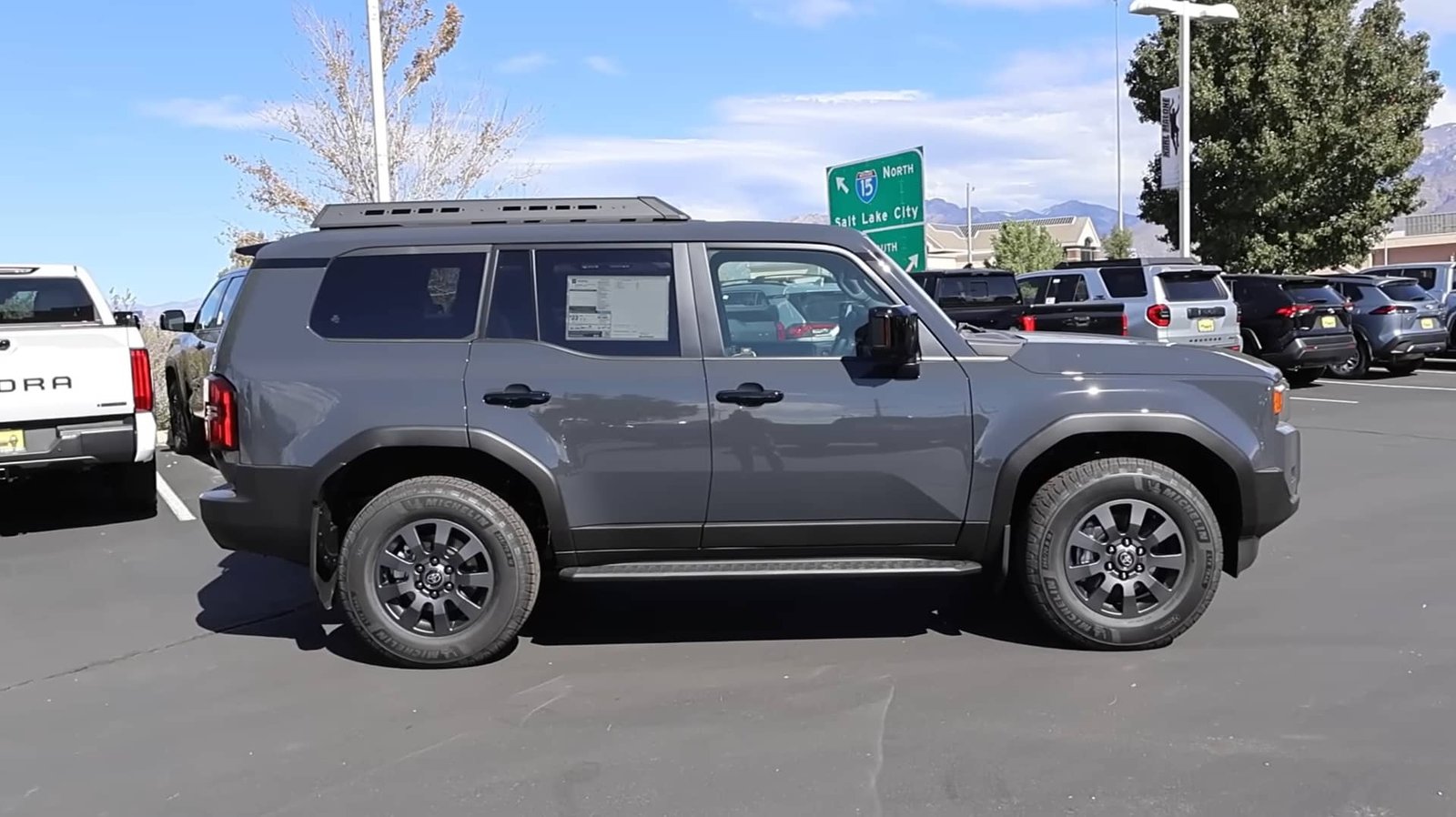
Contemporary Land Cruiser models deliver substantial off‑road capability and robust design. Yet real‑world testing and owner feedback highlight disconnects between reputation and everyday performance, particularly for the newest generations.
For example, consumer reviews for the 2025 and 2026 models point to concerns that are difficult to ignore at their price tier:
- Fuel economy under real‑world use often falls below expectations for a hybrid‑equipped SUV, despite advertised efficiency gains.
- Cabin noise and comfort issues, including wind and drivetrain noise at highway speeds, are repeatedly noted by owners who subjectively compare these traits with rivals.
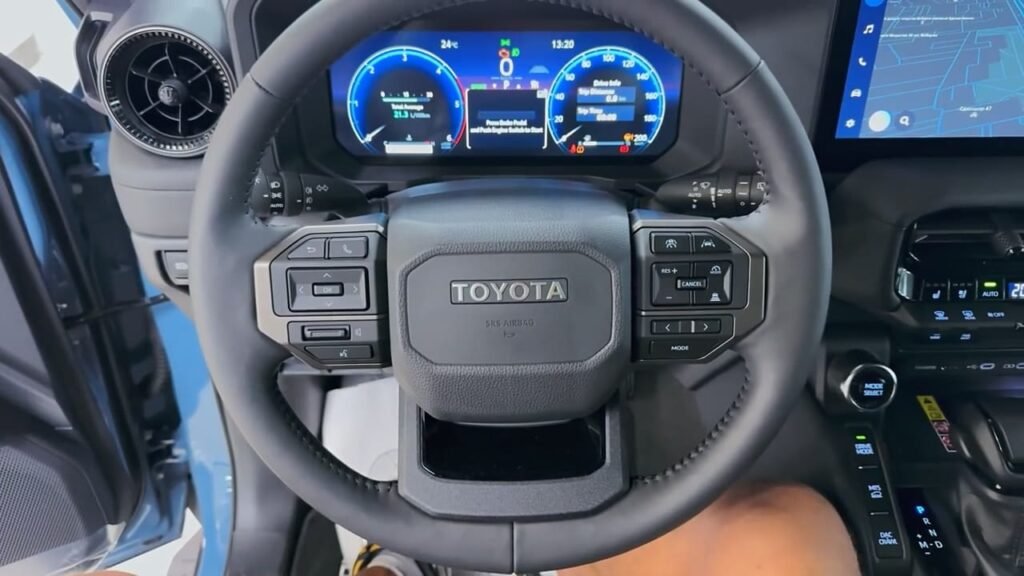
- Interior material quality and design choices have drawn criticism relative to competitors in the same price segment.
These points are not isolated complaints but trends that emerge from multiple owner reports and longer‑term reviews, suggesting that the Land Cruiser’s refinement — particularly in road manners and cabin execution — may lag behind current market expectations.

Value Proposition: Capability vs. Refinement
The Land Cruiser’s pricing positions it alongside premium SUVs that offer a different balance of strengths. In the eyes of many buyers, the Land Cruiser’s value is compromised when its off‑road strengths are weighed against everyday usability and technology presence.
Consider how consumers evaluate value at purchase:
- A vehicle in the $60,000–$75,000+ range is expected to deliver not only solid performance but competitive interior sophistication, advanced infotainment systems, and low‑effort usability.
- Land Cruiser owners have repeatedly cited mixed interior experiences, especially when compared to similarly priced rivals that offer more modern interfaces, higher‑grade finishes, and greater perceived luxury.
For a buyer who never ventures off paved roads, the Land Cruiser’s core competence — rugged terrain capability — does little to enhance daily life. This makes the value exchange less compelling for many buyers and feeds the perception that the model is overhypified outside its traditional user base.
Ownership Experience: Reliability and Complexity
A persistent part of the Land Cruiser legend is durability. It’s true that many older LC models proved exceptionally durable — often selling with high mileage and still outperforming less capable SUVs.
However, current owner reports show a more nuanced reality. Contemporary powertrains — particularly hybrid systems combined with turbocharged engines — have introduced complexity that does not align with the classic “bulletproof simplicity” many enthusiasts expect.
Compounding this, some owners describe reliability issues or poorly executed user interfaces, which further challenge assumptions that Toyota’s flagship off‑roader is always immune to typical new‑vehicle refinement drawbacks.
Market Position and Buyer Expectations
Part of why the Land Cruiser’s reputation feels inflated is market shift. What once was a standout for capability now competes against:
- Luxury SUVs that blend comfort and technology without sacrificing refinement
- Crossovers that deliver excellent road manners and advanced safety systems at lower price points
- American and European off‑road capable models offering comparable systems with more modern interiors
In many buyers’ minds, capability is one part of the value equation — but refinement, daily comfort, and tech integration increasingly matter just as much.
A Legend With Limits
Has the Toyota Land Cruiser been overrated? The honest industry answer is yes and no.
- Yes, in that the historical perception often outweighs modern execution — especially when compared to the benchmarks of contemporary luxury SUVs and daily drivers.
- No, in that its core strengths remain genuinely formidable for the right use case — serious off‑road applications and long‑term durability remain defining attributes.
The perception of overrating comes from mismatched expectations: buyers influenced by decades of legend but not fully aligned with the current model’s real‑world trade‑offs.
For professionals advising buyers today, the key is not to dismiss the Land Cruiser but to contextualize its assets and limitations honestly. It performs exceptionally well where rugged capability matters most. However, for many buyers seeking blend of refinement, comfort, and everyday value, the hype may indeed exceed the actuality.