The fundamental debate—Leasing vs. Buying—is often oversimplified. Financial advisors rarely agree on a single answer because the “cheaper” option depends entirely on your personal financial profile, driving habits, and vehicle retention schedule. This expert analysis cuts through the monthly payment façade to reveal the true total cost of ownership (TCO) for both options over a typical 10-year horizon.
Answer at Start, Buying wins in the long run.
| Financial Goal | Strategy That Wins | Key Metric to Focus On |
| Lowest Monthly Outlay | Leasing | Monthly Payment (always lower than buying) |
| Lowest True 10-Year Cost | Buying (and Keeping) | Depreciation and Interest Cost Over Time |
| Maximized Flexibility/New Tech | Leasing | Access to new vehicles every 36 months |
| Building Financial Equity | Buying | Residual Value and Final Asset Ownership |
1. The Leasing Proposition: Low Monthly Payments, High Transaction Frequency
Leasing is often marketed as the affordable option because it focuses purely on the vehicle’s depreciation during the lease term (typically 24 to 36 months), not the full purchase price.
1.1. How the Cost is Calculated
When you lease, you are essentially financing the difference between the car’s initial purchase price and its guaranteed residual value (what the car is expected to be worth at the end of the lease).
$$\text{Monthly Payment} = \left( \frac{\text{Initial Value} – \text{Residual Value}}{\text{Term in Months}} \right) + \text{Money Factor (Interest)}$$
- The Advantage (Short Run): You pay less tax (only on the monthly payment in most states) and your monthly cash flow is optimized. You always drive a new car under warranty, eliminating repair costs.
- The Hidden Cost (Long Run): You are in a cycle of perpetual payments. After 10 years, a leaser has likely executed three separate lease contracts, paid three sets of inception/disposition fees, and accumulated zero equity. The total dollar amount spent on these transactions often surpasses the total cost of buying one car outright.
1.2. Mileage and Wear Penalties
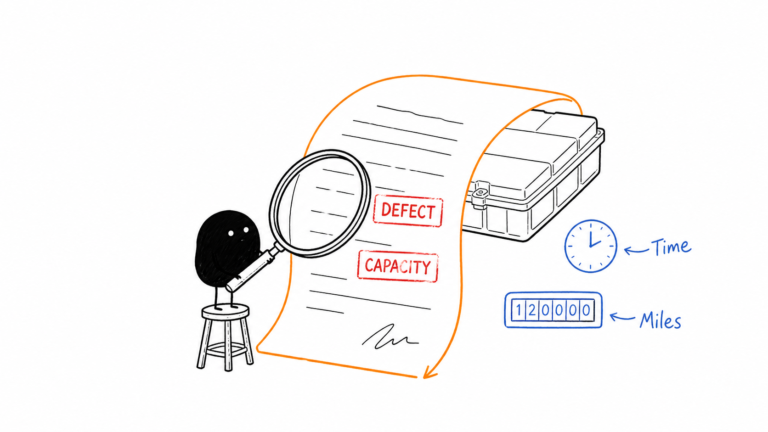
Leasing is the most expensive option for high-mileage drivers. Most leases cap you at 10,000, 12,000, or 15,000 miles per year. Exceeding this limit incurs fees of $0.15 to $0.30 per mile, which can quickly wipe out any short-term savings. Similarly, “excessive wear and tear” (dents, scratches, damaged tires) results in mandatory end-of-lease fees.
2. The Buying Proposition: High Initial Cost, Zero Payments Later
Buying involves financing the entire cost of the vehicle, which results in significantly higher initial monthly payments than leasing. However, the long-term benefit lies in the eventual elimination of the payment and the building of equity.
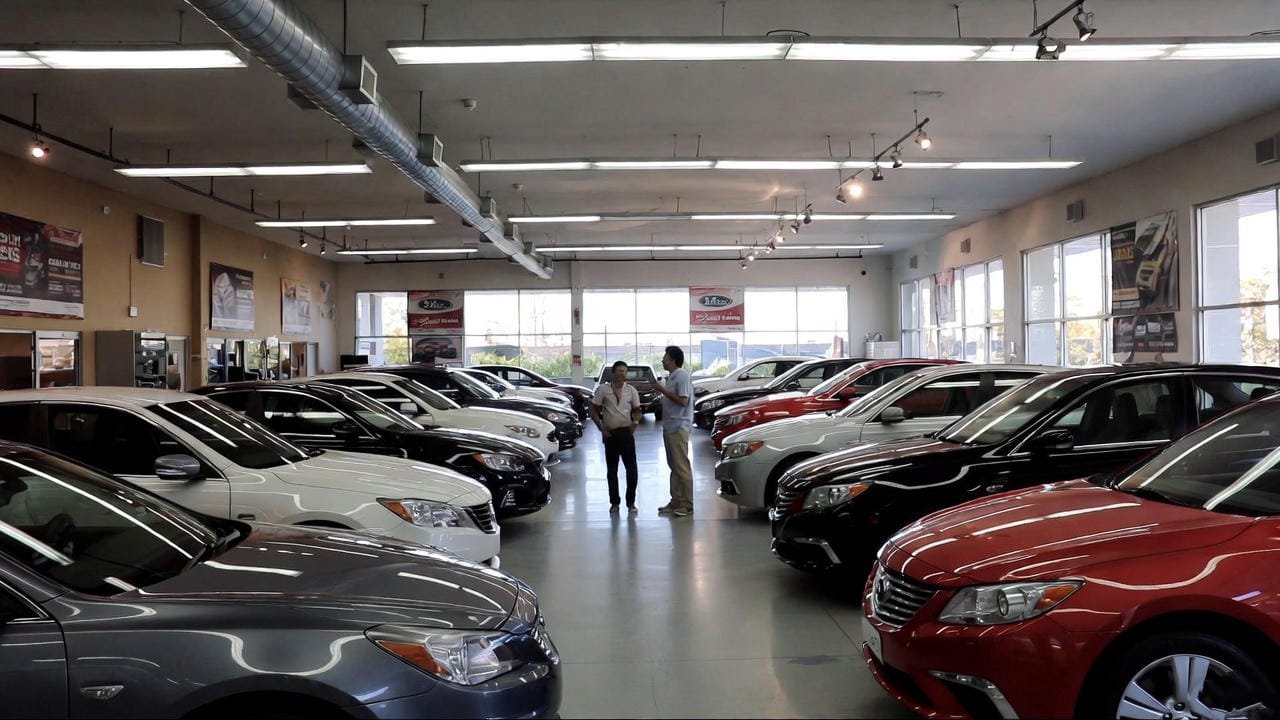
2.1. The Critical “Zero-Payment” Window
A typical car loan lasts 60 to 72 months. Once the loan is paid off, the buyer enters a critical period where the Total Cost of Ownership (TCO) plummets.
- The Buy-and-Hold Strategy: If a buyer keeps a reliable vehicle (e.g., a Honda or Toyota) for 10 years after a 5-year loan, they enjoy five years of zero car payments. This is the single biggest factor that makes buying cheaper in the long run. The money saved during these five years far outweighs the higher interest paid during the initial loan term.
- Asset Building: At the end of 10 years, the buyer owns an asset with a positive trade-in or resale value, whereas the leaser owns nothing. This residual value is a direct offset to the buyer’s TCO.
2.2. The Financial Trade-Offs
- Higher Repair Risk: Once the manufacturer’s warranty expires (typically 3 years/36,000 miles), the buyer assumes all repair costs. This is the primary counter-argument to buying.
- The Solution: Focus on purchasing vehicles with documented reliability records. The cost of a few minor repairs over 10 years is generally less than the constant transaction fees and interest costs associated with perpetual leasing.
3. The True Cost Analysis Over 10 Years
To determine which saves more money, we must compare the total cash outlay for both strategies over the same period, assuming a constant need for a car.
| Scenario (10-Year Horizon) | Total Cost Estimate | Winning Strategy For… |
| Lease Cycle (3 x 36 months) | $40,000 – $55,000 | Minimal initial cash needed; always under warranty. |
| Buy-and-Keep (5-year loan, 5 years paid off) | $35,000 – $45,000 (net) | Lowest overall dollar cost; maximum equity building. |
| Buy-and-Trade (2 x 5-year loans) | $50,000 – $60,000 | High spending; only beneficial if you drive high miles (no penalties). |
Note: These estimates are based on an average $35,000 vehicle and do not include gas or insurance.
3.1. The Opportunity Cost of Capital
An advanced financial perspective considers the Opportunity Cost.
- Leasing: Because the monthly payment is lower, the leaser has more disposable capital to invest or save. If this saved capital is invested wisely (e.g., in a market returning 7-10% annually), the returns could potentially offset the higher total car expense.
- Buying: The buyer has less disposable income during the 5-year loan term but gains the valuable 5-year zero-payment window later on, allowing for aggressive savings or debt reduction during that time.
For the average consumer, the consistent, guaranteed savings from the zero-payment window far outweigh the speculative returns needed to make leasing financially superior.
4. Making Your Decision: The Lifestyle Check
The financial analysis points to buying and holding as the long-term winner, but your lifestyle might dictate otherwise.
| Your Situation | Financial Recommendation | Rationale |
| You drive 15,000+ miles/year. | BUY. | Leasing mileage penalties will obliterate any short-term savings. |
| You prioritize a new car every 3 years. | LEASE. | Leasing is the structured, low-hassle way to trade out frequently. |
| Your goal is absolute lowest 10-year cost. | BUY (and hold for 8-10 years). | The 3-5 years of zero payments drastically cuts the TCO. |
| You use the car for business. | CONSULT CPA. | Leased vehicles often offer superior tax write-off benefits compared to purchased assets (Section 179/depreciation limits). |

Buying Wins the Long Game
In a pure dollar-for-dollar comparison over a 10-year period, the strategy of buying a reliable vehicle with an affordable loan and keeping it well beyond the loan term (Buy-and-Hold) is demonstrably cheaper than continuous leasing.
Leasing is a convenience product—it provides lower monthly payments, perpetual warranty coverage, and constant access to new technology. This convenience comes at the cost of equity and requires a persistent stream of payments. Buying is an asset accumulation strategy. The financial discipline required during the high-payment loan phase is rewarded by years of financial freedom and asset ownership later.
Useful Links:
Related XCarspace guides
Prepare for the rest of the buying process with Why Car Financing Can Be More Expensive Than You Think (And How to Stop It) and How to Secure a Car Loan Without Getting Ripped Off – The Financing Fortress.