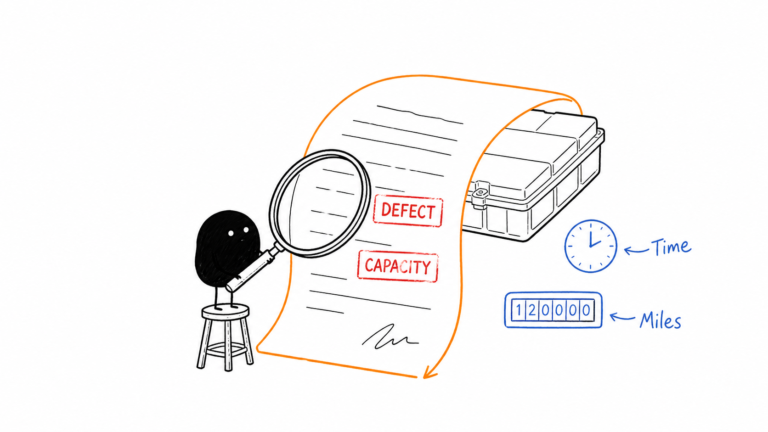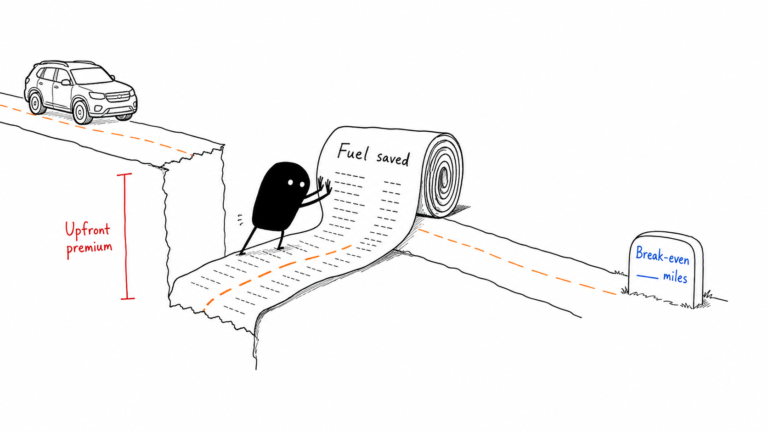
Extended warranties are one of the most aggressively sold add-ons in the automotive industry. Dealers push them. Finance managers insist on them. Advertisements frame them as “peace of mind.”
But for buyers of new cars, the real question is far more practical:
Do extended warranties actually make financial sense — or are they mostly profit generators for sellers?
This article cuts through marketing language and examines extended warranties the way experienced buyers, automotive analysts, and long-term owners do: with numbers, real-world usage patterns, and risk analysis.
What Is an Extended Warranty (And What It Is Not)
An extended warranty — more accurately called a vehicle service contract — is a paid plan that covers certain repairs after the factory warranty expires.
What it typically covers
- Engine and transmission components
- Drivetrain and internal mechanical parts
- Certain electronics (depending on plan tier)
What it often does NOT cover
- Wear items (brakes, tires, clutch)
- Cosmetic issues
- Routine maintenance
- Damage caused by neglect or modification
Important distinction:
This is not insurance. Claims can be denied if conditions are not met.
Understanding Factory Warranties: The Baseline Most Buyers Ignore
Most new cars already come with substantial coverage:
| Coverage Type | Typical Length |
|---|---|
| Bumper-to-Bumper | 3 years / 36,000 miles |
| Powertrain | 5 years / 60,000 miles |
| Corrosion | 5–12 years |
| Hybrid Components | 8–10 years |
| EV Battery | 8–10 years |
For many owners, this means zero major repair risk during the first 4–5 years — exactly the period when most cars are owned.
The Core Question: Are Repairs Likely After the Factory Warranty?
Short answer: It depends on how long you keep the car and what you drive.
Statistically:
- Most major mechanical failures occur after 80,000–100,000 miles
- Average new-car ownership in the U.S. is 6–7 years
- First owners often sell before extended coverage pays off
If you trade vehicles every 3–5 years, an extended warranty is almost always a net loss.
When Extended Warranties Can Make Sense
Extended warranties are not automatically bad. They make sense in specific, narrow scenarios.
1. You Plan to Keep the Car Long-Term (8–10+ Years)
If you intend to:
- Drive the car well past 100,000 miles
- Avoid upgrading frequently
- Maintain it meticulously
Then a well-priced warranty can cap risk exposure.
2. You Are Buying a Technology-Heavy Vehicle
Modern cars are increasingly software-driven. Repairs for:
- Infotainment systems
- Digital dashboards
- ADAS sensors
- Electronic steering and suspension
can cost $2,000–$6,000 per incident.
Luxury brands and premium trims with advanced tech benefit more than base models.
3. You Want Predictable Ownership Costs
Some buyers prioritize:
- Fixed expenses
- No surprise repair bills
- Budget stability
For them, the warranty functions more like cost smoothing than pure savings.
When Extended Warranties Are Usually Not Worth It
1. You Lease or Trade Frequently
If you rarely keep cars past factory coverage, the math is clear:
- You pay
- You never claim
- The seller profits
2. You Drive Low Annual Mileage
Low mileage dramatically reduces failure probability.
A driver averaging 8,000 miles per year is unlikely to benefit.
3. You Are Buying a Highly Reliable Brand
Brands with strong long-term reliability records already minimize risk.
In these cases, extended warranties often duplicate protection you may never need.
The Hidden Reality: Why Dealers Push Extended Warranties So Hard
Extended warranties are among the highest-margin products sold in dealerships.
Key facts:
- Markups can exceed 100%
- Sales commissions are substantial
- Pricing is highly negotiable
This is why the pitch is often emotional rather than analytical.
Rule of thumb:
If it were a great deal for the buyer, it wouldn’t be pushed so aggressively.
Manufacturer vs Third-Party Extended Warranties
Manufacturer-Backed Plans
Pros:
- Factory-trained technicians
- Better parts availability
- Easier claims processing
Cons:
- Higher upfront cost
Third-Party Plans
Pros:
- Cheaper initial pricing
- More coverage options
Cons:
- Claim denials are more common
- Repair shop restrictions
- Company solvency risk
For new cars, manufacturer-backed coverage is usually safer — if you buy at all.
The Smarter Alternative: Delay the Decision
One of the most overlooked strategies:
You do not need to buy an extended warranty at purchase.
Most manufacturers allow:
- Purchase before factory warranty expires
- Better information on reliability by year 3–4
- More negotiating leverage
This approach avoids paying interest on coverage you may never use.
A Practical Cost Comparison
| Scenario | Outcome |
|---|---|
| $2,500 warranty, no major repairs | Loss |
| $3,000 warranty, $1,200 repairs | Loss |
| $2,800 warranty, $5,000 repair | Win |
| No warranty, $800 annual repair reserve | Often best |
For many owners, self-insuring via a repair fund yields better long-term results.

Final Verdict: Are Extended Warranties Worth It?
For most new-car buyers: No.
For some long-term, high-tech, high-mileage owners: Possibly.
The decision should be driven by:
- Ownership duration
- Mileage expectations
- Vehicle complexity
- Personal risk tolerance
Extended warranties are not inherently scams — but they are frequently oversold to buyers who don’t need them.
Smart Buyer Checklist
Before saying yes:
- How long will I realistically keep this car?
- Will this coverage overlap factory warranty?
- Can I negotiate the price?
- What exactly is excluded?
- Would a repair savings fund work better?
If a salesperson cannot clearly answer these, walk away.
Bottom Line
Extended warranties are about risk transfer, not guaranteed savings.
The smartest buyers evaluate them the same way professionals do: calmly, numerically, and without pressure.
That — not fear — is how you protect your money.
Useful Links: