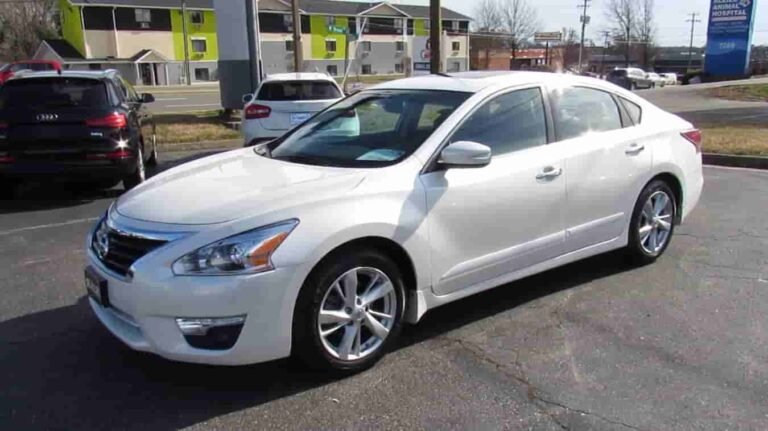
Reliability is not just a feature; it is the single most critical predictor of long-term satisfaction and total cost of ownership (TCO). A reliable car is a financial asset that minimizes unforeseen repair bills, maximizes uptime, and—crucially—retains its value exceptionally well. For the discerning American consumer, understanding which brands consistently deliver mechanical integrity is the ultimate defense against financial risk.
This professional analysis synthesizes data from leading independent sources, including long-term owner surveys (like J.D. Power and Consumer Reports) and detailed claims data, to deliver the definitive 2026 ranking of the most reliable automotive brands sold in the U.S. market. Our rankings reflect long-term durability (3-year old models) and initial quality (new models), providing a holistic view of mechanical and technological excellence.

🔑 The Reliability Metric: Measuring Faults Per 100 Vehicles (PP100)
The industry’s most trusted metric for quantifying reliability is Problems Per 100 Vehicles (PP100). A lower score signifies fewer defects reported by owners. Our ranking prioritizes brands that excel in both mechanical longevity and the proper functioning of complex in-car technology.
Key Reliability Trends for 2026
- Asian Dominance Continues: Japanese and Korean brands maintain their lead, leveraging decades of focused quality control and proven powertrain technology.
- The Technology Challenge: The biggest source of modern reliability complaints is often not the engine, but complex infotainment systems, driver-assist technology (ADAS), and electrical glitches. Brands that simplify or seamlessly integrate tech perform better.
- Mass Market vs. Luxury: High-volume, mass-market brands consistently outperform luxury brands, as complexity and low-volume production often introduce more failure points.
🥇 The Definitive 2026 Reliability Brand Ranking
Tier 1: The Reliability Elite (The TCO Champions)
These brands consistently deliver minimal maintenance issues and top resale values, making them the safest financial bets.
| Rank | Brand | Primary Reliability Driver | Key Strengths |
| 1 | Lexus | Mechanical Perfection: Dominates the luxury segment by relying on proven Toyota components, avoiding aggressive technological innovation until it’s perfected. | Powertrain durability, low incidence of in-car electronic faults, exceptional dealership experience. |
| 2 | Toyota | Durability and Simplicity: The gold standard for dependability and low TCO. Prioritizes long-term component integrity over cutting-edge speed. | Industry-best long-term durability and lowest TCO ranking; models remain reliable deep into their lifespan. |
| 3 | Mazda | Refinement and Quality Control: Has risen rapidly by focusing on high-quality cabin materials and conservative, reliable engine/transmission pairings. | Excellent build quality, low engine/transmission failure rates, minimal squeaks/rattles. |
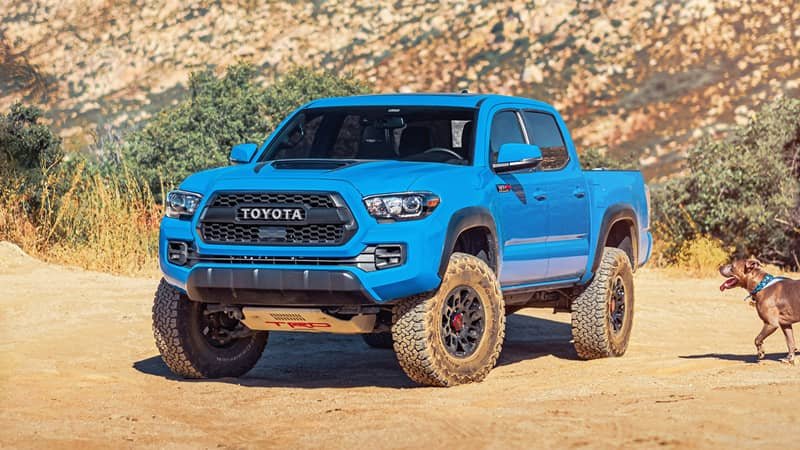
Tier 2: The Consistent Performers (High Value & Low Risk)
These brands offer exceptional value, often outperforming European and American luxury brands while offering competitive features and warranties.
| Rank | Brand | Primary Reliability Driver | Key Strengths |
| 4 | Genesis | Quality Control Focus: Hyundai’s luxury arm has rapidly climbed the rankings, leveraging the parent company’s engineering while intensely focusing on initial quality. | Initial Quality (fewer faults reported in the first 90 days of ownership) and a strong warranty. |
| 5 | Kia | Engineering Maturity: Excellent modern engineering coupled with an industry-leading 10-year/100,000-mile warranty, which provides immense risk mitigation. | Strong feature-to-price ratio backed by warranty confidence, particularly in their newer models. |
| 6 | Honda | Engineering Precision: Known for robust engines and solid platforms, though recent integration of complex touchscreens has slightly hampered their highest rankings. | Robust engine and transmission longevity, superior ride and handling engineering. |
Tier 3: The Improving Contenders (Domestic & Specialty)
These brands are making significant strides in quality, often dominating specific segments like trucks and SUVs where dependability is paramount.
| Rank | Brand | Primary Reliability Driver | Key Strengths |
| 7 | Subaru | Mechanical Focus: Extremely reliable AWD system and platform integrity, maintaining a loyal customer base due to consistent performance. | All-weather dependability, platform consistency, and strong owner satisfaction metrics. |
| 8 | Buick | General Motors’ Sleeper: Consistently performs well in reliability studies, often leveraging proven, slightly older GM platforms that have had their defects ironed out. | Strong performance in long-term dependability studies (3 years and beyond). |
| 9 | Hyundai | Mass Market Quality: Solidly reliable mid-tier brand with strong engineering backing its vast product lineup and sharing mechanical platforms with Kia. | Excellent warranty coverage and strong performance in annual dependability surveys. |
| 10 | Ram (Trucks) | Focused Improvement: While domestic brands often lag, Ram has demonstrated significant quality improvements in recent years, particularly in its full-size truck lineup. | Strong performance in the highly scrutinized full-size truck segment, where durability is critical. |

🛑 Professional Perspective: Reliability vs. Initial Quality
It is vital to distinguish between two key reliability stages:
- Initial Quality (New Car Reliability): Focuses on problems reported in the first 90 days. Brands like Genesis and Kia often score highly here due to minimal manufacturing defects.
- Long-Term Dependability (3 Years and Beyond): Focuses on problems reported after three years of ownership. Toyota and Lexus consistently dominate this category, confirming their components’ resistance to wear and tear.
The Bottom Line: If you plan to keep your vehicle for more than five years, prioritize brands excelling in the Long-Term Dependability category (Toyota, Lexus, Honda, Mazda). They offer the maximum reduction in long-term TCO.
Useful Links: