The quest for a vehicle that can reliably reach the 200,000-mile mark is fundamentally a search for financial freedom. A car that can withstand two decades of commuting and errands without needing major, catastrophic repairs is the ultimate measure of mechanical integrity and total value. These vehicles turn depreciation on its head by extending their useful life far beyond the typical 10-to-12-year ownership cycle.
Based on extensive long-term owner surveys, maintenance cost data, and professional longevity reports, we have identified the select few models that have earned the reputation as true mileage champions. These are the vehicles where robust engineering and proven components translate directly into lower total ownership costs over the long haul.

🔑 The 200K Mile Blueprint: What Defines a Longevity Champion?
A car that reliably hits 200,000 miles with “minimal repairs” must excel in key engineering areas:
- Powertrain Simplicity & Provenance: Reliance on naturally aspirated (non-turbocharged) engines and conventional automatic or continuously variable transmissions (CVTs) that have been in production for many years without major redesigns.
- Low Maintenance Cost Profile: A track record of inexpensive, readily available parts and straightforward maintenance procedures that keep routine servicing bills low.
- Resistance to Electrical Gremlins: Modern complexity can sideline a mechanically perfect car. The most durable cars limit proprietary or overly complex electronics that fail prematurely.
🥇 The Ultimate Endurance Vehicles: Tested and Proven
1. Toyota Land Cruiser / Lexus GX
- The Benchmark: While expensive upfront, the Land Cruiser (and its luxury twin, the Lexus GX) is engineered to a standard few vehicles can match, built for durability in harsh global conditions. Their robust, body-on-frame construction and proven V8/V6 engines are the definition of over-engineering.
- Why They Last: Owners consistently report reaching 200,000 miles with little more than routine fluid changes and wear-and-tear items (brakes, tires). They are true assets that hold value due to their known longevity.

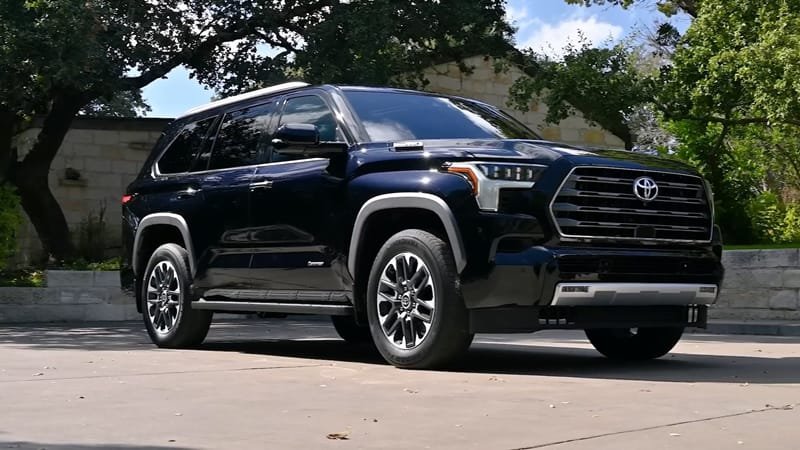
2. Toyota Sequoia / Toyota Tundra
- Domestic Truck Durability, Japanese Reliability: These full-size, body-on-frame siblings carry the torch for long-term truck durability. Unlike many competitors that rely on complex turbocharging, the Tundra/Sequoia platforms prioritize proven mechanical robustness.
- Why They Last: Their construction and established, robust V8 (in older models) or i-FORCE MAX Hybrid V6 (in newer models) powertrains are designed for constant heavy use, leading to minimal catastrophic failures.
3. Toyota Highlander / Honda Pilot
- The Family Crossover Stalwarts: These two large crossovers are the gold standard for reliable family transport. They utilize time-tested naturally aspirated V6 engines and conventional automatics, avoiding the premature wear issues sometimes associated with high-stress engines in heavy crossovers.
- Why They Last: Both models represent conservative, quality engineering focused on maximizing lifespan and reducing the cost of parts, making them ideal used buys for buyers prioritizing longevity.
4. Honda CR-V / Toyota RAV4
- The Compact Utility Standard: For sheer volume and consistency, the CR-V and RAV4 dominate the 200K+ club. They are the most common vehicles to reach high mileage because they blend efficiency with reliability.
- Why They Last: Their widespread popularity ensures mechanics are deeply familiar with their platforms, and parts are always affordable and readily available—a crucial factor in minimizing repair costs.
5. Subaru Outback
- The All-Weather Endurance: The Outback’s longevity is tied to its proven boxer engine design (in naturally aspirated form) and its symmetrical AWD system. Owners in difficult climates often keep these vehicles past 200,000 miles because their AWD integrity remains high.
- Why It Lasts: Subaru’s mechanical consistency and high-quality build materials (reflected in their high resale value) mean the car’s structure and major components rarely fail prematurely.
🛠️ The Longevity Investment: A Financial Comparison
To underscore the financial value of these endurance vehicles, here is a comparison of projected repair costs over a 10-year span (assuming 20,000 miles per year), demonstrating the impact of high-reliability on Total Cost of Ownership (TCO).
| Model | Segment | Average 10-Year Repair Cost (Projected) | Key Longevity Factor | Value Proposition |
| Toyota Land Cruiser / Lexus GX | Full-Size SUV | $5,500 – $7,500 | Over-engineered, robust body-on-frame chassis and mechanicals. | Extreme longevity, high residual value, and minimal unscheduled maintenance. |
| Toyota Sequoia / Tundra | Full-Size Truck | $6,000 – $8,500 | Proven, low-stress powertrains designed for hauling and heavy-duty use. | Best durability in the high-demand truck segment, minimizing commercial downtime. |
| Honda CR-V / Toyota RAV4 | Compact Crossover | $7,500 – $9,500 | Simplicity, low-cost maintenance, and widespread familiarity among independent mechanics. | Optimal blend of efficiency, low initial cost, and predictable long-term upkeep. |
| Subaru Outback | Midsize Wagon | $8,500 – $10,000 | Consistent AWD integrity and robust platform construction, excellent for high-mileage commuting. | Reliability in all weather conditions, minimizing downtime due to mechanical fatigue. |
| Honda Accord / Toyota Camry | Midsize Sedan | $7,000 – $9,000 | Industry staples known for simple, accessible engineering and superior resistance to engine/transmission failure. | Best choice for pure, predictable high-mileage commuting reliability. |
💡 The Owner’s Role: Maximizing Your Car’s Lifespan
Buying a longevity champion only solves half the problem. Reaching 200,000 miles with minimal repairs requires stringent owner discipline:
- Adhere to the Maintenance Schedule: Follow the Severe Service schedule if you frequently tow, drive in extreme heat/cold, or commute in stop-and-go traffic. This is a non-negotiable step for long life.
- Fluid Priority: Never neglect transmission fluid, differential fluid, or coolant changes. These are often labeled as “lifetime” fluids, but premature failure often occurs when owners treat this label literally. Change them every 60,000 to 100,000 miles.
- Address Small Problems Immediately: A minor oil leak or squeaky pulley on a 50,000-mile car can become a major engine failure at 150,000 miles if ignored.
By choosing a vehicle built for the long haul and committing to disciplined maintenance, you transform your car from a depreciating liability into a trusted, long-term asset.
Useful Links:
- God’s Foot: Volkswagen Automotive
- Top 10 World’s Truly Independent Automakers
- 2026 Toyota Land Cruiser | Toyota.com
Related XCarspace guides
Continue the safety and long-term reliability research with Most Durable SUVs for American Families – The Road Warriors and Common Car Problems After 100,000 Miles: What American Drivers Need to Know.