When evaluating a vehicle’s cost of ownership, the sticker price is just the down payment on a long-term financial commitment. The most significant and often overlooked variable is unscheduled maintenance and repair costs. Over a decade of ownership, these unforeseen expenses can easily surpass the total amount spent on fuel and insurance combined, severely undermining a budget-friendly purchase.
This professional analysis cuts through initial reliability scores to focus on long-term repair cost data, specifically tracking the cumulative expenses incurred by owners over a 10-year period. Our rankings are based on synthesized data from maintenance aggregators and long-term ownership studies, revealing the brands that translate mechanical reliability into genuine, measurable savings.

🔑 The 10-Year Cost Metric: Beyond the Warranty
We define “Lowest Repair Cost” by two critical factors:
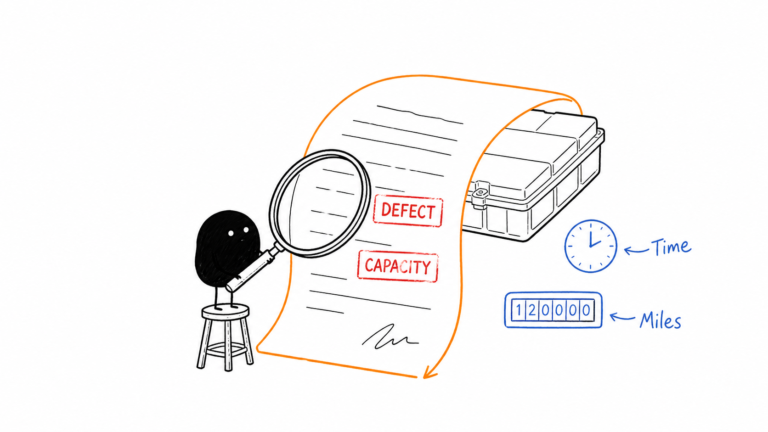
- Low Incidence Rate: The frequency of component failure. Highly reliable brands have fewer breakdowns, particularly after the standard 3-year/36,000-mile warranty expires.
- Affordable Cost of Repair (Parts & Labor): When a repair is necessary, the cost must be minimized by readily available, inexpensive parts and non-specialized labor.
The warranty covers the first few years, but the real financial test occurs between years five and ten.
🥇 The Financial Champions: Brands with the Lowest Cumulative Repair Costs
The clear leaders in this metric are brands that prioritize engineering simplicity, high-volume parts standardization, and mechanical provenance.
1. Toyota
- The Undisputed King: Toyota consistently owns the lowest position in cumulative repair costs. This is not due to luck but a deliberate engineering philosophy: prioritize longevity and proven components over fleeting technological novelty.
- Why the Cost is Low: Their sheer volume of production means parts for models like the Camry, Corolla, and RAV4 are ubiquitous and cheap. Furthermore, their mechanical simplicity means almost any independent mechanic can perform repairs, avoiding expensive dealer labor rates.
Official: Toyota Vehicles
2. Lexus
- Reliability at a Premium: Lexus achieves the rare feat of being a luxury brand with repair costs closer to mass-market brands. As Toyota’s premium division, Lexus vehicles share the same foundational mechanical engineering (engines, transmissions, platforms) as their Toyota counterparts.
- Why the Cost is Low: While Lexus parts might be slightly pricier, the incidence of unscheduled repairs is so low that the cumulative 10-year cost remains remarkably competitive, making the premium justified by long-term savings.
Official: Lexus | Experience Amazing
3. Honda
- The Engineering Standard: Honda is Toyota’s closest competitor, lauded for its robust engines and precise engineering. Models like the Civic and Accord are foundational cars known for exceeding 200,000 miles with only routine maintenance.
- Why the Cost is Low: Honda’s reputation attracts highly skilled independent mechanics familiar with their systems, and their parts pricing remains aggressive due to high global production volume.
Official: American Honda Motor Co., Inc. – Official Site
4. Mazda
- The Rising Star: Mazda has steadily improved its quality control and long-term reliability. Its philosophy of non-turbocharged engines (Skyactiv-G) and traditional automatic transmissions reduces the potential failure points found in more aggressively engineered competitors.
- Why the Cost is Low: Simpler powertrains often mean less complex diagnostic and repair processes, keeping labor hours and proprietary part requirements minimal.
Official: Mazda USA Official Site | Cars, SUVs & Crossovers | Mazda …
📊 10-Year Cumulative Repair Cost Ranking (Projected)
The following table synthesizes data on estimated cumulative repair costs for popular models within each brand over a full 10-year span (assuming average mileage and excluding routine maintenance like tires and oil changes).
| Rank | Brand | Est. 10-Year Cumulative Repair Cost (Median) | Key Factor Driving Low Cost | Financial Risk Profile |
| 1 | Toyota | $5,500 – $7,000 | Universal Parts Availability, Proven Component Simplicity. | Extremely Low |
| 2 | Lexus | $6,000 – $8,000 | Lowest Incidence Rate of Failure, Shared Toyota Mechanical Platforms. | Very Low |
| 3 | Honda | $7,000 – $9,000 | High Engineering Precision, Robust Engine/Transmission Durability. | Low |
| 4 | Mazda | $8,000 – $10,000 | Conservative Powertrain Design (Non-Turbo), Excellent Modern Quality Control. | Moderate-Low |
| 5 | Subaru | $9,000 – $11,000 | High component durability; slightly higher due to AWD system complexity. | Moderate |
| 6 | Kia | $10,500 – $13,000 | Excellent initial quality backed by a long warranty; costs rise sharply post-warranty expiration. | Moderate |
| 7 | Hyundai | $11,000 – $13,500 | Strong value proposition; costs slightly higher than Kia due to wider product spread. | Moderate |
| 8 | Chevrolet / GMC | $14,000 – $16,000 | Variability by model (Trucks are better than passenger cars); costs driven by electrical and ancillary system failures. | Moderate-High |
| 9 | Ford | $15,000 – $18,000 | High variability; costs driven by complex EcoBoost engines and early transmission issues in some models. | High |
| 10 | BMW / Mercedes-Benz | $19,000 – $25,000+ | High-cost specialized parts, proprietary diagnostic equipment required, and complex systems (air suspension, turbos). | Very High |
🛑 The Hidden Cost: The Luxury Tax on Repairs
The disparity between Japanese/Korean brands and European luxury brands is not solely a measure of part failure; it is a measure of the Cost Multiplier on every repair.
- Labor: Dealership labor rates for a Mercedes-Benz can easily be 50-100% higher than the rate at an independent mechanic specializing in a Honda.
- Parts Specialization: European brands often require specialized parts sourced only through the dealer network, eliminating competitive pricing.
- Complexity: A simple oil leak on a European vehicle often requires hours of labor to access due to tight engine packaging and proprietary tools, multiplying the repair bill.
The Longevity Investment
The decision to buy a brand with low 10-year repair costs is the ultimate form of financial insurance. It minimizes the largest unbudgeted financial shock most vehicle owners face, ensuring that your low purchase price remains a low Total Cost of Ownership for a decade or more.
Useful Links:
Related XCarspace guides
Continue the safety and long-term reliability research with Are European Cars Worth the Higher Maintenance Costs? and Cars With the Longest Engine Warranty in 2026.