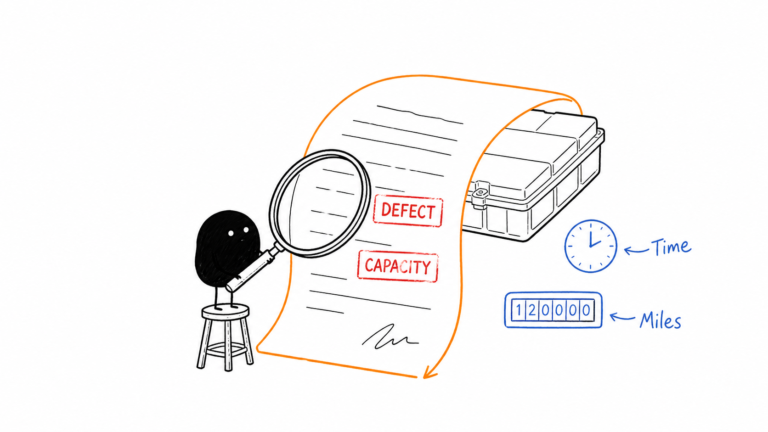
For millions of American drivers, hitting 100,000 miles on the odometer feels like a milestone—and often a turning point. Many vehicles on U.S. roads today are built to last longer than ever, thanks to better engineering and materials. Yet data from sources like Consumer Reports and AAA consistently show that repair frequency and costs start climbing noticeably around this mark. The average age of vehicles in the U.S. is now over 12 years, with plenty pushing well past 100k miles, but neglect or just plain wear can turn a reliable daily driver into a money pit.
As someone who’s spent years talking to mechanics, reviewing repair data, and tracking owner experiences across forums and surveys, I’ve seen the same patterns emerge. The good news? Most issues are predictable. Catch them early through regular inspections, and you can often extend your car’s life significantly. Ignore the warning signs, and you’re looking at bills that could rival a down payment on a newer model.
In this guide, we’ll break down the most frequent problems American drivers face after 100,000 miles, backed by real-world trends from repair shops and reliability studies. We’ll also cover costs, symptoms to watch for, and practical advice on whether to fix or walk away.
Why 100,000 Miles Is a Key Threshold
There’s no magic cliff at exactly 100,000 miles, but it’s when cumulative wear on rubber seals, fluids, bearings, and electronics often reaches a tipping point. Highway commuters might see fewer issues than city drivers who rack up stop-and-go miles. Climate plays a role too—salt belt states deal with more rust, while hot southern regions accelerate coolant and belt degradation.
Reliability leaders like Toyota and Honda frequently sail past 200,000 miles with basic care, while some domestic and European models start demanding bigger repairs sooner. The bottom line: proactive maintenance beats reactive repairs every time.
The Most Common Mechanical Issues After 100k Miles
Here are the problems mechanics report most often, based on nationwide repair data and owner surveys.
Transmission Troubles
Automatic transmissions take a beating over time, especially in stop-and-go traffic common in American suburbs and cities. Fluid degrades, seals harden, and solenoids fail. CVT transmissions (found in many Nissans and some Subarus) are particularly prone to early issues.
Symptoms: Slipping between gears, delayed shifting, whining noises, or a burning smell. Typical Cost: Fluid change runs $200–$400; full rebuild or replacement can hit $2,500–$5,000. Prevention: Change transmission fluid every 60,000–80,000 miles, even if the manual says “lifetime.”
Suspension and Steering Wear
Shocks, struts, bushings, and ball joints absorb countless potholes and speed bumps. By 100k, they’re often shot, leading to a floaty or harsh ride.
Symptoms: Excessive bouncing after bumps, uneven tire wear, clunking over imperfections, or pulling during braking. Typical Cost: Shocks/struts replacement $800–$1,500; full front-end work can exceed $2,000. Prevention: Rotate tires regularly and have alignments checked annually.
Engine Wear and Timing Belt/Chain Issues
Engines themselves are remarkably durable, but accessories and timing components aren’t. Oil consumption rises as piston rings and valve seals wear. Timing belts (common in many Hondas and older VWs) need replacement around 90k–110k miles.
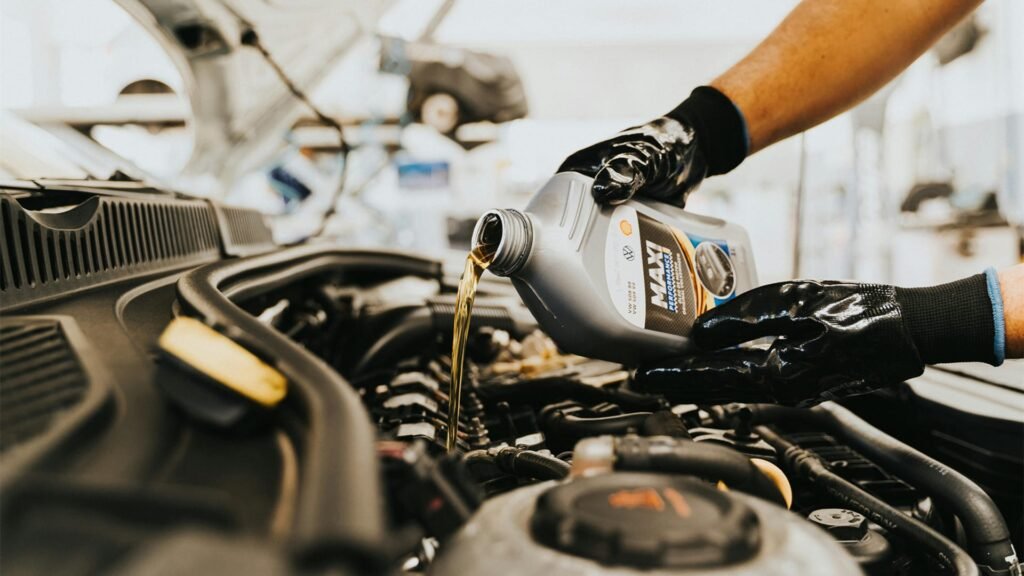
Symptoms: Blue exhaust smoke, ticking noises, reduced power, or check-engine lights for misfires. Typical Cost: Timing belt job $600–$1,200; head gasket repair $1,500–$3,000. Prevention: Follow severe-service oil change intervals (every 5,000 miles for many drivers) and use quality synthetic oil.
Cooling System Failures
Radiators, water pumps, and thermostats corrode or seize over time. Overheating is a killer for high-mileage engines.
Symptoms: Temperature gauge climbing, coolant leaks, or steam from under the hood. Typical Cost: Water pump $500–$900; radiator replacement $700–$1,200. Prevention: Flush coolant every 5 years or 100,000 miles.
Brake and Exhaust Problems
Brake pads and rotors wear predictably, but calipers and lines corrode. Catalytic converters and oxygen sensors often fail around this mileage, triggering emissions issues.
Symptoms: Squealing brakes, exhaust leaks (loud rumbling), or failed emissions tests. Typical Cost: Full brake job $400–$800 per axle; catalytic converter $1,000–$2,500. Prevention: Inspect brakes annually and avoid riding the pedal in traffic.
Electrical and Sensor Malfunctions
Modern cars rely heavily on sensors and modules. Alternators, batteries, and wiring harnesses degrade, especially in extreme weather.
Symptoms: Dim lights, slow cranking, random warning lights, or dead accessories. Typical Cost: Alternator $600–$1,000; oxygen sensor $200–$400 each. Prevention: Test the battery yearly and keep connections clean.

High-Mileage Repair Costs at a Glance
Here’s a practical breakdown of average repair costs based on 2024–2025 data from AAA, RepairPal, and shop estimates (parts + labor, national averages). Costs vary by region and vehicle make.
| Problem | Common Symptoms | Average Repair Cost | Worth Fixing? (Vehicle Value >$5k) |
|---|---|---|---|
| Transmission rebuild/replacement | Slipping, delayed shifts | $2,800–$4,500 | Often no—consider trading in |
| Suspension overhaul (shocks/struts) | Bouncy ride, clunks | $1,000–$2,000 | Usually yes |
| Timing belt + water pump | Ticking, overheating risk | $800–$1,400 | Yes—prevents catastrophic failure |
| Head gasket | Overheating, white smoke | $1,800–$3,000 | Depends on overall condition |
| Catalytic converter | Check engine light, poor performance | $1,200–$2,500 | Yes for emissions compliance |
| Alternator | Battery warning light, dim headlights | $700–$1,100 | Almost always yes |
| Full brake job (both axles) | Squealing, soft pedal | $800–$1,500 | Yes—safety critical |
How to Keep Your Car Running Strong Past 100k Miles
The vehicles that reach 200,000+ miles share one thing: owners who stay on top of maintenance. Follow your manufacturer’s severe-service schedule (most American driving qualifies). Budget $800–$1,200 annually for upkeep after 100k. Get a pre-purchase style inspection from an independent mechanic every year—they’ll spot developing issues early.
Small investments like synthetic oil, quality filters, and timely fluid changes pay off big. Many owners I know swear by adding a fuel system cleaner every 30,000 miles and using top-tier gasoline.
When to Repair vs. When to Replace the Car
This is the toughest decision. If your vehicle is worth $6,000–$8,000 (check Kelley Blue Book private-party value), spending up to half that on repairs can make sense—especially if it’s paid off. But a $4,000 transmission quote on a $5,000 car? That’s usually the signal to start shopping.
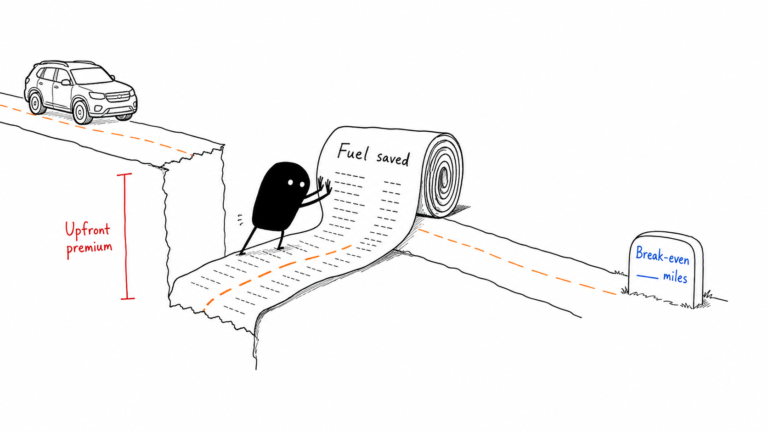
Factor in fuel economy too. Many high-mileage cars from the 2010s get 25–30 mpg; newer models often exceed 35 mpg, saving hundreds yearly on gas.
Bottom Line
Reaching 100,000 miles doesn’t mean your car is doomed—far from it. With awareness of these common issues and consistent care, plenty of American drivers keep their vehicles running reliably for another 100k. The key is listening to your car, addressing small problems before they snowball, and making informed choices about repairs.
If you’re facing one of these issues right now, start with a trusted independent shop for an honest diagnosis. A little knowledge goes a long way toward keeping more money in your pocket and your car on the road. Safe driving.
Useful Links:
Related XCarspace guides
Continue the safety and long-term reliability research with 9 Cars Proven to Surpass 200,000 Miles with Minimal Repair Costs and How Often Do New Cars Really Break Down? A Data-Driven Reality Check.