The notion that “they don’t build them like they used to” has moved from nostalgic complaint to an observable industry trend. While modern engines are technically more advanced than ever before, comprehensive reliability data suggests that new vehicles are, paradoxically, experiencing more owner-reported problems than their predecessors. This is not a mechanical failure but a technological failure—a fundamental shift in what defines automotive reliability.
This professional analysis dissects the factors driving this perceived decline, focusing on the transition from mechanical durability to digital complexity. We will examine the data trends from leading surveys, pinpointing where modern vehicles fall short and determining whether this complexity translates into higher long-term repair costs compared to the simpler models of a decade ago.
🔑 The Reliability Redefinition: From Hardware to Software
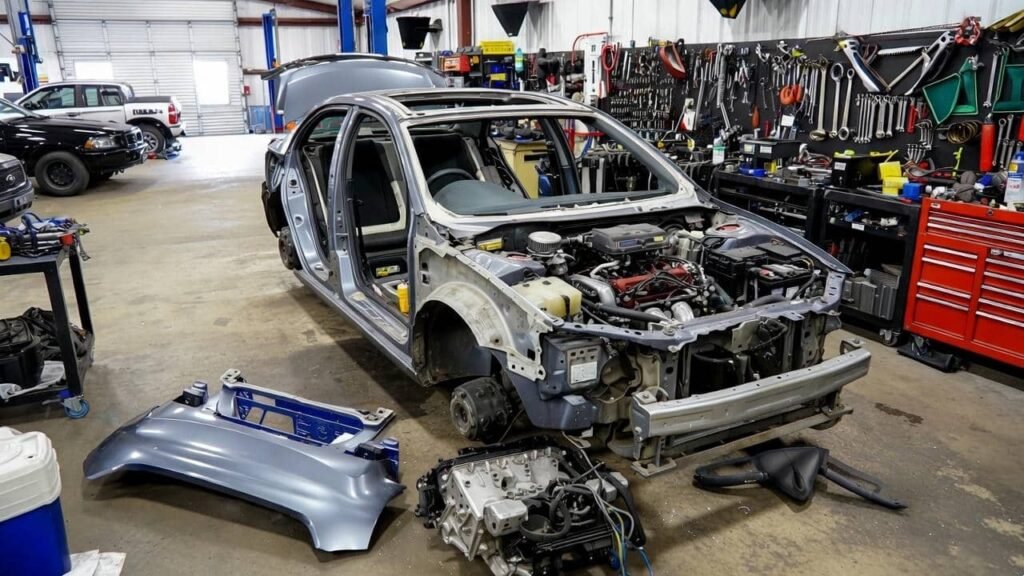
In the past, reliability was measured by the durability of the engine, transmission, and frame. A breakdown meant a mechanical failure. Today, the most frequent owner complaints center on the seamless operation of digital systems.
The PP100 Shift (Problems Per 100 Vehicles)
Leading industry surveys consistently show that the number of problems reported per 100 vehicles (PP100) has increased, even as traditional powertrain reliability has remained high.
- Then (2010s): High PP100 scores were driven by engine, transmission, or body integrity issues.
- Now (2020s): High PP100 scores are overwhelmingly driven by problems related to:
- Infotainment Systems: Connectivity issues (Apple CarPlay/Android Auto), glitchy touchscreens, slow response times.
- Driver-Assist Systems (ADAS): False warnings, malfunctioning sensors, or unreliable lane-keeping assists.
- Battery and Charging Systems: Electrical gremlins in 12V and auxiliary batteries, especially in stop/start systems.
Professional Insight: Modern cars are experiencing more glitches than breakdowns. While a software glitch won’t strand you on the highway, it erodes the perception of reliability and increases the frequency of required, warranty-covered service visits.
🛑 The Two-Front War: Engine Downsizing vs. Electrical Complexity
The increased problem rate stems from two major engineering trends that introduce points of failure.
1. The Engine Downsizing Effect (Complexity over Simplicity)
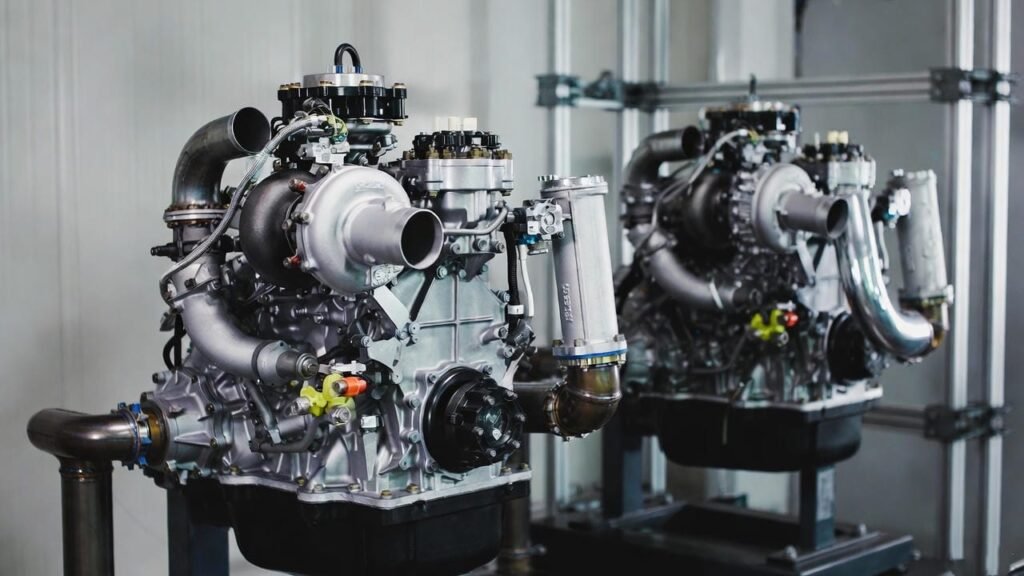
Modern engines rely on turbocharging and direct injection (GDI) to maximize power from small displacement. While efficient, this introduces high stress:
- Thermal Load: The turbocharger’s extreme heat accelerates the degradation of nearby hoses and seals.
- GDI Issues: GDI is prone to carbon buildup on intake valves, leading to performance issues and expensive remediation after 50,000–80,000 miles—a problem nearly absent in older, naturally aspirated engines.
- The Verdict: Modern powertrains can be reliable, but their long-term durability is highly dependent on design quality and owner maintenance adherence (strict, premium oil changes).
2. The Digital Overload (Failure by Features)
Every new feature—from a hands-free power liftgate to complex multi-screen interfaces—is a new potential point of failure.
- Integrated Systems: Unlike standalone audio systems of the past, modern infotainment systems are deeply integrated with climate control and vehicle settings. A single software bug can lock up multiple critical functions.
- Semiconductor Sensitivity: Modern cars are rolling computers with hundreds of microchips. Software updates (OTA) are required, but they often introduce new, unpredictable bugs, diminishing the owner’s sense of “set-it-and-forget-it” reliability.
📊 Comparative Reliability: The Component Failure Shift
This table illustrates the fundamental change in the source of long-term reliability issues when comparing vehicles from the 2010 model year (an older benchmark) to 2023/2024 models.
| Problem Category | Older Models (2010) | Modern Models (2024) | Financial Impact Shift |
| Powertrain Failure | High (Transmission failure, head gaskets) | Low (Engine block integrity is high) | Fewer catastrophic failures, but engine ancillary parts are costlier. |
| Infotainment/Connectivity | Low (Simple CD/Aux systems) | High (Glitches, lag, phone connection issues) | High owner frustration, but repairs are usually covered under warranty/software patches. |
| ADAS/Sensor Malfunction | Absent | High (False warnings, calibration errors) | Moderate repair cost—sensor replacement and recalibration are labor-intensive. |
| Major Electrical Issues | Moderate (Alternators, starters) | High (Battery drains, parasitic draws from complex modules) | Diagnosing complex electrical issues requires specialized, expensive dealer diagnostics. |
| Long-Term TCO (Maintenance) | Low (Parts are cheap, labor is simple) | High (Proprietary parts, specialized tools needed for basic repairs) | Long-term ownership is more expensive due to component cost and system complexity. |
💡 The Financial Verdict: New Car vs. Old Car Reliability
The perception that new cars are less reliable is based on the frequency of problems, not necessarily the severity of breakdowns.
- New Cars (2020s): Offer superior safety, fuel economy, and initial warranty protection. However, they demand a higher maintenance budget after the warranty expires due to expensive electronics, high-pressure engine components, and specialized dealer labor needed for advanced diagnostics.
- Older Cars (Pre-2015): Offer simpler, robust mechanical durability (especially NA engines) that may be cheaper to fix outside of the dealer network. However, they lack modern safety features and fuel economy.
Conclusion: The reliability paradox is a trade-off: Modern cars break down less, but they malfunction more. The “truth” is that the TCO for a new, complex vehicle is likely higher after the warranty expires than for a simpler, well-proven 10-year-old vehicle, primarily due to the cost of fixing high-tech components.
Useful Links: