Buying a used car in today’s market is a high-stakes game of “spot the red flag.” There are mostly possible some Hidden Damage in a Used Car. While a clean CARFAX or Autocheck report is a great starting point, any seasoned mechanic will tell you they aren’t infallible. Accidents involving self-repair, private settlements, or fleet vehicles often never make it onto a digital report.
To truly protect your investment, you need to look past the fresh wax and tire shine. You need to look for the “scars” that body shops try to hide. This guide moves beyond the basic “check the oil” advice and dives into the forensic details of automotive inspection.
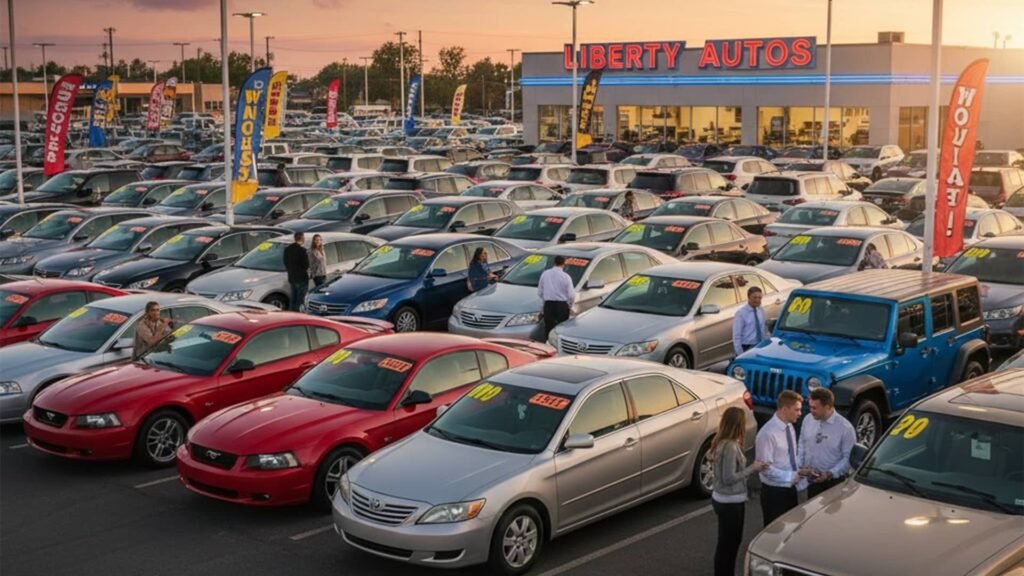
1. The “Panel Gap” and Paint Texture Test
Manufacturers use high-precision robots to ensure that the gaps between doors, fenders, and hoods are uniform. Human hands and aftermarket parts rarely achieve this level of perfection.
- The Sightline Test: Squat at the front corners of the car and look down the side. The reflection should be as smooth as a mirror. If the reflection “waves” or looks like an orange peel, that panel has been repainted.
- The Fingertip Gauge: Run your fingers along the gaps between the hood and the fenders. If the gap is wider on the left than the right, the front structure has likely shifted due to an impact.
- The Bolt Heads: Open the hood and look at the bolts securing the fenders. If the paint on the bolt heads is chipped or scratched, those panels have been removed or realigned—a major red flag for front-end collision repair.
2. Identifying Structural and Frame Compromise
Frame damage is the ultimate deal-breaker. A car with a compromised “unibody” will never handle correctly in a second accident and will suffer from chronic alignment issues.
- The Trunk Floor Secret: Pull up the carpet in the trunk to expose the spare tire well. Look for jagged welds, “crumpled” metal, or patches of fresh, non-matching sealant. This area is rarely straightened perfectly after a rear-end collision.
- The “Pillars” and Weatherstripping: Pull back the rubber weatherstripping around the doors. You should see uniform, circular “spot welds” from the factory. If the metal underneath is smooth or shows signs of sanding and body filler (Bondo), the car may have been involved in a rollover or T-bone accident.
- The Radiator Support: Check the plastic or metal shroud that holds the radiator. If it looks significantly newer (cleaner) than the rest of the engine bay, it was likely replaced following a front-end impact.
3. Detecting the “Silent Killer”: Flood Damage
With major storms hitting the U.S. every year, flood-damaged cars frequently enter the used market with “washed” titles. These cars are electrical nightmares waiting to happen.
- The “Sniff” Test: Close the windows and let the car sit for a few minutes. If it smells like heavy perfume or cleaning chemicals, the seller might be hiding the scent of mildew.
- The Seat Rail Corrosion: Slide the seats all the way forward. Inspect the metal rails and bolts. Surface rust on these components is nearly impossible in a dry car; it’s a classic sign of standing water inside the cabin.
- The Dashboard Crevices: Take a small mirror and look behind the dashboard or under the seats. Search for fine silt or dried mud in areas that a detailer’s vacuum can’t reach.
4. Mechanical Red Flags During the Test Drive
A car can look perfect sitting still but reveal its secrets at 60 MPH.
- The “Hands-Off” Tracking: On a flat, quiet road, momentarily loosen your grip on the steering wheel. If the car immediately veers to one side, it’s not just an alignment issue; it could be a bent control arm or a tweaked frame.
- The Brake Pulse: Heavy vibration through the pedal during braking suggests warped rotors, but a “shudder” in the steering wheel during braking often points to worn-out bushings or suspension damage from hitting a curb at high speed.

Used Car Inspection Checklist: The “Quick-Reference” Guide
| Inspection Point | What to Look For | What it Indicates |
| VIN Stickers | Missing stickers on doors or hood. | The panel was replaced with an aftermarket part. |
| Tire Wear | Uneven wear (inner or outer edge). | Suspension damage or serious alignment/frame issues. |
| Paint Overspray | Paint on rubber seals or plastic trim. | Low-quality body shop repair/respray. |
| Fluid Color | Strawberry-milkshake colored transmission fluid. | Radiator leak or flood water contamination. |
| Exhaust Smoke | Blue smoke (oil) or thick white smoke (coolant). | Internal engine damage or head gasket failure. |
| Dashboard Lights | The “Check Engine” light not appearing during ignition. | The bulb may have been removed to hide a fault. |
5. The Pro’s Secret Weapon: The Paint Depth Gauge
If you are serious about a high-value used car, spend $30 on a digital paint depth gauge (mil gauge).
Factory paint is usually between 4 to 6 mils (thousandths of an inch) thick. If you find a spot that reads 12 or 20 mils, you have found body filler. No matter how much the salesperson denies an accident, the gauge doesn’t lie. It is the single most effective way to prove a car has had bodywork.
Final Recommendation: The PPI
No amount of personal inspection replaces a Pre-Purchase Inspection (PPI) by a trusted third-party mechanic. For roughly $150–$250, they can put the car on a lift and see the “hidden” side of the vehicle. If a seller refuses to let you take the car for a PPI, walk away immediately. There is always another car, but there isn’t always another $20,000 in your bank account.
Useful Links:
- New vs. Used Cars in 2026: Which Is the Smarter Choice for Your Wallet?
- Used Cars for Sale Online Near Me
Related XCarspace guides
Prepare for the rest of the buying process with CPO Demystified: Are Certified Pre-Owned Cars Truly Worth the Premium Price Tag? and How to Avoid Being Scammed at a Car Dealership: A Professional Advisor’s Guide.