Despite the billions of dollars in federal subsidies and the relentless marketing of a “gas-free” future, the American car buyer remains stubbornly cautious. While early adopters and tech enthusiasts have flooded the coastal markets with Teslas and Rivians, the heartland of the U.S. is still asking the same fundamental question: “Will this thing actually get me there?”
Range anxiety isn’t just a psychological hurdle; it is a calculated response to the unique geography and infrastructure of North America. Unlike Europe or China, the U.S. is a nation defined by “the long haul.” This article deconstructs the technical, environmental, and logistical reasons why EV range remains a legitimate concern in 2025 and what buyers need to know before making the switch.
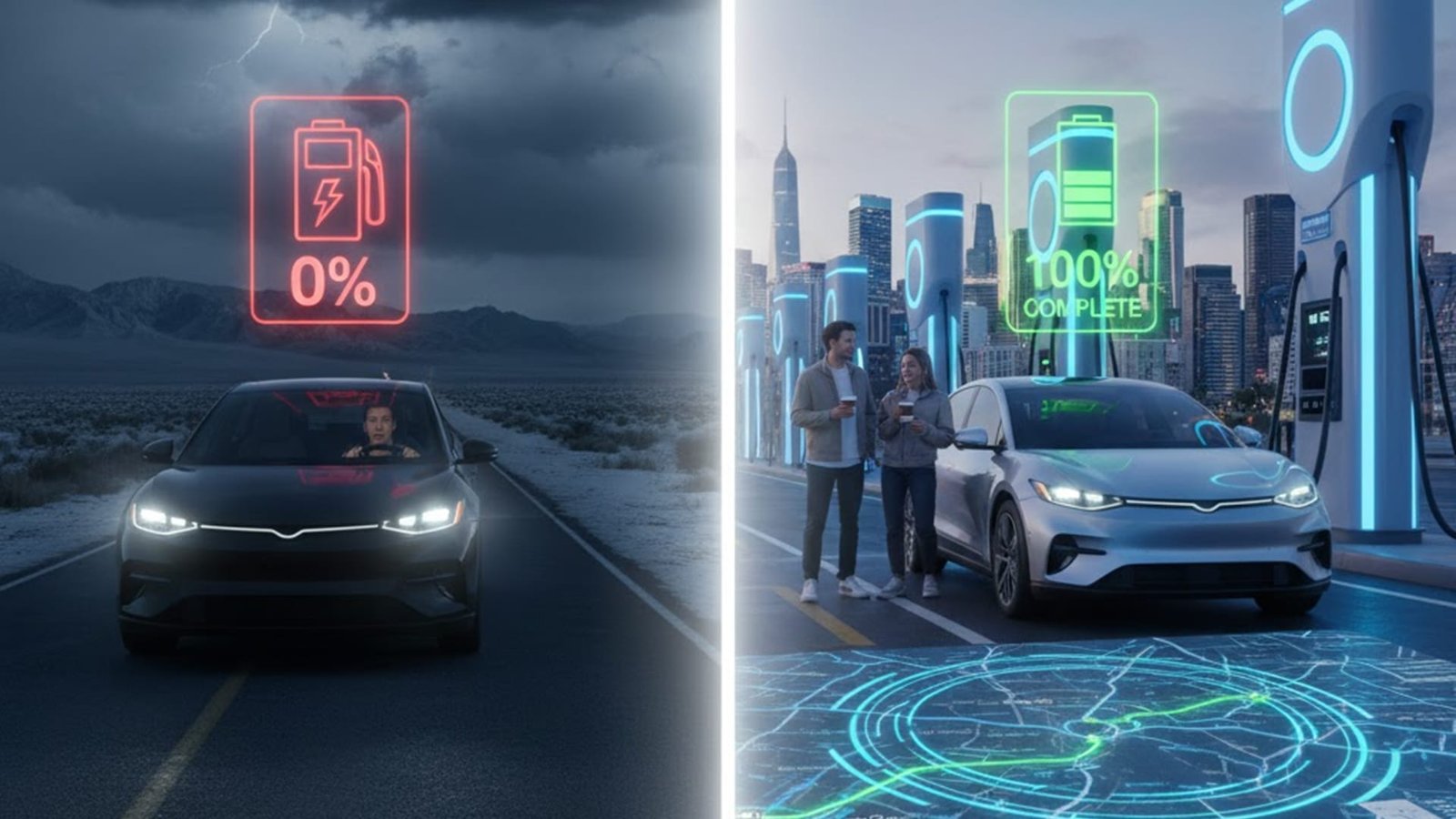
1. The “EPA Range” vs. The American Interstate
The single biggest point of friction for U.S. buyers is the discrepancy between the advertised range and real-world highway performance.
- The Aero Penalty: The EPA’s “Highway” test cycle averages only 48 mph. However, on I-80 or I-10, the “natural” flow of traffic is often 75 to 80 mph. Because air resistance increases with the square of speed, an EV with a 300-mile rating might only achieve 210 miles at true American highway speeds.
- The “Safety Buffer” Reality: No driver wants to pull into a charging station with 1% battery. In practice, a driver’s “usable” range is the middle 70% of the battery (from 80% down to 10%). When you factor in this safety margin, a 300-mile car effectively becomes a 180-mile car for road-tripping purposes.
2. The Infrastructure Gap: Reliability Over Quantity
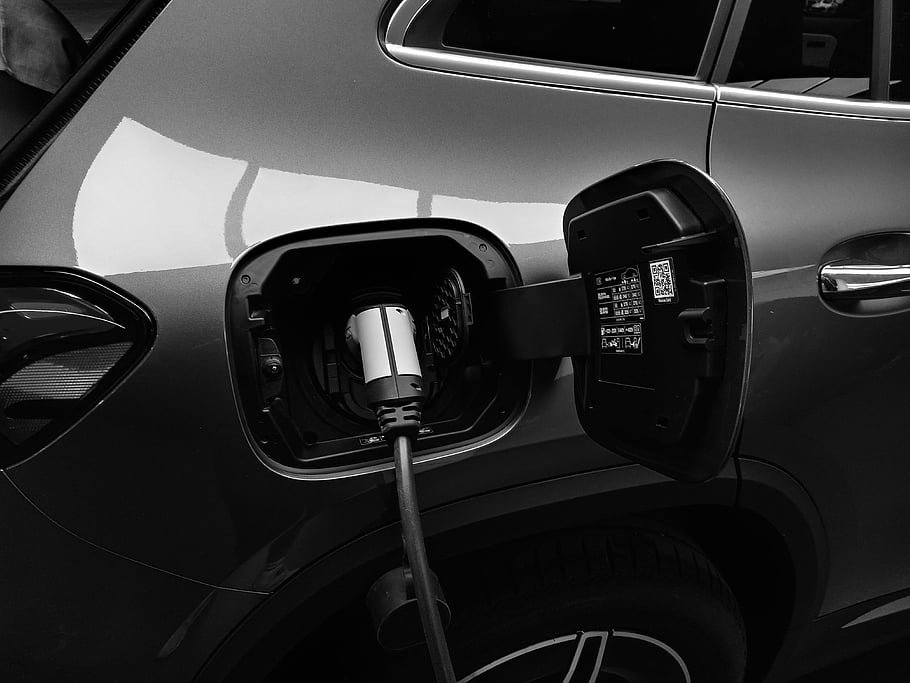
While the number of charging ports is growing, the reliability of those ports remains a glaring issue for non-Tesla owners.
- The “One-Charger” Gamble: In rural America, “Range Anxiety” is actually “Charger Anxiety.” If you arrive at a lone Electrify America station in a small Nebraska town and find it out of service, you aren’t just delayed—you are stranded.
- The Speed Disparity: Not all “Fast Chargers” are equal. A 50kW charger (common in older networks) can take over an hour to add significant range, whereas a 350kW station can do it in 15 minutes. U.S. buyers are realizing that range is only half the equation; charging speed and uptime are the other half.
3. The “Cold Weather” Tax
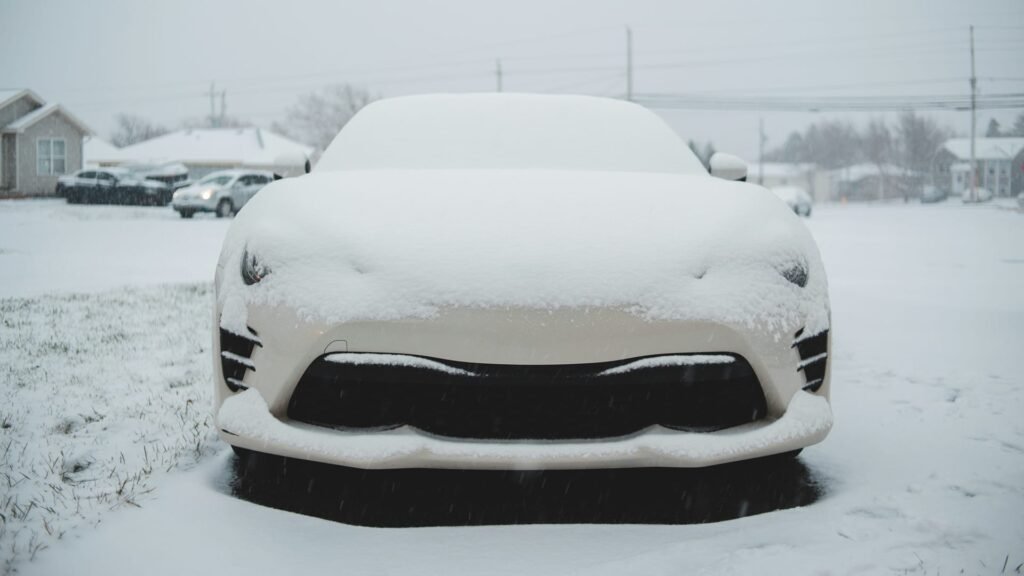
For a massive swath of the U.S.—from the Pacific Northwest to New England—winter is the ultimate EV range killer.
- Chemical Limitations: Lithium-ion batteries move ions more slowly in cold temperatures. Furthermore, EVs don’t have the “free” waste heat of a gas engine to warm the cabin; they must use battery power to run resistive heaters or heat pumps.
- Range Loss Data: In temperatures below freezing, many EVs see a 30% to 40% reduction in total range. For a buyer in Michigan, a 250-mile EV suddenly becomes a 150-mile car precisely when the driving conditions are at their most dangerous.
The U.S. EV Range Reality Check: Segment Comparison
| Vehicle Category | Advertised EPA Range | True Winter/Highway Range (Est.) | Infrastructure Suitability |
| Luxury Sedan (e.g., Lucid Air) | 400 – 500+ Miles | 300 – 350 Miles | Excellent (High-efficiency aero) |
| Mass-Market SUV (e.g., VW ID.4) | 250 – 275 Miles | 160 – 190 Miles | Moderate (Urban/Suburban use) |
| Electric Pickup (e.g., Ford F-150) | 240 – 320 Miles | 140 – 200 Miles | Poor (Towing cuts range by 50%) |
| Budget EV (e.g., Nissan LEAF) | 150 – 212 Miles | 90 – 130 Miles | City Only (Not for road trips) |
4. The Towing and Payload Problem
For a significant portion of American buyers, an SUV or Truck isn’t just a commuter vehicle—it’s a tool for towing boats, campers, or work trailers.
- The 50% Rule: Aerodynamics are everything for EVs. When you hitch a boxy trailer to a Ford Lightning or a Rivian R1T, the range almost universally drops by 50% or more.
- The Charging Knot: Most current DC fast-charging stations are “pull-in” spots, similar to a parking space. If you are towing a trailer, you often have to unhitch the entire trailer just to reach the plug, adding 20 minutes of labor to every 100-mile charging stop.
5. Why “Range” is the Wrong Metric (And What to Look For Instead)
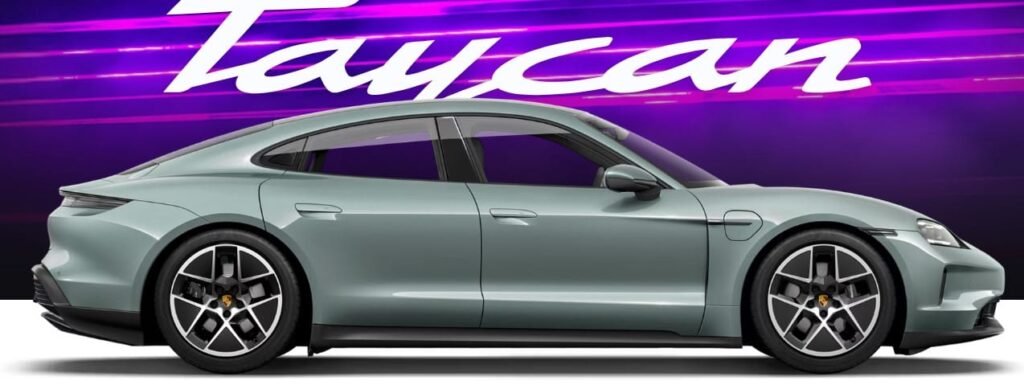
Industry experts are beginning to shift the conversation from total range to “Miles Recovered Per Minute.” If a car has a 500-mile range but charges slowly, it’s still a poor road-tripper. A car with a 250-mile range that can charge from 10% to 80% in 15 minutes (like the Hyundai IONIQ 6 or Porsche Taycan) is arguably more “reliable” for the American driver.
Professional Recommendation: How to Beat Range Anxiety
If you are currently on the fence about an EV, follow this “Rule of 2x”:
- Look at your longest frequent trip (e.g., visiting parents 100 miles away).
- Your EV should have an EPA-rated range that is at least double that distance.
- This buffer accounts for highway speeds, cold weather, and battery degradation over time, ensuring you never feel “trapped” by your vehicle’s limitations.
Verdict: Until the U.S. achieves a “gas station” level of density and reliability for 350kW chargers, range will continue to be a rational concern for American buyers. For many, a Plug-in Hybrid (PHEV) remains the most professional and stress-free compromise for the current decade.
Useful Links: