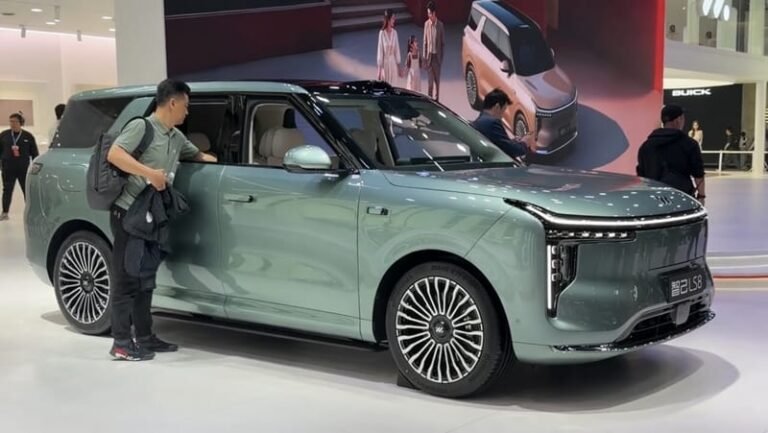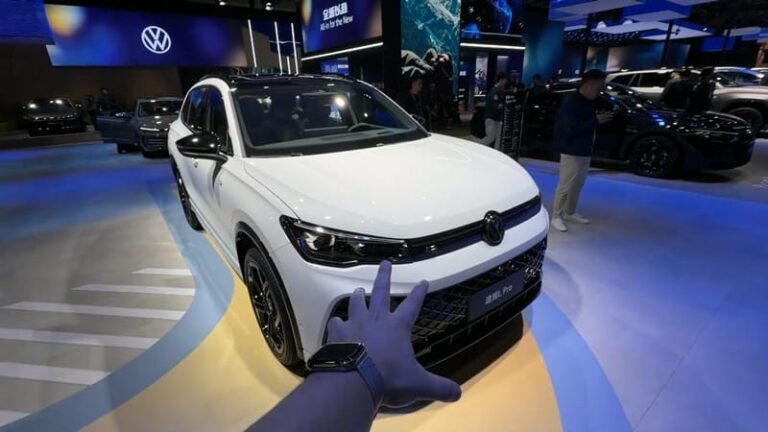
In the race to turn vehicles into “smartphones on wheels,” automakers have hit a wall. According to the 2025 J.D. Power Tech Experience Index, consumer satisfaction with new vehicle technology has hit a five-year low. It turns out that while a feature might look stunning in a 30-second Super Bowl ad, it often becomes a daily frustration for the person behind the wheel.
As we look at the 2025-2026 model years, the “cool factor” is being replaced by a demand for utility. If you’re shopping for a new car, here are the most overrated tech features that are likely to drain your wallet—and your patience.
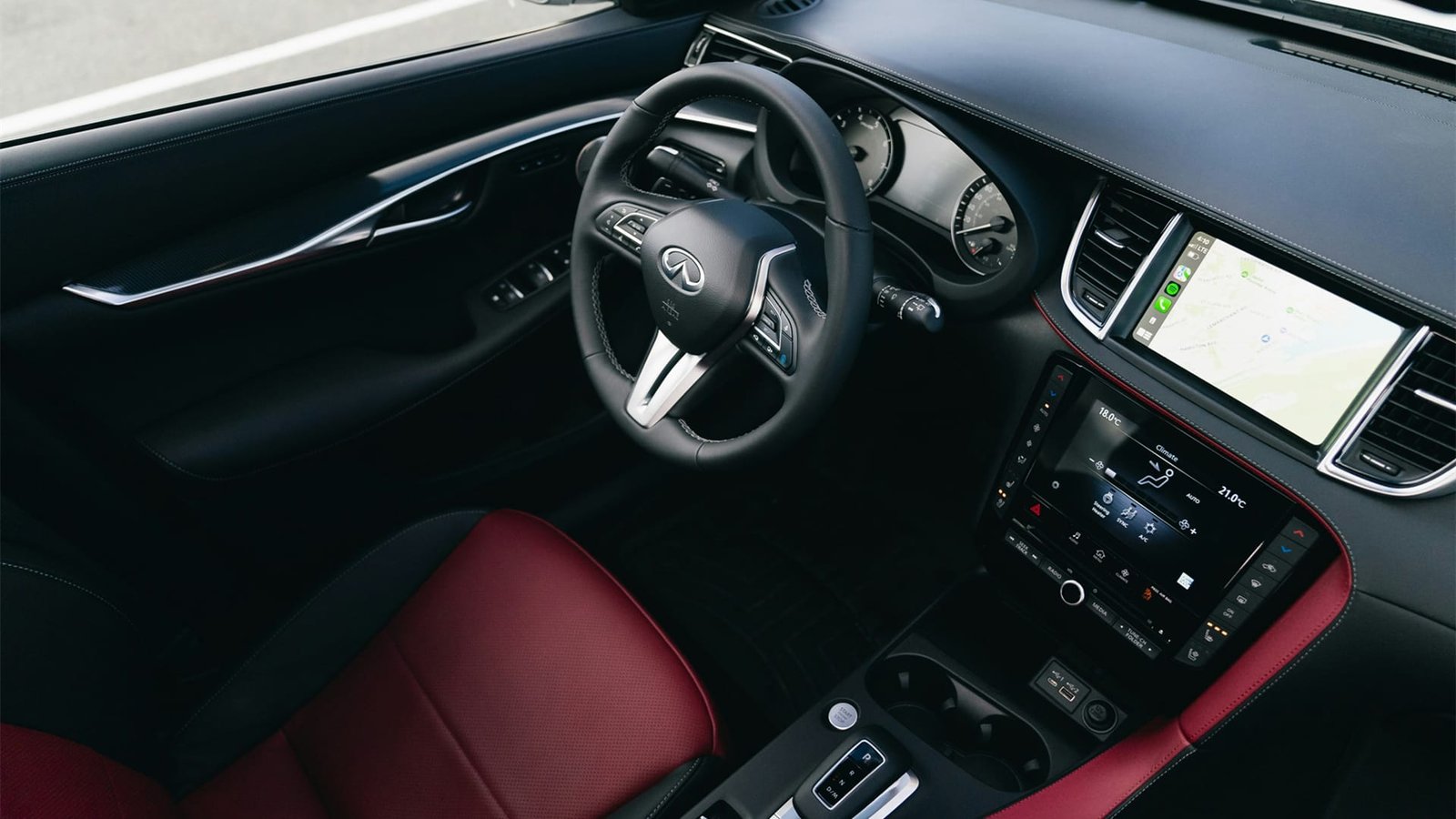
1. Gesture Control: The Solution to a Problem No One Had
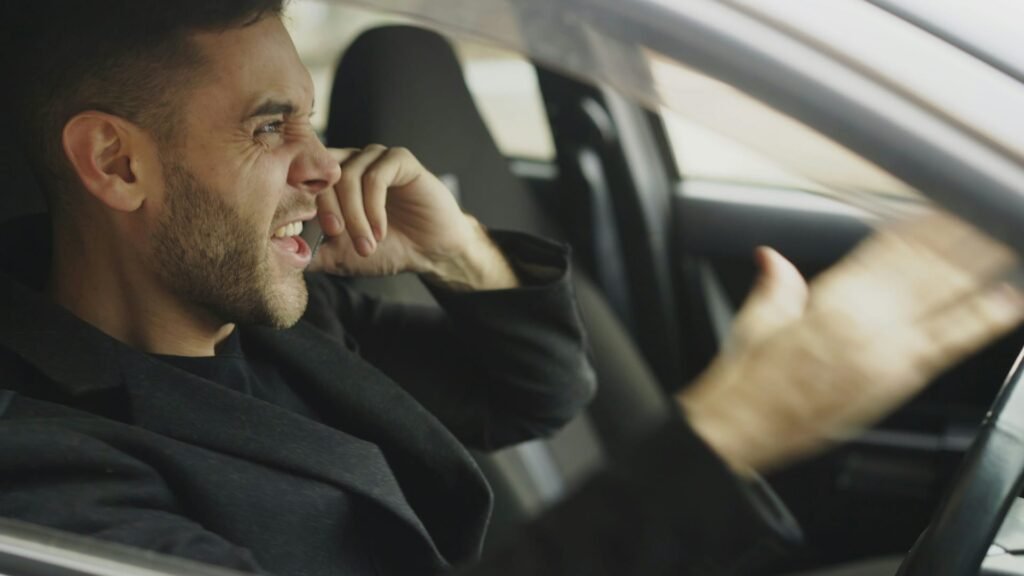
Originally pioneered by luxury brands like BMW and Mercedes-Benz, Gesture Control allows you to adjust volume or skip tracks by waving your hand in front of the dashboard.
The Reality: It is notoriously finicky. In real-world driving, a simple conversation with a passenger can trigger a sudden volume spike because the sensors misinterpreted a hand gesture. Most drivers eventually disable the feature and revert to the steering wheel buttons, making this a several-hundred-dollar “magic trick” you’ll never use.
2. All-Touch HVAC and Steering Controls
The industry’s obsession with “minimalism” led to the removal of physical knobs for climate control and volume. Even worse are the haptic-touch pads on steering wheels (seen in many Volkswagen and Mercedes models).
The Reality: 2025 has seen a massive “U-turn” in design philosophy. Euro NCAP—the safety authority—has recently announced that vehicles must have physical controls for core functions to receive a five-star safety rating. Why? Because touchscreens require “eyes-off-road” time, whereas a physical dial allows for muscle memory.
“Reaction times when using a touchscreen are actually slower than those of a driver under the influence of alcohol.” — TRL Research Study
3. Flush-Deploying Door Handles
They look sleek and improve aerodynamics (and thus EV range) by a fraction of a percent.
The Reality: They are a mechanical nightmare in cold climates. Owners in northern states have reported being “locked out” of their cars after a light ice storm freezes the mechanism shut. Furthermore, the motorized units are expensive to replace once the warranty expires, often costing upwards of $800 per handle.
4. Giant Passenger-Side Screens
We are seeing a trend of “triple-screen” dashboards where the front passenger gets their own dedicated display to watch Netflix or browse the web.
The Reality: Statistics show that the average vehicle occupancy is just 1.2 people. This means that 80% of the time, that expensive, high-definition passenger screen is simply an empty black glass panel or a glowing distraction for the driver. It adds thousands to the MSRP for a feature that is rarely utilized.
Overrated Tech: Cost vs. Actual Utility
| Feature | Estimated Cost (MSRP) | Primary Failure | Better Alternative |
| Gesture Control | $250 – $600 | High false-trigger rate | Steering wheel toggles |
| Touch-Only HVAC | Included | Dangerous distraction | Physical knobs/dials |
| Flush Door Handles | $500+ (Repair) | Reliability in ice/snow | Traditional pull-handles |
| Passenger Screens | $1,500 – $3,000 | Rarely used/Distracting | Tablet mount for kids |
| Digital Mirrors | $800 – $1,200 | Depth perception issues | Wide-angle glass mirrors |
5. Subscription-Based Hardware (Features-as-a-Service)
Perhaps the most “overrated” trend isn’t a piece of tech, but a business model. Automakers are increasingly locking hardware that is already installed in your car—like heated seats or remote start—behind a monthly paywall.
The Reality: Consumer backlash has been fierce. A 2025 Cox Automotive survey found that 72% of buyers would switch brands if forced into a subscription for basic hardware features. It’s an “overrated” convenience because you end up paying for the same feature twice: once at the dealership and every month thereafter.
6. Digital Side Mirrors
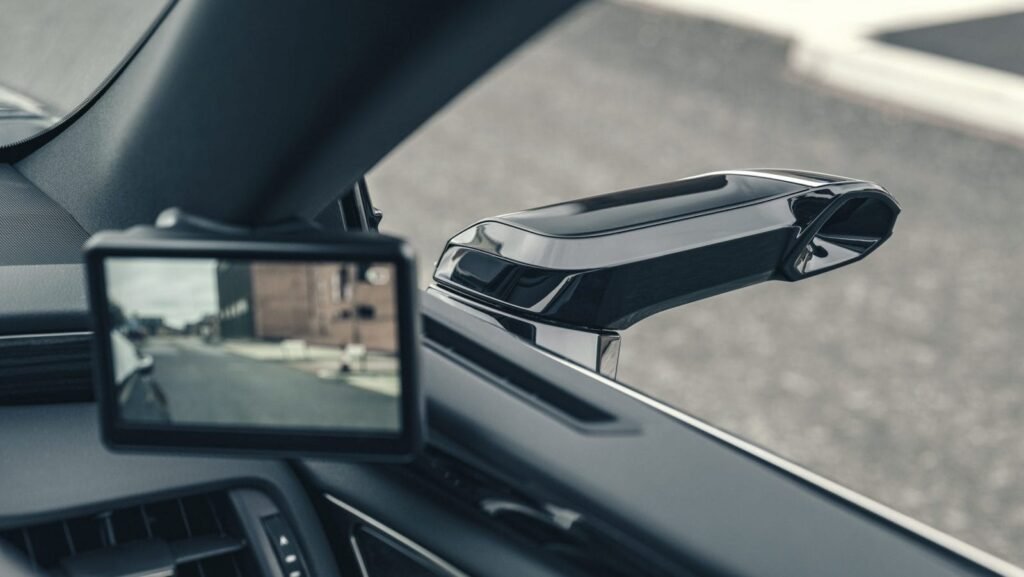
Replacing side mirrors with cameras and internal screens (popular in Europe and on some high-end EVs) is touted as the future of aerodynamics.
The Reality: The human eye struggles with depth perception on a 2D screen compared to a 3D reflection in a mirror. In heavy rain or at night, digital “noise” or water droplets on the lens can make it significantly harder to judge the distance of a car in your blind spot.
Final Verdict: What Should You Actually Pay For?
If you want a car that holds its value and stays functional for a decade, skip the gimmicks. Prioritize Wireless CarPlay/Android Auto, 360-degree cameras, and high-quality LED lighting. These aren’t just “features”—they are tools that genuinely improve the driving experience without the “tech-fatigue” of a gesture-controlled, screen-heavy dashboard.
Useful Links: