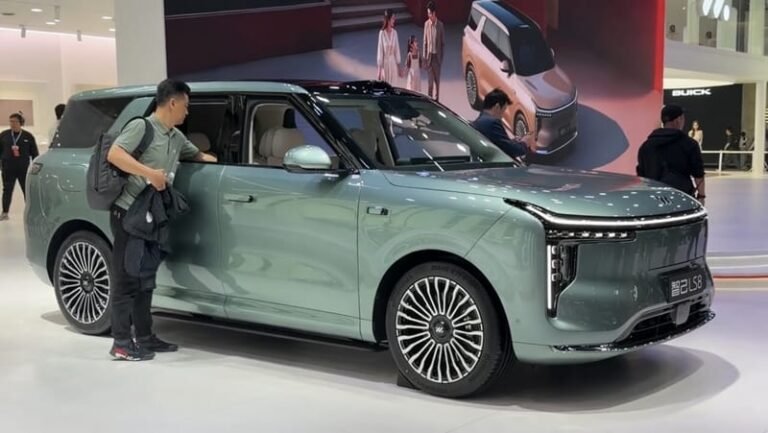
There was a time when “learning your new car” meant finding the trunk release and adjusting the mirrors. In 2026, it feels more like onboarding for a software engineering role. As you slide into the cockpit of a modern EV or high-end SUV, you aren’t greeted by a dashboard; you’re greeted by a “user interface.”
But a growing chorus of drivers, safety experts, and even regulatory bodies is asking: Has automotive innovation finally crossed the line into complication?
For the average driver—the one who simply wants to get from Point A to Point B without a tutorial—the answer is increasingly becoming a frustrated “yes.” Here is an analysis of the “complexity crisis” on American roads today and how it is actually changing the cars we buy.
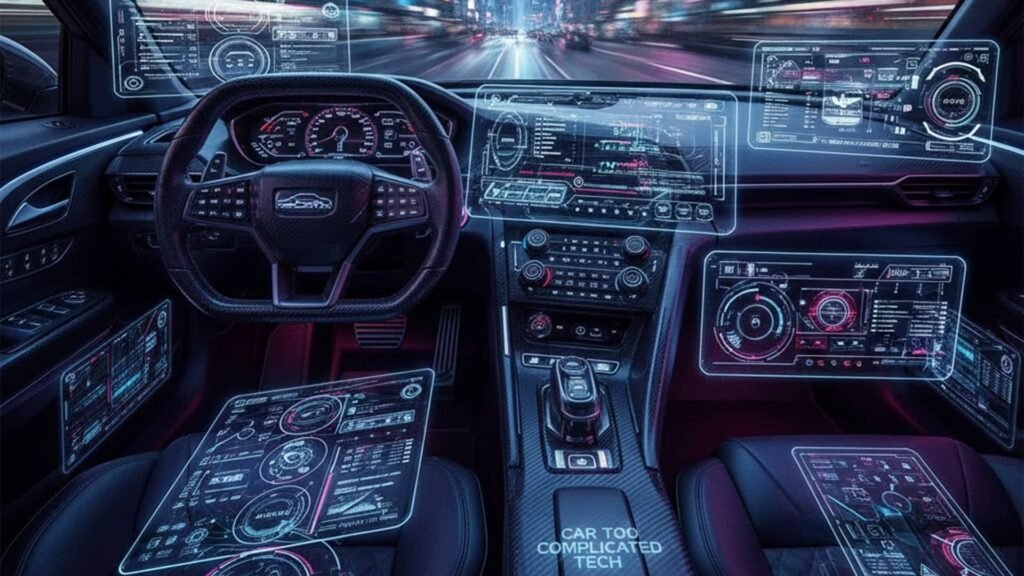
The Screen Obsession: A Safety Hazard in Disguise?
The most visible sign of complexity is the disappearance of the physical button. In the quest for “minimalist” luxury, manufacturers moved everything—from climate control to glove box releases—into deep sub-menus on massive touchscreens.
The Data Doesn’t Lie: According to the 2025 J.D. Power Initial Quality Study, infotainment systems remain the #1 source of owner frustration. Problems aren’t just limited to “bugs”; they are rooted in design. When a driver has to take their eyes off the road for five seconds to find the “defrost” icon buried three layers deep, the safety risk is equivalent to driving while intoxicated.
The “Button Backlash” of 2026
We are finally seeing the pendulum swing back. Euro NCAP, the influential safety body, recently sent shockwaves through the industry by announcing that starting in 2026, vehicles cannot achieve a five-star safety rating without physical controls for five essential tasks:
- Turn signals
- Hazard lights
- Windshield wipers
- The horn
- Emergency calling (eCall)
This is a direct rebuke of the “screen-only” philosophy pioneered by brands like Tesla and followed by many legacy automakers.
Comparison: Complexity vs. Usability (2025-2026 Trends)
| Feature | The “Complicated” Approach | The “Usable” Approach (2026 Trend) |
| Climate Control | Digital slider on a 15-inch screen | Physical knobs or dedicated haptic tiles |
| Gear Selection | Screen-based swiping or stalk-less buttons | Traditional lever or distinct tactile buttons |
| Safety Alerts | Constant “beeps” and steering wheel tugs | Subtle haptic vibrations and HUD icons |
| Software | Proprietary, laggy OEM interfaces | Seamless “Phone Projection” (CarPlay/Android Auto) |
| Updates | Forced Over-the-Air (OTA) UI changes | Optional, scheduled updates with “Classic” UI mode |
The “Hidden” Complexity: ADAS Fatigue
It’s not just the screens. Modern cars are packed with Advanced Driver Assistance Systems (ADAS). While features like Automatic Emergency Braking save lives, the sheer volume of “nanny” tech is causing Driver Disengagement.
- Lane Keep Assist that fights you in construction zones.
- Driver Monitoring Cameras that beep if you look at your mirrors for “too long.”
- Speed Limit Assistants that chime every time the car misreads a sign.
For many drivers, the first thing they do after starting the engine is spend 45 seconds disabling three or four safety features just so they can drive “normally.” This “feature fatigue” is a primary reason why many buyers are now looking toward “Analog-Plus” vehicles—cars that have the safety tech but keep it in the background.
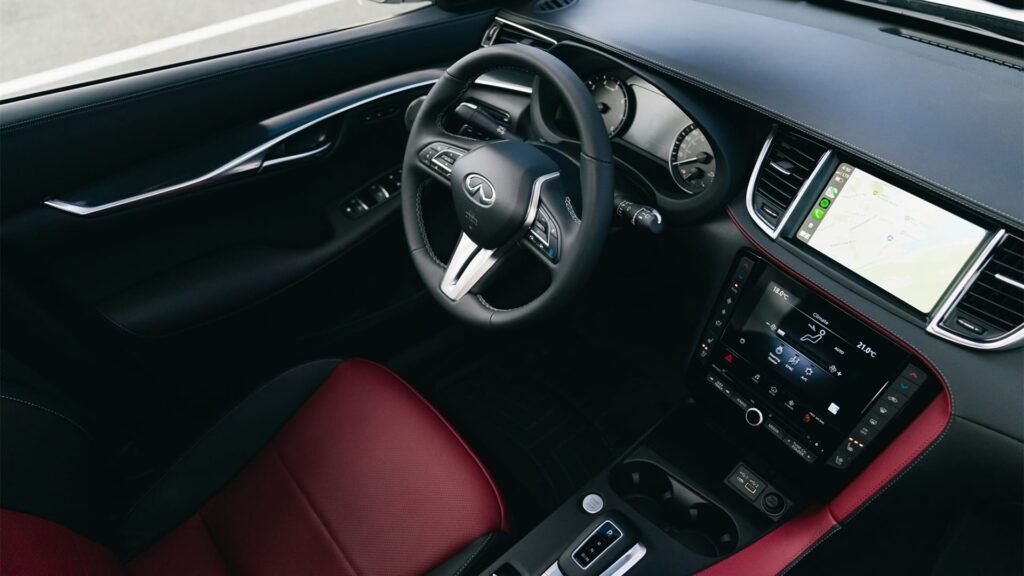
Who Is Getting It Right?
Surprisingly, the brands winning the “usability war” are those that lean into Hybrid Interfaces.
- Hyundai and Kia: In their 2025/2026 refreshes, they’ve actually added buttons back to the center console after customer feedback.
- Porsche: Despite their high-tech cabins, the 911 (consistently the highest-rated in initial quality) keeps a tachometer and physical toggles where they matter most.
- Toyota: By sticking to a “function-first” philosophy, the 2025 Camry has become a gold standard for drivers who want modern fuel economy without a steep learning curve.
Is Your Car Too Complicated? A 3-Point Test
If you are in the market for a new vehicle, ask yourself these three questions during the test drive:
- The “Blind Test”: Can I adjust the volume or temperature without looking away from the road?
- The “Guest Test”: If I lent this car to a friend, could they drive it to the grocery store without me giving them a 10-minute briefing?
- The “Update Test”: If the screen fails, is the car still drivable and safe?
The Bottom Line
In 2026, the ultimate luxury isn’t a bigger screen—it’s clutter-free focus. The “average” driver isn’t tech-averse; they are just “distraction-aware.” As regulators step in, the era of the “iPad on wheels” is evolving into something more balanced, tactile, and ultimately, more human.
Useful Links: