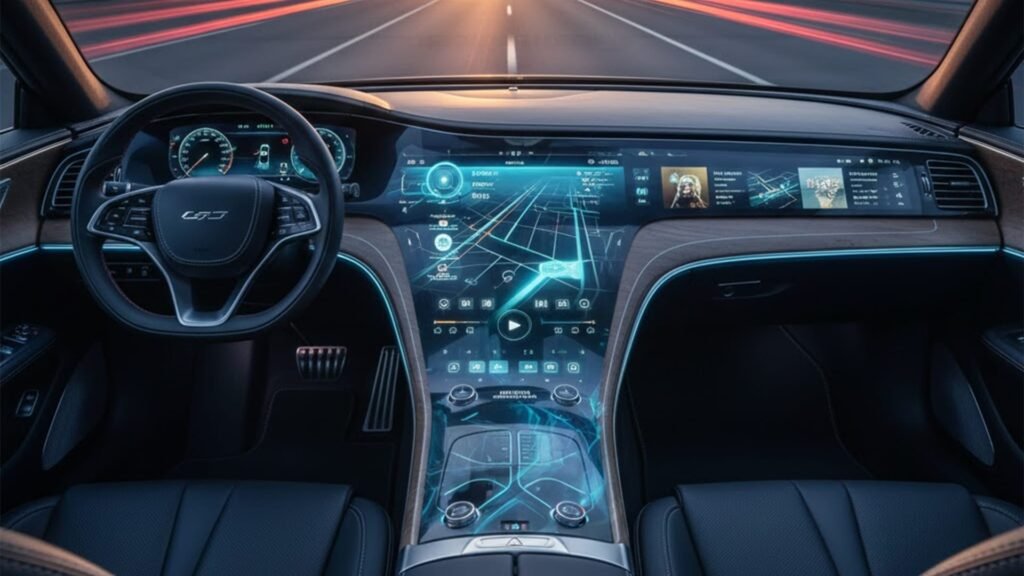
In the automotive world of 2025, the dashboard has been colonized. What used to be a collection of tactile knobs and analog gauges is now a sprawling, high-definition “command center.” Automakers pitch these massive screens as the ultimate luxury, promising seamless integration of your digital life and your driving experience.
However, as the “honeymoon phase” with tablet-sized dashboards fades, a grittier reality is emerging. According to the 2025 J.D. Power Initial Quality Study, infotainment systems remain the #1 source of owner frustration, accounting for nearly 25% of all reported problems in new vehicles.
Beyond the occasional software glitch, there are significant, long-term downsides to these systems that car salespeople rarely mention.
1. The “Eyes-Off-Road” Tax: A Safety Regression
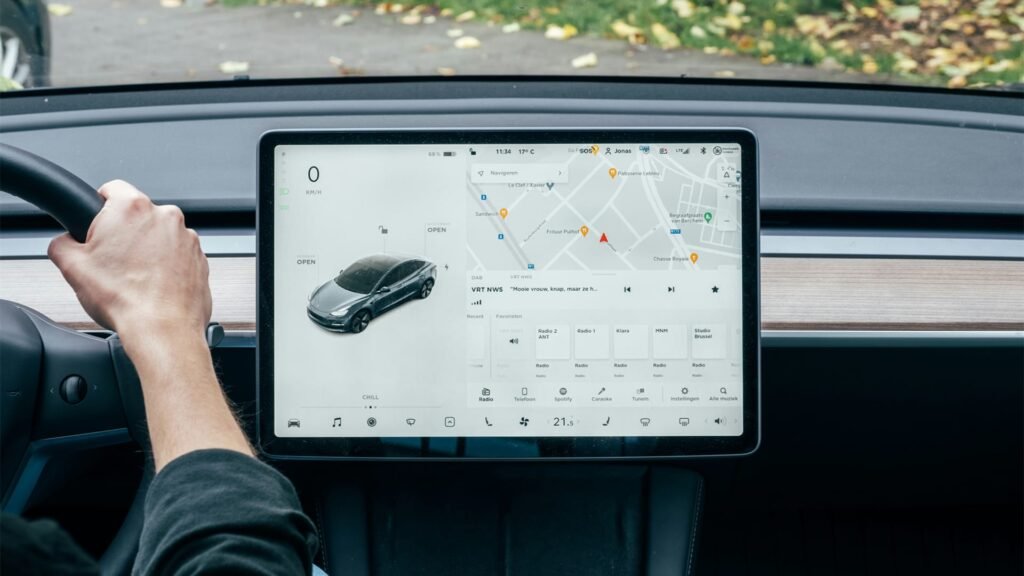
The most critical downside isn’t technical—it’s physiological. Humans are tactile creatures. We can adjust a physical volume knob or a climate slider by feel while keeping our eyes on the horizon. Touchscreens, by contrast, provide zero haptic feedback, forcing drivers to look away from the road to confirm they are pressing the right pixel.
A 2024 study by IAM RoadSmart found that interacting with popular infotainment interfaces (like Apple CarPlay or Android Auto via touchscreen) can increase driver reaction times by up to 57%. For perspective, that is a significantly higher impairment than driving at the legal limit for alcohol.
Industry Shift: In a major move for 2026, Euro NCAP has announced that vehicles will no longer be eligible for a 5-star safety rating unless they have physical buttons for key functions like wipers, turn signals, and hazard lights.
2. The Resale Value “Time Bomb”
When you buy a car with a massive, integrated screen, you aren’t just buying a vehicle; you’re buying a piece of consumer electronics. And as we know from smartphones, electronics don’t age well.
- Hardware Obsolescence: In five years, the processor behind your dashboard will be sluggish. In ten years, the apps it relies on may no longer be supported.
- Physical Degradation: Large screens are susceptible to “delamination” (where the layers of the screen peel apart) and dead pixels. Unlike a broken radio in an older car, a dead screen in a 2025 model often renders the entire vehicle unusable because it controls the AC, defrosters, and even the speedometer.
3. Financial Impact: Repair Costs vs. Replacement
The cost of maintaining these digital cockpits is significantly higher than traditional interiors. The table below illustrates the typical repair landscape for 2025-era infotainment hardware.
| Component | Common Issue | Estimated Repair/Replace Cost |
| Main Center Display | Cracked glass or touch-digitizer failure | $1,200 – $3,500 |
| Head Unit (The “Brain”) | Internal processor/SSD failure | $800 – $2,000 |
| Haptic Touch Steering Wheel | Sensor failure (phantom button presses) | $600 – $1,100 |
| OTA Update “Brick” | Software corruption during update | $200 – $1,500 (Labor/Module) |

4. The Privacy Paradox: Your Car is a Data Broker
Modern infotainment systems are the ultimate “data harvesters.” Most drivers don’t realize that by clicking “Accept” on the terms and conditions, they are often allowing the manufacturer to collect:
- Biometric Data: From driver-facing cameras monitoring “attention.”
- Location History: Not just where you go, but how long you stay.
- Driving Behavior: Hard braking and acceleration data, which is increasingly being sold to insurance companies to adjust your premiums.
In 2025, the Mozilla Foundation labeled cars as the “worst category for privacy” they have ever reviewed, noting that 84% of car brands share or sell your personal data.
5. Night Vision and “Screen Fatigue”
Even when dimmed, the large surface area of modern “Hyperscreens” emits a significant amount of blue light. This can impair a driver’s natural night vision by preventing the eyes from fully adjusting to the dark environment outside the windshield. Owners of screen-heavy vehicles frequently report “screen fatigue”—a specific type of eye strain that occurs during long commutes.
The Verdict: Buying Smart in a Screen-First World
Infotainment systems aren’t going away, but the “peak screen” era may be cooling down. To avoid these hidden downsides, savvy buyers in 2025 are looking for:
- Redundancy: Vehicles that offer physical knobs for volume and temperature alongside the screen.
- HUD (Head-Up Displays): These project info onto the glass, keeping your eyes on the road.
- Privacy Controls: Checking the vehicle’s “Data Privacy” menu and opting out of “Third Party Data Sharing” before leaving the dealership.
Are you dealing with a laggy screen or a confusing interface in your current car? Tell me your vehicle model, and I can give you the specific “pro-tips” for streamlining your menus and reclaiming your focus.
Useful Links: