In the world of 2026 automotive engineering, we have reached a bizarre inflection point. We are surrounding drivers with more cameras, radars, and “guardian” algorithms than ever before, yet a disturbing trend is emerging in accident data. Some of the very features designed to save us are, in specific contexts, making the act of driving more hazardous.
This isn’t just about “tech-skepticism.” It is about behavioral adaptation, sensor latency, and the “Automation Paradox.” As an industry observer, I’ve seen how the gap between a system’s intended use and its real-world application can create what engineers call “unintended consequences.”
Here is the unvarnished truth about the safety features that might be putting you at risk right now.
1. Phantom Braking: When Your Car Fears Shadows
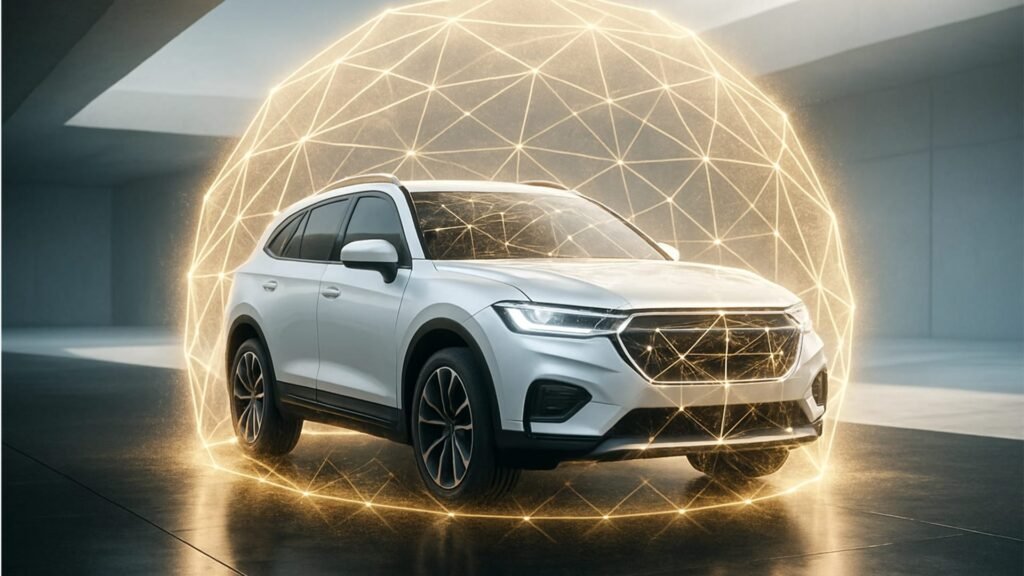
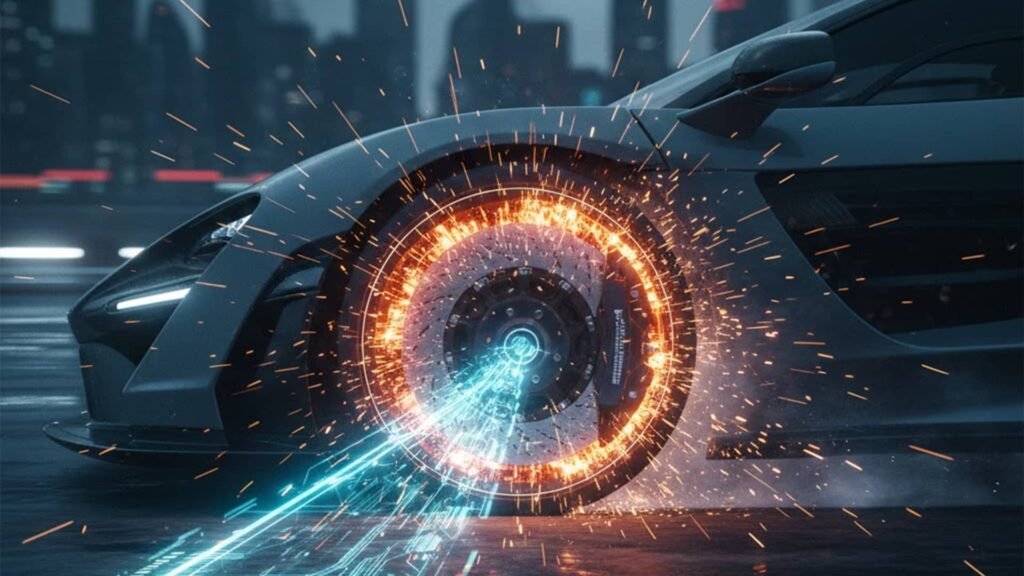
Perhaps the most documented danger in 2025-2026 is Phantom Braking. This occurs when an Automatic Emergency Braking (AEB) system incorrectly identifies an overhead bridge, a shadow, or a road sign as a stationary vehicle and “slams the anchors” at highway speeds.
- The Risk: While AEB is designed to prevent you from hitting the car in front of you, a phantom activation turns you into the hazard for everyone behind you. In April 2024, the NHTSA expanded an investigation into nearly three million vehicles specifically for this issue.
- The 2026 Reality: High-speed phantom braking on the interstate is now a leading cause of multi-car pileups where the “at-fault” vehicle was actually trying to be safe.
2. The “Nanny” Fatigue: Alert Blindness
By 2026, many entry-level cars have become a cacophony of bongs, chimes, and vibrating seats. We call this Safety Alert Fatigue.
When your car beeps because you are 2 mph over the limit, beeps because you’re near a lane line, and beeps because a sensor is dirty, your brain eventually tunes it all out. This is a psychological phenomenon called habituation.
- The Danger: When a genuine emergency occurs—like a pedestrian stepping into your path—your brain might process that specific alert as “just another beep,” delaying your reaction time by critical milliseconds.
The Risk Matrix: Safety Features vs. Unintended Hazards
| Feature | Intended Safety Benefit | The Hidden Danger | 2026 Status |
| AEB (Autobraking) | Prevents rear-end collisions | Phantom Braking: Sudden stops in traffic | Under federal investigation |
| Lane Keep Assist | Prevents drifting off-road | “Tug-of-War”: Fighting the driver in construction zones | Improving (Haptic only) |
| Driver Monitoring | Prevents drowsy driving | Privacy/Distraction: Cameras misreading eye movements | Regulated by Euro NCAP |
| Adaptive Cruise | Maintains safe distance | Over-reliance: Drivers stop paying attention | High risk of “Standby Brain” |
| Touchscreen HUDs | All info in one place | Menu Diving: Removing eyes from road | Backlash: Buttons returning |
3. The “Automation Paradox”: Cognitive Atrophy
The more reliable a system is, the less the human driver pays attention. This is the Automation Paradox. In 2026, systems like GM’s Super Cruise or Ford’s BlueCruise are so good on the highway that drivers often enter a state of “low arousal” or “standby brain.” When the system reaches its limit—perhaps due to a missing lane marker or a complex merge—it hands control back to the driver.
- The Catch: A human brain that has been “off-duty” for 20 minutes takes an average of 3 to 7 seconds to fully regain situational awareness. At 70 mph, you travel over 100 feet per second. That “hand-off” period is the most dangerous window in modern driving.
4. Over-Correction: When Lane Assist Fights Back
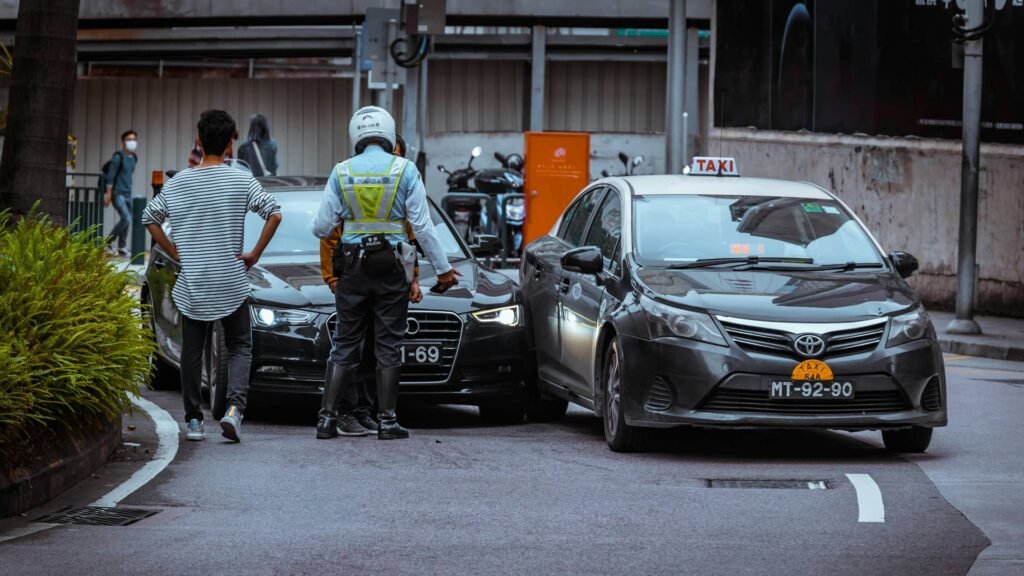
Standard on almost every car in 2026, Lane Keeping Assist (LKA) uses torque to nudge your steering wheel back into the lane. However, in construction zones where “ghost lines” (old lane markings) exist, the car can aggressively pull the steering wheel toward a concrete barrier or into oncoming traffic.
Experienced drivers report a “tug-of-war” sensation that can be terrifying at high speeds, occasionally leading to over-correction and loss of control.
How to Stay Safe in a “Too Safe” Car
Safety tech isn’t the enemy, but blind trust is. To mitigate these risks, professional drivers and safety experts recommend:
- Customization is Key: Go into your settings and turn off “Audible Speed Alerts” if they distract you. Keep the “Active Braking” on, but set it to “Medium” sensitivity to reduce phantom triggers.
- The “Hands-Hover” Rule: If you are using Level 2 automation, your hands shouldn’t just be near the wheel; you should be mentally simulating every turn the car makes.
- Respect the Construction Zone: Always disable Lane Keep Assist when driving through areas with complex, temporary lane markings.
The Bottom Line
In 2026, the safest driver isn’t the one with the most sensors; it’s the one who understands exactly where those sensors fail. Technology is a brilliant co-pilot, but it makes for a very dangerous captain.
Useful Links: