Weather is one of the most underestimated factors in vehicle ownership costs. While mileage and driving habits are often discussed, climate and seasonal conditions quietly determine how often parts fail, how fast fluids degrade, and how much drivers ultimately spend on maintenance and repairs.
From freezing winters that destroy batteries to scorching summers that cook engines and electronics, weather has a direct, measurable impact on automotive expenses. This guide explains how different weather conditions affect your car, which components are most vulnerable, and how informed drivers reduce costs without sacrificing reliability.
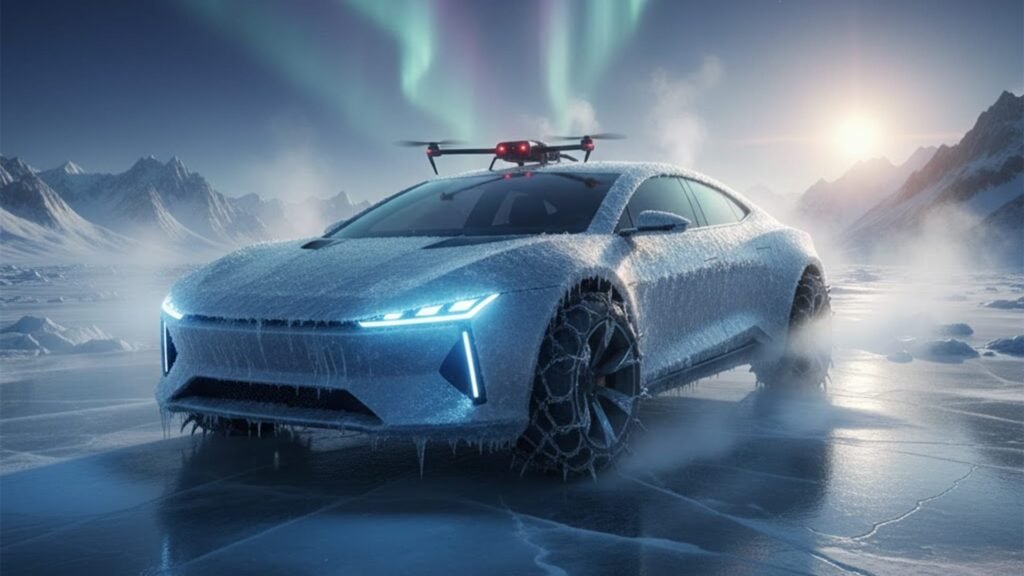
Why Weather Has a Direct Effect on Car Maintenance Costs
Modern vehicles are engineered to operate within specific temperature, humidity, and road-condition ranges. When climate consistently pushes beyond those limits, wear accelerates.
Weather affects:
- Material expansion and contraction
- Chemical degradation of fluids
- Corrosion rates
- Electrical system reliability
- Tire performance and suspension wear
Over time, these effects translate into higher repair frequency and increased ownership costs.
Cold Weather: The Hidden Cost Multiplier
Cold climates are among the most expensive environments for vehicle ownership.
Components Most Affected by Cold Weather
| Component | Why Cold Causes Damage | Common Cost Impact |
|---|---|---|
| Battery | Reduced chemical reaction | Frequent replacements |
| Engine oil | Thickens, slower lubrication | Increased engine wear |
| Rubber hoses & seals | Becomes brittle | Leaks and failures |
| Suspension | Road salt corrosion | Premature replacement |
| Tires | Pressure drops | Uneven wear |
Real-World Cost Effect
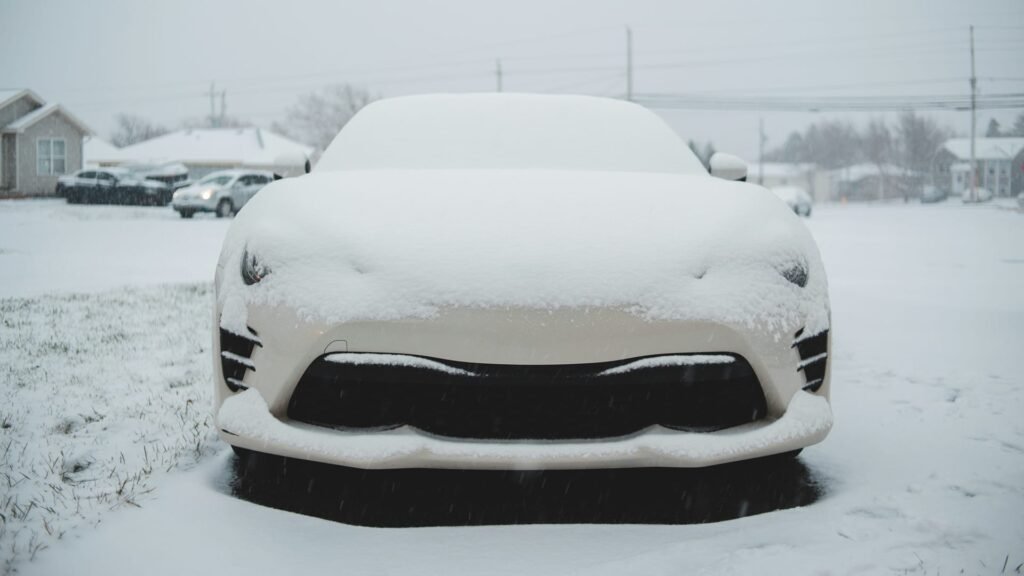
Drivers in cold regions often replace batteries 30–50% more frequently and experience higher suspension and exhaust repair costs due to corrosion from road salt.
Cold starts are particularly damaging, increasing engine wear compared to warm starts.
Hot Weather: Accelerated Wear You Don’t See
Heat is just as destructive—especially over time.
Heat-Related Failure Points
| System | Heat Impact | Resulting Costs |
|---|---|---|
| Cooling system | Increased pressure | Hose & radiator failures |
| Transmission | Fluid breakdown | Expensive rebuilds |
| Engine oil | Faster oxidation | Shorter oil life |
| Electronics | Thermal stress | Sensor failures |
| Tires | Overinflation risk | Blowouts |
High temperatures shorten fluid life cycles and accelerate aging of plastic and rubber components.
Vehicles in hot climates typically require more frequent fluid changes and cooling-system maintenance, increasing annual service costs.
Rain and High Humidity: Corrosion and Electrical Issues
Wet environments create unique maintenance challenges.
How Moisture Raises Repair Costs
- Accelerated rust on brake lines and underbody
- Moisture intrusion into electrical connectors
- Brake rotor corrosion from surface oxidation
- Mold and HVAC system contamination
| Area Affected | Typical Repair Risk |
|---|---|
| Braking system | Reduced lifespan |
| Wiring harness | Intermittent faults |
| Exhaust system | Rust-through |
| HVAC components | Costly cleaning or replacement |
Humidity-related issues often appear gradually, making them harder to detect—and more expensive once damage is advanced.
Snow, Ice, and Road Salt: Long-Term Structural Damage
Snow itself is not the main problem—road treatment chemicals are.
Salt and de-icing agents:
- Strip protective coatings
- Attack metal seams and fasteners
- Damage suspension mounting points
Over time, this leads to:
- Alignment issues
- Structural corrosion
- Exhaust and brake line failure
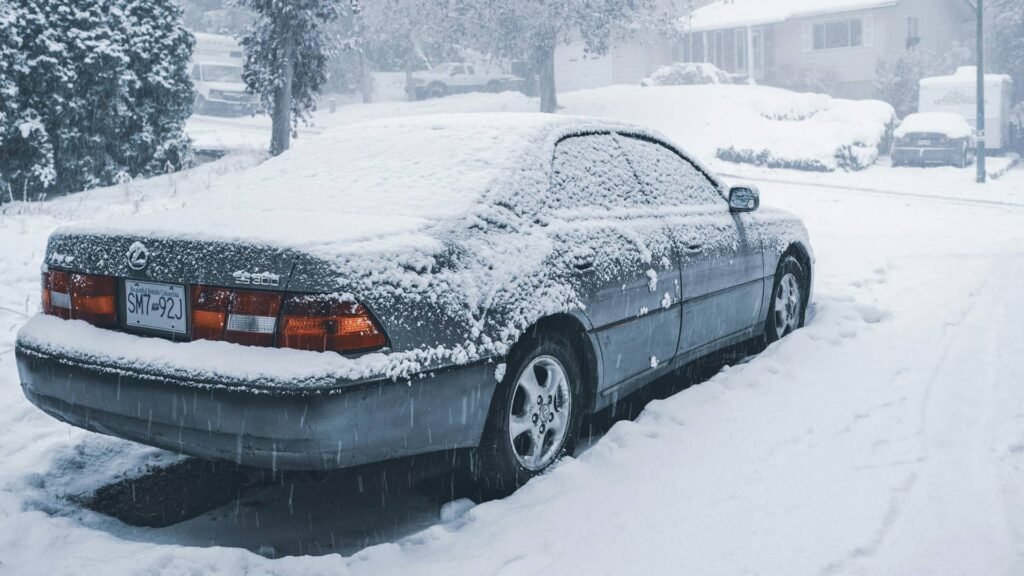
Vehicles in snow-prone regions frequently incur higher long-term repair costs, even if annual mileage is low.
Dust, Sand, and Wind: The Silent Abrasion Factor
Dry and windy climates introduce fine particulate matter into critical systems.
Common Problems in Dusty Environments
| Component | Effect |
|---|---|
| Air filters | Rapid clogging |
| Engine internals | Increased wear |
| Paint & headlights | Abrasion damage |
| Suspension joints | Accelerated degradation |
Frequent air filter replacement and more frequent inspections are essential—but often overlooked—cost drivers.
Weather vs Maintenance Cost Comparison
| Climate Type | Average Maintenance Cost Trend |
|---|---|
| Cold & snowy | High (corrosion + cold stress) |
| Hot & dry | Medium–high (fluid degradation) |
| Hot & humid | High (electronics + corrosion) |
| Mild & dry | Lowest overall |
Mild climates consistently show lower lifetime vehicle ownership costs, primarily due to reduced environmental stress.
How Smart Drivers Reduce Weather-Related Costs
Experienced owners adjust maintenance strategy based on climate.
Cost-Control Strategies That Work
- Shorten oil and fluid intervals in extreme heat or cold
- Wash underbody regularly in salted-road regions
- Use climate-appropriate fluids and lubricants
- Replace air filters more frequently in dusty areas
- Monitor tire pressure seasonally
- Protect paint and seals with proper coatings
Preventive maintenance is significantly cheaper than reactive repair.
Does Climate Affect Warranty and Insurance Costs?
Indirectly, yes.
- Weather-related failures may fall under “wear and tear”
- Corrosion is often excluded from extended warranties
- Certain regions experience higher insurance premiums due to weather risk
Understanding climate impact helps owners avoid denied claims and unexpected expenses.
Frequently Asked Questions
Do cars last longer in warm climates?
Not necessarily. Heat accelerates fluid and rubber degradation, which can offset the absence of rust.
Is cold or heat worse for a car?
Cold increases mechanical stress and corrosion, while heat accelerates chemical and electronic failure. Both raise costs differently.
Can climate-based maintenance really save money?
Yes. Climate-adjusted maintenance can reduce long-term repair costs by 20–30%.
Final Analysis: Weather Is a Cost Factor You Can Control
While you can’t change the weather, you can change how your vehicle responds to it.
Drivers who understand climate-specific risks, adjust maintenance schedules accordingly, and address problems early consistently spend less over the life of their vehicle. Weather-aware ownership is not about over-maintaining—it is about maintaining intelligently.
In today’s environment of rising repair costs, that knowledge is no longer optional.
Useful Links:
- How Cold Weather Affects Electric Car Performance and Range?
- The impact of extreme weather on car components
Related XCarspace guides
Build a more complete maintenance plan with How to Choose the Right Tires: A Practical, Expert Guide and How Long Do Car Batteries Really Last?.