Expert Analysis of Growth, Risks, and Long-Term Viability
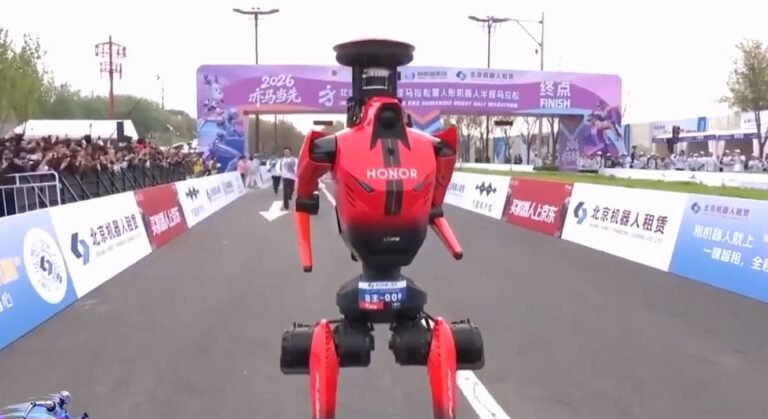
China’s robotics industry has captured global attention. From dominant industrial automation deployment to a burgeoning humanoid robotics segment, the country’s robotics ecosystem is evolving at a breakneck pace. Yet in late 2025, official warnings from China’s top economic planners about a potential bubble in the humanoid robotics space have triggered intense debate among investors, industry leaders, and global analysts. This article examines whether China’s robotics industry is genuinely overheating or entering a speculative phase — and what that means for businesses and investors.
What’s Driving China’s Robotics Surge?
China’s robotics sector is not a fad — it is anchored in manufacturing transformation, demographic change, and technological strategy.
Key growth drivers include:
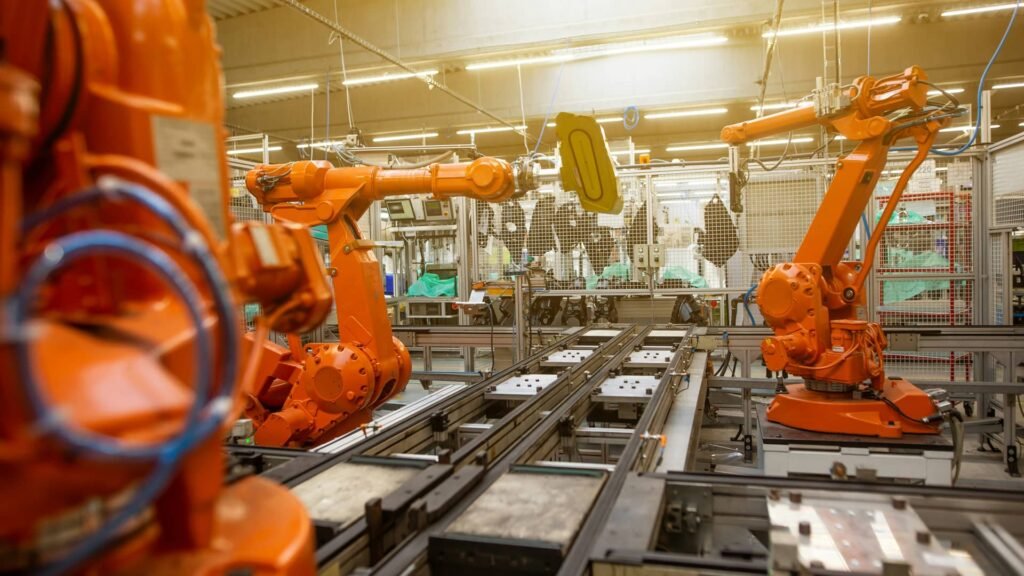
- Industrial robotics adoption: China has installed more industrial robots than the rest of the world combined in recent years, reflecting a shift toward automated manufacturing and labour replacement given rising labour costs and workforce aging.
- Policy priority: Robotics — especially “embodied intelligence” integrating AI with machines — has been designated a strategic industry with supportive policies, R&D incentives, and infrastructure initiatives.
- Local supply chain strength: Chinese firms now produce core components (e.g., harmonic reducers, servo systems) at scale, reducing reliance on imports and boosting domestic innovation.
- Rapid market expansion: Market forecasts suggest China’s robotics market could more than double from roughly USD 47 billion in 2024 to USD 108 billion by 2028, driven by both industrial and service robots.
Table: China Robotics Market Snapshot (2024–2028 Estimated)
| Metric | 2024 | 2028 (Projected) |
|---|---|---|
| Market Size (USD) | ~$47B | ~$108B |
| Annual Growth Rate | N/A | ~23% CAGR |
| Robot Density (robots/10,000 employees) | ~470 | Increasing |
| Industrial Robots Installed (annual) | ~280,000 units | Higher |
Sources: Moody’s, Morgan Stanley, IFR reports

The Bubble Narrative: What’s Real and What’s Hype?
Government Warnings Signal Risk
In late 2025, China’s National Development and Reform Commission (NDRC) — one of the country’s most influential economic planning bodies — publicly cautioned about bubble risk in the humanoid robotics segment. The reasons cited include:
- Overcrowding of firms: Over 150 humanoid robotics companies have emerged, many with similar product offerings and limited differentiation.
- Speculative investment: Capital flows into robotics startups have accelerated without matching real commercial traction, raising concerns about sustainability.
- Redundancy and quality dilution: Rapid proliferation of near-identical robots risks saturating the market, undermining R&D incentives.
These warnings echo historical patterns seen in other tech booms (e.g., ride-sharing, IoT, AI startups), where exuberant investment outpaced commercial validation.
But Industrial Robotics Tells a Different Story
It is crucial to distinguish between humanoid/service robots (consumer-facing, high hype) and industrial robotics (manufacturing backbone):
- Industrial robots are deeply integrated into China’s manufacturing base, addressing genuine productivity gaps and labour dynamics. Deployments continue to grow on solid ROI fundamentals.
- Humanoid robots, however, remain largely in early stages with limited real-world adoption outside demo environments. The technology is promising, but broad commercial use is still years away, not months.
This distinction is central to understanding whether a “bubble” exists:
- Industrial segment: grounded in measurable demand and investment.
- Humanoid segment: elevated by marketing, speculative funding, and future promise rather than concrete revenue streams.
Investor and Industry Perspectives
Bullish Views
Analysts who take a longer horizon argue that robotics is a foundational technology for China’s next growth cycle:
- Strategic leadership in robotics supports China’s broader AI and manufacturing transformation goals.
- Continued integration of AI, sensors, and robotics could unlock new markets — from logistics automation to eldercare robotics — over the next decade.
A 2050 projection released by global research indicates that robotics hardware alone could constitute a multi-trillion-dollar market, with China representing a significant share.
Bearish Concerns
Critics point out that:
- Many humanoid robot startups lack clear monetization paths.
- Government support has the potential to prop up inefficient players, delaying necessary market corrections.
- Excessive capital chasing similar ideas can diminish returns and stifle innovation in healthier segments of the tech economy.
How Should Businesses and Investors Respond?
Practical Metrics to Watch
Instead of hype metrics like “number of startups,” prudent analysis should focus on:
- Commercial deployment rates: Machines in factories, logistics hubs, healthcare facilities, etc.
- Order books and repeat customers instead of pre-orders and prototypes.
- R&D investment depth and patent activity that signal genuine innovation, not imitation.
Strategic Guidelines
- Segment differentiation: Investors should separate industrial robotics opportunities from humanoid/service robot playbooks.
- Risk management: Phase investments with milestones tied to real adoption and revenue growth.
- Partnerships and ecosystems: Look for companies building open ecosystems (software, sensors, maintenance networks) rather than isolated hardware plays.
Bubble or Balanced Boom?
China’s robotics industry is large, strategic, and poised for long-term growth. At the same time, elevated risk exists within specific sub-segments — particularly humanoid robotics — where investor enthusiasm may have outpaced practical outcomes. The official warnings from Beijing are not signals of imminent collapse, but rather policy-level efforts to temper speculative excess while preserving sustainable development.
For investors and business leaders, the key lies in rigorous due diligence, distinguishing between fundamental demand drivers and market noise. When viewed with this clarity, China’s robotics transformation appears more like a strategic industrial revolution than a simple speculative bubble.
Useful Links: