Choosing the right tires is one of the most important—and most misunderstood—decisions a car owner makes. Tires affect safety, braking distance, fuel economy, ride comfort, noise, and even steering feel, yet many drivers rely on brand names or price alone.
This guide explains how to choose the right tires based on real-world driving needs, not marketing claims. Whether you commute daily, drive long highways, face snow every winter, or simply want quieter rides, this article will help you make a confident, informed decision.
Why Tire Choice Matters More Than Most Drivers Realize
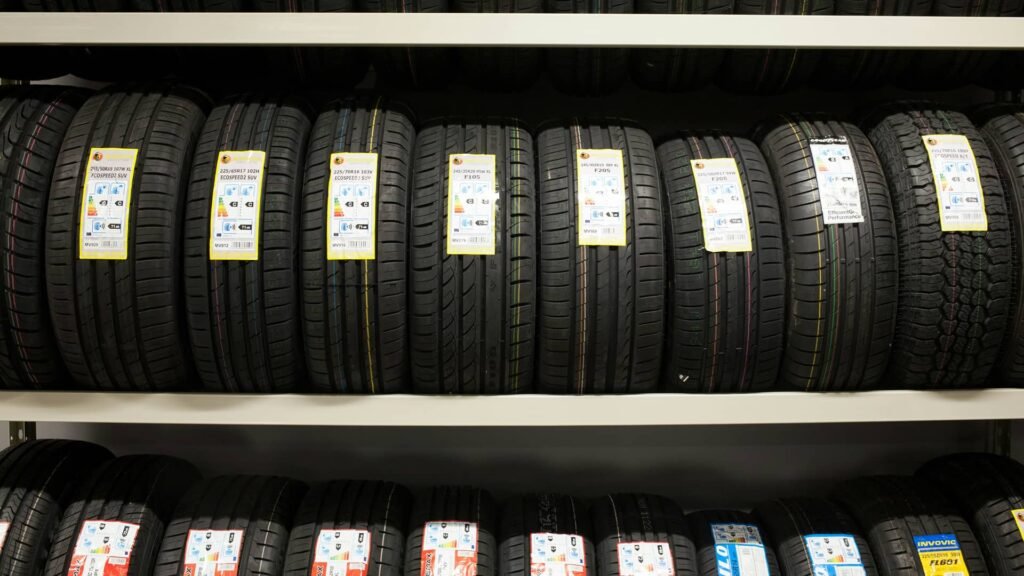
Your tires are the only contact point between your vehicle and the road—four contact patches roughly the size of your palms.
Everything else—brakes, suspension, traction control—depends on tire performance.
A well-chosen tire can:
- Reduce stopping distance by several car lengths
- Improve wet and snow traction dramatically
- Lower road noise and vibration
- Increase fuel efficiency
- Extend overall vehicle lifespan
A poorly chosen tire can do the opposite, even on a high-end vehicle.
Step 1: Understand Your Driving Conditions (Not the Brochure)
Before looking at sizes or brands, assess how and where you actually drive.
Key Questions to Ask Yourself
- Do I drive mostly city streets or highways?
- Do I experience snow, ice, or heavy rain regularly?
- Do I prioritize comfort or handling?
- Do I keep vehicles long-term or lease?
- Do I drive aggressively or conservatively?
Your honest answers matter more than manufacturer recommendations alone.
Step 2: Choose the Right Tire Category
Tires are engineered for specific use cases. Selecting the wrong category is the most common mistake.
Common Tire Types Explained
| Tire Type | Best For | Key Trade-Offs |
|---|---|---|
| All-Season | Daily driving, mild climates | Average in all conditions |
| All-Weather | Year-round use with snow | Slightly less dry grip |
| Summer | Warm climates, performance | Poor cold & snow traction |
| Winter (Snow) | Ice and snow | Faster wear in warm weather |
| Performance | Sporty handling | Shorter tread life |
| Touring | Comfort and low noise | Less sharp steering |
Expert insight:
All-season tires are not winter tires. If you see regular snow or ice, dedicated winter or all-weather tires are a safer choice.
Step 3: Decode Tire Size and Sidewall Markings
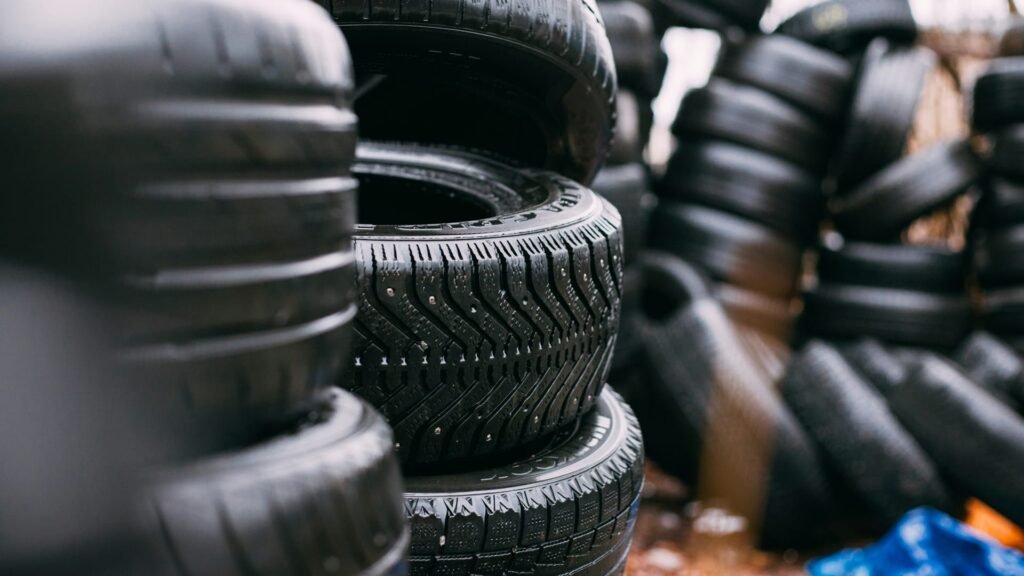
Tire sidewalls contain essential information. Knowing how to read them prevents costly mistakes.
Example Tire Size: 225/45R18 95V
| Marking | Meaning |
|---|---|
| 225 | Tire width (mm) |
| 45 | Aspect ratio (sidewall height) |
| R | Radial construction |
| 18 | Wheel diameter (inches) |
| 95 | Load index |
| V | Speed rating |
Always match the manufacturer-approved size, unless upgrading wheels with proper fitment analysis.
Step 4: Load Index and Speed Rating—Why They Matter
These ratings are not optional guidelines. They affect safety and insurance compliance.
Speed Rating Overview
| Rating | Max Speed |
|---|---|
| T | 118 mph |
| H | 130 mph |
| V | 149 mph |
| W | 168 mph |
| Y | 186 mph |
Installing tires with lower load or speed ratings than recommended can:
- Reduce handling stability
- Increase heat buildup
- Void warranties
- Create legal liability after accidents
Step 5: Tread Pattern and Rubber Compound Explained
Tires with similar sizes can perform very differently due to tread design and compound chemistry.
Tread Pattern Types
| Pattern | Characteristics |
|---|---|
| Symmetrical | Quiet, long-lasting |
| Asymmetrical | Balanced grip and comfort |
| Directional | Excellent wet traction |
Rubber Compound Factors
- Softer compounds = better grip, faster wear
- Harder compounds = longer life, less traction
- Silica-rich compounds = improved wet braking and fuel efficiency
Premium tires often justify their price through advanced compound engineering, not branding.
Step 6: Tire Age, Not Just Tread Depth
Even unused tires age chemically.
Tire Age Guidelines
- Rubber begins degrading after 5–6 years
- Maximum recommended age: 10 years
- Manufacturing date is shown in the DOT code
Example:
DOT 3522 = 35th week of 2022
Never install “new” tires that are already several years old.
Step 7: Noise, Comfort, and Ride Quality Considerations
Modern tires differ dramatically in road noise and ride feel.
Features That Reduce Noise
- Variable pitch tread blocks
- Acoustic foam inserts
- Touring-oriented carcass design
If you drive long distances or value comfort, these features matter more than most performance metrics.
Step 8: Fuel Efficiency and Rolling Resistance
Low rolling resistance tires can improve fuel economy by 2–5% over time.
Look For:
- Energy-efficient labeling
- Eco-focused touring models
- Lightweight construction
While savings are modest per tank, they accumulate over years of ownership.
Step 9: Brand Reputation vs Real Performance
Brand alone is not a guarantee of quality.
How Experts Evaluate Tires
- Independent test results
- Wet braking distance
- Consistency across conditions
- Warranty transparency
- Real-world longevity
Many mid-tier brands now outperform older premium designs in specific categories.
Step 10: When to Replace Tires (Beyond the Legal Limit)
Legal minimum tread depth is 2/32″, but safety declines earlier.
Recommended Replacement Thresholds
| Condition | Replace At |
|---|---|
| Wet driving | 4/32″ |
| Snow driving | 5–6/32″ |
| Summer performance | 3/32″ |
Waiting until tires are “legally bald” increases hydroplaning risk dramatically.
Common Tire Buying Mistakes to Avoid
- Buying based on price alone
- Ignoring climate conditions
- Mixing different tire models
- Downsizing load or speed ratings
- Trusting outdated reviews
Tires should be chosen as a system, not individually.
Final Verdict: How to Choose the Right Tires With Confidence
The “right” tire is not the most expensive, the most popular, or the most aggressive-looking—it is the one that matches your driving conditions, priorities, and safety requirements.
Drivers who understand tire categories, ratings, and real-world performance consistently:
- Drive more safely
- Spend less over time
- Enjoy better ride quality
- Avoid premature replacements
In short, tires are not accessories. They are core safety equipment.
Choose them accordingly.
Useful Links:
Related XCarspace guides
Build a more complete maintenance plan with The Most Reliable Tires for Long-Term Use: Top Picks for Durability and Mileage and How Weather Impacts Car Maintenance Costs: What Drivers Really Pay.