
For decades, European automotive brands—primarily German, Swedish, and Italian—have represented the pinnacle of driving dynamics, tactile luxury, and engineering innovation. They offer superior steering feel, deeply satisfying suspension tuning, and engines that blend performance with technical complexity.
Yet, this ownership experience often comes with a financial asterisk: significantly higher maintenance and repair costs compared to their Japanese or American counterparts. This is not a myth; it’s an economic reality tied to specific engineering philosophies and supply chains.
The core question for any prospective buyer is whether the intangible benefits of the driving experience and brand prestige sufficiently outweigh the tangible, often substantial, long-term costs. This analysis breaks down the true economics and the performance metrics to help you make an informed decision.
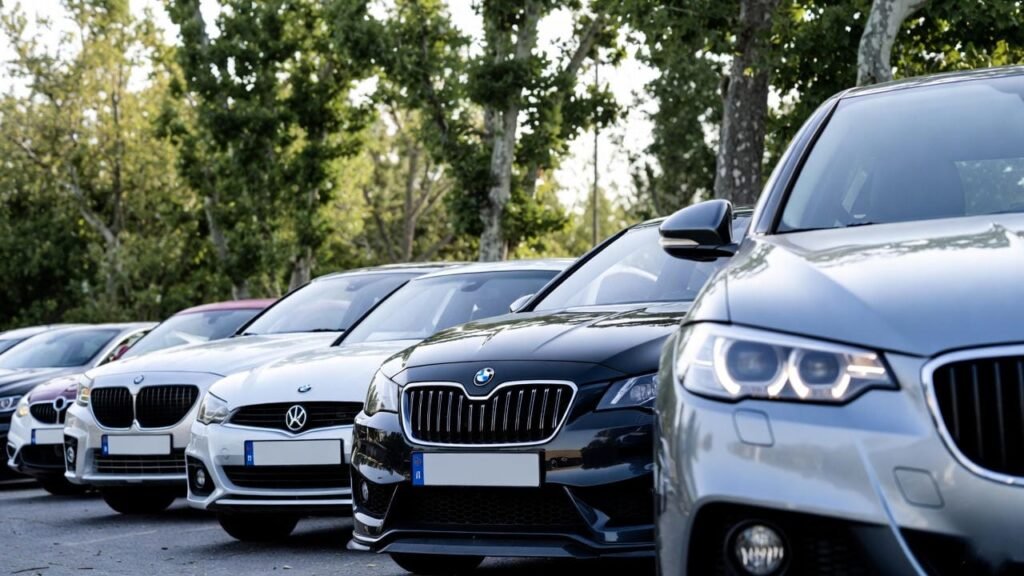
Understanding the Cost Differential: Why European Maintenance is Pricier
The higher Total Cost of Ownership (TCO) for European vehicles is rooted in three primary technical and logistical factors:
1. Engineered Complexity and Tight Tolerances
European manufacturers, particularly the Germans, push technical boundaries with features like:
- Forced Induction: Most engines rely on high-output turbochargers and complex direct fuel injection systems, which operate under extreme heat and pressure. This demands premium synthetic oils and precise cooling system monitoring.
- Integrated Design: Components are often deeply integrated into the engine bay to save space, making simple repairs (like a spark plug change or a starter replacement) require extensive disassembly of surrounding parts. This directly increases labor hours.
- Advanced Electronics: Sensor density and complex Controller Area Network (CAN bus) wiring require specialized diagnostic tools and highly trained technicians, adding a premium to hourly shop rates.
2. Specialized Parts and Supply Chain
- Proprietary Parts: Unlike Japanese and American mass-market vehicles that often share parts across model lines, many European components (especially suspension, drivetrain, and electronic modules) are highly proprietary. This limits the aftermarket competition, driving up the cost of genuine OEM parts.
- Import Logistics: Many parts, even for U.S.-assembled models, are sourced from European suppliers, adding shipping costs and potential delays that result in higher retail prices for the consumer.
3. Required High-Specification Fluids
European engines often demand specialized fluids that are more expensive than conventional options:
- Specific Oil Standards: Required oil must meet demanding standards (e.g., VW 504 00, BMW LL-01) which are typically full synthetic and engineered for extended change intervals and high thermal stability.
- High-Performance Brakes: Specialized brake pads and fluid (like DOT 4 or DOT 5.1) are necessary for the sustained high-speed performance characteristic of these vehicles, costing more than standard-grade components.
The Performance and Experience Counterpoint
The justification for the added expense lies in the tangible and intangible benefits European vehicles offer that many competitors struggle to replicate.
1. Driving Dynamics and Road Feel (The “Tactile” Advantage)
This is arguably the single greatest justification. European engineers often prioritize the driver’s connection to the road.
- Steering Precision: Steering racks are typically tuned for higher resistance and more feedback, giving the driver a better sense of the tire’s grip limit.
- Suspension Damping: European vehicles often use high-quality, multi-valve dampers that provide superb body control through corners while maintaining comfort over high-frequency road imperfections. This sophisticated tuning is expensive to engineer but results in a confidence-inspiring, refined ride.
2. Cabin Quality and Ergonomics
The interior quality of many premium European brands is difficult to match:
- Material Selection: Use of genuine materials (open-pore wood, specific grade leathers, and metal trims) that feel superior to the synthetic alternatives often used by non-premium rivals.
- Long-Term Comfort: Seating ergonomics are often developed over decades of biomechanical research, resulting in seats that remain comfortable and supportive on 500-mile journeys.
3. Long-Term Value (If Maintained Properly)
While maintenance is costly, high-end European vehicles often retain a higher residual value than similarly priced mass-market vehicles—provided they have a complete, documented service history. Buyers in the used luxury market are willing to pay a premium for models that have been meticulously cared for.
Economic Showdown: European vs. Mass-Market Maintenance
The following table provides a generalized comparison of the expected 10-year maintenance and repair costs, based on industry averages for non-warranty periods.
| Segment | Representative Example | Est. 10-Year Maintenance Cost (Median) | Est. 10-Year Repair Cost (Median) | Total Est. 10-Year TCO Differential |
| Premium European | Audi A4 / BMW 3 Series | $10,000 – $14,000 | $7,000 – $11,000 | +$10,000 to +$15,000 |
| Mass-Market Japanese | Honda Accord / Toyota Camry | $5,000 – $7,000 | $3,000 – $5,000 | Baseline |
Source: J.D. Power, RepairPal, Consumer Data Aggregation. Figures exclude depreciation and insurance.
The Expert Verdict: Is the Cost Justified?
The answer hinges entirely on your driving values and financial planning.
- If You Value Driving Experience Above All: If the superior handling, high-speed stability, and refined engine response are genuinely important to your daily satisfaction, the European premium is justifiable. You are paying a premium for a higher standard of engineering excellence and feel.
- If You Prioritize Financial Predictability: If your goal is the absolute lowest TCO, maximum reliability, and worry-free ownership, the data clearly favors the mechanically simpler, mass-produced Japanese and American vehicles.
- The Ownership Sweet Spot: To mitigate the cost, consider leasing a European vehicle or buying one new and selling it before the factory warranty expires (typically 4 years/50,000 miles). This allows you to enjoy the best period of ownership while minimizing exposure to the most expensive out-of-warranty repairs (e.g., transmission, air suspension, or turbocharger replacement).
Ultimately, owning a European car is less a financial decision and more an emotional and experiential one. You are choosing performance art over practical conveyance, and that artistry comes at a verifiable, ongoing cost.
Useful Links: