
The automotive industry’s pivot to smaller, turbocharged engines (TCEs) has delivered undeniable gains in fuel efficiency and low-end torque. This technology, once reserved for high-performance sports cars, is now the standard powertrain across segments, from compact SUVs to full-size pickups. But this efficiency comes with a financial trade-off: long-term mechanical stress.
The professional consensus is that while the engine block itself is robust, the complex systems required to support forced induction introduce multiple new points of failure. This analysis dissects the specific engineering challenges of turbocharged engines compared to naturally aspirated (NA) units, identifying the true long-term reliability risks and providing a data-backed verdict on their durability past the 100,000-mile mark.
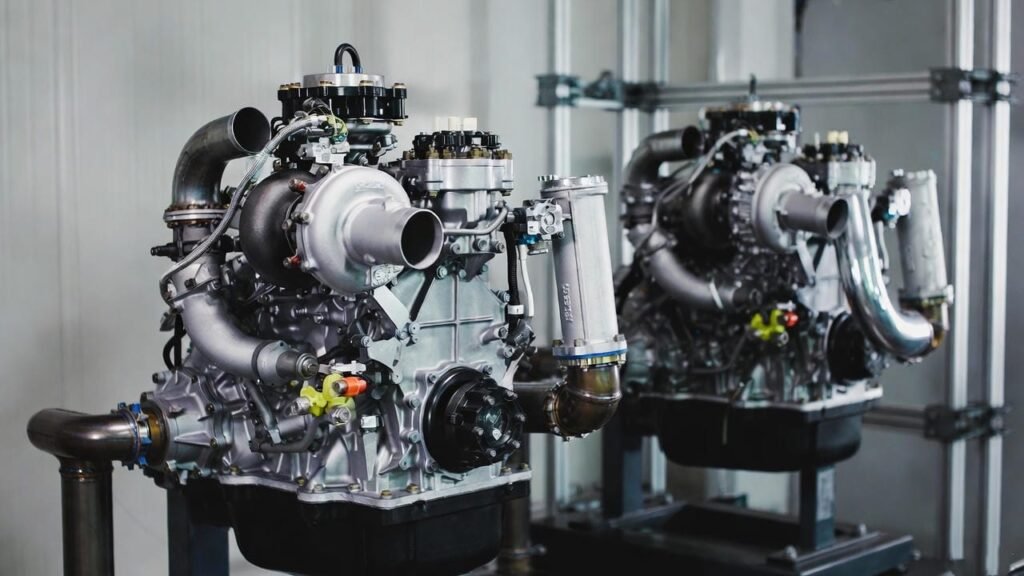
🔑 The Reliability Tax: Thermal and Mechanical Stress
The core reason turbocharged engines carry a higher long-term risk profile than simpler, naturally aspirated engines relates to the immense thermal and mechanical stress they must endure.
1. Extreme Thermal Load
- The Problem: The turbocharger spins up to 280,000 RPM and can reach temperatures exceeding $1,650^\circ\text{F}$ ($900^\circ\text{C}$). This extreme heat accelerates the degradation of nearby plastic components, hoses, seals, and—most critically—the engine oil that lubricates the turbo bearings.
- The Result: Premature failure of oil lines, coolant lines, and gaskets, leading to costly leaks and, in severe cases, turbocharger failure due to oil coking (baked oil).
2. Increased Component Stress
- The Problem: A small, four-cylinder TCE produces the power equivalent of a larger, six-cylinder NA engine. This means higher cylinder pressures, higher compression ratios, and immense stress on internal components.
- The Result: Higher long-term wear on components like pistons, timing chains, and bearings. Furthermore, the reliance on high-pressure Direct Injection (GDI) introduces the unique problem of carbon buildup on intake valves, reducing performance and requiring expensive specialized cleaning after 50,000 to 80,000 miles.
📉 Long-Term Failure Points: Turbocharged vs. Naturally Aspirated
The primary failures in high-mileage NA engines are typically wear items (alternators, water pumps). For TCEs, the failure points are far more complex and costly.
| Component | Failure Risk (TCE) | Failure Risk (NA) | Typical Repair Cost (TCE) |
| Turbocharger Unit | High (Bearings, Seals) | None | High ($2,000 – $5,000) |
| Carbon Buildup (GDI) | High (Requires walnut blasting/chemical cleaning) | Low (Only when Port Injection is absent) | High ($400 – $1,000) |
| High-Pressure Fuel Pump | High (Operates under constant extreme pressure) | Low (Lower pressure fuel pump) | Moderate-High ($700 – $1,500) |
| Oil and Coolant Seals | High (Accelerated by extreme heat exposure) | Low (Less heat-related degradation) | Moderate (Can become severe if leak is neglected) |
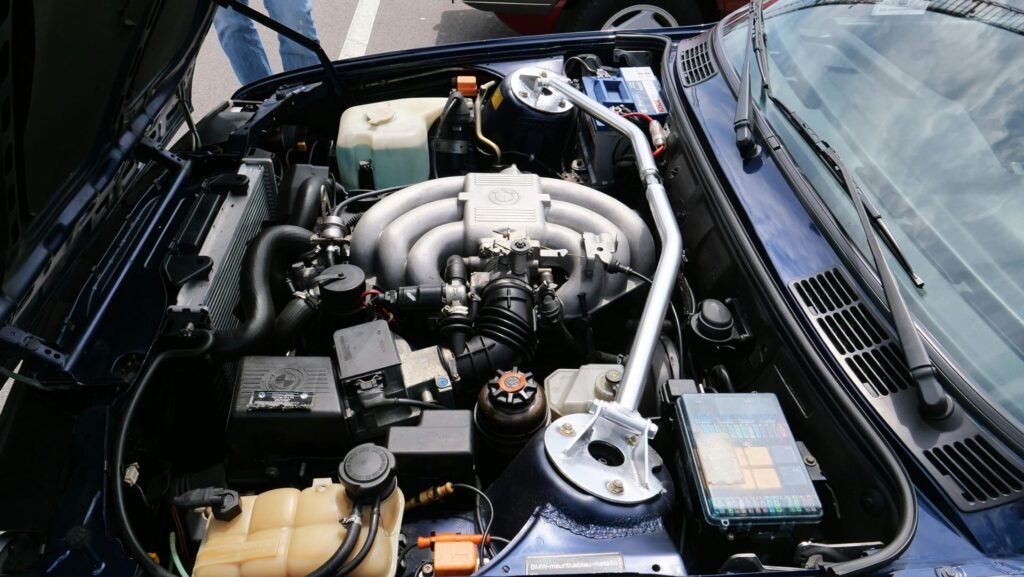
🏆 The Verdict: Reliability is Design and Maintenance Dependent
The answer to the longevity question is nuanced: TCEs are not inherently unreliable, but they are inherently more sensitive to maintenance and design quality.
1. The Reliability Winners (Mitigating the Risk)
- Established Platforms: Turbocharged engines that have been in production for several years (e.g., Honda 1.5L Turbo, specific Ford EcoBoost generations) have usually had their initial design flaws (like oil dilution) corrected via revised components. These are safer choices.
- Dedicated Hybrids (The Ideal Solution): Hybrid engines (which are often turbocharged or NA Atkinson cycle) are consistently the most reliable modern powertrains. The electric motor handles high-load acceleration, protecting the gasoline engine from the stress that accelerates wear.
2. The Reliability Losers (Ignoring the Risk)
- Newly Designed TCEs: First-generation engines or those utilizing overly aggressive boosting strategies often serve as guinea pigs for long-term durability issues.
- Neglected Maintenance: A turbocharged engine that uses conventional oil or adheres to the manufacturer’s suggested 10,000-mile change interval is a ticking time bomb. Oil breaks down faster under extreme heat, leading to premature bearing and seal failure.
🛠️ Owner Strategy: Mitigating the Turbo Risk
If you own or plan to buy a turbocharged vehicle, these measures are mandatory to ensure long-term reliability and minimal repair costs:
- Strict Oil Change Intervals: Never exceed 7,000 miles for a synthetic oil change; 5,000 miles is safer, particularly with GDI engines. The cost of an extra oil change per year is trivial compared to the cost of a new turbo.
- Use Only Synthetic Oil: High thermal loads mandate the use of the highest quality synthetic oil specified by the manufacturer.
- Turbo Cool-Down Procedure: After aggressive highway driving, allow the engine to idle for 30–60 seconds before turning it off. This allows the oil to cool the turbo bearings, preventing premature oil breakdown (coking) within the turbocharger housing.
In conclusion, while the potential for costly failure is statistically higher in a TCE compared to its NA predecessor, a well-designed TCE platform combined with stringent owner maintenance can still deliver highly competitive long-term durability. It simply requires more vigilance and a higher commitment to routine, premium servicing.
Useful Links: