
Telsa
- Company: Tesla, Inc.
- Ticker: Tesla, Inc.
- Founded: 2003
- Headquarters: Austin, Texas, United States
- CEO: Elon Musk
- Industry: Electric Vehicles (EV), Energy Storage, Artificial Intelligence
1. Corporate Identity & Core Positioning
Tesla is not structured like a traditional automaker. It operates as:
- A vertically integrated EV manufacturer
- A battery engineering company
- A software-defined vehicle developer
- An AI autonomy research entity
- An energy infrastructure supplier
Unlike legacy OEMs, Tesla controls:
- Retail pricing (direct-to-consumer model)
- OTA software deployment
- Charging infrastructure ecosystem
- Core battery architecture
This integration reduces dealership dependency and allows rapid iteration cycles.
2. Global Manufacturing Footprint
Tesla operates multi-continent production hubs to reduce logistics cost and currency exposure.
| Facility | Location | Primary Production | Strategic Role |
|---|---|---|---|
| Gigafactory Texas | Austin | Model Y, Cybertruck | U.S. expansion hub |
| Fremont Factory | Fremont | Model S, Model X, Model 3 | Legacy production base |
| Gigafactory Shanghai | Shanghai | Model 3, Model Y | Export & cost-efficient production |
| Gigafactory Berlin | Berlin | Model Y | EU supply chain localization |
Strategic pattern: localize production in key markets to avoid tariffs and reduce supply chain friction.
3. 2026 Tesla Vehicle Lineup
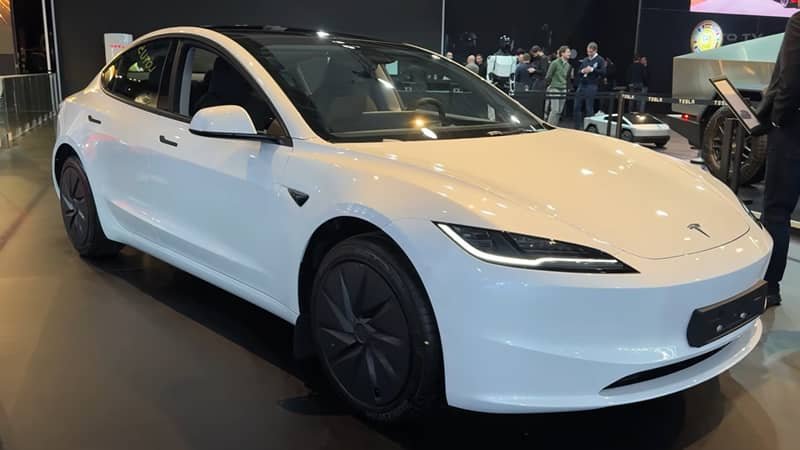
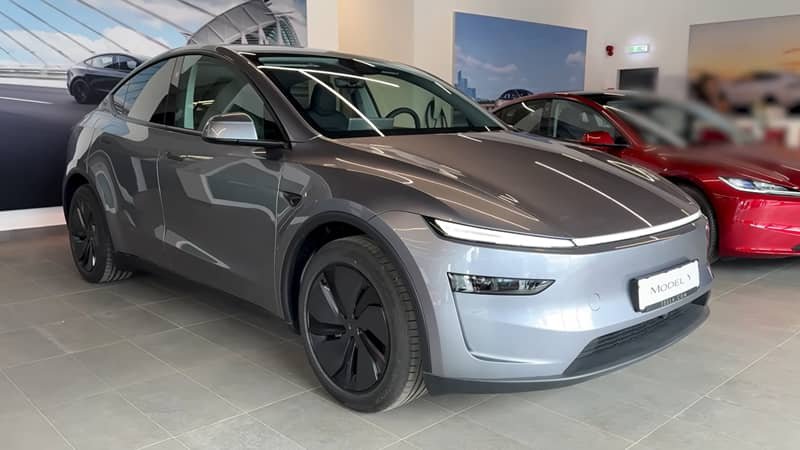
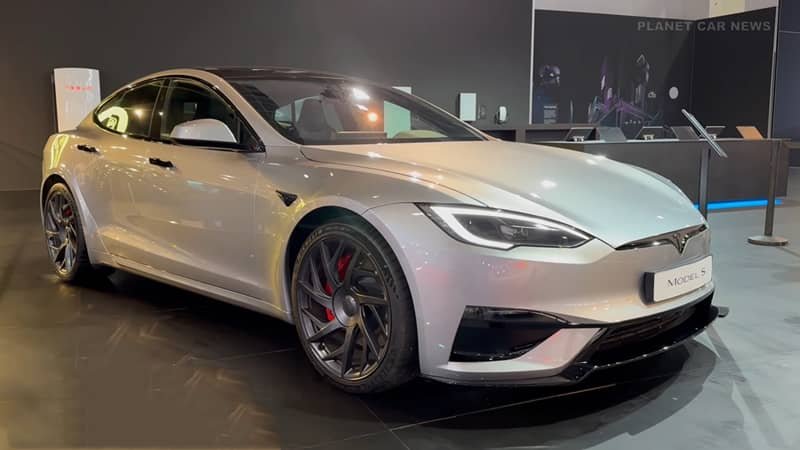
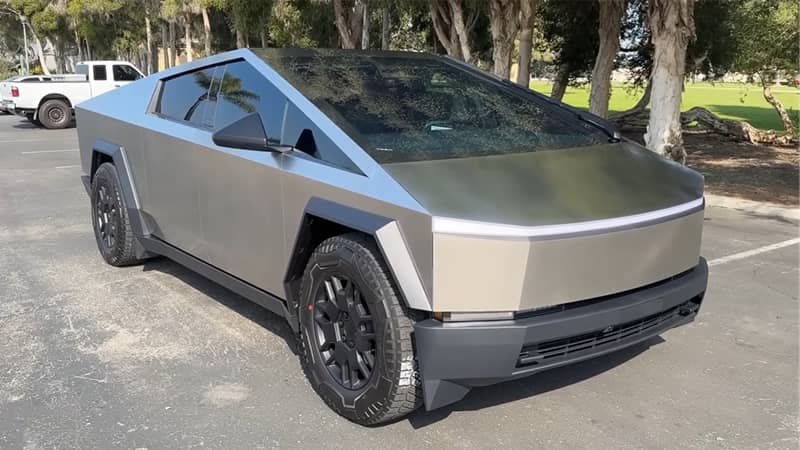
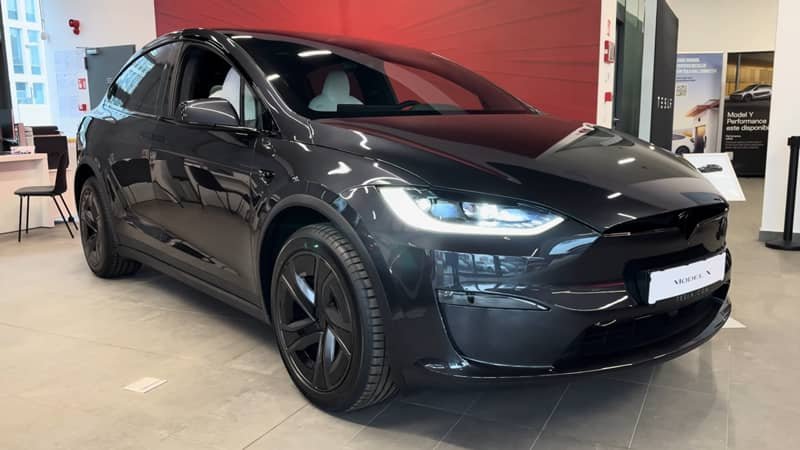
| Model | Segment | EPA Range (Approx.) | Drivetrain | Starting Price (USD, est.) |
|---|---|---|---|---|
| Tesla Model 3 | Compact Sedan | ~341 miles | RWD / AWD | ~$38,000 |
| Tesla Model Y | Compact SUV | ~330 miles | AWD | ~$43,000 |
| Tesla Model S | Luxury Sedan | ~405 miles | AWD / Plaid | ~$75,000 |
| Tesla Model X | Luxury SUV | ~348 miles | AWD | ~$79,000 |
| Tesla Cybertruck | Pickup Truck | ~340 miles | AWD / Tri-Motor | ~$60,000 |
Prices fluctuate due to Tesla’s dynamic pricing model.
4. Battery & Powertrain Architecture
Tesla’s competitive advantage is cost-per-kWh reduction through scale and engineering integration.
Battery Strategy
| Element | Technical Approach | Strategic Impact |
|---|---|---|
| 4680 Cell | Larger cylindrical format | Reduced cost per kWh |
| Structural Pack | Battery as chassis element | Weight reduction |
| Thermal Management | Liquid-cooled system | Efficiency stability |
| Vertical Integration | In-house pack design | Margin protection |
Tesla continues partnerships in cell production while maintaining design control.
5. Software & Autonomy Stack
Tesla’s software-first architecture differentiates it from legacy automakers.
Driver Assistance System
Regulatory oversight in the U.S. involves the National Highway Traffic Safety Administration.
| System | Description | Supervision Required |
|---|---|---|
| Autopilot | Highway lane assist | Yes |
| Enhanced Autopilot | Auto lane change, parking | Yes |
| Full Self-Driving (Supervised) | Urban navigation | Yes |
Tesla relies primarily on camera-based vision systems instead of LiDAR.
6. Charging Infrastructure Dominance
The Tesla Supercharger network remains a structural moat.
| Metric | Strategic Advantage |
|---|---|
| Fast DC charging | Reduced range anxiety |
| Proprietary network | Ecosystem lock-in |
| NACS adoption | Industry standardization |
Adoption by:
- Ford Motor Company
- General Motors
This shifts U.S. charging standards toward Tesla’s connector.
7. Competitive Landscape 2026
| Region | Key Competitor | Competitive Factor |
|---|---|---|
| China | BYD Company | Battery vertical integration |
| Europe | Volkswagen Group | Platform modularization |
| Korea | Hyundai Motor Company | Fast EV rollout |
| U.S. | Ford / GM | Legacy transition |
Tesla’s primary edge: efficiency + charging + OTA infrastructure.
8. Financial Structure Overview
Tesla’s valuation often reflects technology multiples rather than traditional OEM ratios.
| Category | Tesla Profile |
|---|---|
| Revenue Sources | Vehicles, Energy Storage, Services |
| Margin Sensitivity | Affected by price cuts |
| Capital Expenditure | Gigafactory expansion |
| Risk Factors | EV pricing wars, regulatory review |
Ticker: Tesla, Inc.
9. Structural Strengths vs Risks
Structural Advantages
- High brand recognition in EV market
- Charging network control
- Software update capability
- Global manufacturing footprint
Structural Risks
- Regulatory oversight on autonomy
- CEO concentration risk
- Price volatility
- Raw material cost swings
10. Ownership Economics
| Cost Factor | Tesla Impact |
|---|---|
| Fuel | Lower vs gasoline |
| Maintenance | Reduced mechanical wear |
| Insurance | Often higher |
| Depreciation | Sensitive to pricing changes |
11. Expert-Level Conclusion
From a systems-engineering perspective, Tesla operates as a vertically integrated mobility platform rather than a conventional automaker.
From an investment perspective, it is evaluated as:
- Automotive manufacturer
- AI autonomy developer
- Energy storage infrastructure firm
From a competitive strategy standpoint, Tesla’s durable moat is not merely battery chemistry — it is ecosystem integration.
FAQ (Search Intent Optimized)
Is Tesla still the EV market leader?
In U.S. sales and charging infrastructure, yes. Globally, competition is increasing.
Is Tesla safer than traditional vehicles?
Crash performance ratings are strong; autonomy remains supervised.
Is Tesla profitable?
Yes, though margins fluctuate with pricing strategy.