Hydrogen: A Strategic Bet, Not Just an Experiment
Zipse underlined that many governments and regulators in Europe remain heavily focused on battery-electric vehicles (BEVs) — but places like China, Japan, Korea, and even California are taking a different route. There, hydrogen is being treated as a serious cornerstone for future mobility.
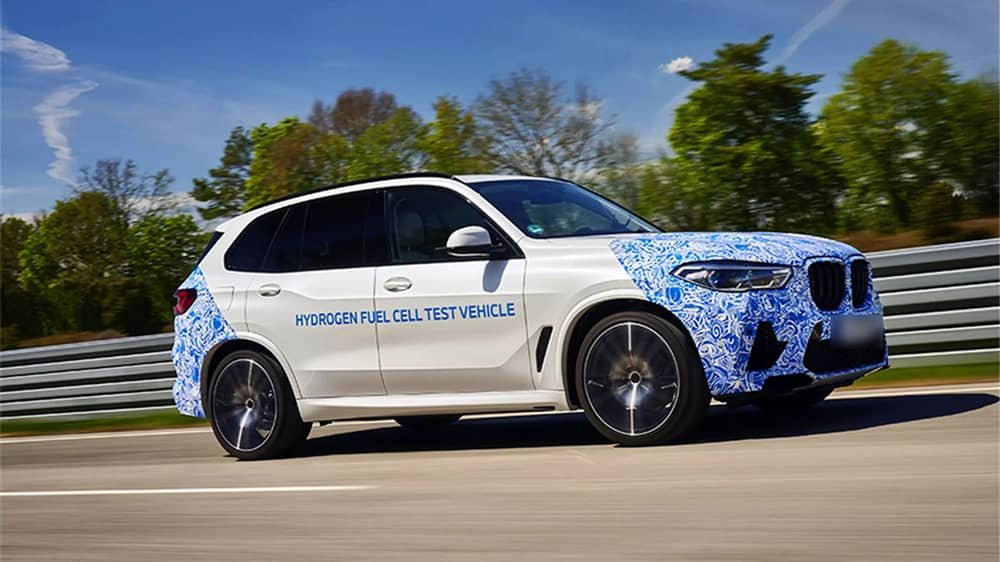
BMW: One of Europe’s Last Hydrogen Pioneers
Unlike past projects, BMW’s current hydrogen architecture strongly resembles its EV platforms: electric motors and much of the same hardware, but with a fuel cell generating the electricity onboard. This approach delivers several advantages: rapid refueling, stable performance in extreme climates, and a lighter energy storage system for long-distance travel.
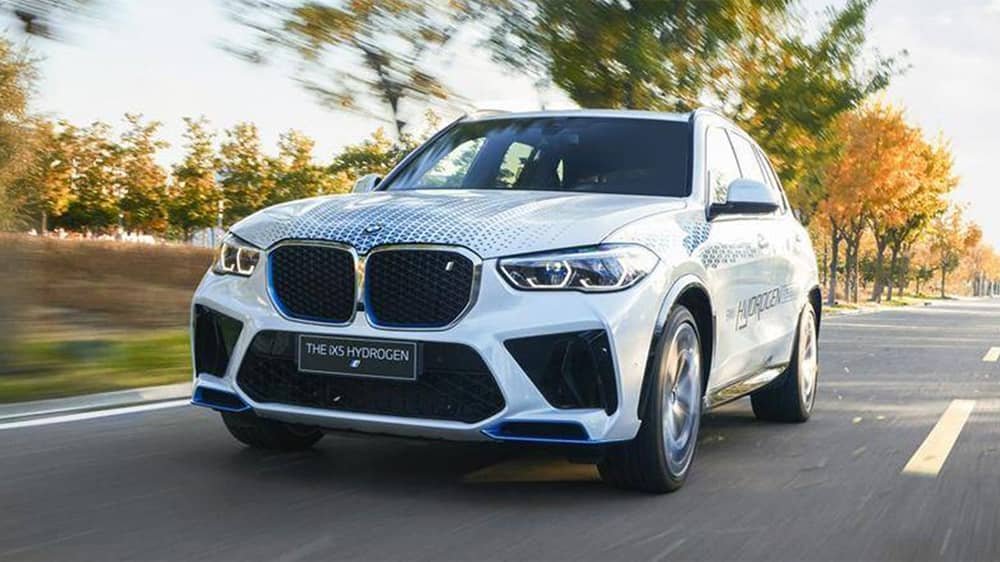
iX5 Hydrogen: Series Production Coming in 2028
Key technical features include:
- A fuel-cell stack manufactured in Germany
- Compressed, high-pressure hydrogen tanks
- A small buffer battery to provide extra power during rapid acceleration
- Integration into the existing X5 platform with minimal structural changes, making the platform compatible with multiple propulsion types.
Public Funding Supports, but May Not Be Enough
BMW’s hydrogen development is receiving financial backing: €273 million from the German federal government and the Bavarian state via the EU’s IPCEI (Important Project of Common European Interest) Hydrogen initiative.
However, Zipse warned that even with this support, Germany is not moving fast enough compared to regions that treat hydrogen as a core industrial priority. He cautioned that if Europe continues to lean exclusively into BEVs, it could forfeit its influence in an entire technological domain.
Skepticism Persists Among Analysts
Many industry observers remain skeptical about hydrogen’s viability in passenger vehicles. Key concerns include:
- High production costs for fuel cell vehicles
- Lack of sufficient hydrogen refueling infrastructure
- Efficiency losses during hydrogen production, transport, and conversion that make it difficult to compete with BEVs on cost
These critiques reflect broader regulatory challenges: Europe’s policies largely focus on tailpipe emissions, overlooking full life-cycle emissions from production, materials, and supply chain activities.
Zipse Questions the EU’s Regulatory Focus
Zipse strongly criticized the EU’s “tailpipe-only” emissions regulation framework. He argues that current rules ignore key aspects of decarbonization — such as low-carbon steel, renewable-powered factories, and green supply chains.
He advocates for a more holistic regulatory approach that accounts for a vehicle’s entire life-cycle emissions, not just what comes out of the exhaust. For BMW, that means supporting a variety of propulsion systems: BEVs, hybrids, combustion engines, and hydrogen fuel cell vehicles.
BMW’s strategy, according to Zipse, is rooted in platform flexibility — the company aims to keep its architecture open so that future models can be built with different powertrains without reinventing the wheel.
Where BMW Thinks Hydrogen Will Excel
BMW does not view hydrogen as a total replacement for BEVs — instead, it sees hydrogen as a complementary technology for specific use cases:
- Regions with limited fast-charging infrastructure — where building an EV charging network is difficult
- Long-distance driving or heavy-load scenarios — where hydrogen’s fast refueling and light energy storage are advantageous
- Places with constrained electricity supply — where grid capacity is limited but hydrogen refueling can be developed
- Markets with extreme climates — as fuel-cell systems perform consistently well in both hot and cold environments
Looking Ahead: BMW’s Hydrogen Vision
Although the hydrogen program will initially operate at low volumes, the move to produce the iX5 Hydrogen in series is a significant step forward. Zipse noted growing international interest and partnerships, and he expects hydrogen to become a more important piece of BMW’s portfolio later this decade — if Europe can match the infrastructure, investment, and regulatory ambition seen elsewhere.
His message was pointed: if Europe does not act now, other regions will seize the technological leadership.