We’ve all been there: the sudden flash of a red brake light in the car ahead, that split-second heart-drop, and the frantic reach for the pedal. Ten years ago, that moment was entirely up to your reflexes. Today, your car likely “saw” the brake light before you did.
As we move through 2026, the marketing for new vehicles is no longer about 0-60 times; it’s about “zero-collision” goals. But as road fatalities in the U.S. remain at crisis levels, we have to ask the hard question: Is this technology actually prevent accidents, or is it just providing a false sense of security?
The data from late 2025 and early 2026 suggests that the answer is a complex “both.” Here is a deep dive into the real-world effectiveness of the safety tech in your driveway.
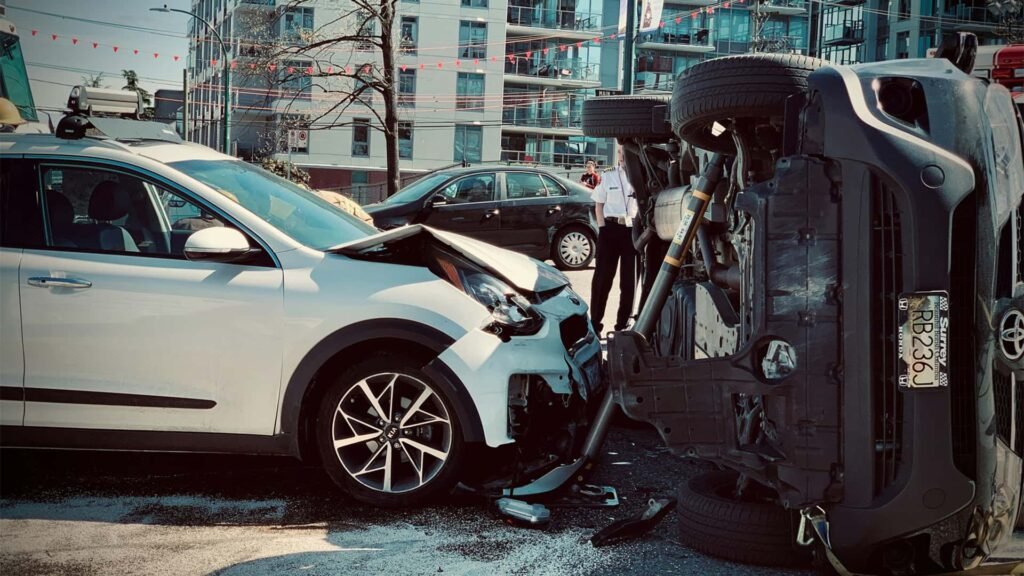
The Heavy Hitters: Which Features Actually Save Lives?
Not all “Safety Suites” are created equal. In 2026, the industry has finally separated the “nannies” (annoying beeps) from the “guardians” (active intervention).
1. Automatic Emergency Braking (AEB): The Gold Standard
The most recent PARTS (Partnership for Analytics Research in Traffic Safety) study released in January 2025 confirmed that AEB is the single most effective safety advancement since the seatbelt.
- The Reality: Front-to-rear crashes are reduced by roughly 52% in vehicles equipped with modern AEB systems.
- The 2026 Edge: New model vehicles are now avoiding collisions at speeds up to 35 mph with nearly 100% success rates, a massive leap from the 51% success rate seen in 2018 models.
2. Lane Keeping Assist (LKA) vs. Lane Departure Warning (LDW)
There is a massive difference between a car that “yells” at you and a car that “helps” you.
- LDW (Warning Only): Studies show only a marginal reduction in crashes, largely because drivers find the beeping annoying and often turn it off.
- LKA (Active Steering): Recent 2025 data indicates that LKA is 60% effective in reducing target population crashes because it initiates evasive steering before the human driver even realizes they’ve drifted.
Comparison: Real-World Crash Reduction by Technology (2025-2026 Data)
| Technology | Intended Crash Type | Reduction in Crashes | Reliability Rating |
| AEB (Rear-End) | Front-to-Rear Collisions | ~52% | Ultra-High |
| Pedestrian AEB | Non-motorist (Cyclists/Walkers) | ~9-11% | Moderate (Improving) |
| Lane Keeping Assist | Single-Vehicle Road Departure | ~60% | High (on marked roads) |
| Blind Spot Monitoring | Lane Change Sideswipes | ~14-23% | High |
| Partial Automation | Multi-Factor Collisions | Negligible | Controversial |
The “Convenience” Trap: Why Partial Automation Is Failing
One of the most surprising findings from the IIHS (Insurance Institute for Highway Safety) in late 2024 and 2025 is that partial automation (systems that combine adaptive cruise control with lane centering) shows little evidence of preventing extra crashes.
While these systems make a long road trip to the Grand Canyon less tiring, they often lead to driver complacency. When the car feels like it’s driving itself, the human brain enters “standby mode.” If the technology encounters a rare “edge case”—like a faded lane marker or a uniquely shaped construction vehicle—the human is too slow to re-engage, often leading to higher-impact collisions.
The 2026 Innovation: Predictive vs. Reactive Safety
We are currently in the transition from Reactive tech (the car brakes after a hazard appears) to Predictive tech.
- Higher-trim 2026 models now utilize Lidar and moisture sensors to adjust braking distance based on road grip.
- V2X (Vehicle-to-Everything) communication is beginning to allow cars to receive alerts from traffic lights or “broken-down” vehicles miles ahead, allowing the car to slow down before the hazard is even visible.
The Verdict: Can Tech Prevent Your Next Accident?
The tech can certainly save you from a “distraction lapse”—the second you look down at your coffee or a crying child in the backseat. However, the technology is only a safety net, not a driver.
What to look for in your next car:
- Standard AEB with Pedestrian Detection: Don’t pay extra for it; it should be standard.
- LKA over LDW: Ensure the car has active steering intervention, not just a buzzer.
- Physical “Off” Switches: Ironically, the safest cars are those that allow you to customize the alerts so you don’t get “warning fatigue” and turn everything off in frustration.
The Bottom Line
In 2026, car tech prevents roughly 40% of all passenger-vehicle crashes when used correctly. It is a powerful tool, but until we reach full Level 5 autonomy, the most important safety feature remains the person behind the wheel.
Would you like me to look up the specific safety hardware suite for a particular car you’re considering to see how its real-world prevention stats compare?
Smart Safety Features That Actually Prevent Car Accidents
This video provides a deep dive into how 2026-era sensor suites function in real-world scenarios to help you understand the difference between predictive and reactive braking.
Useful Links: