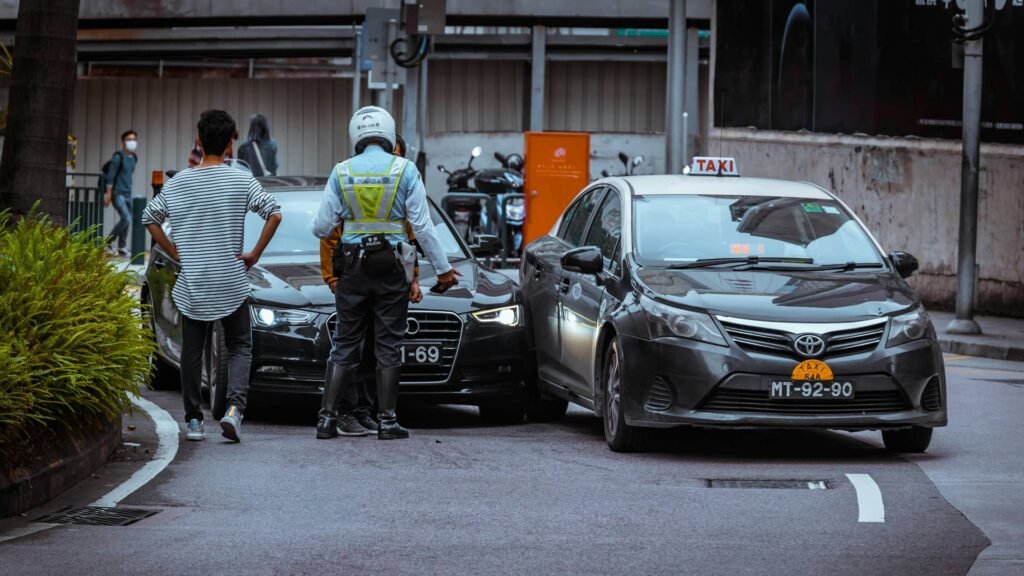
In 2026, the definition of a “minor accident” has changed. A decade ago, a low-speed tap in a grocery store parking lot meant a buffed bumper or, at worst, a few hundred dollars in bodywork. Today, that same “tap” often results in a repair estimate exceeding $3,500.
The culprit? Advanced Driver Assistance Systems (ADAS). What we commonly call “crash sensors” have moved from the engine bay to the vehicle’s “outer skin”—the bumpers, the side mirrors, and the windshield. While these sensors are brilliant at preventing high-speed fatalities, they have become the single greatest driver of repair inflation in the American automotive market.
The Precision Trap: Why Parts Are No Longer Just Parts
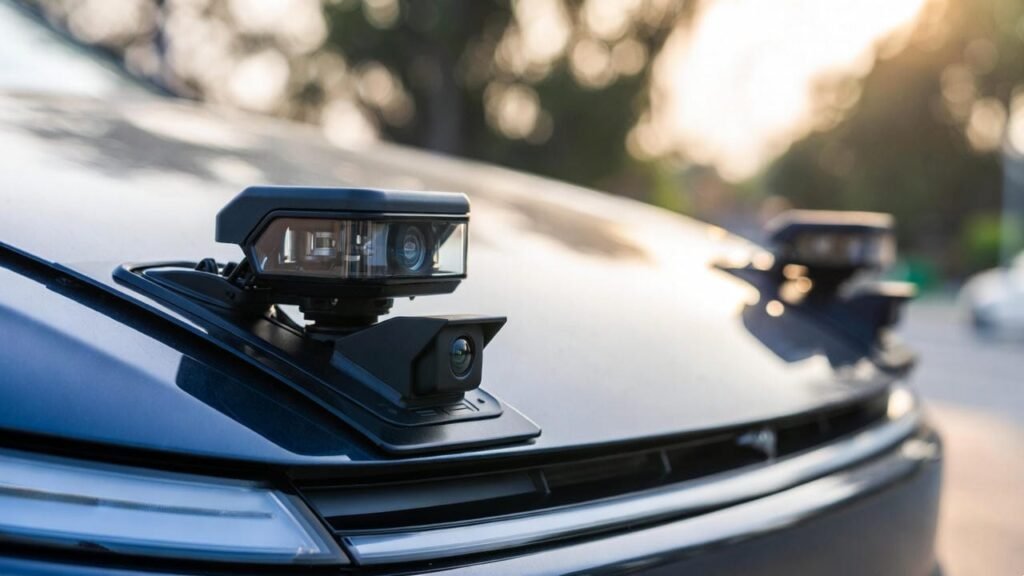
Modern vehicles are equipped with an array of sensors—Radar, Lidar, Ultrasonic, and Cameras—that act as the car’s central nervous system. In 2026, even a base-model sedan carries roughly 20 to 30 of these components.
The issue isn’t just the price of the plastic sensor itself; it’s the integration. * The Bumper Problem: Blind-spot radar modules are now mounted directly behind the rear bumper cover. A minor crack in that plastic can misalign the radar by just one degree. At highway speeds, that one-degree error translates into the car “seeing” a vehicle in the wrong lane, or worse, not seeing it at all.
- The Windshield Premium: Most forward-collision cameras are mounted behind the rearview mirror. In 2026, a simple stone chip in your windshield no longer costs $200 to fix. Because the camera must be perfectly aligned with the glass, a replacement now averages $1,200 to $1,500 due to the required “Target Calibration.”
Comparison: The Cost of a “Minor” Front-End Collision (2026 Estimates)
| Component | Traditional Repair (Pre-2015) | Modern ADAS Repair (2026) | Hidden “Tech” Cost |
| Front Bumper Cover | $450 – $700 | $1,800 – $3,200 | Radar sensors & ultrasonic wiring |
| Side Mirror | $150 – $300 | $1,100 – $1,600 | Cameras & blind-spot indicators |
| Windshield Glass | $200 – $400 | $1,200 – $1,500 | Camera recalibration & OEM glass |
| Headlight Assembly | $300 – $500 | $2,500 – $4,500 | Adaptive LED matrix & sensors |
| Labor & Diagnostics | $200 | $800 – $1,200 | Specialized “Scan” & Calibration fees |
Calibration: The “Invisible” Labor Charge
If you look at a repair bill in 2026, you will see a line item that didn’t exist ten years ago: Recalibration. Calibration is the process of teaching the car’s computer exactly where its sensors are pointing after they’ve been moved or replaced. There are two types:
- Static Calibration: Requires a specialized “clean room” with specific lighting and physical targets placed at precise distances around the car.
- Dynamic Calibration: Requires a technician to drive the car on clearly marked roads at specific speeds for a set amount of time while a laptop monitors the sensor’s “learning” process.
Because these procedures require specialized equipment (often costing shops over $50,000 to purchase), the labor rate for a “tech-heavy” repair is often double the standard bodywork rate.
Why This Is Pushing Insurance Premiums Higher
We are currently witnessing a “Safety Paradox.” While ADAS has reduced the frequency of accidents (we are crashing less often), it has significantly increased the severity (crashes cost more to fix).
Insurance carriers are struggling to keep up. In late 2025, several major insurers reported that the “Total Loss” threshold has dropped. Because it is so expensive to recalibrate a 5-year-old car after a minor dent, insurance companies are more likely to “write off” or total the vehicle rather than pay for the complex electronic repairs. This “disposable car” trend is a primary reason why U.S. auto insurance premiums rose by an average of 7-9% in 2025 alone.

Consumer Tip: How to Minimize Your Risk
If you are buying a vehicle today, “repairability” should be on your checklist:
- Check Sensor Placement: Some manufacturers (like Subaru) mount their cameras inside the cabin behind the glass, which can sometimes reduce the risk of damage in a minor fender bender compared to bumper-mounted sensors.
- Review “Glass Coverage”: Ensure your insurance policy has a specific “OEM Glass” rider. Many “aftermarket” windshields do not meet the clarity standards required for your car’s cameras to function, leading to calibration failures.
- Ask About Sublets: When getting an estimate, ask the shop if they do calibrations in-house. Shops that “sublet” (send the car to a dealer) often add a 20-30% markup and take days longer to finish the job.
The Bottom Line
Crash sensors are the unsung heroes of road safety, but they are the villains of your bank account. In 2026, the cost of “smart” safety is a high “tech tax” every time the body shop gets involved.
Useful Links: