Buying a brand-new car comes with a powerful assumption: reliability. For many buyers, especially first-time owners or those upgrading from an older vehicle, the expectation is simple—new cars shouldn’t break down. But is that assumption actually supported by real-world data?
This article cuts through marketing claims and online anecdotes to answer a critical consumer question: how often do new cars really break down, what “break down” actually means today, and what factors truly influence early-life reliability. The goal is not fear-mongering, but clarity—so you can make an informed decision grounded in evidence, not assumptions.
What Counts as a “Breakdown” in a New Car?
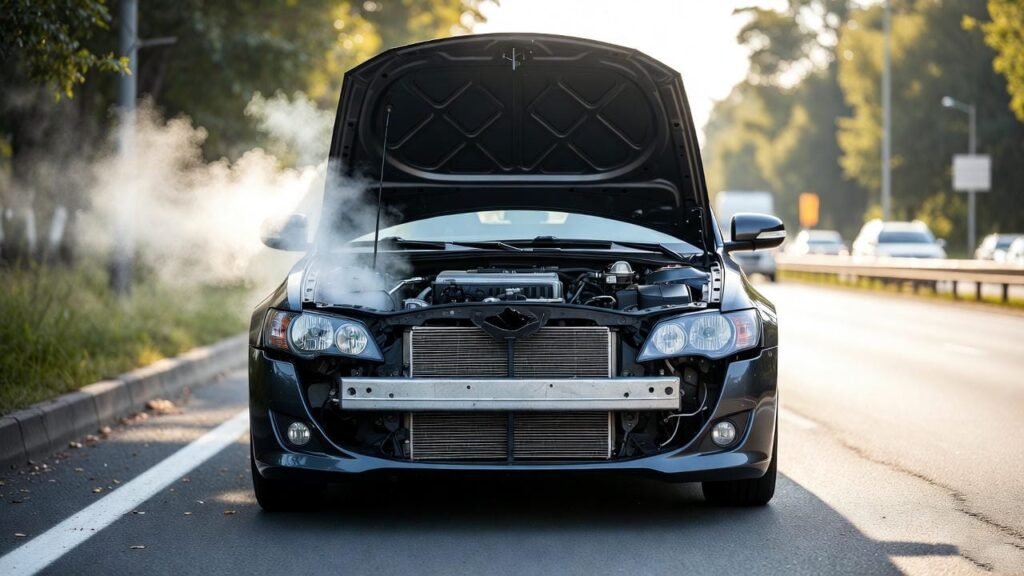
Before looking at frequency, we need to define the term accurately. In modern automotive reliability analysis, a “breakdown” is not always catastrophic.
For new vehicles, issues typically fall into three categories:
- Hard breakdowns
- Vehicle cannot be driven
- Requires roadside assistance or towing
- Examples: dead battery, electrical system failure, transmission fault
- Soft failures
- Vehicle remains drivable
- Warning lights, software errors, sensor malfunctions
- Often resolved via dealer visit or over-the-air (OTA) update
- Owner-perceived problems
- Infotainment glitches
- Driver-assistance alerts behaving unexpectedly
- Build-quality concerns (rattles, trim issues)
Most reported “new car problems” fall into the second and third categories, not true mechanical breakdowns.
How Often Do New Cars Break Down in the First 12 Months?
Based on aggregated industry reliability data, warranty claim patterns, and roadside assistance statistics, the reality is more reassuring than many online forums suggest.
Real-World Breakdown Frequency (First Year)
| Issue Type | Approx. Percentage of New Cars |
|---|---|
| No issues at all | 60–70% |
| Minor issues (software, infotainment, sensors) | 20–30% |
| Mechanical or electrical issue requiring service | 5–8% |
| True roadside breakdown (immobilized vehicle) | 2–3% |
Key takeaway:
Fewer than 1 in 30 new cars experience a true breakdown in their first year, and most are resolved quickly under warranty.
Why New Cars Still Have Problems (Despite Better Engineering)
Modern vehicles are more durable than ever mechanically—but also more complex. The source of early-life issues has shifted.
Then vs. Now: What Causes Problems?
| Era | Primary Failure Causes |
|---|---|
| 1990s–early 2000s | Engines, transmissions, cooling systems |
| Today | Software, electronics, infotainment, ADAS sensors |
Ironically, mechanical reliability has improved, while digital complexity has introduced new failure points.

The Role of Software in Early New-Car Issues
A significant percentage of first-year problems today are software-related:
- Infotainment freezing or rebooting
- Driver-assistance systems throwing false warnings
- Connectivity failures (Bluetooth, CarPlay, Android Auto)
- Calibration errors after battery disconnects
These issues are rarely safety-critical and are often fixed with:
- Dealer software updates
- OTA patches
- Module reprogramming
From a reliability standpoint, this is a very different risk profile than a mechanical failure.
Are Some Brands More Prone to Early Breakdowns?
Yes—but not always in the way buyers expect.
Patterns Observed Across Brands
- New model launches tend to have more early issues
- Luxury and tech-heavy vehicles report more minor faults
- Simpler powertrains (naturally aspirated engines, traditional automatics) show fewer early problems
- First-year redesigns consistently underperform mature models
This does not mean a brand is “unreliable” long-term—it often reflects aggressive technology rollout.
Electric Vehicles vs. Gas Cars: Who Breaks Down More?
This is a common concern among buyers cross-shopping EVs and ICE vehicles.
Early Reliability Comparison
| Vehicle Type | Typical First-Year Issues |
|---|---|
| Gas vehicles | Software + minor mechanical |
| Hybrids | Software + integration complexity |
| EVs | Software, charging system errors |
EVs generally have fewer mechanical components, but more software dependencies. As a result:
- EVs have fewer hard breakdowns
- But more early warning alerts and system errors
Most EV “problems” are not immobilizing failures.
Does a New Car Breaking Down Mean You Bought the Wrong One?
Not necessarily.
In many cases, early issues are:
- Covered 100% by warranty
- Resolved permanently after the first fix
- Non-recurring software or calibration problems
In fact, vehicles that receive early updates often become more stable long-term than untouched early builds.
What You Can Do to Minimize Breakdown Risk
Even with a brand-new car, smart buying choices matter.
Practical Risk-Reduction Tips
- Avoid first-year redesigns if long-term reliability is your priority
- Research powertrain maturity, not just brand reputation
- Update vehicle software promptly
- Do not ignore warning lights—even if the car feels “fine”
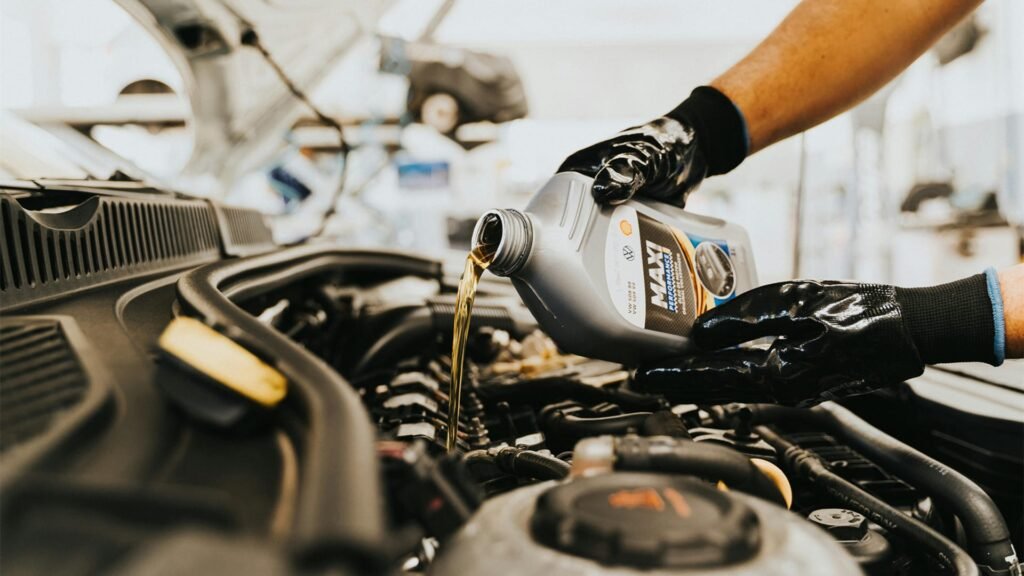
- Follow the break-in and maintenance guidelines strictly
Do Extended Warranties Matter for New Cars?
For most buyers, the factory warranty already covers:
- All major components
- Roadside assistance
- Software updates
Extended warranties usually make sense only if:
- You plan to keep the car beyond the factory warranty
- The vehicle is tech-heavy or luxury-focused
- You drive significantly above average mileage
The Bottom Line: How Often Do New Cars Really Break Down?
Far less often than public perception suggests.
- True breakdowns in the first year are rare
- Most issues are minor, fixable, and warranty-covered
- Modern cars are mechanically stronger but digitally more complex
- Early problems do not predict long-term unreliability
For most buyers, a new car is still the lowest-risk ownership period in the entire life of a vehicle.
Final Verdict for Buyers
If your concern is reliability:
- Buy a mature model
- Prioritize proven powertrains
- Accept that minor software issues are now part of modern ownership
A new car breaking down is no longer a common fear—it’s an exception, not the rule.
Useful Links: