
As we cross the threshold into 2026, the conversation around autonomous driving has shifted from “if” it will happen to “how much” we can actually trust it. If you’ve spent any time on the I-405 or the Jersey Turnpike recently, you’ve likely seen the sensors—sleek Lidar pods on Volvo roofs or the relentless flashing of Tesla’s cabin cameras.
But behind the marketing buzzwords like “Full Self-Driving” and “Drive Pilot” lies a complex reality of disengagement rates, sensor fusion, and regulatory red tape. Here is the unvarnished truth about the reliability of autonomous driving technology on American roads right now.
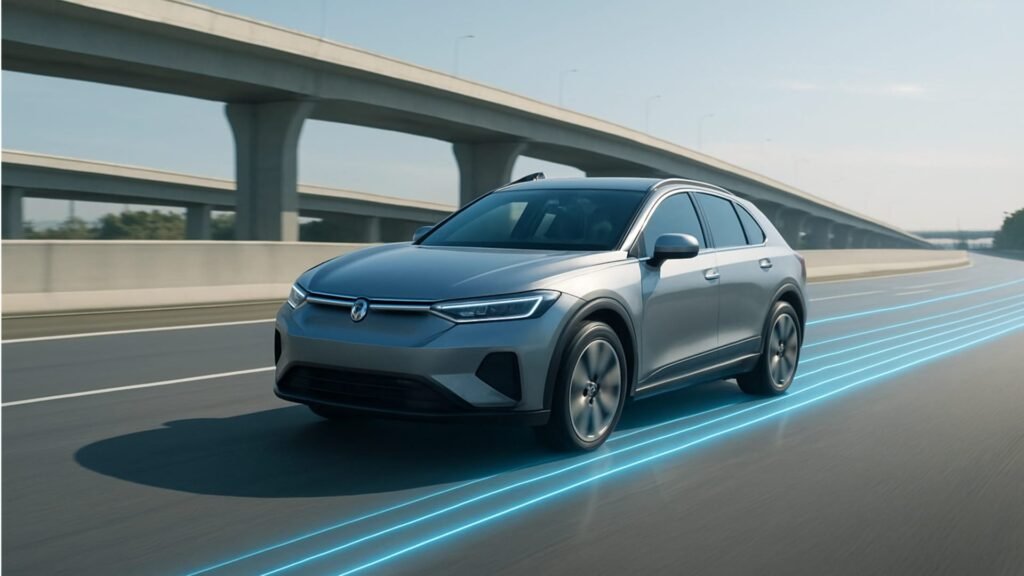
The Reliability Spectrum: SAE Levels in the Real World
To understand reliability, we first have to stop grouping all “self-driving” cars into one bucket. In 2026, the market is split into two distinct realities: Supervised Autonomy (Level 2+) and Conditional/High Autonomy (Level 3 & 4).
Level 2+ (Tesla, Ford, GM, Rivian)
These systems remain “Hands-On, Eyes-On.” Reliability here is measured by fatigue reduction rather than total vehicle control.
- Tesla’s FSD v14+: By early 2026, Tesla has moved toward an “End-to-End” neural network. It is smoother than ever, but it still suffers from “edge case” hallucinations—misinterpreting temporary construction signs or complex hand signals from traffic officers.
- Rivian & Ford BlueCruise: These have leaned heavily into high-definition mapping. They are incredibly reliable on the 3.5 million miles of “approved” U.S. highways but effectively “turn off” the moment you exit the interstate.
Level 3 & 4 (Mercedes-Benz, Waymo, BMW)
This is where true reliability lives.
- Mercedes-Benz Drive Pilot: As of late 2025, Mercedes increased their “eyes-off” speed limit to 60 MPH in certain jurisdictions. It is arguably the most reliable system because it is the most restricted. It uses Lidar, redundant steering, and moisture sensors. If the sun is too bright or the road is slightly wet, the system refuses to engage. That “refusal” is actually a hallmark of high reliability.
- Waymo: Now serving over 1 million rides per week across 20+ cities, Waymo’s Level 4 fleet has a safety record that—statistically—vastly outperforms the average human driver in urban environments.
2026 Reliability Comparison: Top Autonomous Stacks
| Feature | Tesla FSD (Supervised) | Mercedes Drive Pilot (L3) | Waymo Driver (L4) |
| Primary Sensor | Vision (Cameras only) | Lidar + Radar + Cameras | Lidar + Radar + Cameras |
| Operational Domain | Anywhere (with supervision) | Approved Highways (Clear weather) | Geofenced Cities |
| Liability | Driver is responsible | Manufacturer responsible | Waymo is responsible |
| Reliability Rating | High (but requires intervention) | Ultra-High (within constraints) | Professional-Grade |
| Weather Performance | Moderate (prone to glare/occlusion) | Low (system disables in rain) | High (advanced sensor cleaning) |
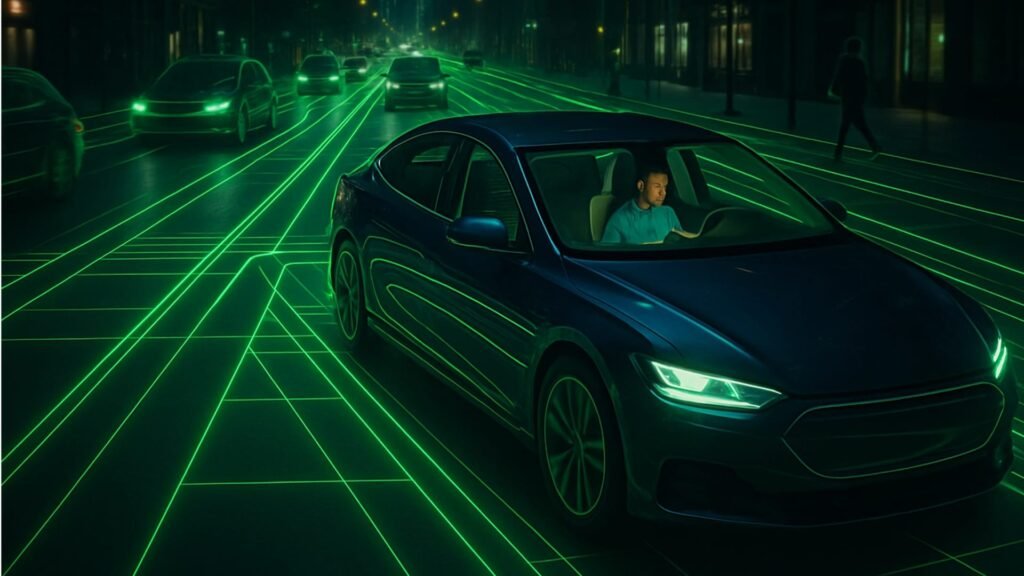
The Three Pillars of 2026 Reliability
1. The Sensor Fusion vs. Vision-Only Debate
Reliability in 2026 is largely determined by redundancy. While Tesla maintains that “vision is all you need,” the industry leaders (Volvo, Mercedes, Waymo) use Lidar. In 2026, Lidar costs have dropped significantly, allowing mid-range SUVs to “see” in pitch darkness and heavy fog—scenarios where camera-only systems still struggle with depth perception.
2. Compute Power (The 200 TOPS Benchmark)
Reliability isn’t just about “seeing”; it’s about “thinking.” Most 2026 Level 3 vehicles now carry onboard processors capable of over 200 TOPS (Trillions of Operations Per Second). This allows the car to run multiple safety models simultaneously. If the primary AI “decides” to swerve, a secondary, simpler “checker” AI validates if that path is clear. This “two-key” system has virtually eliminated the “phantom braking” issues that plagued earlier 2020s models.
3. The “Human-Machine Interface” (HMI)
Paradoxically, the least reliable part of autonomous driving in 2026 is still the human. The transition of control (the “hand-off”) is where accidents happen. Mercedes and BMW have perfected this with vibrating seats and 10-second countdowns. If the driver doesn’t take over, the car doesn’t just turn off—it safely pulls over to the shoulder and calls emergency services.
Is It Safe for Your Family?
If you are asking if you can sleep while your car drives you from New York to DC in 2026, the answer is no—unless you are in a very specific, geofenced Level 3/4 environment.
However, if you are asking if the technology is reliable enough to prevent a collision caused by your own distraction or a medical emergency, the answer is a resounding yes. The 42% reduction in “disengagement-related incidents” reported by California DMV testers in 2025 proves that the “Guardian Angel” version of this tech is officially ready for prime time.
The Verdict: Should You Invest?
- Buy if: You do long highway commutes and want to reduce cognitive load. Look for systems with Lidar and Level 3 certification for maximum reliability.
- Wait if: You live in a rural area with unpaved roads or frequent extreme weather. The “last mile” of autonomy is still being written.
Useful Links: