
Every driver wants a car that runs reliably for years. At the heart of vehicle longevity is the engine – a complex assembly of precision components that must work in harmony under extreme conditions. As an automotive engineer with decades of hands‑on experience in engine design, diagnostics, and durability testing, I’m sharing proven methods you can apply today to extend the life of your car engine. These principles are not theoretical; they reflect real‑world practices used by manufacturers, professional technicians, and serious enthusiasts.
Whether you drive a daily commuter, a performance vehicle, or a high‑mileage diesel truck, this guide will equip you with actionable steps to preserve power, reduce wear, and delay costly repairs.

1. Prioritize Routine Maintenance: The Foundation of Engine Longevity
Engine Oil and Filter Changes
Engine oil is the lifeblood of an internal combustion engine. It lubricates moving parts, minimizes friction, and carries away heat and contaminants. Over time, oil degrades and becomes contaminated, increasing wear.
- Follow the manufacturer’s interval: Typically every 5,000–7,500 miles for conventional oil, and up to 10,000–15,000 miles for high‑quality synthetic oil.
- Use the correct viscosity and grade: Always reference your owner’s manual or manufacturer specifications.
- Change the oil filter every oil change: A clogged filter reduces oil flow and allows particles to circulate.
Air Filter and Fuel Filter Care
Proper air and fuel filtration ensures clean combustion. Dirty filters reduce airflow and introduce contaminants, causing misfires, inefficient combustion, and accelerated wear.
- Replace the air filter every 12,000–15,000 miles or sooner if you drive in dusty conditions.
- Replace the fuel filter per the recommended schedule to protect injectors and the fuel pump.
2. Maintain Proper Cooling System Health
High operating temperatures drastically accelerate engine wear. An efficient cooling system stabilizes combustion chamber temperatures and prevents overheating.
Coolant Quality and Flush Intervals
Coolant (antifreeze) protects against corrosion and controls heat transfer.
- Flush the cooling system according to the service manual.
- Use manufacturer‑approved coolant formulations – mixing incompatible coolants can cause gelling and corrosion.
- Inspect hoses, clamps, and the radiator for leaks or soft spots.
Thermostat and Water Pump Functionality
A failing thermostat or water pump can starve the engine of proper cooling.
- Test thermostat opening temperature if the engine overheats frequently.
- Replace the water pump during major timing belt services on interference engines.
3. Fuel Quality and Combustion Efficiency
Choose the Right Fuel
Using fuel with the correct octane rating prevents detonation (engine knock), which causes localized stress and damage to pistons and bearings.
- Follow manufacturer fuel recommendations strictly.
- In high‑performance or turbocharged engines, premium fuel can preserve timing advance and combustion stability.
Prevent Injector and Combustion Chamber Deposits
Carbon buildup increases combustion temperatures and reduces efficiency.
- Periodic professional fuel injector cleaning can restore spray patterns.
- Use top‑tier fuel brands with detergents that reduce deposits.
4. Address Minor Issues Before They Become Major Problems
Check Engine Light Diagnostics
Modern engines use sensors and a central ECU to monitor performance. A check engine light often signals early issues:
- Oxygen sensor faults
- Misfires
- Fuel delivery irregularities
Ignoring these warnings accelerates component degradation.
Regular Engine Diagnostics
During routine service intervals, request:
- Compression tests
- Leak‑down tests
- Fuel pressure tests
These diagnostics catch hidden problems before they cause irreversible damage.
5. Control Engine Stress Through Driving Habits
Warm Up the Engine Correctly
Especially in cold conditions, resist the urge to “rev” immediately after startup:
- Allow the oil to circulate fully before heavy load.
- Idle for 30–60 seconds in cold weather to stabilize temperature and pressure.
Avoid Excessive High‑RPM Driving
Frequent high RPM sessions increase thermal and mechanical stress on bearings, valve trains, and pistons. Moderate acceleration preserves internal components.
Cool‑Down After Heavy Use
After towing or spirited driving, maintain idle for a short period before shutdown to protect turbochargers and circulating oil.
6. Maintain Supporting Engine Systems
Exhaust and Emission Components
A restricted exhaust or failing catalytic converter can cause backpressure, increase combustion temperatures, and reduce volumetric efficiency.
- Replace faulty oxygen sensors promptly.
- Ensure exhaust modifications are compatible with engine tuning.
Ignition System Maintenance
Worn spark plugs, deteriorated ignition coils, or aging wires cause misfires, rough idle, and incomplete combustion.
- Replace spark plugs as recommended.
- Inspect ignition components during tune‑ups.
7. Use Quality Parts and Professional Installation
Aftermarket components vary widely in quality. When replacing engine parts or upgrades:
- Select OEM or trusted aftermarket brands.
- Use certified technicians for installation and calibration.
- Avoid piecemeal upgrades that alter engine balance or airflow without comprehensive tuning.
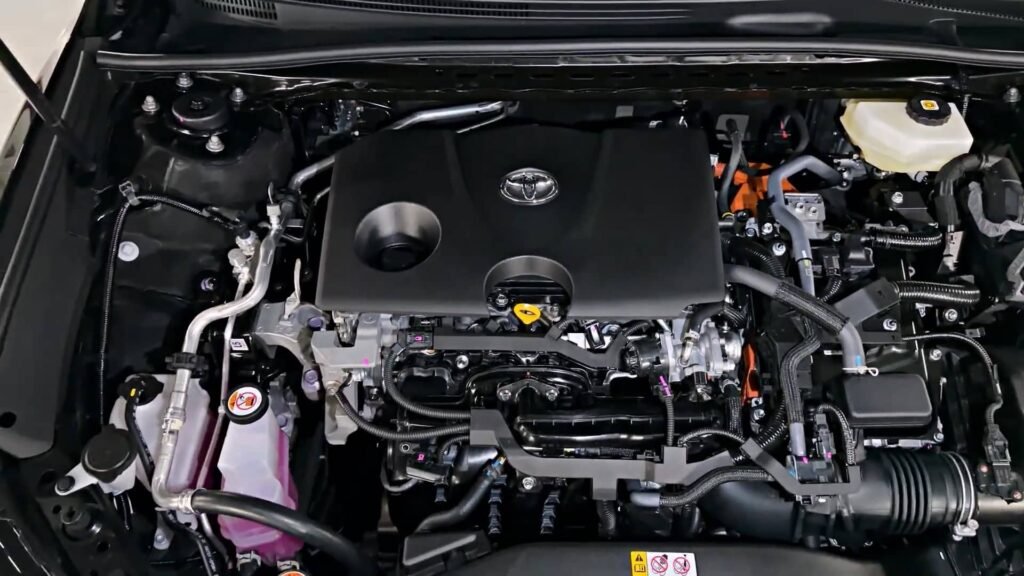
All In One Table
| Category | Key Actions / Practices | Benefits to Engine Life | SEO Keywords |
|---|---|---|---|
| Routine Maintenance | – Change engine oil and filter on schedule- Replace air and fuel filters regularly | Reduces friction, removes contaminants, ensures clean combustion | engine longevity, oil change intervals, air filter replacement, fuel filter maintenance |
| Cooling System | – Flush coolant periodically- Inspect hoses, radiator, and clamps- Ensure thermostat and water pump function | Prevents overheating, stabilizes operating temperature, reduces wear | cooling system maintenance, prevent engine overheating |
| Fuel Quality & Combustion | – Use manufacturer-recommended fuel- Avoid low-quality fuels- Clean fuel injectors periodically | Prevents engine knock, maintains combustion efficiency, reduces deposits | fuel quality, combustion efficiency, engine power preservation |
| Early Diagnostics | – Monitor check engine lights- Perform compression, leak-down, and fuel pressure tests | Detects minor issues early, prevents major failures | engine diagnostics, check engine warning, preventive maintenance |
| Driving Habits | – Warm up engine before heavy load- Avoid excessive high-RPM driving- Cool down after towing or spirited driving | Reduces thermal and mechanical stress, prolongs component life | driving habits for engine life, reduce engine wear, engine longevity strategies |
| Supporting Systems | – Maintain exhaust and emission components- Replace faulty O2 sensors- Inspect ignition system and spark plugs | Improves combustion efficiency, prevents backpressure damage, reduces misfires | exhaust system maintenance, ignition system care, engine efficiency |
| Quality Parts & Professional Service | – Use OEM or trusted aftermarket parts- Ensure professional installation and tuning | Maintains engine balance, reduces risk of component failure | quality engine parts, professional engine service, engine longevity tips |
Engine Longevity Is a Systematic Commitment
Extending the life of your car’s engine is not a single action but a disciplined approach to maintenance, driving habits, system diagnostics, and quality components. By adopting these professional practices, you not only safeguard engine power and efficiency but also enhance resale value and overall vehicle reliability.
Remember: prevention always costs less than cure. A vigilant maintenance routine backed by expert diagnostics and quality servicing will keep your engine running strong well past the factory warranty period.