
Car ownership costs keep climbing, and drivers are always looking for ways to cut expenses without cutting corners on safety or reliability. One question that comes up a lot these days: Does it still make sense to roll up your sleeves and handle maintenance yourself?
Back in the day, DIY repairs were almost a rite of passage—simple engines, basic tools, and plenty of savings. With advanced electronics, electric vehicles on the rise, and parts prices affected by global supply issues, the calculus has shifted. I’ve seen plenty of drivers save serious money turning wrenches in their driveway, while others end up regretting it after a small mistake turns into a big bill.
The answer isn’t a simple yes or no. It depends on your vehicle, your skill level, and what kind of work you’re tackling. Let’s break it down with real-world numbers and practical advice to help you decide.
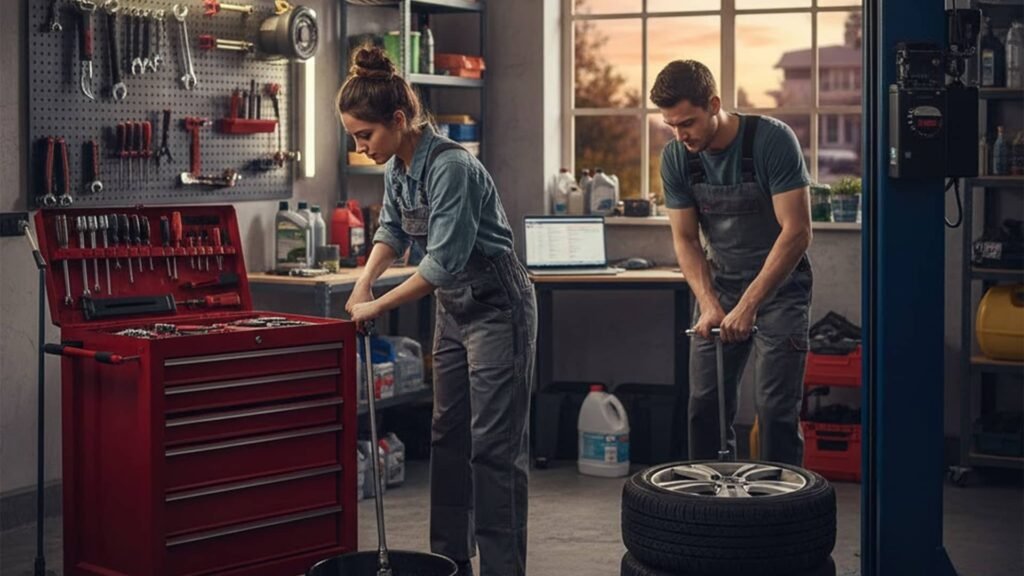
The Changing Landscape of Car Maintenance
Modern vehicles are engineering marvels, packed with sensors, computers, and safety systems that make them safer and more efficient than ever. That’s great for daily driving, but it complicates repairs.
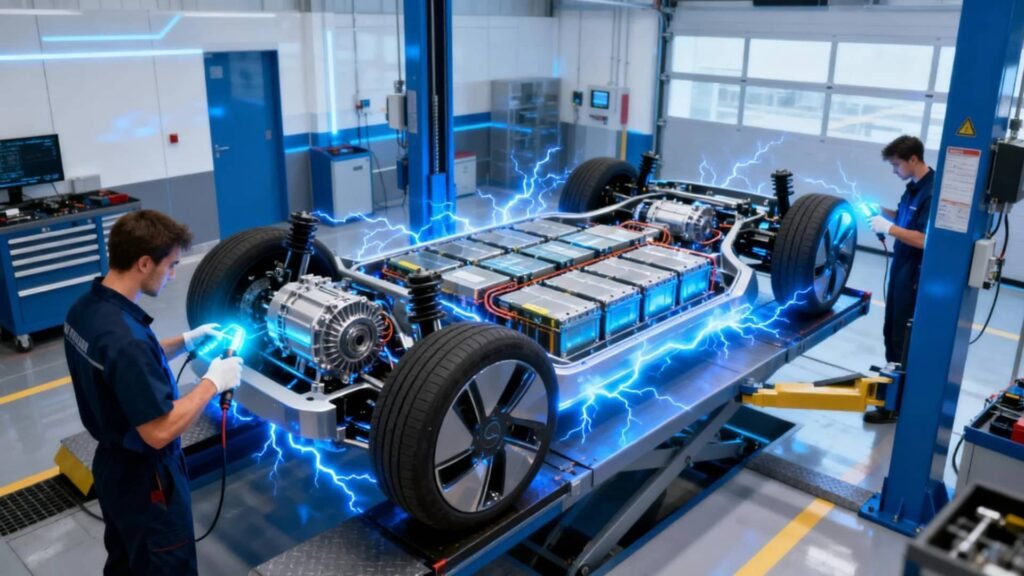
Electric vehicles (EVs) now make up a growing share of the road, and they require far less routine maintenance—no oil changes, fewer brake replacements thanks to regenerative braking, and no timing belts. But when something does go wrong, like battery cooling issues or high-voltage components, it’s rarely DIY territory.
For traditional gas-powered cars, complexity has increased too. Turbochargers, direct injection, and advanced driver-assistance systems (ADAS) mean even basic jobs can involve recalibrating sensors or dealing with tight engine bays.
Add in rising parts costs—driven partly by tariffs and supply chain pressures—and the financial picture gets murkier. Still, many routine tasks remain accessible, and the potential savings can add up quickly if you’re careful.
The Pros of DIY Car Maintenance
The biggest draw is straightforward: cost savings. Skipping labor charges, which often run $100–$150 per hour at shops, puts money back in your pocket.
Beyond dollars, there’s satisfaction in knowing your vehicle inside out. Regular hands-on work helps you spot small issues before they become major headaches. Many owners report extending their car’s life significantly through consistent DIY care.
Tools have gotten better and cheaper too. A decent OBD-II scanner costs under $50 these days, and YouTube walkthroughs for specific models make learning easier than ever.
Finally, convenience plays a role. No waiting for appointments or shuttle rides—you work on your schedule.
The Hidden Cons and Risks
DIY isn’t without downsides. Time is the biggest one. A job that takes a pro 30 minutes might stretch to a full afternoon for a beginner, especially if you’re troubleshooting along the way.
Mistakes happen, and they can get expensive. A crossed thread on a drain plug or improperly torqued wheel lug could lead to leaks or worse. Modern safety systems like airbags and ADAS often require professional recalibration after even minor work.
Warranty concerns are real too. Many manufacturers frown on DIY for certain repairs, and if something goes wrong later, you might lose coverage.
Disposal of fluids and old parts adds hassle—most areas require proper recycling, which means a trip to a facility.
For EVs, high-voltage systems pose genuine safety risks without specialized training and tools.
DIY vs. Professional: A Cost Comparison for Common Tasks
To make this concrete, here’s a realistic breakdown of average 2025 costs for popular maintenance items (based on national averages for parts and labor on mid-size sedans). Your numbers will vary by location, vehicle, and whether you opt for OEM or aftermarket parts.
| Task | DIY Cost (Parts + Tools if Needed) | Professional Cost | Potential Savings | Difficulty Level | Notes |
|---|---|---|---|---|---|
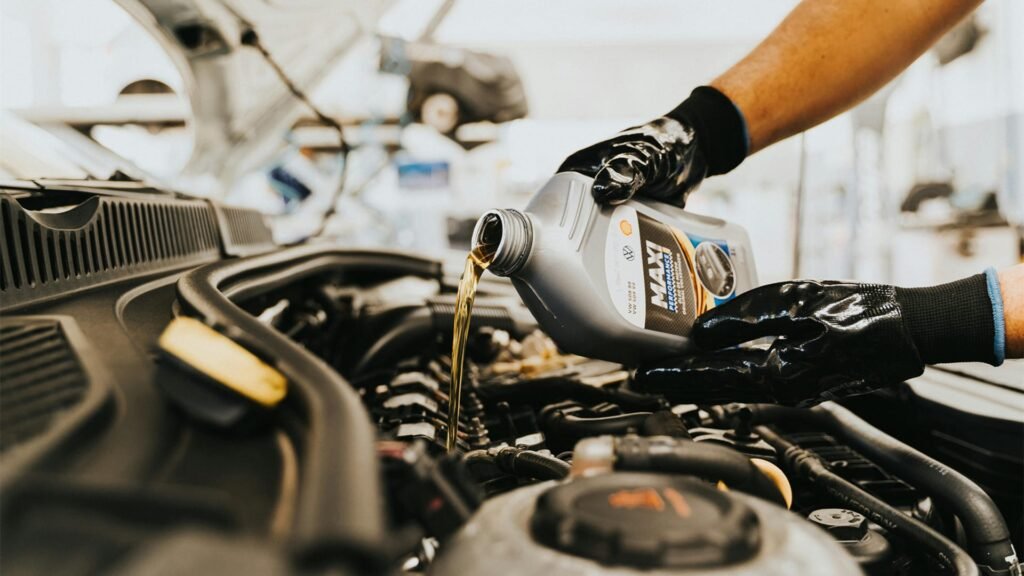
| Oil Change (Conventional) | $30–$60 | $50–$90 | $20–$50 | Easy | Still worthwhile for gas cars; factor in oil disposal |
| Full Synthetic Oil Change | $50–$90 | $90–$150 | $40–$80 | Easy | More common now; savings add up over time |
| Air Filter Replacement | $15–$40 | $50–$100 | $35–$80 | Very Easy | One of the quickest wins |
| Brake Pads (Front) | $80–$200 | $300–$600 | $200–$400 | Moderate | Big savings, but requires proper bedding and torque |
| Battery Replacement | $100–$250 | $200–$400 | $100–$200 | Easy | Many modern batteries need registration on newer cars |
| Tire Rotation & Balance | $20–$50 (if you have tools) | $80–$150 | $60–$130 | Moderate | Shops often bundle this; DIY needs jack stands |
| Spark Plugs (Gas Engine) | $40–$150 | $200–$500 | $150–$400 | Moderate to Hard | Varies wildly by engine layout |
These figures don’t include major repairs like suspension work or transmission service, where DIY rarely pays off unless you’re experienced.
When DIY Car Maintenance Makes the Most Sense
Go for it if:
- You drive a gas-powered vehicle that’s 5–10 years old with accessible components
- You’re tackling basics like fluids, filters, brakes, or wipers
- You have (or are willing to invest in) basic tools and a safe workspace
- Time isn’t a premium for you, and you enjoy the process
Owners of older trucks or simple commuter cars often see the best returns. Even small routines like checking tire pressure weekly can prevent premature wear.
When It’s Better to Pay a Professional
Leave these to the shop:
- Anything involving ADAS calibration (windshield replacements, wheel alignments after suspension work)
- EV high-voltage or battery work
- Diagnostic-heavy issues with check-engine lights
- Jobs requiring lifts, specialty tools, or emissions testing
- If you’re under warranty and want to protect it
Sometimes peace of mind is worth the extra cost, especially on safety-critical systems.
Final Thoughts: Is DIY Still Worth It?
For many drivers in 2025, yes—absolutely. Basic and intermediate tasks can save hundreds or even thousands over a vehicle’s life, and the knowledge you gain is invaluable.
But it’s not for everyone. If your car is loaded with tech, you’re short on time, or the thought of crawling under the chassis doesn’t appeal, professional service is a smart investment.
Start small: Try an air filter or wiper blades next time. Build confidence and tools gradually. Whichever path you choose, staying on top of maintenance is the real key to keeping costs down and your car running strong for years to come.
Useful Links: