In the rapidly evolving world of Advanced Driver Assistance Systems (ADAS), “Lane Assist” has transformed from a luxury novelty into a critical safety standard. However, not all systems are created equal. As we enter 2026, the gap between a system that merely “nudges” you and one that reliably “centers” you has widened.
For the modern driver, reliability isn’t just about the technology working in perfect weather; it’s about how the system handles faded paint, heavy rain, and complex highway interchanges. After analyzing thousands of miles of real-world performance and IIHS data, we’ve identified the most reliable lane assist systems available in 2026.
Understanding the Hierarchy: LDW vs. LKA vs. LCA
Before diving into the rankings, it is essential to distinguish between the three levels of technology often lumped under the “Lane Assist” umbrella:
- Lane Departure Warning (LDW): The “Passive” phase. It alerts you (beep or vibration) when you cross a line but does not steer.
- Lane Keeping Assist (LKA): The “Reactive” phase. It acts like a pinball bumper, steering you back only after you’ve touched the line.
- Lane Centering Assist (LCA): The “Proactive” phase. This is the gold standard for 2026, using continuous steering torque to keep the car dead-center in the lane.
Top 5 Most Reliable Lane Assist Systems for 2026
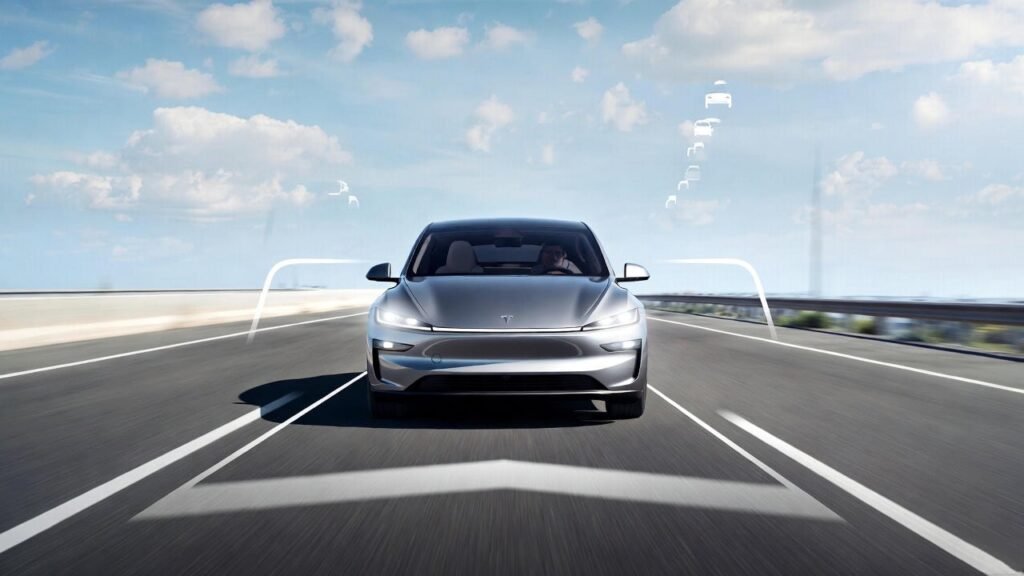
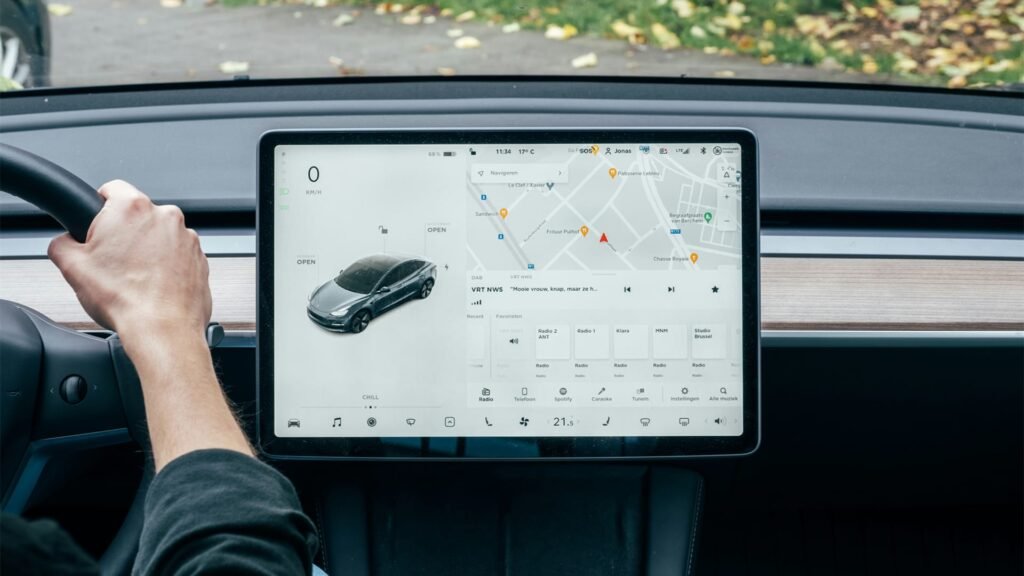
1. Tesla Autopilot / FSD (Vision-Based)
Tesla remains the industry disruptor by moving away from radar and relying entirely on Tesla Vision. In 2026, their neural network has processed billions of miles of edge cases (unusual road scenarios), making it arguably the most “confident” system on the market.
- Why it’s reliable: It excels at identifying lane boundaries even when lines are completely missing, using “path prediction” based on the vehicles ahead.
- The Pro Tip: While it is technically the most capable, its “hands-on” monitoring is strict. It’s a tool for fatigue reduction, not a replacement for the driver.
2. GM Super Cruise (LiDAR Mapping)
General Motors (Cadillac, Chevrolet, GMC) takes a different approach. Super Cruise uses high-definition LiDAR maps of over 400,000 miles of North American highways.
- Why it’s reliable: Because the car “knows” exactly where the lane is based on pre-mapped data, it doesn’t get confused by shadows or road glare.
- Constraint: It primarily works on “compatible” highways, meaning its reliability is 100% on the interstate but 0% on rural dirt roads.
3. Lexus Teammate (Advanced Drive)
Lexus has quietly become the highest-rated brand by the IIHS for driver monitoring and lane-centering consistency. The Teammate system is designed around “natural” steering feel—it doesn’t jerk the wheel.
- Why it’s reliable: It uses an incredibly sophisticated driver-monitoring camera. If your eyes stay on the road, the system maintains a rock-solid center line even through sharp highway curves.
4. Ford BlueCruise 1.4
Ford’s 2026 update to BlueCruise (v1.4) significantly improved “lane ping-ponging.” It now features In-Lane Repositioning, which subtly shifts the car away from large semi-trucks in adjacent lanes while staying centered.
- Why it’s reliable: It offers a “hands-free” experience on designated BlueZones that feels much more human-like than the robotic corrections of earlier versions.
5. Toyota Safety Sense 3.0 (TSS 3.0)
Available on accessible models like the 2026 Camry and RAV4, TSS 3.0 offers the best “bang for your buck.” Its Proactive Driving Assist provides gentle braking and steering support into curves.
- Why it’s reliable: It is remarkably conservative. It won’t try to take over in scenarios it can’t handle, which builds high user trust.
2026 Reliability Comparison Matrix
| System Name | Manufacturer | Type | Hands-Free? | Best Environment |
| Tesla Vision | Tesla | Lane Centering | No (Requires grip) | All marked roads |
| Super Cruise | GM | LiDAR-Mapped | Yes | Divided Highways |
| BlueCruise | Ford | Radar/Camera | Yes | Pre-approved “BlueZones” |
| Teammate | Lexus | Lane Centering | Yes (Select roads) | Highways/Commuting |
| TSS 3.0 | Toyota | Active Assist | No | Everyday Driving |
Expert Buyer’s Guide: What to Test on a Test Drive
When you’re at the dealership, don’t just take the salesperson’s word for it. Test the reliability of the Lane Assist system using these three “stress tests”:
- The “Exit Ramp” Test: See how the system reacts when a lane widens at an exit. Does the car try to “follow” the exit line, or does it stay on the main road?
- The “Sun Glare” Test: Drive toward the sun during “golden hour.” Many camera-only systems fail when blinded by glare.
- The “Vibration” Check: Check the settings. Can you customize the alert? Reliable systems should offer haptic (vibration) feedback through the steering wheel rather than just annoying beeps.
Verdict: The Winner for 2026
If you want the most technologically advanced system that works almost everywhere, Tesla wins. However, if you want the most consistent and stress-free experience on long highway trips, GM’s Super Cruise is currently unbeatable for reliability.
Useful Links: