The luxury electric sedan segment just got interesting. Really interesting.
On one side sits the Polestar 5, a Swedish statement piece built on Volvo’s safety legacy with performance credentials that embarrass six-figure German sedans. On the other, the Avatr 12, a Chinese technological showcase born from a three-way partnership between Changan, Huawei, and CATL that’s making European executives nervous.
This isn’t a typical Polestar 5 vs Avatr 12. These vehicles represent fundamentally different philosophies about what a luxury electric grand tourer should be. One bets on heritage, driving dynamics, and understated elegance. The other wagers on digital immersion, autonomous capability, and value that seems almost too good to be true.
For buyers considering this segment, the choice reveals more than budget—it signals priorities. Performance pedigree or technological frontier? Scandinavian restraint or Chinese innovation? And perhaps most critically: is half the price worth half the horsepower?
Design Philosophy: When Minimalism Meets Digital Drama
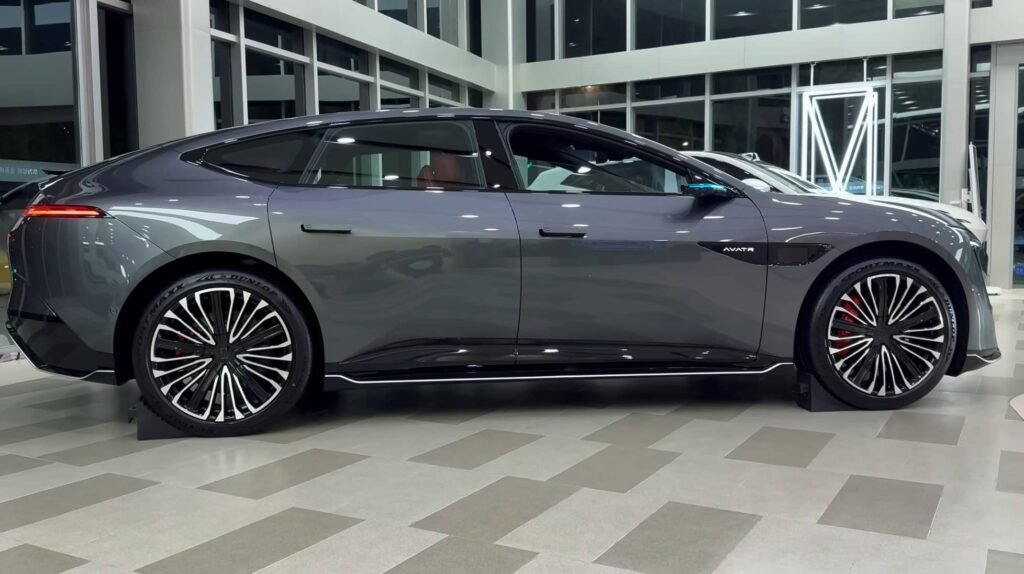
Exterior Dimensions and Visual Presence
| Specification | Polestar 5 | Avatr 12 | Advantage |
|---|---|---|---|
| Length | 200+ inches (5,080mm) | 196 inches (4,983mm) | Polestar 5 |
| Width | 78.7 inches (2,000mm) | 77.4 inches (1,967mm) | Polestar 5 |
| Height | 55.9 inches (1,420mm) | 56.5 inches (1,435mm) | Avatr 12 |
| Wheelbase | 118.1 inches (3,000mm) | 116.5 inches (2,960mm) | Polestar 5 |
| Curb Weight | ~5,500 lbs (est.) | ~5,200 lbs (est.) | Avatr 12 |
| Drag Coefficient | 0.25 (claimed) | 0.28 (claimed) | Polestar 5 |
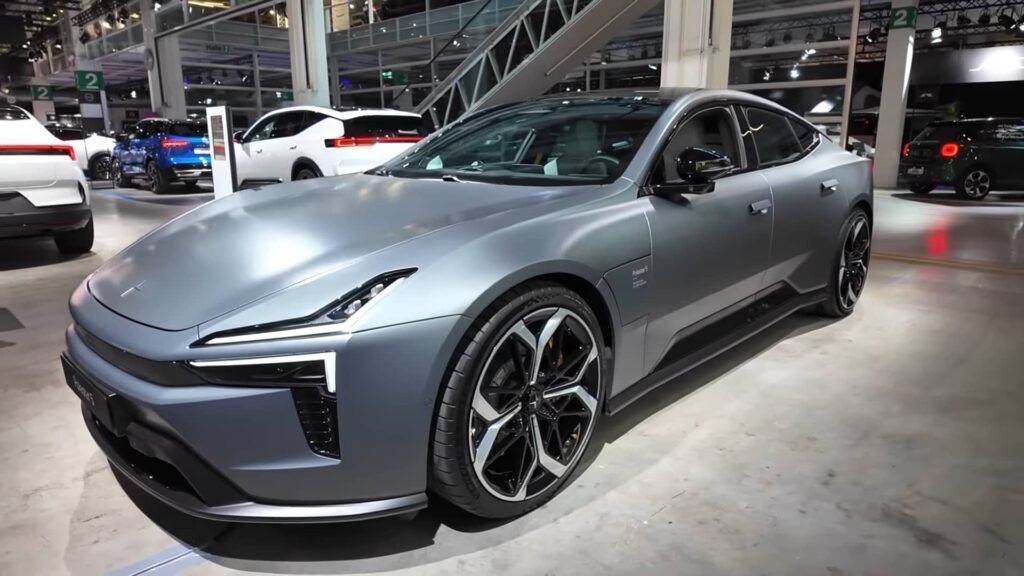
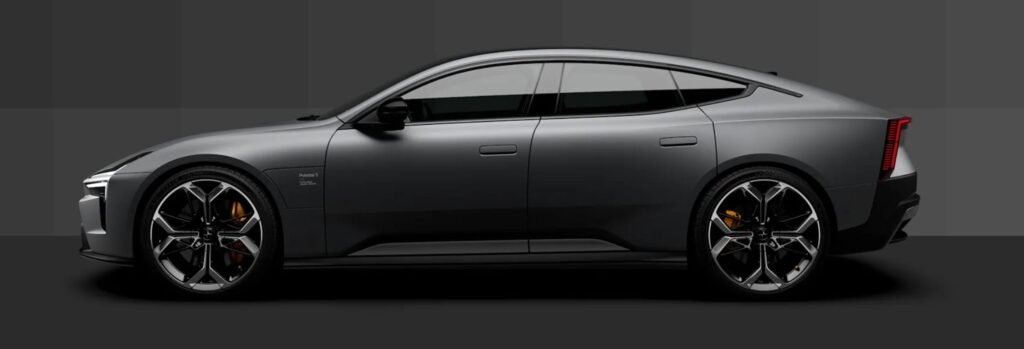
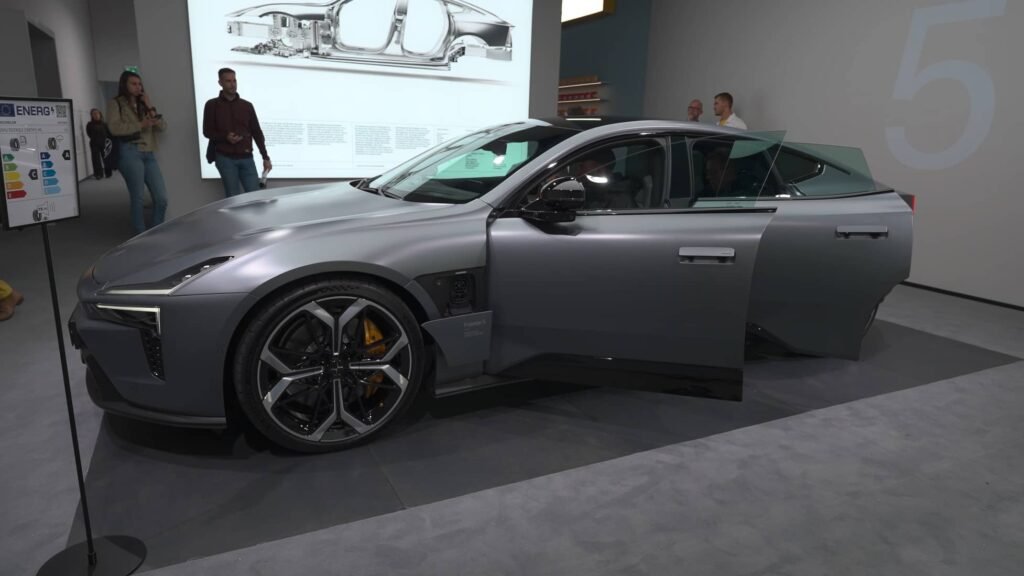
The Polestar 5’s design language reads as evolution rather than revolution. Those signature Thor’s Hammer LED headlights aren’t just brand identity—they’re recognition signals in a crowded luxury segment. The fastback roofline sacrifices rear visibility for aerodynamic purity, a trade-off that makes sense for a grand tourer prioritizing highway efficiency over urban maneuverability.
The windowless rear end isn’t a gimmick. It’s a structural decision that lowers the center of gravity while creating a distinctive silhouette. Digital rearview mirrors compensate for the missing glass, though some buyers will find this adjustment period uncomfortable.
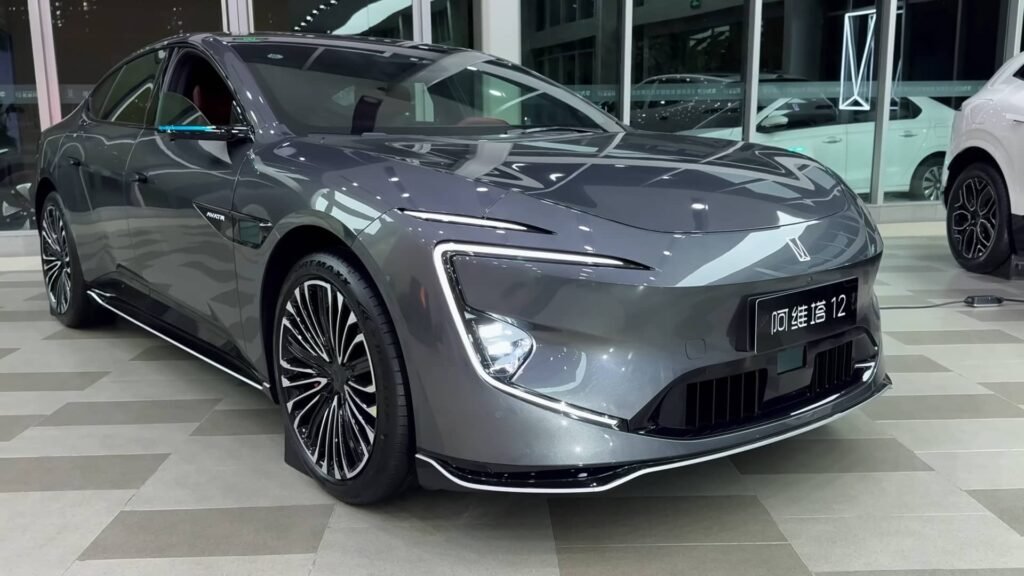
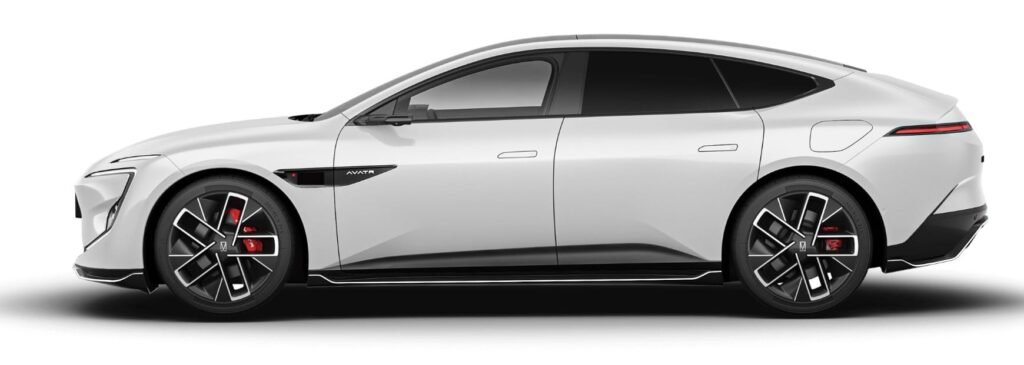
The Avatr 12 takes a different approach entirely. Its “emotion surfacing” design philosophy prioritizes visual impact over timelessness. Split crescent LED headlights create an aggressive forward stare. Flush automatic door handles extend on approach, adding theater to everyday interactions. The rear treatment features a clean glass hatch with widely-spaced taillights that emphasize width over height.
Design Winner by Priority
| Buyer Priority | Recommended Vehicle | Reasoning |
|---|---|---|
| Timeless elegance | Polestar 5 | Scandinavian minimalism ages better |
| Attention-grabbing | Avatr 12 | Unique styling stops traffic |
| Aerodynamic efficiency | Polestar 5 | Lower drag coefficient improves range |
| Traditional visibility | Avatr 12 | Rear window provides conventional sightlines |
| Brand recognition | Polestar 5 | Volvo heritage carries prestige |
| Future-forward image | Avatr 12 | Tech-forward design signals innovation |
Interior Experience: Scandinavian Restraint vs. Digital Sanctuary
Cabin Technology Comparison
| Feature | Polestar 5 | Avatr 12 | Winner |
|---|---|---|---|
| Driver Display | 9-inch digital cluster | Integrated panoramic screen | Avatr 12 |
| Center Screen | 14.5-inch portrait | 15.6-inch landscape | Avatr 12 |
| Head-Up Display | 9.5-inch projection | AR-HUD available | Avatr 12 |
| Operating System | Android Automotive | Harmony OS 4.0 | Tie |
| Voice Assistant | Google Assistant | Huawei Celia | Polestar 5 (English) |
| Gesture Control | Limited | Available | Avatr 12 |
| Wireless Charging | Front console | Front + rear available | Avatr 12 |
| USB Ports | 4 USB-C | 6 USB-C | Avatr 12 |
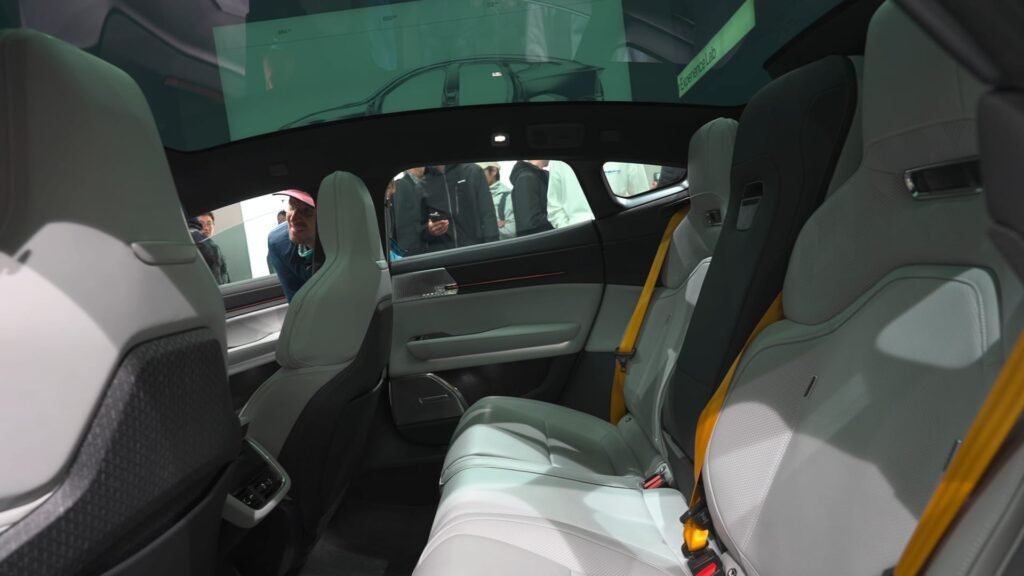
The Polestar 5 interior reflects decades of Volvo safety and ergonomics research. Recaro-developed front seats provide genuine support without compromising comfort. Materials tell a sustainability story: recycled fishing nets become carpet, reclaimed PET forms the headliner, and flax fiber composites replace traditional plastics. This isn’t greenwashing—it’s genuine material innovation that happens to feel premium.
The 14.5-inch portrait touchscreen runs Android Automotive with Google services integrated natively. Navigation, music, and climate control operate through familiar interfaces. A tactile rotary dial for volume control demonstrates Polestar’s understanding that some functions deserve physical controls. Ambient laser-line lighting wraps around the cabin without becoming distracting.
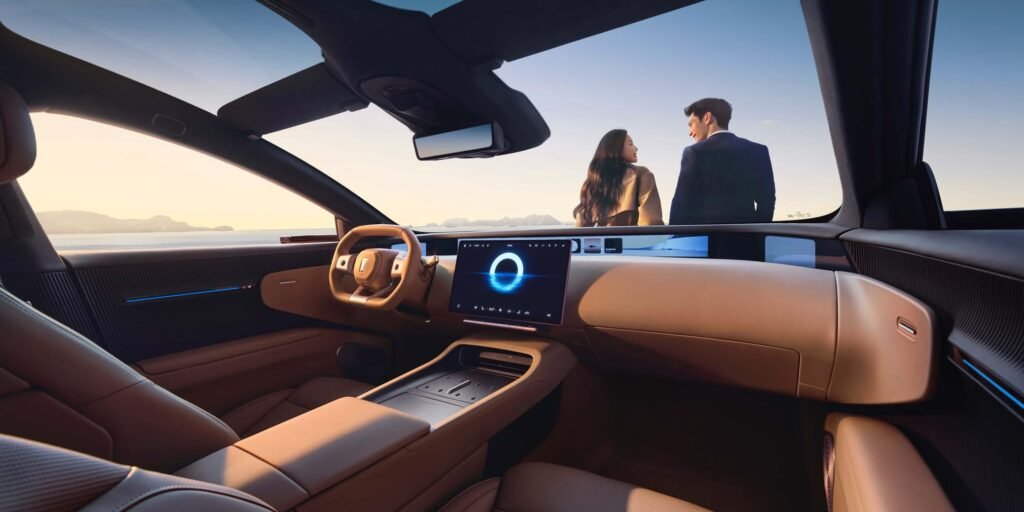
The Avatr 12’s cabin feels like stepping into 2030. A panoramic horizontal display stretches across the entire dashboard, integrating instrument cluster, infotainment, and passenger entertainment into one continuous surface. Harmony OS 4.0 provides smartphone-like responsiveness with app multitasking that feels natural rather than forced.
Four-zone climate control ensures every occupant controls their environment. An integrated scent diffuser releases calibrated fragrances based on drive mode or time of day. The 25-speaker audio system positions drivers in an acoustic sweet spot that rivals dedicated listening rooms. Massage seats with heating and ventilation come standard on higher trims.
Comfort and Practicality
| Metric | Polestar 5 | Avatr 12 | Advantage |
|---|---|---|---|
| Front Trunk | 62 liters | 62 liters | Tie |
| Rear Cargo | 365 liters | 450 liters (est.) | Avatr 12 |
| Seating Configuration | 4+1 (optional fifth) | 4 standard | Polestar 5 |
| Rear Seat Recline | Available | Available | Tie |
| Rear Climate Control | Dual-zone | Four-zone | Avatr 12 |
| Rear Entertainment | Optional | Integrated screens | Avatr 12 |
| PM2.5 Filtration | Available | Standard | Avatr 12 |
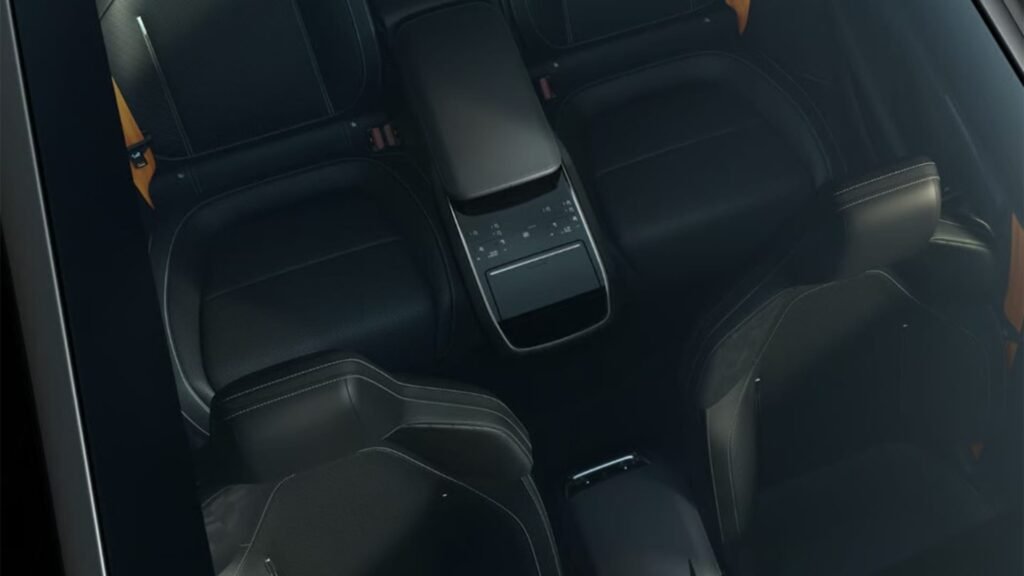
The Polestar 5’s “foot garage” design—created by battery packaging that leaves floor space behind the front seats—provides genuine rear legroom benefits. The optional fifth seat in the rear center position adds flexibility for occasional third passengers, though it’s clearly designed for short trips.
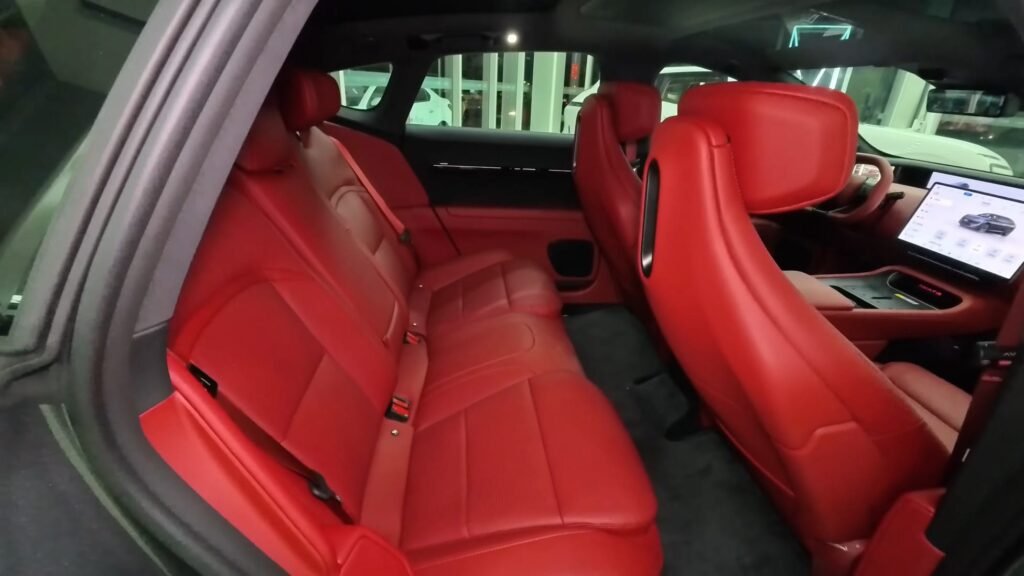
The Avatr 12 prioritizes rear passenger experience more aggressively. Available rear entertainment screens, four-zone climate, and more generous cargo capacity suggest this vehicle was designed with chauffeur-driven use cases in mind. For buyers who frequently carry passengers or value rear comfort equally with driver experience, this matters significantly.
Performance and Powertrain: Raw Power Meets Efficiency Engineering
Powertrain Specifications
| Specification | Polestar 5 | Avatr 12 Dual Motor | Advantage |
|---|---|---|---|
| Motor Configuration | Dual Motor AWD | Dual Motor AWD | Tie |
| Total Power Output | 884 hp | 547 hp | Polestar 5 |
| Total Torque | 749 lb-ft | 507 lb-ft | Polestar 5 |
| 0-60 mph | 3.1 seconds | 3.8 seconds | Polestar 5 |
| Top Speed | 155 mph (limited) | 124 mph (limited) | Polestar 5 |
| Battery Capacity | 103 kWh | 94.5 kWh | Polestar 5 |
| Architecture | 800V | 800V | Tie |
| Max Charging Rate | 250 kW (est.) | 240 kW | Polestar 5 |
The Polestar 5’s power advantage isn’t marginal—it’s dominant. Eight hundred eighty-four horsepower places this vehicle in supercar territory, competing with vehicles costing twice as much. The 3.1-second 0-60 mph time isn’t just impressive on paper; it transforms highway merging, passing, and acceleration into effortless maneuvers.
This performance comes from Polestar’s proprietary dual-motor setup with torque vectoring capabilities. The 800V architecture enables rapid charging, theoretically adding 200 miles of range in approximately 15 minutes under ideal conditions. For performance-oriented buyers who occasionally visit track days or simply appreciate acceleration reserve, the Polestar 5 delivers genuinely.
The Avatr 12’s 547 horsepower feels adequate rather than exceptional in this comparison. However, context matters: 547 horsepower still outpaces most gasoline luxury sedans and provides more than sufficient performance for legal driving. The efficiency advantage tells a more compelling story.
Range and Efficiency
| Metric | Polestar 5 | Avatr 12 | Winner |
|---|---|---|---|
| EPA/CLTC Range | 351 miles (est.) | 438 miles (CLTC) | Avatr 12 |
| Real-World Highway | ~280 miles (est.) | ~350 miles (est.) | Avatr 12 |
| Energy Consumption | 29 kWh/100mi | 21.6 kWh/100mi | Avatr 12 |
| Charging Time (10-80%) | 25 minutes | 27 minutes | Polestar 5 |
| Home Charging (11kW) | 9.5 hours | 8.5 hours | Avatr 12 |
Note: CLTC range typically exceeds EPA by 15-20%. Real-world figures adjusted accordingly.
The Avatr 12’s range advantage stems from CATL’s battery technology and more efficient powertrain calibration. For buyers prioritizing road trip capability over track performance, this difference translates to fewer charging stops and less planning anxiety. The Huawei-managed battery thermal system maintains optimal temperatures across diverse climate conditions, preserving range in extreme heat or cold.
The Polestar 5 sacrifices some efficiency for performance. Higher power output, more aggressive tuning, and performance-oriented tires all consume additional energy. For daily commuting and regional travel, this difference matters minimally. For cross-country journeys, it becomes a meaningful consideration.
Safety and Driver Assistance: Legacy Protection Meets AI Prediction
ADAS Feature Comparison
| Safety Feature | Polestar 5 | Avatr 12 | Advantage |
|---|---|---|---|
| Adaptive Cruise Control | Standard | Standard | Tie |
| Lane Keeping Assist | Standard | Standard | Tie |
| Automatic Emergency Braking | Standard | Standard | Tie |
| Blind Spot Monitoring | Standard | Standard | Tie |
| LiDAR Sensors | Not available | Standard (higher trims) | Avatr 12 |
| Camera Count | 8 | 13 | Avatr 12 |
| Ultrasonic Sensors | 12 | 12 | Tie |
| Autonomous Level | Level 2+ | Level 2+ (ADS 2.0) | Avatr 12 |
| Parking Assist | Available | Advanced APA | Avatr 12 |
| Driver Monitoring | Standard | Standard with AI | Avatr 12 |
Volvo’s safety legacy isn’t marketing—it’s engineering DNA. The Polestar 5 inherits decades of crash data, structural optimization, and occupant protection research. High-strength steel and aluminum bonding creates a rigid safety cell. Multiple airbag systems protect occupants from various impact angles. The ADAS suite prioritizes predictable, conservative intervention that builds driver trust.
The Avatr 12’s Huawei ADS 2.0 system represents a different safety philosophy. Thirteen cameras and LiDAR sensors create a 360-degree awareness sphere that processes environmental data faster than human perception. The system doesn’t just react to hazards—it predicts them. Lane changes are suggested before congestion forms. Emergency braking initiates before obstacles become visible to drivers.
This isn’t about which approach is safer in absolute terms. Both vehicles exceed regulatory requirements significantly. The question is philosophical: do you prefer proven protection systems or predictive prevention technology?
Safety Winner by Use Case
| Driving Scenario | Recommended Vehicle | Reasoning |
|---|---|---|
| Highway commuting | Avatr 12 | Advanced ADAS reduces fatigue |
| Urban environments | Avatr 12 | Better pedestrian/cyclist detection |
| Adverse weather | Polestar 5 | Conservative systems more predictable |
| Family transportation | Polestar 5 | Volvo’s child safety heritage |
| Long-distance touring | Avatr 12 | Reduced driver workload |
| Performance driving | Polestar 5 | Stability systems tuned for dynamics |
Pricing and Value Proposition: The $70,000 Elephant in the Room
Market Pricing Analysis
| Market | Polestar 5 | Avatr 12 | Price Difference |
|---|---|---|---|
| China | Not available | ¥300,000-400,000 | N/A |
| United States | $135,000-165,000 | Not available | N/A |
| Europe | €140,000-170,000 | €60,000-70,000 | ~€80,000 |
| Estimated US (if imported) | $135,000-165,000 | $55,000-65,000 | ~$80,000 |
Exchange rate: 1 USD ≈ 7.2 CNY, February 2026. Import tariffs and compliance costs not fully reflected.
The pricing disparity demands honest examination. The Polestar 5’s $135,000+ starting price positions it against Porsche Taycan, Audi e-tron GT, and Mercedes EQS. This isn’t accidental—Polestar is targeting buyers who value performance pedigree and brand heritage over pure value.
The Avatr 12’s Chinese market pricing of approximately $42,000-55,000 creates genuine market disruption. Even accounting for import tariffs, safety compliance modifications, and distribution network costs, a US-spec Avatr 12 could theoretically reach showrooms at $65,000-75,000—still dramatically below Polestar 5 pricing.
This price gap reflects multiple factors beyond manufacturing costs:
- Brand positioning: Polestar targets luxury buyers; Avatr targets premium-mass market
- Profit margins: Chinese EV manufacturers operate on thinner margins for market share
- Government subsidies: Chinese domestic market benefits from EV incentives
- Technology sourcing: Huawei and CATL partnerships reduce development costs
- Distribution models: Direct sales vs. traditional dealer networks
Total Cost of Ownership (5-Year Projection)
| Cost Category | Polestar 5 | Avatr 12 | Advantage |
|---|---|---|---|
| Purchase Price | $150,000 | $65,000 | Avatr 12 |
| Depreciation (5 years) | $75,000 | $32,500 | Avatr 12 |
| Insurance (5 years) | $15,000 | $8,000 | Avatr 12 |
| Maintenance (5 years) | $5,000 | $4,000 | Avatr 12 |
| Energy/Fuel (5 years) | $8,000 | $6,500 | Avatr 12 |
| Total 5-Year Cost | $253,000 | $116,000 | Avatr 12 |
Assumptions: 15,000 miles/year, US market pricing, estimated depreciation rates
The five-year ownership cost difference exceeds $130,000. This isn’t marginal—it’s transformative for buyer decision-making. For financially pragmatic buyers, the Avatr 12’s value proposition becomes nearly impossible to ignore. For buyers prioritizing brand prestige, performance reserves, or resale certainty, the Polestar 5 justifies its premium.
Who Should Buy Which Vehicle?
Buyer Profile Recommendations
| Buyer Type | Recommended Vehicle | Key Reasoning |
|---|---|---|
| Performance enthusiast | Polestar 5 | 884 hp, track-capable dynamics |
| Technology early adopter | Avatr 12 | Huawei ADS 2.0, Harmony OS |
| Luxury brand prioritizer | Polestar 5 | Volvo heritage, Scandinavian prestige |
| Value-conscious premium buyer | Avatr 12 | Half the price, comparable luxury |
| Long-distance commuter | Avatr 12 | Superior range, advanced ADAS |
| Weekend driver/collector | Polestar 5 | Performance reserves, exclusivity |
| Family primary vehicle | Avatr 12 | Rear comfort, safety tech, value |
| Second car/enthusiast | Polestar 5 | Performance focus, driving engagement |
Market Availability Reality Check
| Region | Polestar 5 | Avatr 12 | Practical Choice |
|---|---|---|---|
| United States | Available 2026 | Not available | Polestar 5 |
| Europe | Available 2026 | Limited markets | Polestar 5 |
| China | Not available | Available now | Avatr 12 |
| Southeast Asia | Limited | Expanding | Avatr 12 |
| Middle East | Available | Limited | Polestar 5 |
Current market availability significantly impacts practical purchasing decisions. The Avatr 12 remains primarily a Chinese domestic market vehicle with limited European expansion. US availability faces regulatory, tariff, and brand recognition hurdles that won’t resolve quickly. The Polestar 5, conversely, launches globally with established distribution networks.
For buyers outside China, this availability gap may render the comparison academic. The “better value” vehicle doesn’t matter if it can’t be purchased locally with warranty support and service infrastructure.
The Verdict: Different Winners for Different Priorities
Category Winners Summary
| Category | Winner | Margin |
|---|---|---|
| Raw Performance | Polestar 5 | Decisive |
| Range Efficiency | Avatr 12 | Significant |
| Interior Technology | Avatr 12 | Significant |
| Build Quality | Polestar 5 | Moderate |
| Safety Innovation | Avatr 12 | Moderate |
| Safety Heritage | Polestar 5 | Moderate |
| Value for Money | Avatr 12 | Decisive |
| Brand Prestige | Polestar 5 | Significant |
| Practical Availability | Polestar 5 | Decisive (outside China) |
The Polestar 5 wins for buyers who prioritize performance, brand heritage, and global availability. It’s the evolution of the grand tourer—refined, powerful, and unmistakably premium. The $135,000+ price tag buys genuine performance credentials and the confidence that comes from Volvo’s safety legacy.
The Avatr 12 wins for buyers who prioritize technology, efficiency, and value. It’s the revolution—proof that Chinese manufacturers no longer compete on price alone. The $55,000-65,000 pricing (in accessible markets) delivers luxury and technology that previously required six-figure investments.
This comparison reveals something larger than two vehicles. It signals a shifting global automotive landscape where traditional advantages—European engineering, brand heritage, safety reputation—face genuine challenges from Chinese innovation, manufacturing scale, and technology integration.
For buyers making decisions today, availability and local support matter more than specification sheets. For buyers watching the industry’s trajectory, the Avatr 12’s existence should concern every legacy luxury manufacturer. When half the price delivers 80% of the experience, market dynamics inevitably shift.
The question isn’t which vehicle is objectively better. Both excel in their respective priorities. The question is: what do you value more, and what can you actually buy in your market?
Specifications sourced from manufacturer data, automotive databases, and industry analysis, February 2026. Pricing subject to regional variation, tariffs, and market conditions. Test drive and local dealer consultation recommended before purchase decisions.
The luxury EV segment continues rapid evolution. New models from Lucid, BMW, Mercedes, and additional Chinese manufacturers will further reshape this comparison throughout 2026. Buyers should verify current specifications and availability before committing to purchase.