
Electric vehicles (EVs) are often thought of as a hallmark of the 21st century, yet their story begins more than 200 years ago. Far from being a recent innovation, EVs have weathered multiple industrial revolutions, periods of rapid adoption, decline, and resurgence. Their journey reflects not only technological ingenuity but also the interplay of infrastructure, economics, and societal trends.
Early Innovations: 1828–1880
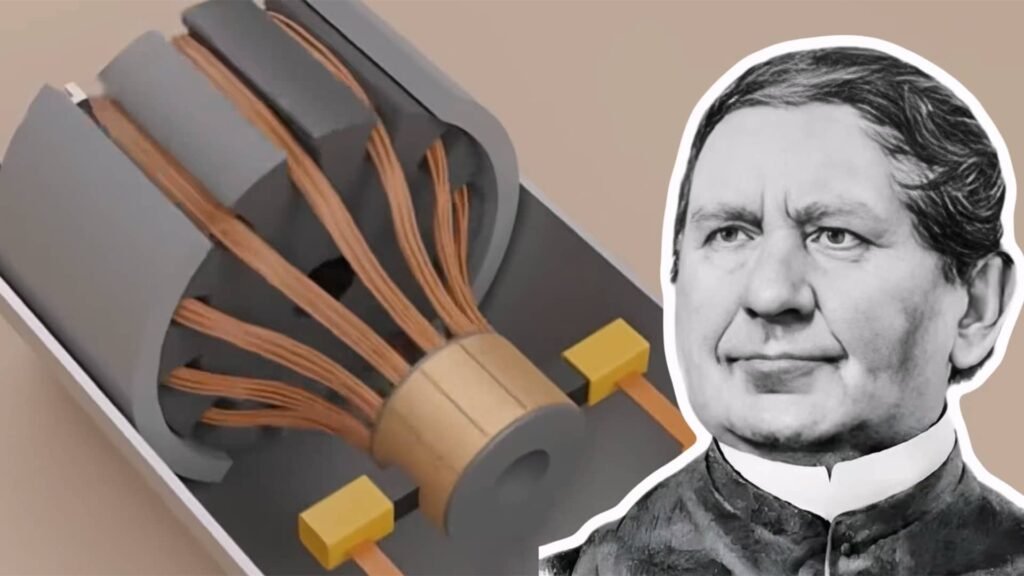
The first sparks of electric mobility trace back to 1828, when Hungarian inventor Ányos Jedlik created the earliest known electromagnetic rotary device. This rudimentary motor laid the foundation for electric propulsion systems.

By 1834, American inventor Thomas Davenport successfully built the first practical electric vehicle. Although Davenport’s vehicle moved at a mere 4 km/h and its batteries were non-rechargeable, it marked the inception of electrically driven transport.

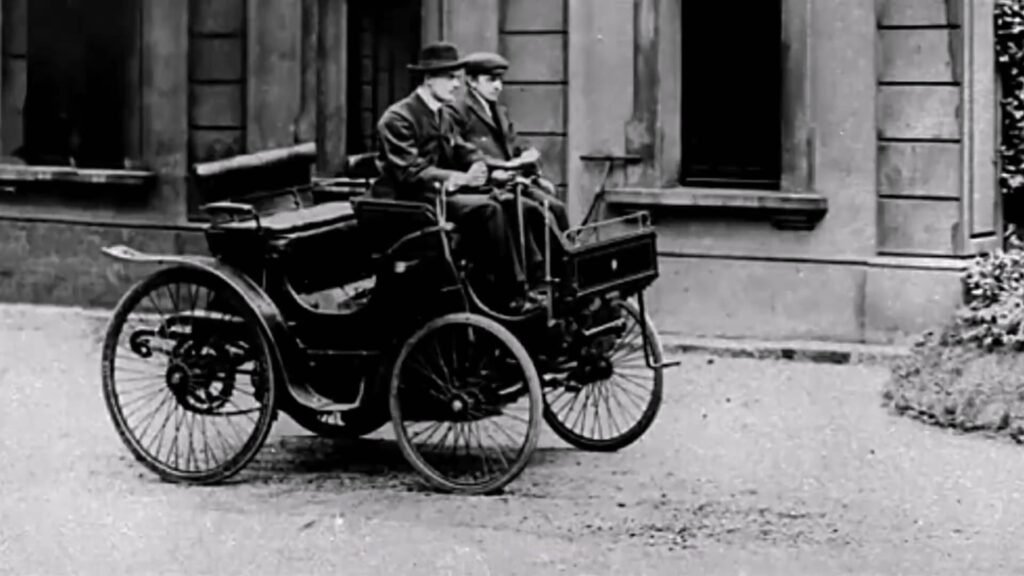
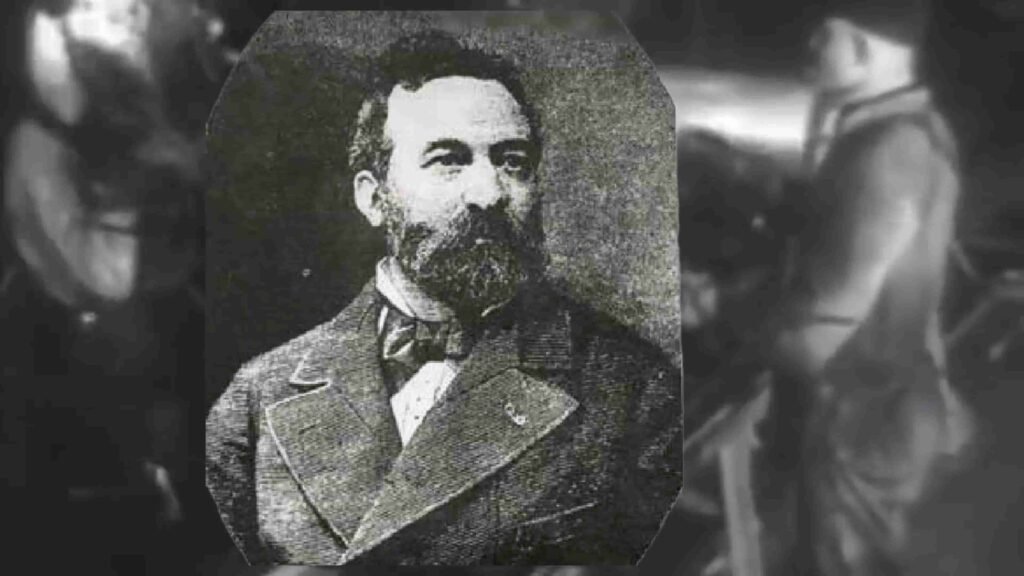
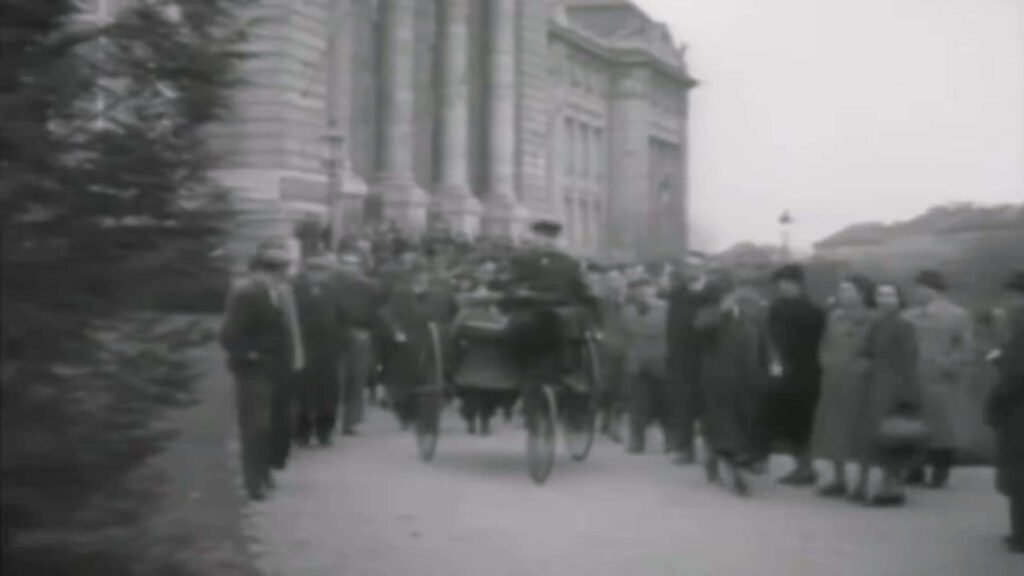
In 1881, French engineer Gustave Trouvé revolutionized the field by constructing the world’s first rechargeable electric tricycle, powered by a lead-acid battery. Displayed at the Paris International Electrical Exhibition, this vehicle is widely recognized as the first truly practical electric automobile—predating Karl Benz’s gasoline-powered three-wheeler by two years. This historical fact establishes electric vehicles as the first automotive technology to reach practical implementation.
The Rise of Electric Cars: 1890s–1900s
The late 19th century saw rapid advancements in EV technology:
- 1891: William Morrison, an American inventor, built a six-passenger electric car with a 50 km range, causing a sensation on New York streets.
- 1897: Columbia Electric Company began large-scale EV production, deploying 60 electric taxis in New York City.
- This period saw a three-way automotive competition: electric, steam, and gasoline-powered cars.
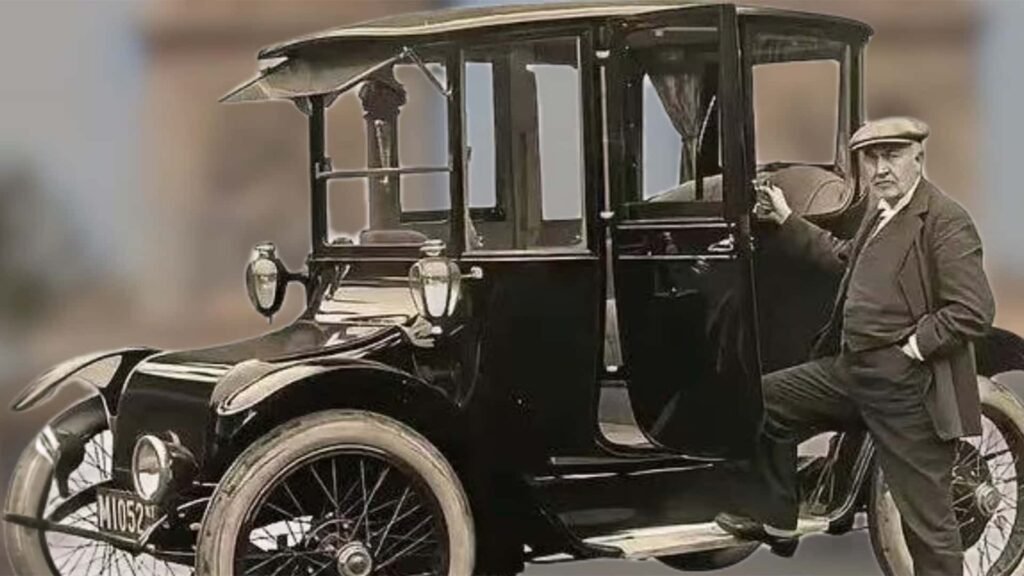

The First Golden Age
By the turn of the 20th century, electric vehicles had reached their first peak:
- 1900 Data: 28% of cars produced in the U.S. were electric, with total EV sales surpassing gasoline and steam vehicles combined.
- Popularity Factors:
- No hand-crank starting needed
- Quiet and clean operation
- Smooth, vibration-free driving
- No gear shifting
Electric cars were particularly favored by urban residents and women, offering convenience, comfort, and prestige. Media of the time highlighted EVs as symbols of social status, especially among the upper class.
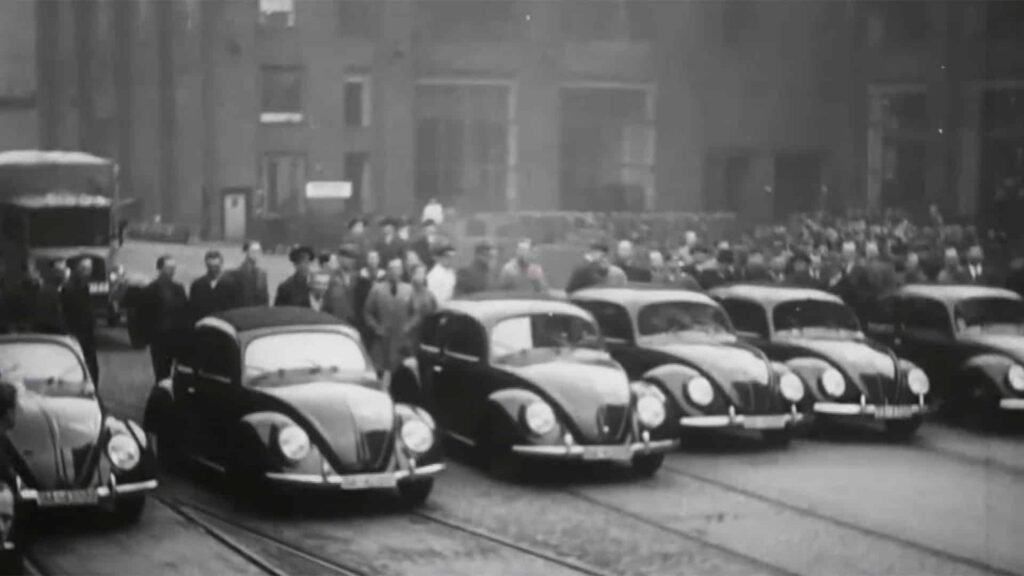
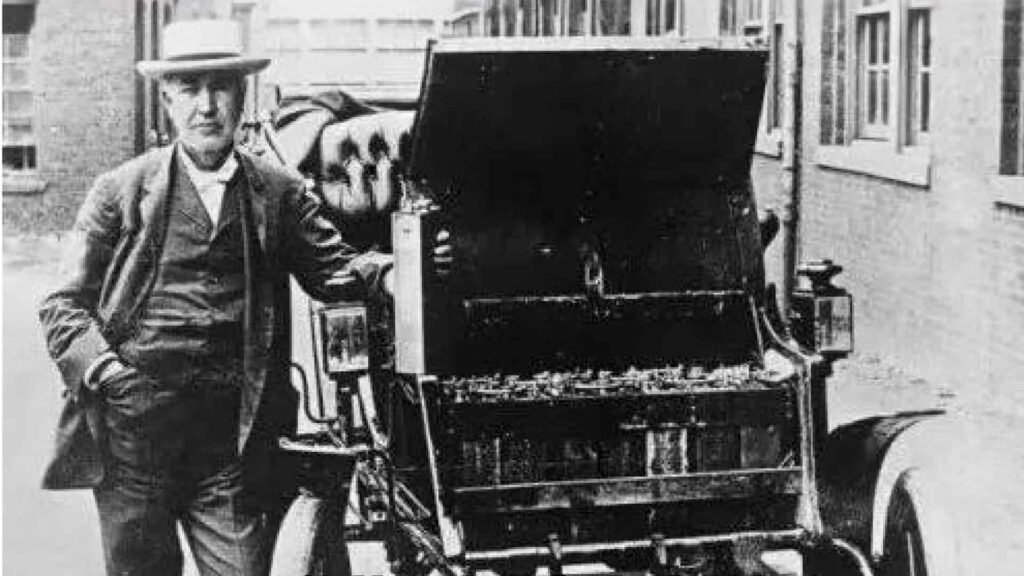
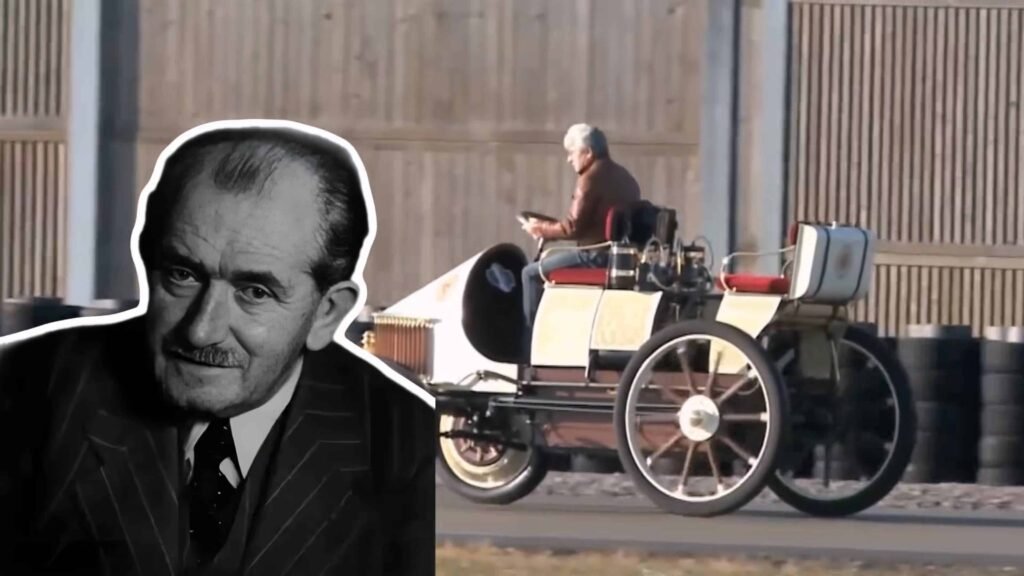
Prominent inventors like Thomas Edison invested in EV technology, working on battery patents and promoting electric propulsion. Ferdinand Porsche, in 1901, built the first hybrid electric car, combining batteries with a gasoline engine. In cities like New York, EVs served as ideal short-distance vehicles for shopping, social visits, and leisure.
The Decline: 1908–1920
Despite early promise, EVs faced significant challenges:
- 1908: Ford launched the Model T at $600, while electric vehicles cost approximately $1,700—almost three times more expensive.
- 1912: The electric starter eliminated gasoline cars’ major disadvantage, removing one of EVs’ key selling points.
- Infrastructure Limitations: Gasoline stations proliferated, but public charging infrastructure was nearly nonexistent.
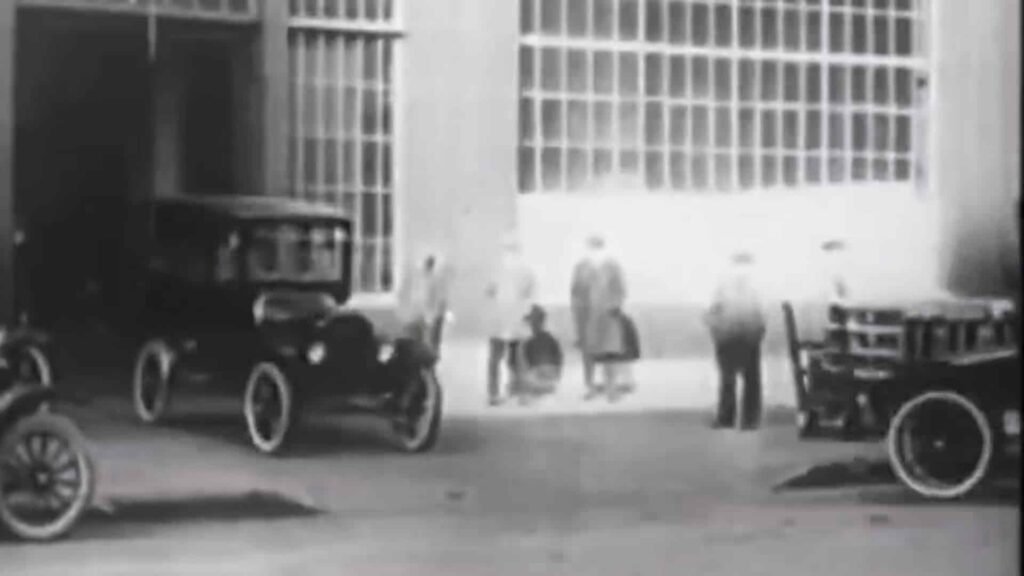
As a result, EVs quickly fell out of favor. By 1920, electric cars had almost vanished from streets, surviving mainly as niche vehicles like golf carts.
Key Insight: EVs’ decline was not due to inferior technology but rather poor alignment with the social, economic, and infrastructural context of the time. Limited range, scarce charging options, and suburban expansion made gasoline vehicles more practical.
Dormancy and Experimentation: 1920–1960
Electric vehicles entered a long period of dormancy but were not entirely forgotten. Notable innovations during this period included:
- 1943 (Spain): An early battery-swapping EV capable of changing its battery in 10 minutes, with a 100 km range—an early prototype of modern swap-station technology.

These experimental designs reflected persistent interest in electric mobility, even if mainstream adoption was minimal.
The Oil Crisis and Small Commuters: 1970s
The 1973 OPEC oil embargo and soaring gasoline prices reignited interest in electric vehicles. Governments and manufacturers explored EV solutions for urban commuting:
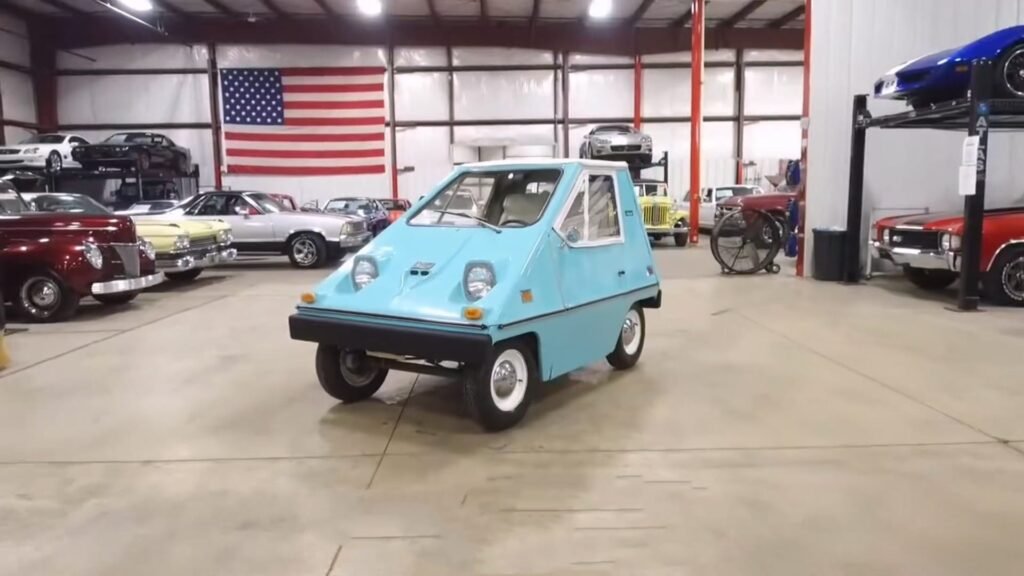
- City Cars (U.S.): Produced by Saber in Vanguard, over 2,000 units were manufactured.
- Top speed: 44 mph
- Range: 50–60 miles
- Until Tesla’s Roadster in 2008, City Car was the highest-produced U.S. electric vehicle.
The oil crisis highlighted EVs’ potential as clean, cost-effective city transport, foreshadowing their eventual resurgence.
Environmental Awareness and Hybrids: 1990s
Environmental regulations, particularly in California, required automakers to produce Zero Emission Vehicles. Notable developments:
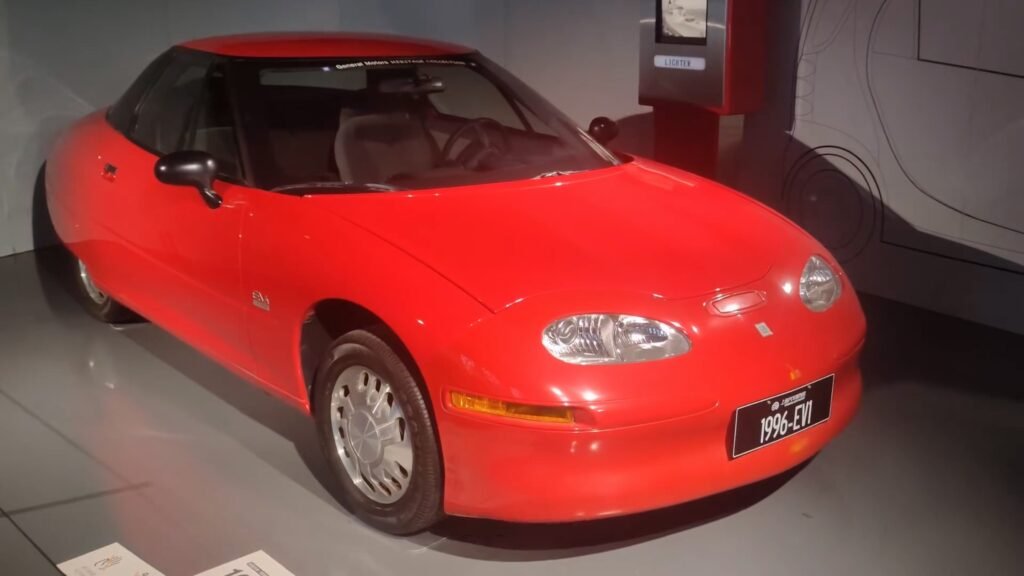
- 1996: GM launched the EV1
- Range: 100 miles
- 0–60 mph acceleration: 6 seconds
- Outcome: Despite popularity, GM recalled and destroyed the fleet due to profitability concerns.
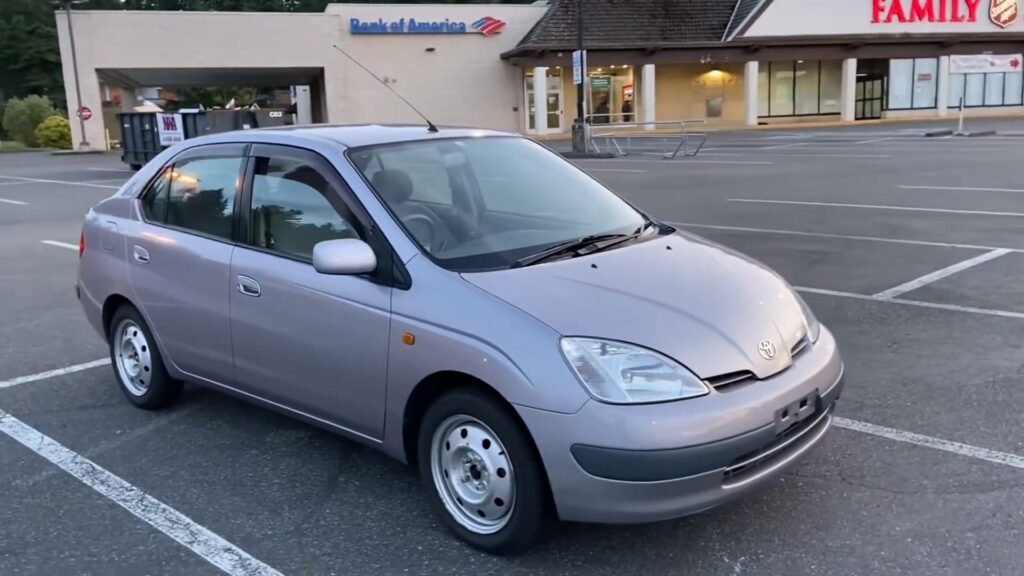
- 1997: Toyota introduced the Prius, the first mass-produced hybrid vehicle. Its success demonstrated market acceptance for energy-efficient vehicles and laid the foundation for pure electric cars’ comeback.
Modern Electric Vehicles: Tesla and the Global Revolution
The 21st century marked the true renaissance of EVs:
- 2003: Tesla Motors was founded.
- 2006–2008: Tesla announced and launched the Roadster:
- Range: 394 km per charge
- 0–100 km/h: 3.7 seconds
- Impact: Redefined public perception, proving EVs could be luxurious, high-performance, and desirable.
Following Tesla’s lead, automakers globally expanded EV offerings:
- Nissan Leaf: Affordable city-focused EV
- BMW i Series: Premium electric models
- Chinese EV Market: By the 2010s, China became the world’s largest EV market
By 2020, global EV sales surpassed 3 million units, signaling a century-long comeback.
Key Milestones in Electric Vehicle History
| Year | Event | Significance |
|---|---|---|
| 1828 | Ányos Jedlik invents early electric motor | First step toward EV propulsion |
| 1834 | Thomas Davenport builds practical EV | First human-carrying electric vehicle |
| 1881 | Gustave Trouvé builds rechargeable tricycle | First commercially practical EV |
| 1891 | Morrison builds 6-passenger EV | Urban EV adoption begins |
| 1901 | Ferdinand Porsche builds hybrid car | First hybrid EV |
| 1912 | Electric starter invented | Gasoline cars gain advantage |
| 1943 | Spanish EV with battery swap | Early rapid battery replacement |
| 1973 | Oil crisis sparks City Car production | Revival of urban EVs |
| 1996 | GM EV1 launched | High-performance modern EV prototype |
| 1997 | Toyota Prius introduced | Hybrid vehicles gain market acceptance |
| 2008 | Tesla Roadster launched | Modern luxury EV era begins |
| 2020 | Global EV sales exceed 3 million | Mass adoption achieved |
The End
The history of electric vehicles is a story of innovation, resilience, and eventual triumph. From 19th-century experiments and the first golden age, through early 20th-century decline, mid-century experimentation, and late 20th-century hybrid evolution, EVs have proven that transformative technology can endure despite temporary setbacks. Today, electric vehicles are not merely a trend—they are a cornerstone of sustainable transportation, a testament to centuries of engineering vision and perseverance.
The century-long journey of EVs teaches a timeless lesson: good technology may sleep, but it never dies.
Reference: