
In the automotive world, the term “bulletproof” is thrown around loosely, but true mechanical immortality is rare. For most car owners, the five-year mark is when the anxiety kicks in—the dread of the illuminated check engine light or the sudden, rhythmic knocking of a failing water pump.
However, a select group of vehicles defies the planned obsolescence of the modern era. These are the “200,000-mile-plus” club members—cars engineered with such conservative tolerances and high-quality metallurgy that they seem to treat major repairs as an optional suggestion rather than an eventuality.
Drawing on long-term reliability data from the likes of iSeeCars, Consumer Reports, and real-world high-mileage owner forums, we have identified the vehicles that consistently stay out of the shop.

The Engineering of Longevity: Why Some Cars Don’t Break
Before we name the models, we have to understand the “why.” Reliability isn’t an accident; it’s a byproduct of specific engineering choices:
- Under-Stressed Powertrains: Engines that aren’t squeezed for every last drop of horsepower usually last longer. A large-displacement, naturally aspirated engine (no turbos) running at low RPMs is the recipe for 15-year durability.
- Component Matureness: The most reliable cars are often those at the end of their model generation. By year six or seven of a specific design, the manufacturer has identified and patched every weak link in the supply chain.
- Overbuilt Cooling and Lubrication: Heat is the primary killer of engines and transmissions. Cars that “never die” typically have oversized radiators and transmission coolers designed for much harsher environments than they actually face.
The Hall of Fame: Vehicles Built for the Long Haul
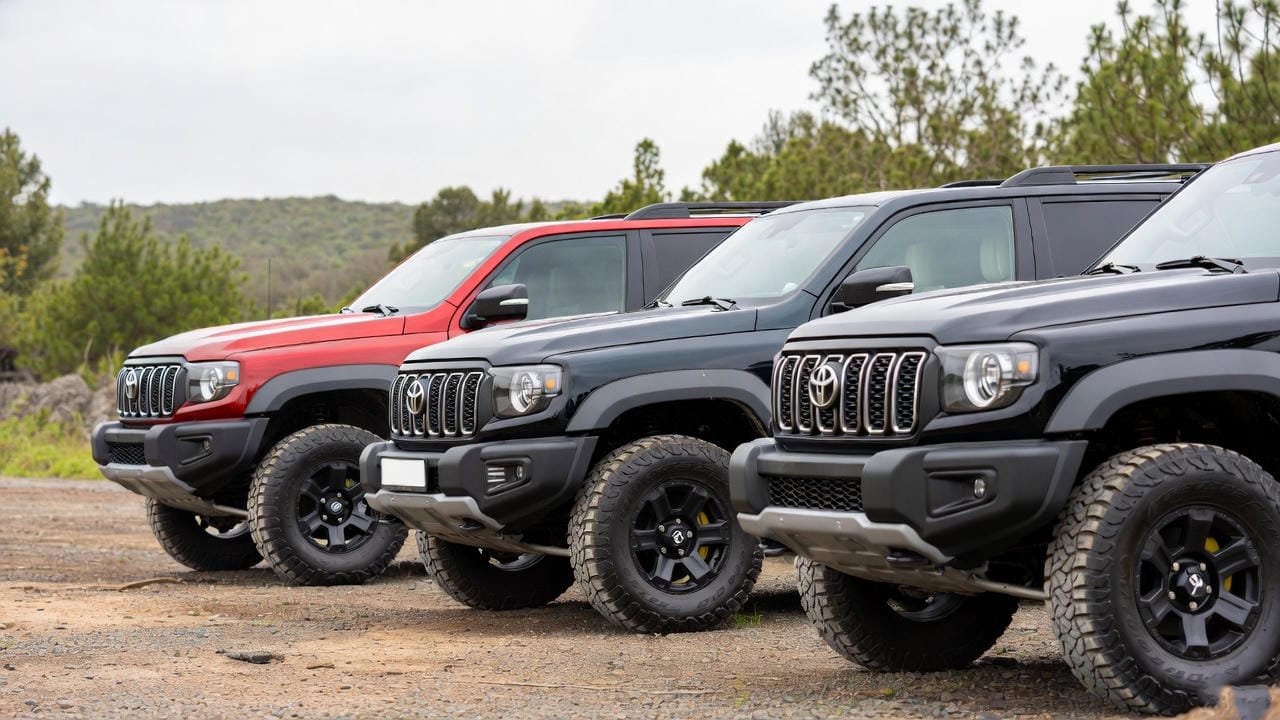
1. The Undisputed King: Toyota Land Cruiser (100 and 200 Series)
There is a reason why the Land Cruiser is the vehicle of choice for the UN and NGOs in the most remote corners of the globe. These vehicles are engineered to a 25-year service life.
- The Secret: Every part, from the door hinges to the drivetrain, is “overbuilt.” The 5.7L V8 (3UR-FE) is notoriously low-revving and manages heat exceptionally well.
- Typical Outcome: It is common to see these hit 300,000 miles with nothing more than oil changes, timing belt/chain service, and brake pads.
2. The Commuter’s Fortress: Lexus ES (300h and 350)
The Lexus ES takes the proven reliability of the Toyota Camry and elevates it with higher-grade components and stricter quality control.
- The Secret: The ES 300h (Hybrid) uses a planetary-gear eCVT that has no belts or pulleys to wear out. The transition between the electric motor and the Atkinson-cycle engine is mechanically seamless, reducing the “shock” to the drivetrain that traditional transmissions suffer.
- Typical Outcome: This is the car you buy when you want luxury without the “German repair bill” anxiety.
3. The Suburban Workhorse: Chevrolet Suburban / GMC Yukon (5.3L V8)
While American small cars have a spotted history, Detroit knows how to build a truck-based SUV. The older 5.3L Vortec and even the newer Ecotec3 engines (provided they are maintained) are legendary for their longevity.
- The Secret: These are essentially light-duty trucks with a family cabin. The heavy-duty transmissions and simple overhead-valve engine designs are easy to service and built to tow, meaning daily school runs are an absolute breeze for them.
- Typical Outcome: If you can stomach the fuel bill, these are frequently seen crossing the 250,000-mile mark in the secondary market.
Comparison: Low-Maintenance Icons vs. The Average
| Model | Engine Type | Known Lifespan (Miles) | Primary “Major” Repair Risk | The “Secret Sauce” |
| Toyota 4Runner | 4.0L V6 | 300,000+ | Rust (Frame) | 15-year-old engine design; zero “new car” glitches. |
| Honda Civic (Non-Turbo) | 2.0L I4 | 250,000+ | Infotainment glitches | Simple, naturally aspirated engine; high-quality seals. |
| Mazda CX-5 | 2.5L I4 | 200,000+ | Minor sensor issues | Avoids CVTs in favor of a robust 6-speed automatic. |
| Toyota Prius | 1.8L Hybrid | 250,000+ | Battery (after 150k) | Regenerative braking saves the engine and brakes. |
Avoiding the “Money Pit”: How to Spot a Future Legend
If you are shopping for a car that will never need a major repair, follow these three “Professional Rules”:
Rule 1: Avoid the “First Year” of Anything
Even the most reliable brands have “teething” issues. Never buy a redesigned car in its first or second model year. Wait until year three, when the manufacturer has issued TSBs (Technical Service Bulletins) and fixed the assembly line faults.
Rule 2: Prioritize “Simple” Transmissions
If you want to avoid a $5,000 repair, look for vehicles with traditional 6 or 8-speed automatic transmissions or Toyota’s eCVT. Avoid “Dry” Dual-Clutch Transmissions (DCTs) or high-torque belt-driven CVTs if you plan to keep the car past 100,000 miles.
Rule 3: The “Taxi Test”
Look at what fleet drivers use. Taxis, Ubers, and delivery drivers in high-traffic cities like NYC or London choose vehicles that maximize “uptime.” If you see a specific model dominating the taxi ranks (like the Toyota RAV4 Hybrid or Ford Maverick), it’s because it’s a car that stays on the road and out of the shop.
Final Verdict
Mechanical superiority isn’t just about build quality; it’s about predictability. A Toyota 4Runner is “reliable” because it is essentially a relic—a vehicle designed decades ago and perfected over time. When you buy a car that never seems to need major repairs, you aren’t just buying a vehicle; you’re buying peace of mind.
Useful Links: