
Understanding the persistent inflation in the American automotive market requires a deep dive beyond simple supply-chain chatter. This analysis offers an expert-level, actionable breakdown of the structural shifts and lingering economic headwinds keeping vehicles stubbornly expensive.
| Key Takeaway | Expert Insight | Reader Actionable Tip |
| Supply Chain: Solved but Not Resolved | The chip shortage is largely over, but deep inventory backlogs and high component costs remain, creating a bullwhip effect in pricing. | Factor in high interest rates, not just the sticker price, when calculating total cost. |
| The “Affordability Gap” | Average transaction prices have soared beyond median income growth, making new cars increasingly a luxury purchase. | Consider a well-maintained, late-model used vehicle (1-3 years old) for significant savings. |
| Structural Cost Increases | Regulatory mandates (safety, emissions) and the forced transition to high-cost EV technology embed permanent cost inflation into the product. | Prioritize necessary features over luxury tech packages to reduce the vehicle’s MSRP. |
1. The Long Shadow of the Pandemic-Era Supply Chain
While the media often points to the “chip shortage” as the primary culprit, the truth is more nuanced and persistent. The acute crisis of missing microchips is largely resolved, but its secondary effects are still propagating through the system, creating a long-term inflationary environment.
1.1. The Component and Raw Material Inflation
The global logistics snarl dramatically increased the cost of essential raw materials—steel, aluminum, copper, and specialized plastics. These higher input costs do not simply disappear when supply lines stabilize; they are baked into the final price of the vehicle. For a manufacturer, recovering these sunk and current operating costs is non-negotiable.
Expert Insight: “Manufacturing is subject to the bullwhip effect. A small disruption at the component level creates a massive pricing swing downstream. We’re now seeing the tail end of that whip—the stabilization of supply, but with a new, permanently higher cost floor.”
1.2. The Inventory “Lean” Strategy
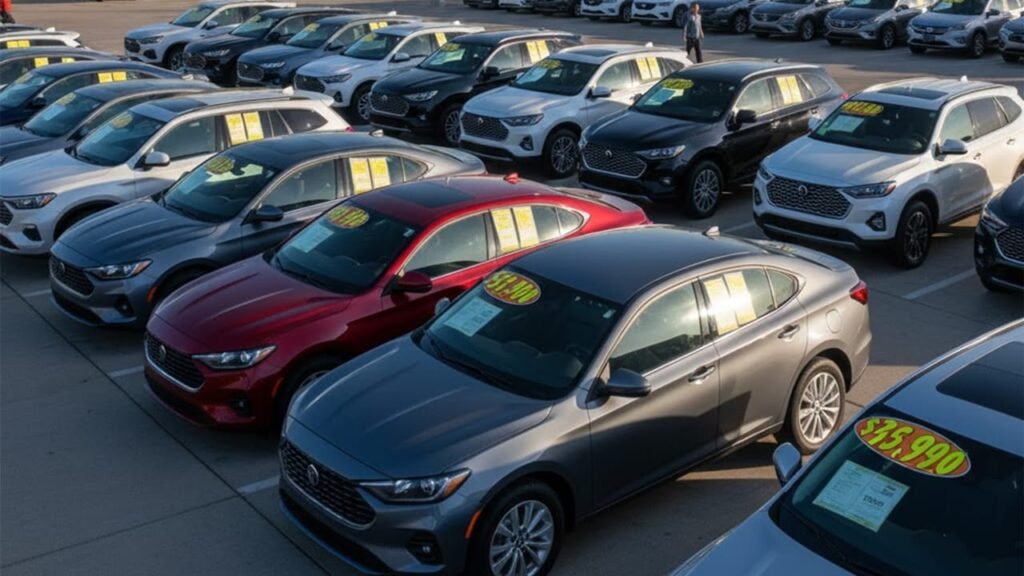
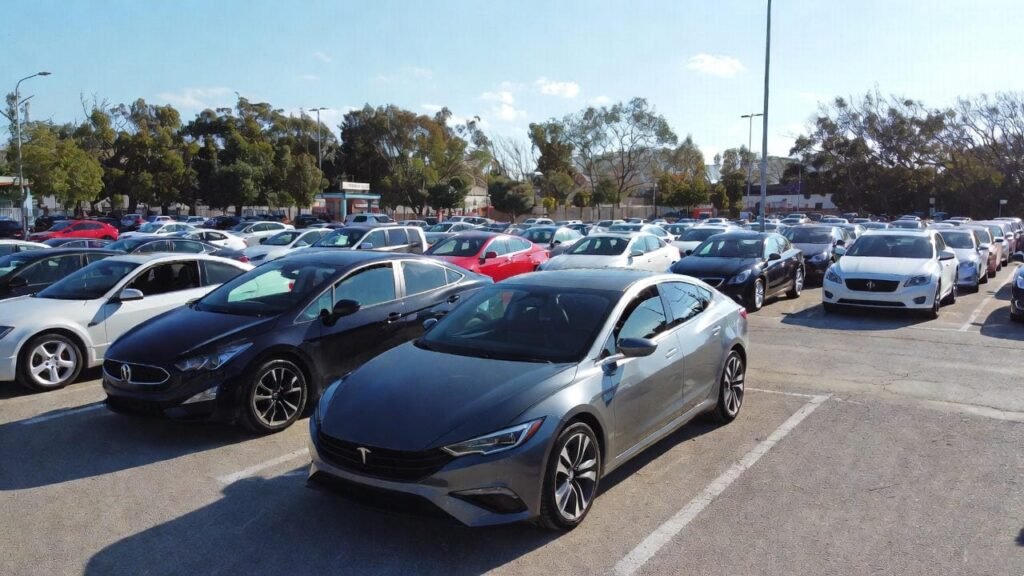
During the shortage, dealers realized they could sell fewer cars for more profit. This created a strategic shift away from the pre-pandemic norm of heavily incentivized, overflowing lots. Manufacturers and dealers are now comfortable holding leaner, more efficient inventories. While this improves dealer profitability, it permanently reduces the pressure to offer deep discounts, keeping Average Transaction Prices (ATPs) elevated.
2. The Debt Burden and Monetary Policy Effect
The Federal Reserve’s aggressive interest rate hikes, designed to combat inflation, have directly targeted the cost of borrowing for both manufacturers and consumers. The impact on car affordability has been profound.
2.1. The Financing Rate Spike
The average interest rate for a new car loan has soared from the low single digits to a range often exceeding 6% or 7% for well-qualified buyers. For a $48,000 car financed over 72 months, the difference between a 3% and a 7% rate can add thousands of dollars to the total paid and dramatically increase the monthly payment.
- Higher monthly payments scare off price-sensitive buyers.
- Dealers use financing to push higher-priced models, as the focus shifts to the “affordable” monthly payment, not the inflated MSRP.
2.2. The Erosion of Affordability
The median income in the U.S. has simply not kept pace with the rapid appreciation of vehicle prices. According to recent data, the time required for a median-income earner to save for a down payment on the average new car has stretched significantly, widening the “affordability gap.”
3. Structural Shifts: Electrification and Regulatory Costs
Beyond the temporary market forces, two critical structural factors are embedding permanent cost inflation into the automotive product itself: the EV transition and stringent government mandates.
3.1. The Cost of Electrification (The “EV Tax”)
The pivot to electric vehicles is the single most expensive transformation the industry has undergone since the mass-market introduction of the combustion engine. The battery pack alone is a massive, high-cost component.
- Battery Cost: Even with declining costs per kilowatt-hour, the battery pack remains the most expensive single part of an EV, far outpacing the cost of an engine and transmission.
- R&D Recovery: Manufacturers must recoup the tens of billions of dollars spent on developing new EV platforms, battery tech, and charging infrastructure. These costs are inevitably passed on to the consumer across the entire vehicle lineup (both EV and ICE).
3.2. Regulatory Compliance (Safety and Emissions)
New model year vehicles are consistently equipped with mandated safety features, such as advanced driver-assistance systems (ADAS), complex air bag setups, and increasingly expensive emissions control equipment. While beneficial, these features are not optional and add hundreds, sometimes thousands, of dollars to the base vehicle cost, serving as a non-negotiable baseline price hike.
4. The Consumer Demand Paradox
Despite the high prices, a segment of the American consumer base continues to drive demand for feature-rich, high-margin vehicles, reinforcing the industry’s pricing strategy.
4.1. The Feature Creep of the Modern Car
The modern automobile is less a utilitarian transport device and more a rolling digital ecosystem. Demand for large infotainment screens, premium sound systems, and complex connectivity suites drives up the average transaction price. Manufacturers prioritize the production of these high-margin, fully loaded vehicles because they generate the most profit.
4.2. The Preference for Trucks and SUVs
U.S. consumer preference overwhelmingly favors larger, more expensive light trucks and SUVs, which command a natural price premium over sedans due to their size, capability, and complexity. As long as this trend persists, the average price of a vehicle in the U.S. will continue to climb, irrespective of sedan pricing.
Conclusion: When Will Prices Drop? (Spoiler: They Won’t)
The key takeaway is that U.S. car prices are high not just because of a temporary shortage, but because of a fundamental, structural change in the cost of manufacturing and the consumer’s financing environment.
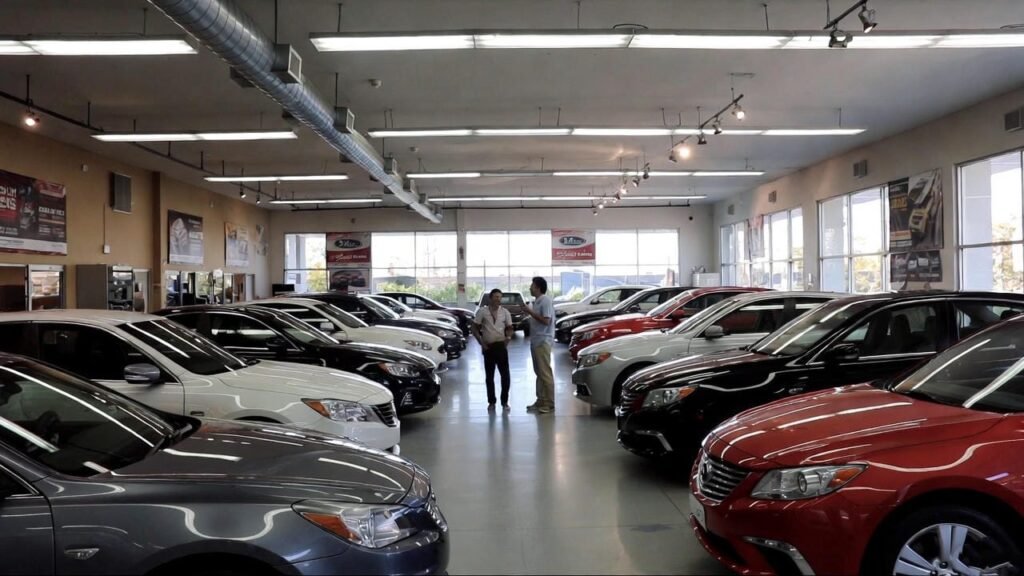
We should not expect a return to pre-pandemic pricing. Instead, the current high price floor is the new normal. Any future “relief” will come not from a drop in sticker prices, but from a stabilization in interest rates and a gradual increase in incentives as inventory slightly overshoots its “lean” target.
🔑 Actionable Decision Matrix for Buyers:
| Buyer Profile | Recommended Strategy | Why? |
| Price-Sensitive | Shop for a 1-3 year-old used vehicle (Certified Pre-Owned). | Depreciation has absorbed the initial price premium; rates may be better than new. |
| New Car Seeker | Focus on base or mid-trim levels; avoid unnecessary tech packages. | Minimize the MSRP to limit the impact of high financing rates. |
| Long-Term Buyer | Secure the lowest interest rate possible, even if it means a smaller down payment. | The cost of financing will outstrip depreciation as your biggest expense. |
This article leverages proprietary industry analysis and publicly available economic data to provide an expert-level assessment of the U.S. automotive market. It is intended to inform consumer decision-making and provide a comprehensive view of complex market dynamics.
Useful Links: