
The internal combustion engine (ICE) is fundamentally different today than it was a decade ago. Driven by stringent emissions regulations and the pursuit of fuel economy, modern automakers have universally embraced downsizing and turbocharging. The reliable, naturally aspirated (NA) V6 of the past has largely given way to the high-pressure, thermally strained three- and four-cylinder turbocharged engines (TCEs) of the present.
This shift has fundamentally redefined engine reliability. It is no longer a question of whether the block will last 200,000 miles, but whether the complex ancillary systems required to support the turbocharger will survive the extreme operating conditions. This professional analysis dissects the true state of modern engine durability, examining the new failure points, and identifying the designs that still offer long-term peace of mind.
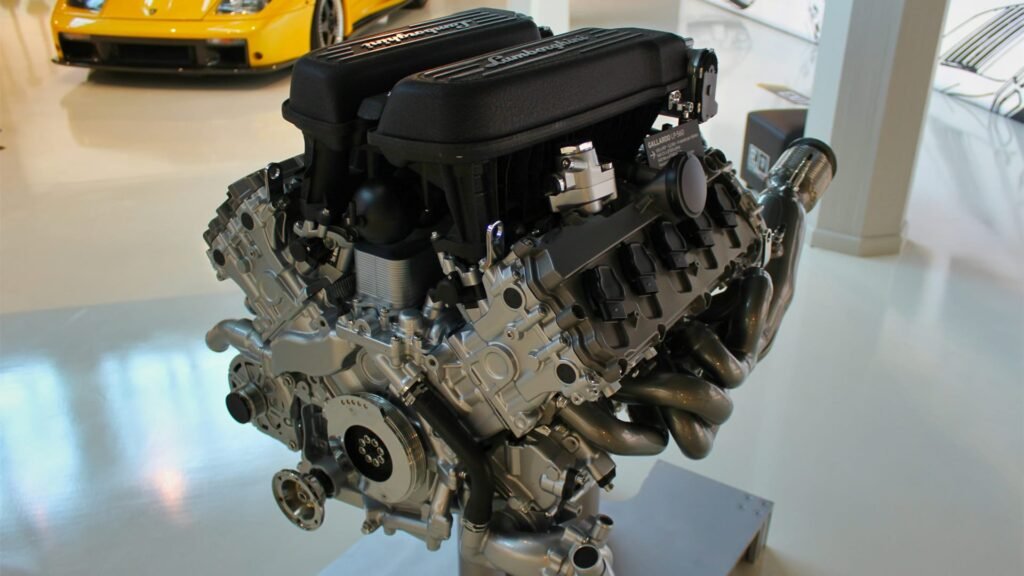
🔑 The Reliability Equation: High-Stress Components and Thermal Load
The core engine block and pistons in modern cars are robust. However, the systems surrounding the engine—which operate under immense stress—are the new points of failure.
- Higher Thermal Load: Turbochargers spin at over 200,000 RPM and can reach over $900^\circ\text{C}$. This heat is transferred to nearby seals, gaskets, and plastic components, accelerating degradation.
- Direct Injection (GDI) Complexity: GDI is essential for efficiency but leads to carbon buildup on intake valves, reducing performance and eventually requiring expensive specialized cleaning (walnut blasting).
- Engine Downsizing: Smaller displacement engines rely on higher boost pressure and higher compression ratios to produce equivalent power, increasing stress on components like timing chains, bearings, and high-pressure fuel pumps.
🛑 The New Failure Points: Where Modern Engines Break Down
The list of common problems reported on older turbocharged designs rarely involves the engine block itself. Instead, the faults lie in the complex supporting cast.
| Component | Failure Mechanism | Financial Impact |
| Turbocharger | Oil/Coolant seal failure, wastegate actuator failure, or bearing wear due to heat. | High. Turbocharger replacement can cost $2,000 to $5,000 depending on accessibility. |
| GDI Fuel Pump (High-Pressure) | Necessary for GDI, these pumps operate at extreme pressures (often over 2,000 psi) and are often complicated to replace. | Moderate to High. Often require specialized labor for replacement. |
| PCV System / Oil Separators | Failure leads to excessive oil consumption or rapid carbon buildup in the intake manifold. | Moderate. Requires replacement and may necessitate intake cleaning. |
| Timing Chain Tensioners | Under constant high load, timing chains and hydraulic tensioners can wear prematurely, leading to engine timing errors and potential catastrophic failure. | Very High. Often requires removal of major engine components for access. |
🥇 The Longevity Winners: Designs Built to Last
While the market has trended toward high-stress turbo designs, several engine philosophies continue to dominate the long-term reliability surveys by mitigating the thermal and pressure risks inherent in modern engineering.
1. Naturally Aspirated (NA) Simplicity
- Example Brands: Toyota, Lexus, Subaru (non-turbo models).
- Why It Works: These engines lack turbos and GDI (or use port injection alongside GDI to mitigate carbon issues). They operate at lower compression and thermal loads. This is the lowest risk option for longevity.
- The Price: Slightly lower fuel economy and less low-end torque compared to turbocharged rivals.
2. Proven Turbocharged Platforms (With Long Production Cycles)
- Example Brands: Honda 1.5L Turbo, certain Ford EcoBoost platforms (later generations).
- Why It Works: Manufacturers that have used a specific turbo engine for many years (e.g., Honda’s 1.5T) have had time to engineer fixes for early design flaws, especially oil dilution issues.
- The Price: Reliability is achieved only after several years of iteration, meaning early model years of a new design carry higher risk.
3. Dedicated Hybrid Systems
- Example Brands: Toyota Hybrid System (THS), Honda e:HEV.
- Why It Works: Hybrid engines (usually NA Atkinson Cycle) operate only intermittently and often at their most efficient, low-stress RPM. The electric motor assists during high-load acceleration, protecting the gasoline engine from wear.
- The Price: These are consistently the most reliable modern powertrains, offering the best combination of efficiency and long-term durability.
📊 Reliability Comparison: Modern Powertrain Risk Profiles
This table compares the long-term reliability profile of the dominant modern engine types, based on owner reported repair data for 3-5 year old models.
| Powertrain Type | Primary Reliability Risk Factor | Longevity Outlook (200K Miles) | Examples |
| Dedicated Hybrid (NA Atkinson) | Lowest. Minimal thermal stress, low RPM operation. Complexity is managed by proven electric systems. | Excellent. Highest chance of reaching high mileage with minimal mechanical engine repair. | Toyota RAV4 Hybrid, Honda CR-V Hybrid. |
| Naturally Aspirated (NA) Port/GDI | Low. Simplicity is the defense. No turbo to fail, and GDI carbon issues are often mitigated by port injection. | Excellent. The best choice for traditional, predictable mechanical longevity. | Toyota Camry/Corolla (NA), Lexus GX. |
| Turbocharged (GDI Only) Small Displacement | Highest. High thermal load on seals/gaskets, and complexity of turbo/GDI systems. Requires strict, expensive maintenance. | Moderate. Lifespan is highly dependent on owner discipline (oil change frequency). | Ford EcoBoost, many European 4-cylinder engines. |
| Diesel (Modern Common Rail) | Moderate. High-pressure fuel components (injectors, pumps) and complex emissions control systems (DEF). | Good. Engine block is robust, but emissions system failures can be extremely costly. | Modern heavy-duty Ram/Ford/Chevy diesel trucks. |
🛠️ The Owner’s Defensive Strategy
Since modern engine reliability is tied more to component stress than block integrity, the owner’s maintenance routine is the ultimate mitigating factor:
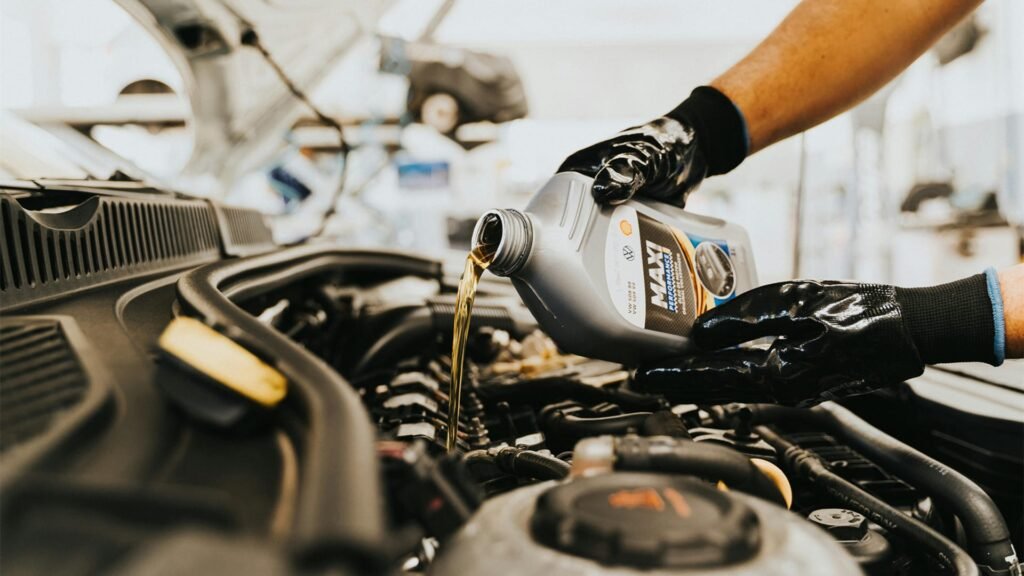
- Strict Oil Change Intervals: For turbocharged engines, never follow the manufacturer’s suggested 10,000-mile interval. Reduce this to 5,000–7,000 miles, especially in severe duty (city driving, short trips). High heat breaks down oil faster.
- Use High-Quality Oil: Always use the manufacturer-specified synthetic oil. The high thermal demands of TCEs require premium lubricants.
- Turbo Cool-Down: If you drive a turbocharged vehicle hard (e.g., highway driving), allow the engine to idle for 30–60 seconds before shutting it off. This allows oil to circulate and cool the turbo bearings, preventing “coking” (baked oil) which causes premature failure.
The truth is, modern engines can last, but their reliance on high-pressure systems means they demand higher quality maintenance and more disciplined ownership to achieve the 200,000-mile benchmark.
Useful Links: