
The price you pay for a new vehicle isn’t solely determined by MSRP or negotiation skill; it is heavily influenced by the manufacturer’s incentive calendar and the dealership’s internal sales goals. This expert guide bypasses common myths to pinpoint the precise days, weeks, and seasons when dealers are under maximum pressure to close a deal, allowing you to exploit seasonal cycles for the deepest discounts and highest trade-in values.
| Timing Factor | Result on Pricing | Why the Pressure Exists |
| Worst Time (The Peaks) | Highest Demand, Lowest Incentives | Spring/Early Summer (Tax Refund money hits the market) |
| Best Time (The Troughs) | Steepest Discounts, Highest Rebates | End of Q4 / End of Model Year (Year-end sales goals) |
| Best Day of the Week | Salespeople are least attentive/motivated | Monday/Tuesday (Low foot traffic means more focus on your deal) |
| Worst Month for Negotiation | Dealers hold firm on price | March/April (Post-tax season demand surge) |

1. The Worst Time of Year to Buy a Car: High Demand and Low Incentives
The general rule is simple: buy when everyone else isn’t. The worst times to enter the market coincide with peaks in consumer demand, driven by financial events and good weather.
1.1. Spring and Early Summer (March to June)
This period is characterized by the convergence of several negative factors for buyers:
- The Tax Refund Effect: Millions of Americans receive their tax refund checks in the spring, turning that capital into immediate purchasing power. This influx of cash drives up demand, which in turn allows dealers to hold firmer on the MSRP and be less generous with trade-in offers.
- New Model Hype: Dealerships are generally comfortable with their inventory and profit margins at the start of the year. Manufacturers have just released their annual incentive programs, which tend to be less aggressive than those at year-end.
- Weather and Convenience: Warm weather increases foot traffic on the lots. When a salesperson knows another potential customer is likely to walk in within the hour, their motivation to spend two hours negotiating your deal plummets.
1.2. The Start of the Month/Quarter
Never buy a car on the first day or first week of a month or a fiscal quarter (January 1st, April 1st, July 1st, October 1st).
- The Sales Quota Reset: Salespeople and managers have just reset their monthly, quarterly, and annual sales goals. They are under minimal immediate pressure and will not sacrifice margin to “hit a number” that early. They are looking for the easiest, highest-profit sales.
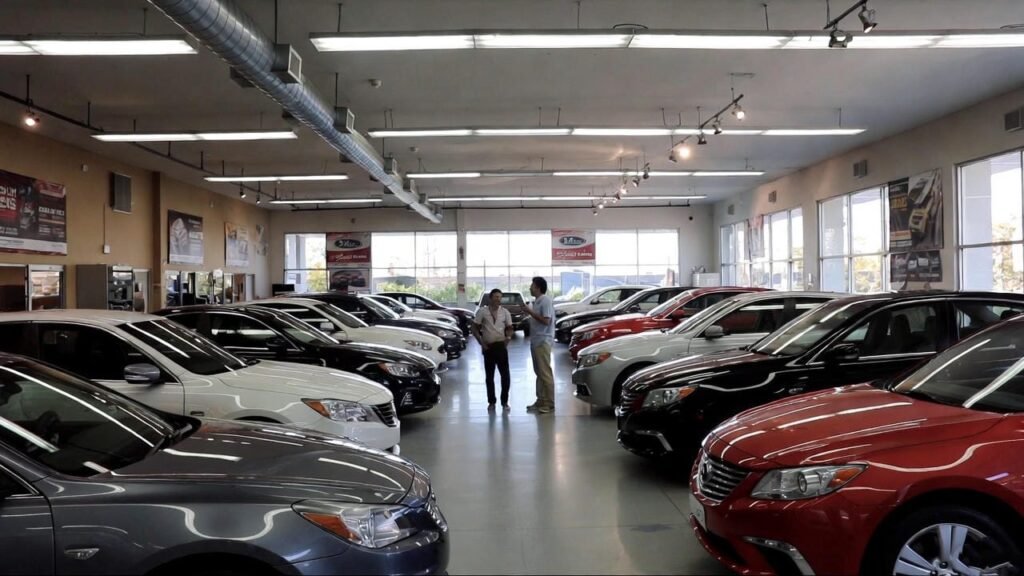
2. The Absolute Best Time to Buy: The Year-End Financial Pressure Cooker
The best time to buy a car is when the dealership and the manufacturer’s financial success for the entire year hinges on the sale of a few final units. This pressure manifests primarily in the final quarter of the calendar year.
2.1. The End of the Year (October to December)
This is the sweet spot. The pressure is layered and intense, leading to maximum dealer concessions.
- Year-End Bonuses and Holdback: Dealerships earn “holdback”—a percentage of the MSRP held back by the manufacturer and paid out at year-end only if sales targets are met. They also earn massive volume bonuses. Closing a sale, even at a slight loss on the front end, can unlock huge bonuses on the back end.
- Inventory Clearance (Model Changeover): From October onward, dealers desperately need to clear the last units of the current model year (e.g., 2025 models) to make room for the incoming next-year models (e.g., 2026 models). These outgoing models attract the steepest rebates and deepest dealer discounts.
- The Ultimate Day: December 31st: The last day of the year is universally recognized as the best day to buy. Managers are desperate to close out the year and hit every metric possible. Show up ready to buy, with financing pre-approved, in the late afternoon.
2.2. The End of the Month and Quarter
Beyond the year-end, target the final days of any month or quarter.
- The Critical Hours: The last 48-72 hours of any calendar month are excellent for negotiation, as salespeople are trying to hit individual quotas to earn commissions or move up bonus tiers. The last day of the quarter is even better. Show up after 5:00 PM on the last Tuesday or Wednesday of the month.
3. Exploiting the Product Cycle: End-of-Model Discounts
Timing the product cycle can save thousands, irrespective of the calendar date.
3.1. When a Redesigned Model is Announced
The moment a manufacturer announces a full redesign or a significant refresh of a current model (often 6-12 months before it hits the lot), the current model’s value plummets.
- The Opportunity: If you don’t care about the new styling or the minor technological upgrades in the upcoming model, the outgoing version is heavily discounted. Dealers will offer significant cash rebates to move these units quickly.
- The Trade-Off: The resale value of your vehicle will immediately take a hit when the new model arrives. This strategy is best for buyers who plan to keep the car for a long time (5+ years).
3.2. When Your Vehicle Is Discontinued
If a vehicle is completely discontinued (e.g., an outgoing sedan model or a niche sports car), the dealer will aggressively liquidate the remaining stock to avoid paying “floor plan” (interest on unsold inventory). This represents the absolute peak of desperation.

4. Expert Strategy Matrix: The Buyer’s Timeline
A professional buyer understands that timing is layered—you need to combine the best time of year with the best time of the month and the best day of the week.
| Timing Window | Focus | Buyer Strategy |
| Best: Oct. 25th – Dec. 31st | Year-End Bonuses and Model Clearance | Demand the most aggressive factory rebates plus deep dealer discounts on outgoing year models. |
| Second Best: July/August | Mid-Summer Slowdown and Early Changeover | Use the general lull in traffic and the first whispers of the new model year arrival to push for better deals. |
| Weekly Best: Monday/Tuesday | Low Traffic Volume | Book an appointment early in the week. Sales staff are more eager to close a deal and less distracted. |
| Worst: March/April | High Demand (Tax Season) | Avoid buying during this window. If you must, focus on models with low overall demand. |
The Professional Takeaway: The time of year determines the size of the incentive (factory rebates/financing offers), while the time of the month determines the aggressiveness of the dealer. Combine the generous incentives of October through December with the pressure of the final days of the month/quarter for the optimal buying experience.
Useful Links: