College students face a brutal reality when car shopping. The used market is flooded with overpriced relics—beat-up Hondas and Toyotas with six-figure odometers that still demand premium prices. Meanwhile, new cars in the US and Europe start at prices that require taking out a second student loan.
There’s another path emerging. Chinese automakers have unleashed a wave of electric vehicles that combine modern tech, legitimate safety features, and prices that seem almost too good to be true. For students and parents navigating this decision, these cars represent a genuine alternative to the traditional “first car” playbook.
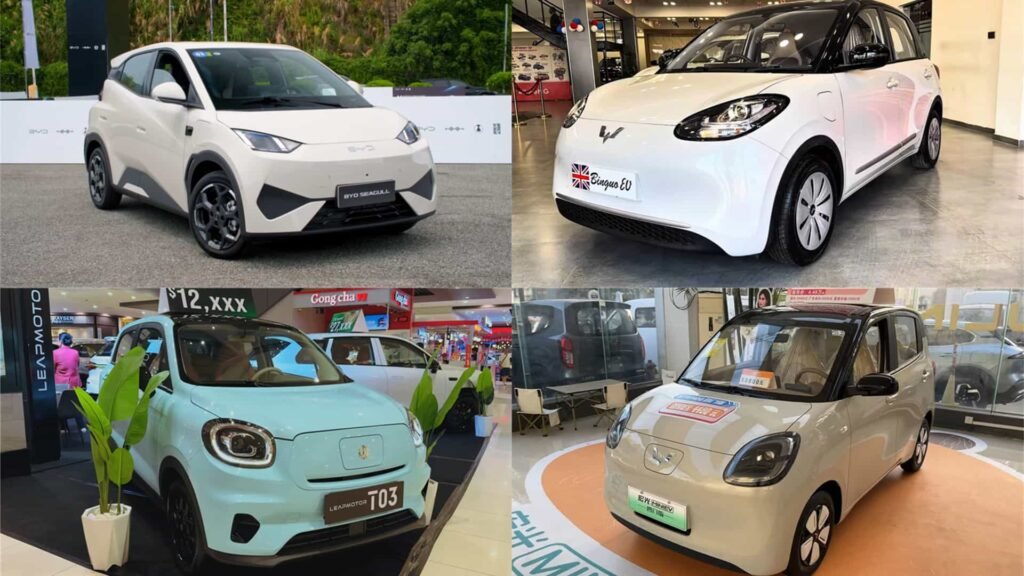
This breakdown examines five affordable Chinese EVs making waves globally. We’ll cover real specifications, pricing realities, safety considerations, and what each vehicle means for student budgets.
Why Chinese EVs Are Disrupting the Student Car Market
The traditional student car equation has always involved compromise. Buy used and inherit someone else’s problems. Buy new and drain savings accounts. Chinese EV manufacturers have rewritten this formula by leveraging vertical integration, battery technology advancements, and manufacturing scale.
| Factor | Traditional Used Car | Chinese Budget EV |
|---|---|---|
| Purchase Price | $8,000-15,000 | $8,000-16,000 |
| Maintenance Costs | High (aging components) | Low (electric drivetrain) |
| Fuel/Energy Costs | $150-250/month | $40-80/month |
| Warranty Coverage | Limited or expired | 3-8 years standard |
| Technology | Outdated infotainment | Modern connectivity |
| Safety Features | Basic or none | ADAS standard on most |
The math becomes clear when you factor in total cost of ownership. A $12,000 used gasoline car might cost $3,000 annually in fuel, maintenance, and repairs. A $15,000 new Chinese EV might cost $800 annually in electricity and minimal maintenance. Over a four-year college period, the EV often costs less overall despite the higher initial price.
5. NIO Firefly: The Premium Budget Option
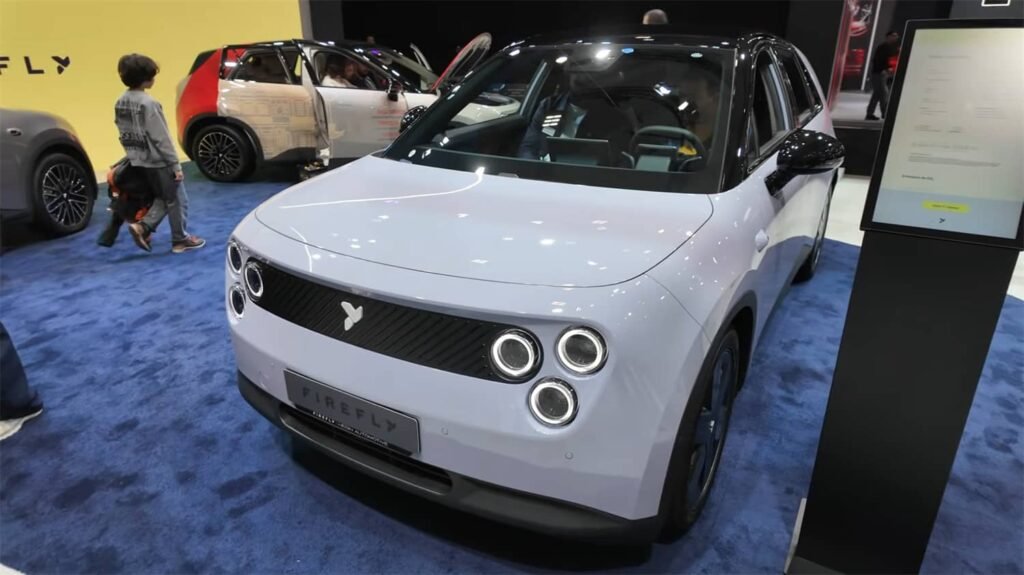
NIO built its reputation on premium electric vehicles competing directly with Tesla and BMW. The Firefly represents their first genuine entry into the budget segment, and it shows in the execution.
Design and Build Quality
The Firefly avoids the cheap aesthetics that plague budget vehicles. Clean body lines, sleek LED headlights, and aerodynamic profiling create a silhouette that competes with vehicles costing twice as much. The exterior treatment suggests NIO understood that students care about image—parking next to a BMW shouldn’t feel embarrassing.
Interior Technology
Inside, the Firefly delivers what budget buyers actually want: a digital driver display, floating center touchscreen, soft-touch materials, and ambient lighting. The voice assistant integrates seamlessly with smartphones. Navigation, music, and climate control respond to natural language commands. For students raised on smart home technology, this feels familiar rather than gimmicky.
Practical Specifications
| Specification | Detail |
|---|---|
| Seating Capacity | 4 adults |
| Range | 180-250 miles |
| Fast Charging | 10-80% in 30 minutes |
| Expected Price (Europe) | $12,000-15,000 |
| US Availability | Not confirmed |
Who Should Consider the Firefly
Students who prioritize technology and design over maximum range. The Firefly works best for campus commuting, city driving, and weekend trips under 150 miles. Parents concerned about safety will appreciate NIO’s European market presence, which requires meeting stringent crash and safety standards.
The Catch
NIO has not confirmed US availability. European pricing remains tentative. For American students, this vehicle represents what’s possible rather than what’s immediately purchasable.
4. BYD Seagull: The Battery Technology Leader
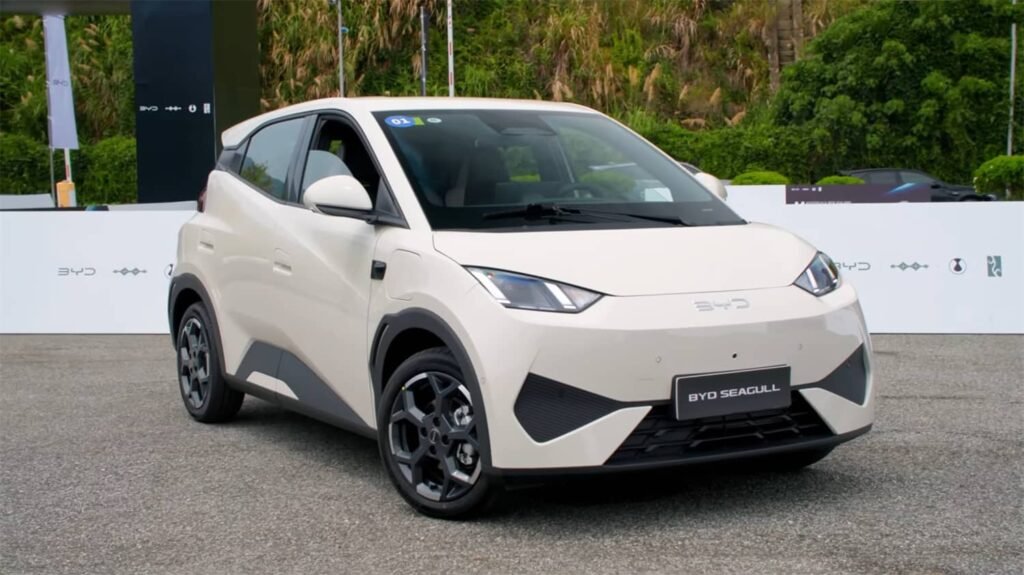
BYD dominates global EV sales through vertical integration—they manufacture their own batteries, semiconductors, and components. The Seagull showcases this advantage through competitive pricing without obvious cost-cutting.
Blade Battery Advantage
The Seagull uses BYD’s proprietary Blade Battery technology—lithium iron phosphate cells arranged in a structural pack. This chemistry offers superior thermal stability compared to traditional lithium-ion batteries. For parents worried about battery fires, LFP chemistry presents significantly lower risk.
Interior Innovation
The rotating infotainment screen distinguishes the Seagull from competitors. Portrait mode optimizes for social media and navigation. Landscape mode suits entertainment during charging sessions. This feature appears on BYD’s premium models, not just budget offerings.
Practical Specifications
| Specification | Detail |
|---|---|
| Seating Capacity | 4 adults |
| Range | 190-250 miles |
| Battery Technology | LFP Blade Battery |
| Fast Charging | 30-80% in 30 minutes |
| China Price | ~$11,000 |
| Expected Europe Price | $12,000-15,000 |
| US Availability | Limited (commercial vehicles only) |
Safety Credentials
BYD conducts crash testing for international markets. Standard equipment includes multiple airbags, electronic stability control, ABS, traction control, lane-keep assist, and automatic emergency braking. These aren’t optional upgrades—they’re standard across trims.
Who Should Consider the Seagull
Students prioritizing battery safety and brand recognition. BYD’s global presence means better service network potential compared to newer entrants. The Blade Battery’s longevity (5,000+ charge cycles) supports four years of college use plus post-graduation driving.
The Catch
US availability remains restricted due to tariff policies. European buyers have better access. Import costs and regulatory compliance could push US prices 30-40% higher than Chinese MSRP if availability changes.
3. Wuling Bingo EV: The Style-Forward Choice
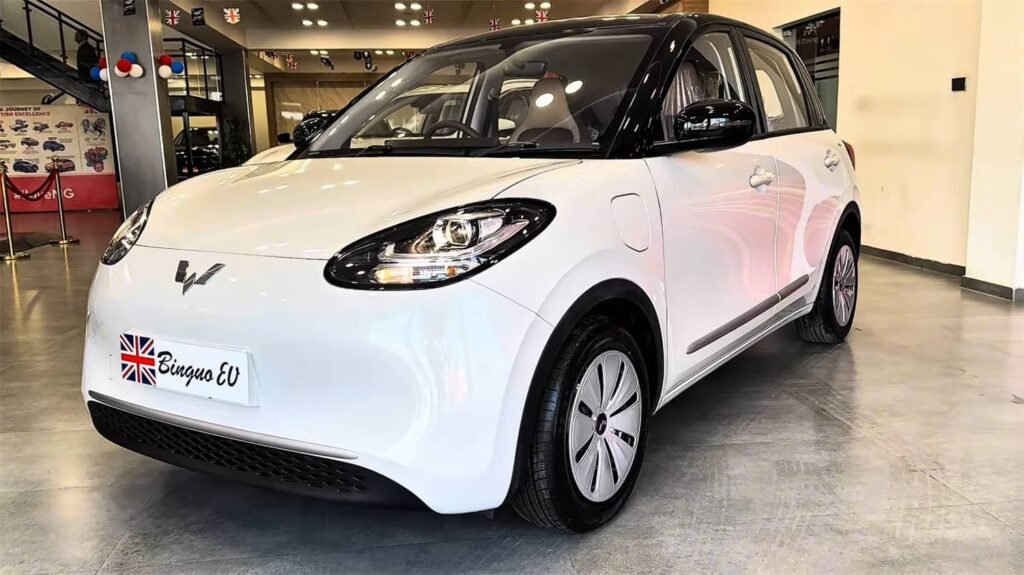
The Bingo EV targets buyers who want personality without premium pricing. Its rounded design language and color options create visual distinction in crowded parking lots.
Design Philosophy
Wuling embraced playful aesthetics rather than copying Tesla’s minimalist approach. Rounded headlights, curvy body panels, and pastel color options (mint green, bubblegum pink, sky blue) appeal to younger buyers. The design reads as intentional rather than cheap.
Interior Practicality
Dual digital screens create a modern cockpit feel. USB ports positioned throughout the cabin accommodate multiple devices. Wireless phone charging eliminates cable clutter. A passenger-side storage shelf holds drinks, snacks, or textbooks within easy reach.
Practical Specifications
| Specification | Detail |
|---|---|
| Seating Capacity | 4 adults |
| Range (Base) | 125 miles |
| Range (Upgraded) | 200 miles |
| Fast Charging | 30-80% in 35 minutes |
| China Price | ~$8,000 |
| Expected Europe/US Price | $15,000-16,000 |
| US Availability | Not confirmed |
Real-World Usability
The Bingo’s 200-mile upgraded range handles weekly commuting without daily charging. Students living on campus can charge overnight using standard outlets. The rear seats fold for expanded cargo capacity during move-in weekends or grocery runs.
Who Should Consider the Bingo
Style-conscious students who want their vehicle to reflect personality. The Bingo works well for urban campuses with limited parking—its compact dimensions simplify tight space navigation.
The Catch
Base model range (125 miles) requires more frequent charging. Winter conditions reduce range by 20-30%, requiring planning for cold-weather semesters. US availability remains uncertain.
2. Leapmotor T03: The Technology Value Leader
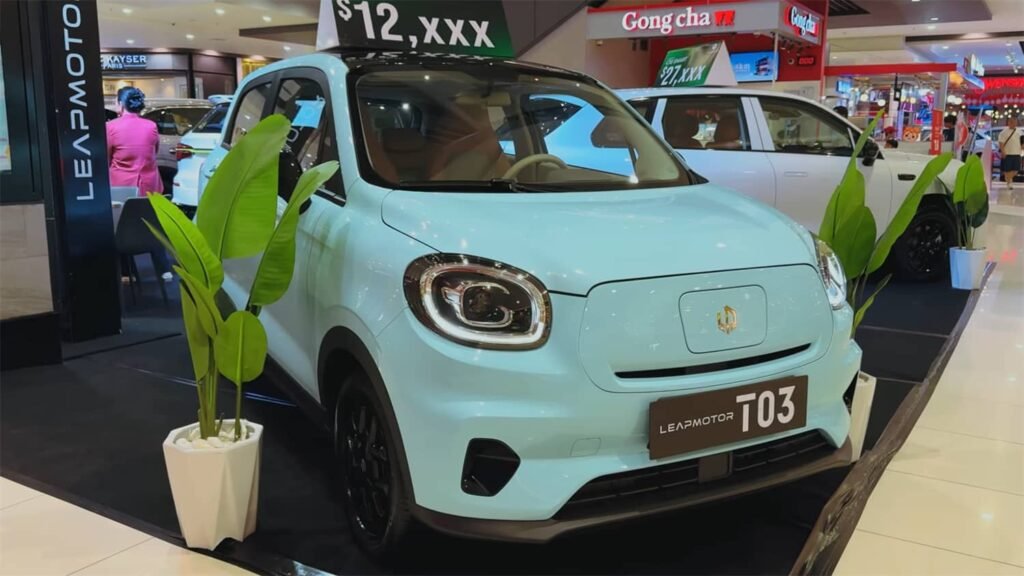
Leapmotor positions the T03 as a premium experience at budget pricing. The interior quality and driver assistance features exceed expectations for the price point.
Premium Interior Execution
The T03’s cabin avoids budget car telltales. Flat-bottomed leather-wrapped steering wheel. Faux leather seats with contrast stitching. Minimalist dashboard design inspired by Tesla’s approach. Circular air vents and metallic accents create boutique atmosphere rather than bargain-bin feeling.
Driver Assistance Technology
Standard ADAS features include lane departure warning, adaptive cruise control, automatic emergency braking, and blind-spot monitoring. These systems typically appear on $30,000+ vehicles in Western markets. For student drivers building experience, these features provide meaningful safety margins.
Practical Specifications
| Specification | Detail |
|---|---|
| Seating Capacity | 4 adults |
| Motor Power | 134 horsepower |
| 0-60 mph | Under 8 seconds |
| Range | 155-200 miles |
| Fast Charging | 30-80% in 35 minutes |
| China Price | ~$9,000 |
| Expected Europe Price | $14,000-15,000 |
| US Availability | Limited partnership with Stellantis |
Performance Context
The T03’s 134-horsepower motor delivers quicker acceleration than many gasoline competitors. Students merging onto highways or navigating traffic will appreciate the responsive power delivery. The lightweight construction maximizes efficiency without feeling insubstantial.
Who Should Consider the T03
Students wanting maximum technology per dollar. The ADAS suite provides genuine safety benefits for inexperienced drivers. Leapmotor’s partnership with Stellantis improves European service network prospects.
The Catch
Brand recognition remains low in Western markets. Resale value uncertainty exists for lesser-known manufacturers. US availability depends on evolving partnership arrangements with Stellantis.
1. Wuling Hongguang MINI EV: The Ultra-Budget Champion
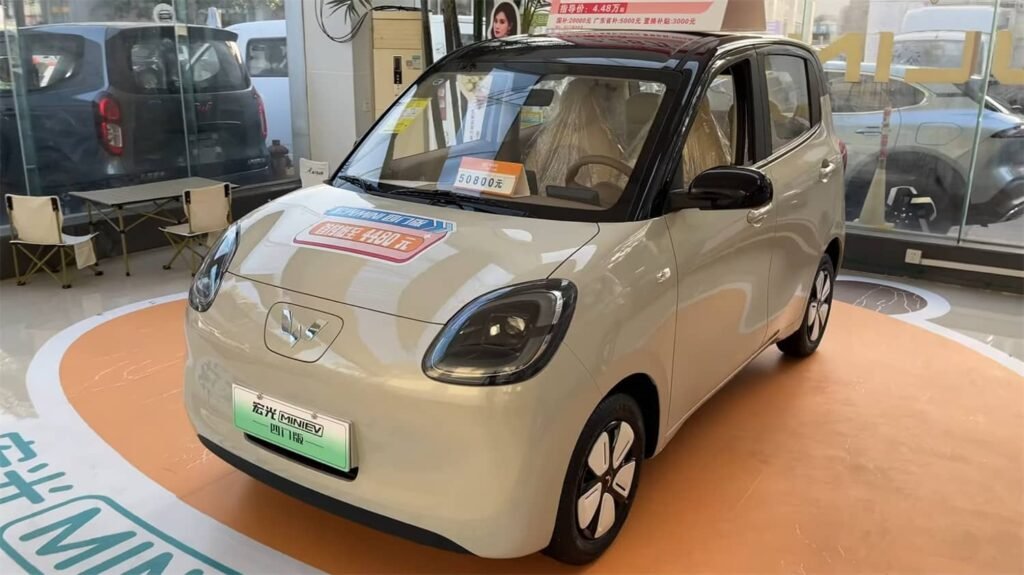
The MINI EV achieved something unprecedented—it outsold Tesla in China while costing less than most used smartphones. Its success proved demand exists for genuinely affordable electric transportation.
Minimalist Philosophy
The MINI EV embraces its limitations rather than hiding them. Boxy design maximizes interior space within minimal exterior dimensions. Square headlights and stubby nose create distinctive character. Colorful paint options transform basic styling into intentional aesthetic.
Practical Compromises
This vehicle requires honest expectation-setting. Two doors limit rear passenger access. Seventy-five to 110-mile range suits daily commuting but not road trips. Twenty-seven horsepower provides adequate city speeds but struggles on highways. These aren’t flaws—they’re design choices enabling the $4,500 price point.
Practical Specifications
| Specification | Detail |
|---|---|
| Seating Capacity | 4 (2+2 configuration) |
| Doors | 2 |
| Motor Power | 27 horsepower |
| Top Speed | 62 mph |
| Range | 75-110 miles |
| Charging | Standard household outlet |
| China Price | ~$4,500 |
| Expected Europe/US Price | $8,000-10,000 |
| US Availability | Not available |
Use Case Clarity
The MINI EV excels at specific tasks: campus commuting, city errands, short-distance social trips. It fails at highway merging, long-distance travel, and carrying four adults with luggage. Students understanding these boundaries find exceptional value.
Who Should Consider the MINI EV
Urban students with short commutes and access to overnight charging. Second-car households needing inexpensive local transportation. Budget-conscious buyers prioritizing purchase price over range and performance.
The Catch
Safety ratings don’t match larger vehicles. Basic airbags and ABS provide minimal protection in serious collisions. Highway use remains dangerous due to low top speed and lightweight construction. US regulatory compliance would require significant redesign.
Comparative Analysis: Which Student Car Makes Sense?
| Model | Best For | Range | Price (Est. US/EU) | Safety Rating | US Availability |
|---|---|---|---|---|---|
| NIO Firefly | Tech enthusiasts | 180-250 mi | $12,000-15,000 | High | Uncertain |
| BYD Seagull | Safety-conscious buyers | 190-250 mi | $12,000-15,000 | High | Limited |
| Wuling Bingo | Style-focused students | 125-200 mi | $15,000-16,000 | Medium | Uncertain |
| Leapmotor T03 | Technology value | 155-200 mi | $14,000-15,000 | Medium-High | Limited |
| Wuling MINI EV | Ultra-budget urban | 75-110 mi | $8,000-10,000 | Basic | No |
Critical Considerations Before Buying
Import and Regulatory Reality
Most vehicles discussed lack confirmed US availability. Tariffs, safety regulations, and emissions standards create barriers. European buyers face fewer obstacles but should verify local incentive programs and charging infrastructure.
Total Cost of Ownership
Purchase price represents one component. Consider:
- Insurance costs (EVs often cost more to insure)
- Charging infrastructure installation ($500-2,000 for home charger)
- Electricity rates versus gasoline prices in your region
- Resale value uncertainty for new brands
- Warranty coverage and service network proximity
Charging Infrastructure
Students living in dorms or apartments face charging challenges. Verify:
- Campus charging station availability
- Apartment complex EV charging policies
- Public charging network density in your area
- Charging speed compatibility with your vehicle
Safety Priorities for Parents
Parents funding student vehicles should prioritize:
- Crash test ratings from Euro NCAP or IIHS
- Standard ADAS features (automatic emergency braking minimum)
- Battery safety technology (LFP chemistry preferred)
- Warranty coverage length and transferability
- Service network accessibility near campus
The Bottom Line: Making the Right Decision
Chinese budget EVs represent genuine alternatives to traditional student cars. The value proposition works when you calculate total ownership costs over four years. Electricity beats gasoline. Minimal maintenance beats aging used car repairs. Modern safety features beat basic transportation.
However, availability remains the primary constraint. American students face limited options due to regulatory and tariff barriers. European buyers have better access but should verify local dealer networks and service support.
For students with access to these vehicles, the decision framework should prioritize:
- Range matching your actual needs (don’t pay for 300 miles if you drive 50)
- Charging access verification (no EV works without charging)
- Safety feature minimums (ADAS features matter for inexperienced drivers)
- Service network proximity (warranty means nothing without nearby service)
- Resale value research (some brands hold value better than others)
The student car market is evolving. Chinese EVs proved affordable electric transportation works at scale. Whether these specific models reach your market, the competition they created benefits all buyers through improved options and pricing pressure on traditional manufacturers.
Note: Pricing and availability information reflects current market intelligence as of February 2026. Specifications may vary by market. Always verify current availability, pricing, and specifications with official manufacturer channels before making purchasing decisions. Import regulations and tariff policies change frequently—consult local authorities for current requirements.