In late 2025, Toyota initiated several high-impact safety recalls affecting hundreds of thousands of vehicles across the United States. These actions, prompted by regulator findings and consumer safety concerns, represent one of the largest recall campaigns in recent years for the brand. For vehicle owners, prospective buyers, and automotive professionals, understanding the scope, risks, and remediation strategies is essential for safety, compliance, and long-term value retention.

Why These Recalls Matter: Safety Standards and Real-World Risk
Modern vehicles rely on a complex interplay of software and hardware. When critical systems—such as rearview cameras, instrument displays, or brake systems—fail, the consequences can escalate from inconvenience to serious safety risks.
Toyota’s recent recalls address exactly these types of safety-critical failures, with the National Highway Traffic Safety Administration (NHTSA) overseeing compliance and enforcement. The recalls illustrate the industry’s ongoing challenge of integrating advanced electronics while maintaining reliability and safety integrity.
Recall #1: Rearview/Backup Camera Freeze Risk
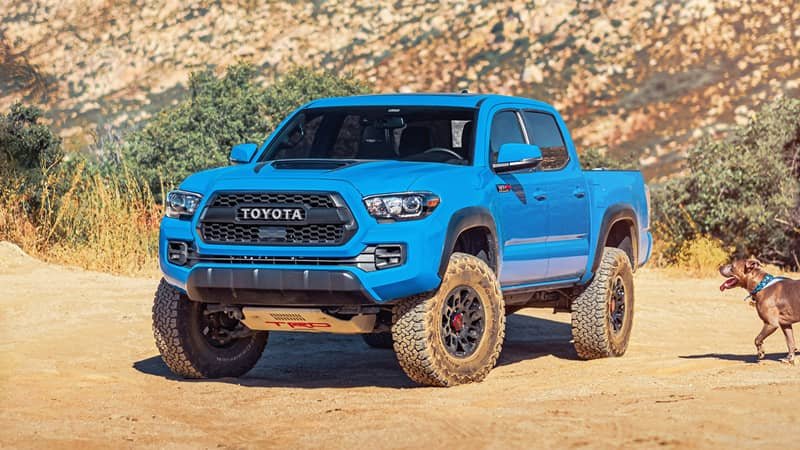
Toyota is recalling over one million vehicles due to a software defect that may cause the rearview camera image to freeze or go blank when reversing. This issue directly impacts visibility behind the vehicle—a fundamental safety requirement under federal law. If drivers cannot see obstacles or pedestrians when backing up, the risk of collision increases substantially.
Affected vehicles include a wide range of Toyota, Lexus, and related models from recent years. To remedy the defect, dealers will install a free software update that corrects the camera logic and timing sequence, restoring reliable operation.
This recall reflects broader regulatory scrutiny of backup visibility standards and underscores the importance of ensuring critical safety systems function as intended. Dealers are expected to begin notifications and repairs by late December 2025.
Recall #2: Instrument Panel Display Failure
Another significant recall impacts more than 591,000 vehicles with defective instrument panel display software. In these models, critical information such as vehicle speed, brake warnings, and tire pressure alerts may not appear at startup. When vital status indicators fail to display, drivers can unknowingly operate their vehicles with unresolved safety risks.
This recall spans multiple Toyota and Lexus models, including SUVs, sedans, and performance variants. Dealers will install an updated software version or, in some plug-in hybrid applications, replace the display assembly entirely.
Instrument cluster reliability is integral to safe vehicle operation, especially when digital displays have replaced analog gauges. Addressing these failures promptly is not only a regulatory requirement but also a core component of preserving consumer trust.
What Owners Should Do Immediately
If you own a Toyota or Lexus vehicle from the affected model years, take the following steps:
- Check your vehicle’s recall status using Toyota’s official recall lookup system or the NHTSA VIN search tool.
- Schedule a dealer appointment promptly if your vehicle is listed. Recall repairs are performed at no cost to the owner.
- Do not delay repairs, especially if your instrument panel fails to illuminate safety warnings or the rearview camera is unreliable.
- Document all contacts and repair receipts should questions about future resale, warranty coverage, or compliance arise.
Proactive attention to these issues protects both safety and long-term value. Compliance with recall remedies generally strengthens a vehicle’s resale position and reduces legal risk for owners.
The Broader Context: Auto Recalls and Industry Trends
Toyota’s recent recall campaigns occur against a backdrop of heightened scrutiny over vehicle safety systems and software reliability. NHTSA’s oversight highlights trends in modern automotive electronics, where software integration errors can have outsized impacts on driver safety.
Recall completion rates vary widely across manufacturers, and resolving such campaigns relies on both manufacturer responsiveness and owner action. Historically, Toyota has achieved high recall completion performance, but the rapid pace of electrification and digital systems introduces new challenges industry-wide.
For consumers, the key takeaway is this: recalls are not isolated inconveniences—they are essential safety interventions that protect occupants and the broader public. Staying informed and responsive ensures that vehicle ownership remains both safe and compliant with federal standards.
Toyota Major U.S. Recalls (2025–2026) – Summary Table
| Recall Category | Affected Vehicles (Approx.) | Affected Model Years | Core Issue | Potential Risk | Official Remedy | Cost to Owner | Urgency Level |
|---|---|---|---|---|---|---|---|
| Rearview / Backup Camera Malfunction | 1,000,000+ vehicles | Recent Toyota & Lexus models | Software defect may cause camera image to freeze or go blank when reversing | Increased risk of backing collisions due to reduced rear visibility | Dealer-installed software update | Free | High |
| Instrument Panel Display Failure | 591,000+ vehicles | Multiple Toyota & Lexus models | Digital instrument cluster may fail to display speed, warnings, or alerts at startup | Driver may operate vehicle without critical safety information | Software update or display module replacement | Free | High |
| Digital Safety Information Loss | Included in above recalls | Various trims with digital clusters | Safety warnings (brake, tire pressure, alerts) may not appear | Delayed driver reaction to safety-critical conditions | Software recalibration | Free | High |
| Regulatory Compliance Issue | Same recall population | Vehicles with affected software | Systems fail to meet U.S. federal visibility and display standards | Non-compliance with safety regulations | Mandatory recall repair | Free | Mandatory |
Final Analysis: Safety First and Consumer Guidance
Toyota’s 2025–2026 recall campaigns reflect multiple layers of modern automotive complexity. These campaigns are not reflections of brand failure, but rather evidence that regulators and manufacturers are actively monitoring and correcting emergent issues in real time.
From a safety engineering perspective, addressing rearview camera malfunctions and display failures prevents potentially serious accidents. From a consumer perspective, understanding recall scope, repair logistics, and long-term implications positions vehicle owners to make informed decisions about maintenance, ownership costs, and future purchases.
For anyone owning a Toyota or related vehicle from recent model years, recall compliance should be treated as a priority. Make use of dealer expertise, official tools, and industry resources to ensure your vehicle meets all safety and performance standards.
Usefull Links: