
In the automotive world, the difference between a high-mileage legend and a perennial breakdown risk often comes down to engineering choices hidden deep within the drivetrain and chassis. While horsepower and touchscreens grab headlines, true mechanical superiority is defined by the durability, efficiency, and elegant simplicity of its core components.
This analysis is for the discerning buyer and the technical enthusiast. We look past marketing gloss and dissect the specific, often subtle, design decisions that separate the long-term champions from the short-term flashes. This is the expert-level examination of what makes some cars inherently more reliable and enjoyable to drive over decades.
The Heart of Superiority: Engine Architecture and Materials
The engine is the most complex component, and its design dictates its potential lifespan, maintenance cost, and power delivery characteristics.
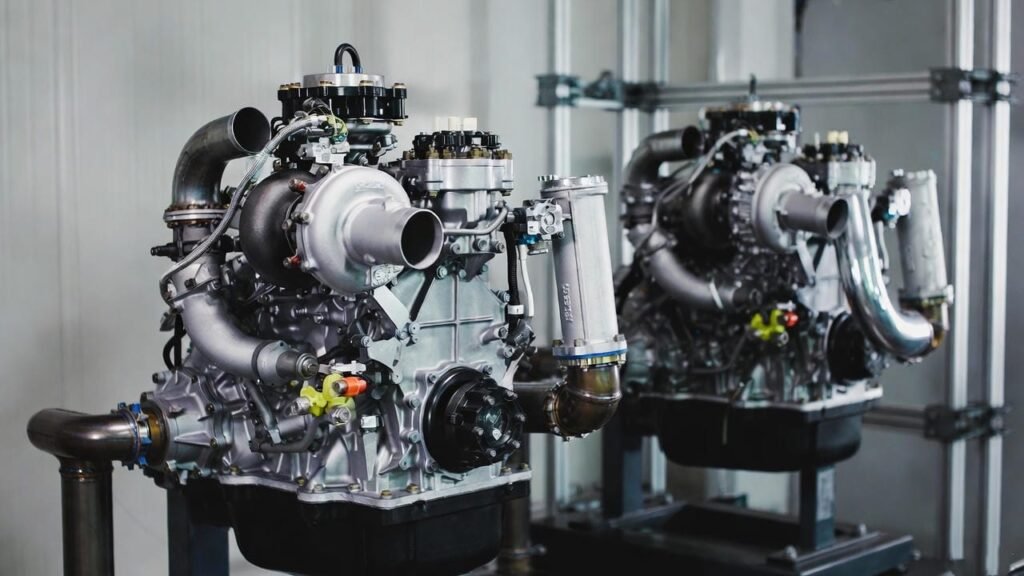
1. Low-Stress Design Philosophies
Mechanically superior engines are often those designed for a conservative power-to-displacement ratio.
- Naturally Aspirated (N/A) Engines: Engines without turbochargers or superchargers (like Toyota’s traditional V6 or Subaru’s Boxer engines) tend to have a longer lifespan. Why? They operate at lower internal pressures and temperatures, reducing thermal stress on critical components like pistons, valves, and gaskets. Less heat means less wear and less chance of complex cooling system failures.
- Over-Engineering of Core Components: Engines that are “over-engineered” use thicker cylinder walls, robust forged or cast steel connecting rods, and crankshafts designed to handle far more power than the factory rating. This reserve capacity ensures components don’t fatigue under normal operating loads over hundreds of thousands of miles.
2. The Case for Advanced Valve Timing
Engine efficiency and durability are greatly influenced by how the valves operate.
- Variable Valve Timing (VVT) Simplicity: While complex VVT systems (like BMW’s VANOS or many modern variable lift systems) offer peak power, simple VVT systems (like basic VVT-i in a Toyota) focus primarily on optimizing the powerband for low-end torque and high-end fuel efficiency. Simpler mechanisms have fewer points of failure.
- Chain vs. Belt: A timing chain is generally considered mechanically superior to a rubber belt. While a chain adds initial complexity and noise, it is designed to last the life of the engine, whereas a belt is a mandatory high-cost replacement every 60,000–100,000 miles.
The Unsung Hero: Transmission and Drivetrain Integrity
A superior transmission doesn’t just shift well; it manages engine torque and minimizes wear across the entire driveline.
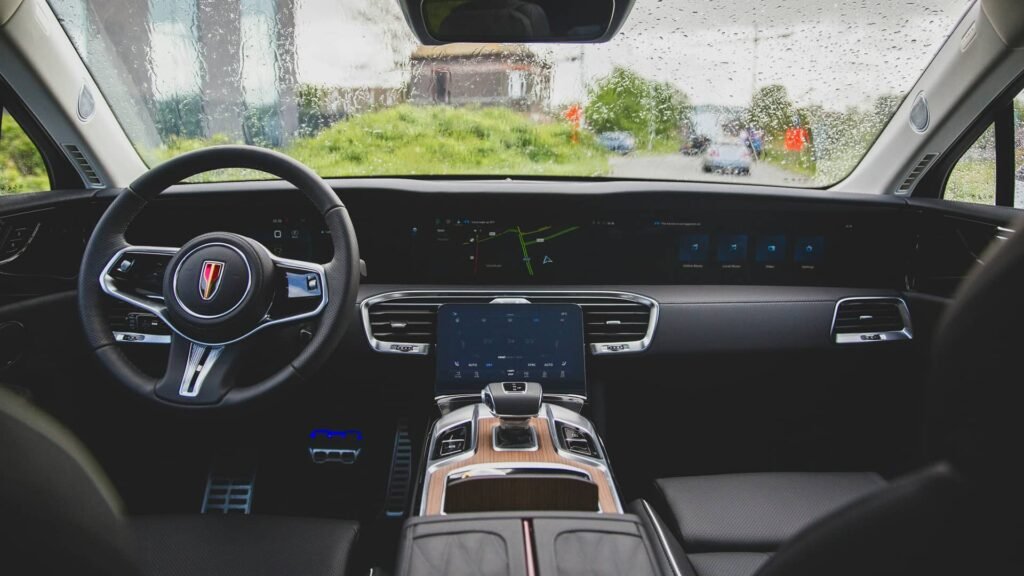
3. Conventional Automatic Transmissions (Torque Converters)
In the face of dual-clutch and advanced CVT rivals, the tried-and-true planetary gear automatic often wins on mechanical durability.
- Robust Clutches and Cooling: Torque converter automatics (TAs) are designed with separate fluid cooling systems. Excellent cooling management is the primary factor in transmission longevity. TAs also use friction clutches that are submerged in oil and designed for long, predictable wear.
- CVT Differentiation: Not all Continuously Variable Transmissions (CVTs) are equal. The superior CVTs, such as Toyota’s Hybrid Synergy Drive eCVT, use a planetary gear set and electric motor coupling instead of belt-and-pulley systems. This design has virtually zero belt-slip wear and is one of the most mechanically durable transmissions ever created.
4. Driveline Engineering and Symmetry
The geometry of the drivetrain significantly affects handling, NVH (Noise, Vibration, and Harshness), and long-term joint wear.
- Subaru’s Symmetrical AWD: This system is not just marketing. Its core mechanical advantage is that it lays the drivetrain out in a perfectly straight line from the engine to the rear differential. This symmetry minimizes driveline angles, reducing stress on universal joints and CV joints, translating to lower vibration and longer component life.
Chassis, Suspension, and Cabin Endurance
Mechanical superiority extends beyond the powertrain; it dictates how the vehicle handles stress from the road and daily use.
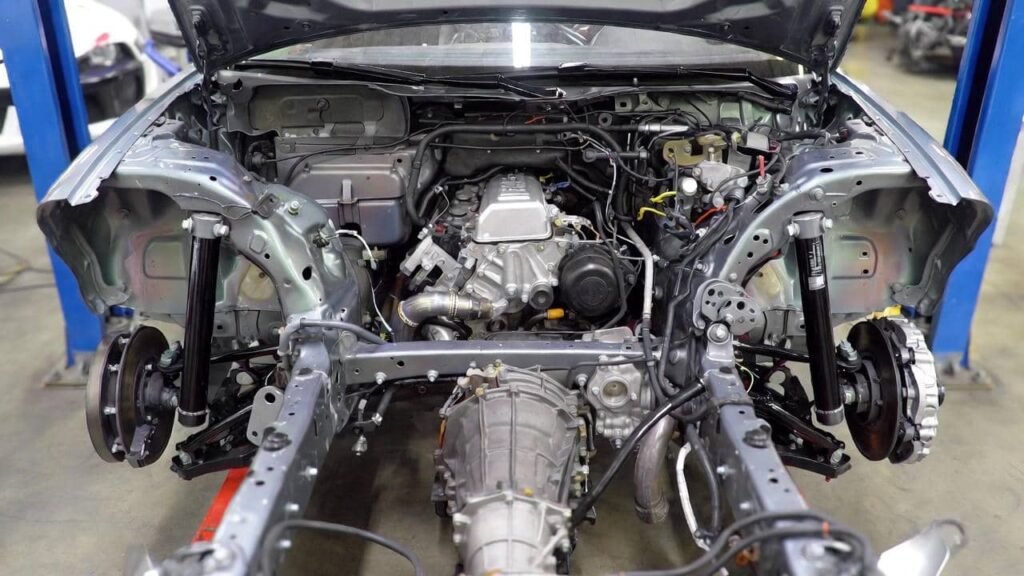
5. Suspension Geometry and Material Quality
A superior suspension is built not just for handling, but for survival on poor roads.
- Forged or Cast Control Arms: Cheaper vehicles use stamped steel control arms. Superior vehicles utilize thicker, forged, or high-density cast aluminum or steel control arms and knuckles. These resist flexing and twisting, maintaining wheel alignment longer and protecting ball joints.
- Bushings and Bearings: High-quality vehicles use polyurethane or high-density rubber bushings that resist cracking and degrading from temperature extremes and road salt. The quality of wheel bearings and shock absorber seals directly correlates to the frequency of unscheduled suspension repairs.
6. Corrosion Protection and Body Stiffness
What keeps a car on the road in the rust belt? The quality of the manufacturing process.
- Electrodeposition (E-Coat) Priming: All modern cars use e-coating, but superior manufacturers apply a thicker, multi-layer coating and focus on meticulous rust-proofing in internal cavities and weld points that are typically overlooked.
- Stiffer Chassis: A stiffer, better-welded chassis prevents panel gaps from shifting and reduces vibration transmission to the cabin. This results in less stress on body seams, fewer rattles over time, and a more robust platform for the suspension to work against.
The Mechanical Superiority Scorecard
Mechanical superiority is not about any single component but the synergy of design choices.
| Engineering Factor | Superior Design Choice | Inferior Design Choice | Long-Term Benefit |
| Engine Stress | Naturally Aspirated or Conservative Turbo (N/A/Low-Boost) | High-Output, High-Boost Turbocharged | Lower thermal stress, fewer points of failure. |
| Cooling System | Oversized Radiator and separate oil/transmission coolers | Minimalist cooling system (designed to spec, not over spec) | Prevents component degradation from high heat cycles. |
| Transmission Type | Robust Torque-Converter Automatic or Toyota eCVT | Belt-and-Pulley CVT or complex Dry Dual-Clutch Transmission | Predictable, lower internal wear and fewer failure modes. |
| Timing System | Timing Chain (designed for life) | Timing Belt (mandatory, expensive replacement) | Lower long-term maintenance cost and risk. |
| Suspension | Forged/Cast Components with high-density bushings | Stamped Steel Components with soft rubber bushings | Holds alignment longer; superior resistance to road stress. |
In conclusion, a mechanically superior car is a product of conservative design mixed with high-quality execution. It’s the car built to last, not just to impress, proving that sometimes, the simplest and most robust solution is the greatest achievement in automotive engineering.
Useful Links: